Updated on: July 8, 2026 / 10:14 PM EDT
/ CBS/AP
Add CBS News on Google
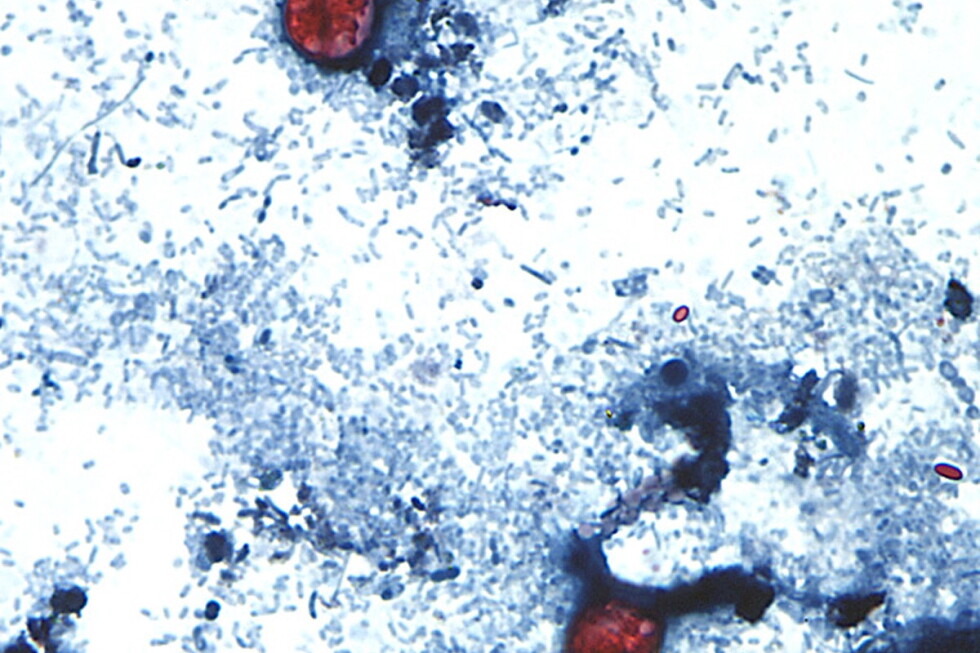
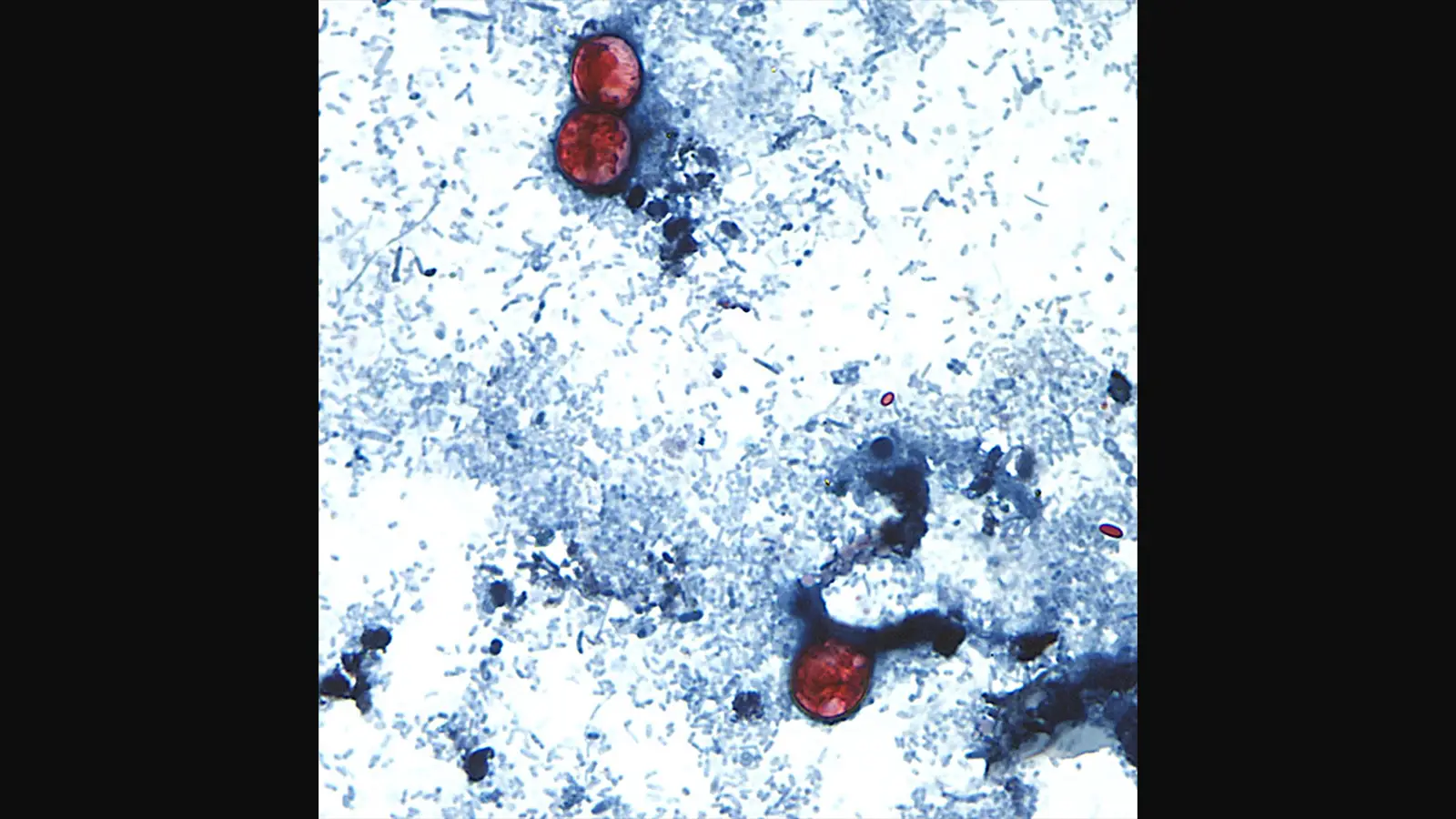
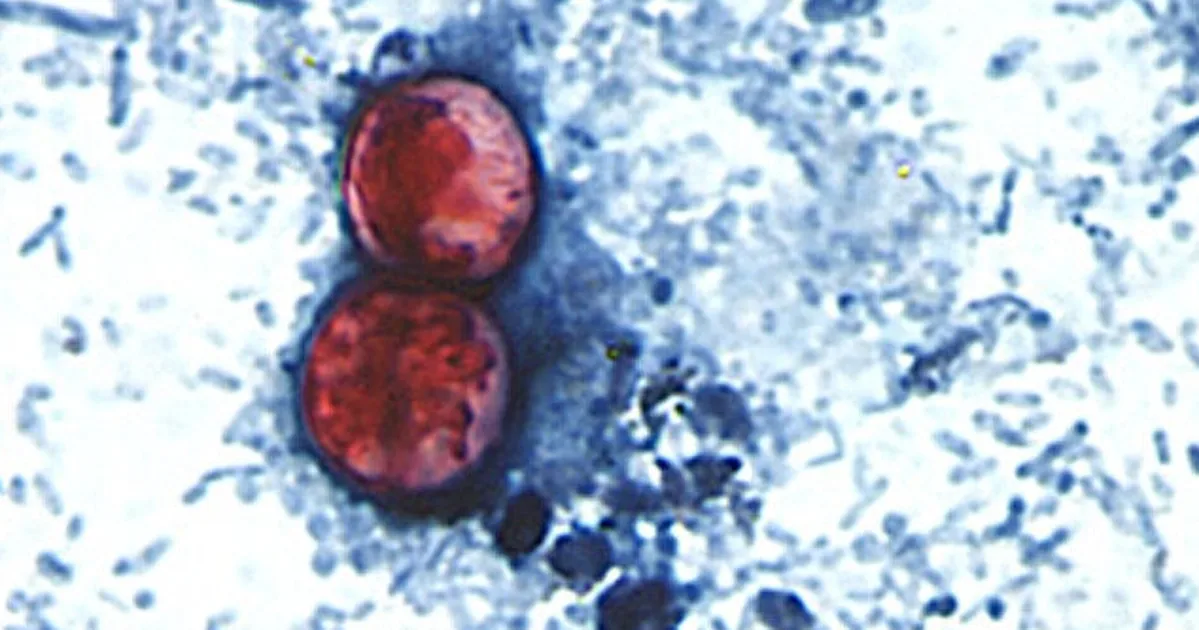
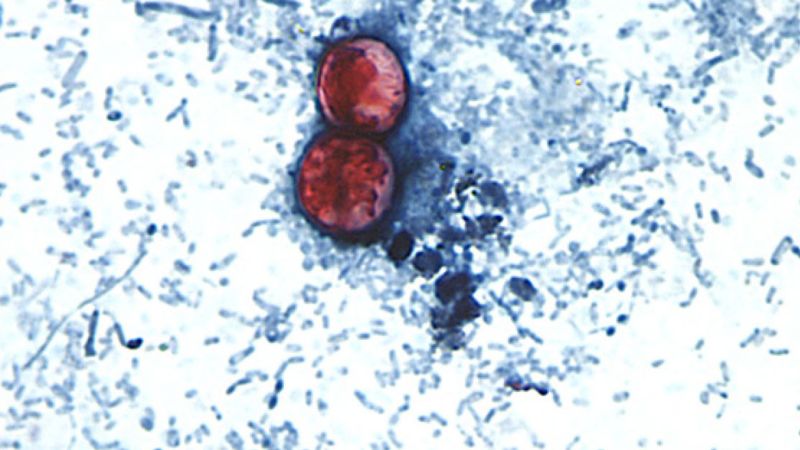
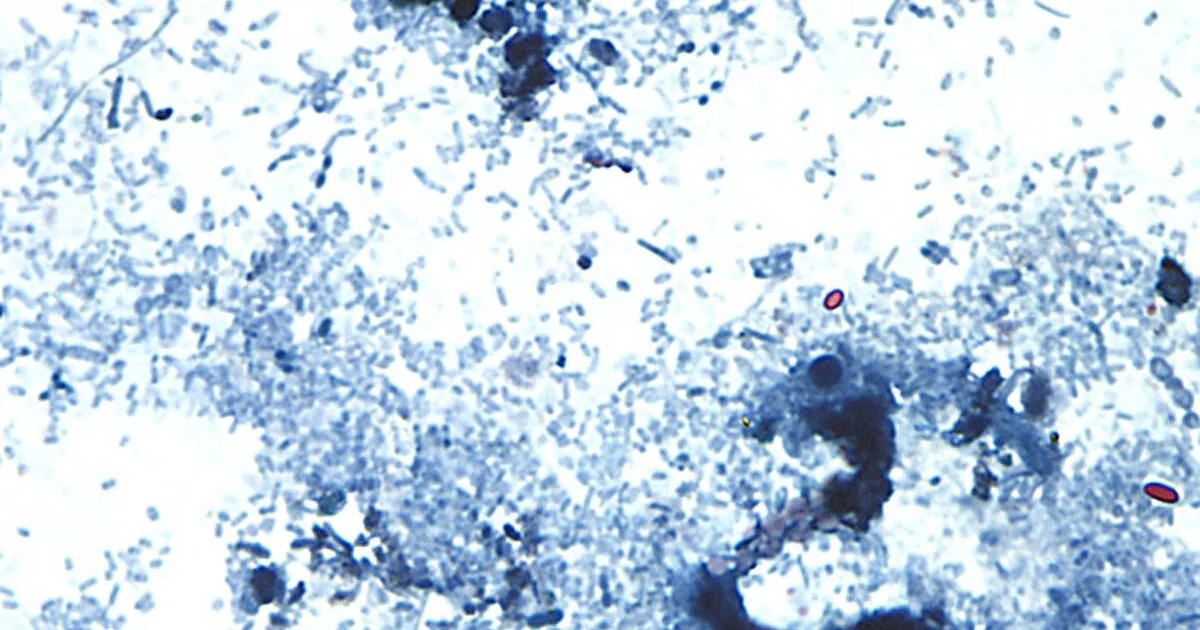
Nearly 1,000 people in Michigan have been diagnosed with a parasitic infection that can cause weeks of watery diarrhea, making it the largest such outbreak in state history and one of the nation's largest in years.No deaths have been reported, and the source of the cyclospora infections hasn't been identified. Meanwhile, investigations into similar illnesses have been going on in 28 other states, including in Ohio, where people just across the Michigan border are also becoming sick. According to the U.S. Centers for Disease Control and Prevention, 17 states have confirmed cases from early May to June 16, including Illinois, Maryland, Massachusetts, New York and Texas.Michigan officials first announced the outbreak last week, when they were aware of more than 170 cases — all in the southeastern corner of the state — since June 22. Michigan usually identifies only about 50 cases each year.On Wednesday, the state reported the number had grown to 992, including about 40 hospitalizations. Just across the state line, Lucas County, Ohio, reported 306 cases as of Wednesday. Northwest Ohio has seen more than 400 cases.Cyclospora surges can be tricky to investigate, and food poisoning sources can be hard to establish. But "there is clearly a linked outbreak happening right now," Dr. Natasha Bagdasarian, Michigan's chief medical executive, told The Associated Press on Wednesday.When reached for comment from CBS News about its response to the outbreak, the Food and Drug Administration said in a statement Wednesday night that its investigation into the situation was "ongoing.""The FDA and the CDC continue to monitor case counts and cluster activity," the FDA said. "Additionally, the FDA is aware of the ongoing investigation of Cyclospora illnesses in Michigan and is engaged with state partners to assist in an outbreak response. FDA's scientists and investigators work closely with state partners, international regulators — through mutual recognition agreements — and industry stakeholders to drive compliance with food safety regulations."