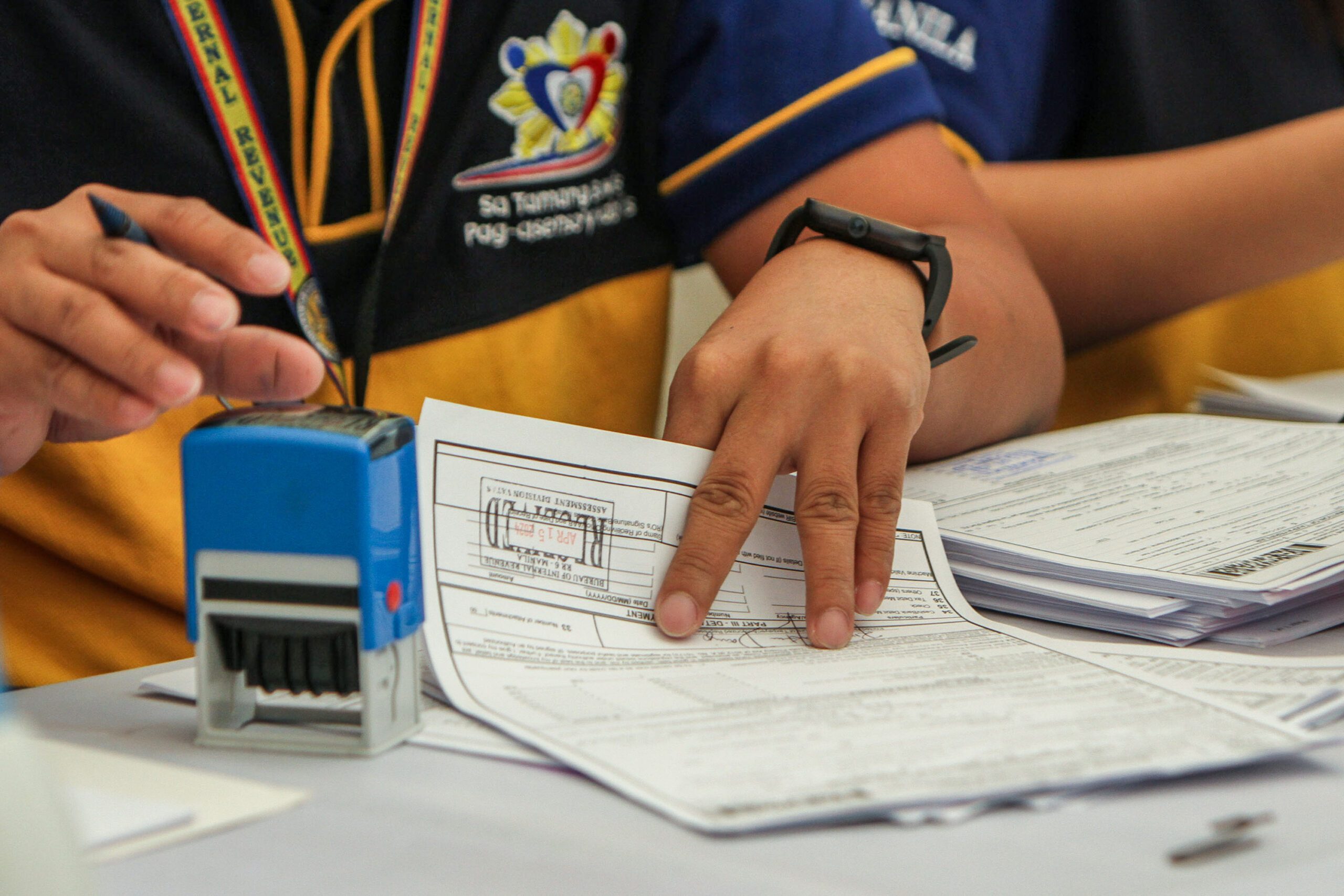
The IRS is making a change that could save some taxpayers from having to ask for penalty relief that they already qualify to receive.The agency announced that it will begin automatically providing certain penalty relief during return processing to taxpayers with a history of filing and paying on time. The new process, called Automatic Exemption from Penalty, or AEP, will replace the long-standing First Time Abate program.Why This MattersFirst Time Abate has been around for more than two decades. The IRS implemented the administrative waiver in 2001 for tax periods ending after December 31, 2000. It became the most common form of administrative penalty relief, allowing eligible taxpayers to remove certain failure-to-file, failure-to-pay, and failure-to-deposit penalties if they had a three-year history of timely compliance. But FTA was not automatic. Taxpayers generally had to know the relief existed and ask the IRS for it, which meant the benefit often depended on awareness, access, or professional help rather than eligibility alone.Under the new AEP process, eligible taxpayers will not have to call the IRS, send a letter, or otherwise request relief. If IRS records show that the taxpayer qualifies, the agency will automatically apply the relief during return processing and send a notice confirming that the relief was granted.When The New Relief BeginsThe change is expected to begin this summer. AEP will apply to eligible original returns beginning with tax year 2025 returns and 2026 quarterly returns, as well as future tax periods.To qualify, taxpayers generally must have timely filed the same type of return and paid any tax due for the prior three years. For quarterly filers, the lookback period is 12 consecutive quarters.If the taxpayer qualifies, the IRS will not assess certain penalties during processing, including:Failure-to-file penaltiesFailure-to-pay penaltiesFailure-to-deposit penaltiesWhen you fail to pay the tax due, you’re typically hit with a failure-to-pay penalty, which is generally 0.5% of the unpaid tax per month, up to a maximum of 25%.When you file late, the penalty is steeper. The failure-to-file penalty is generally 5% of the unpaid tax per month, also capped at 25%. If a return is filed more than 60 days late, a minimum penalty may apply.If both penalties apply in the same month, the failure-to-file penalty is reduced by the amount of the failure-to-pay penalty, resulting in a combined penalty of 5% per month. That does not include interest.As you can imagine, those penalties can add up. The IRS says the new process is intended to make penalty relief more consistent and reduce the burden on taxpayers with a strong history of compliance.Taxpayer Advocate Erin Collins Had Previewed ChangeThe announcement follows comments from National Taxpayer Advocate Erin Collins earlier this year. When Collins sat down with Terry Lemons, former IRS Chief of Communications and Liaison, at The Tax Retreat in San Antonio, she noted that First Time Abate had existed for decades, but many taxpayers missed out because they did not know they had to ask for it. The change could affect a significant number of taxpayers. Collins said during a session at the AICPA National Tax Conference in 2025 that about 1 million taxpayers—most of them lower-income—qualify for First Time Abate each year but do not know they need to request it. That concern is not new. TAS has previously warned that eligible taxpayers were missing out on penalty relief simply because they did not know to request it. Automatic relief is intended to close that gap by applying the waiver during processing when IRS records show the taxpayer qualifies. The Fine PrintAEP does not eliminate the underlying tax. Taxpayers still must pay any tax due, along with interest and any penalties that are not eligible for relief.The IRS identifies several common individual, business, and employment tax returns as generally eligible, including Forms 1040, 1065, 1120, 940, 941, 943, 944, 945, and CT-1. But not all returns qualify. Information returns and returns subject to infrequent or event-based filing obligations—such as estate tax returns or gift tax returns—are generally not eligible. First Time Abate Will Be Phased OutThe transition will take some time. The IRS says it will begin phasing out First Time Abate during the summer of 2026. During that transition, some qualifying taxpayers may still receive penalty notices for eligible tax year 2025 returns and 2026 quarterly returns. Taxpayers who believe they qualify may still contact the IRS to request First Time Abate during the transition period.However, pay attention to the dates. For eligible returns with original due dates on or after January 1, 2027, AEP is expected to replace First Time Abate. Taxpayers May Still Request Reasonable Cause ReliefTaxpayers who do not qualify for AEP are not necessarily out of options. They may still request penalty relief based on reasonable cause, and the IRS says it will review those requests and notify taxpayers of the outcome.Reasonable cause relief is different from AEP. Instead of looking only at whether a taxpayer has a clean compliance history, the IRS considers the taxpayer’s specific facts and circumstances. Taxpayers may qualify for a reasonable cause penalty abatement if they can show that they exercised ordinary business care and prudence but still could not meet their filing, payment, or deposit obligations. That might include serious illness, a death in the family, natural disasters, inability to obtain records, or other circumstances beyond the taxpayer’s control. Taxpayers seeking reasonable cause relief should be prepared to explain what happened, when it happened, how it affected their ability to comply, and what steps they took to return to compliance.Typically, you seek a refund or abatement of certain taxes, penalties, interest, fees, and additions to tax by filing Form 843, Claim for Refund and Request for Abatement. Form 843 is not a catch-all refund form—you do not use it to amend an income tax return or request an ordinary income tax refund—but it is an important tool when a taxpayer is challenging certain penalty or interest assessments or asking the IRS to remove them.Form 843 has also been in the news recently because of Kwong-related refund claims. In those cases, taxpayers have been using the form to preserve or pursue claims for refunds of certain penalties and interest tied to the pandemic-era emergency period. To stem the expected rush of paper filings, the IRS has added an option on its mobile-friendly forms page allowing individual taxpayers to electronically file Form 843 for protective refund claims related to Kwong v. United States. The new online option is limited to individual taxpayers filing Form 843 electronically for Kwong-related claims involving fully paid penalties and interest. Business taxpayers must still file Form 843 on paper, and individuals who prefer not to use the online option may also file on paper. What’s Next For TaxpayersTaxpayers should still file and pay on time whenever possible. But for taxpayers with a solid compliance history who slip up once, the IRS is moving toward a system where relief is applied automatically rather than reserved for those who know to ask.ForbesErin Collins On The Taxpayer Advocate Service, Taxpayer Rights, And A Strained IRSBy Kelly Phillips ErbForbesIRS Opens Online Portal For Kwong Refund Claims Ahead Of Friday DeadlineBy Kelly Phillips ErbForbesFiling For A Tax Return Extension? Don’t Make This Common MistakeBy Kelly Phillips Erb
IRS Announces Automatic Penalty Relief For Eligible Taxpayers
The new process will replace First Time Abate and allow the IRS to provide certain penalty relief during return processing without requiring taxpayers to ask for it.
1,200 words~5 min read