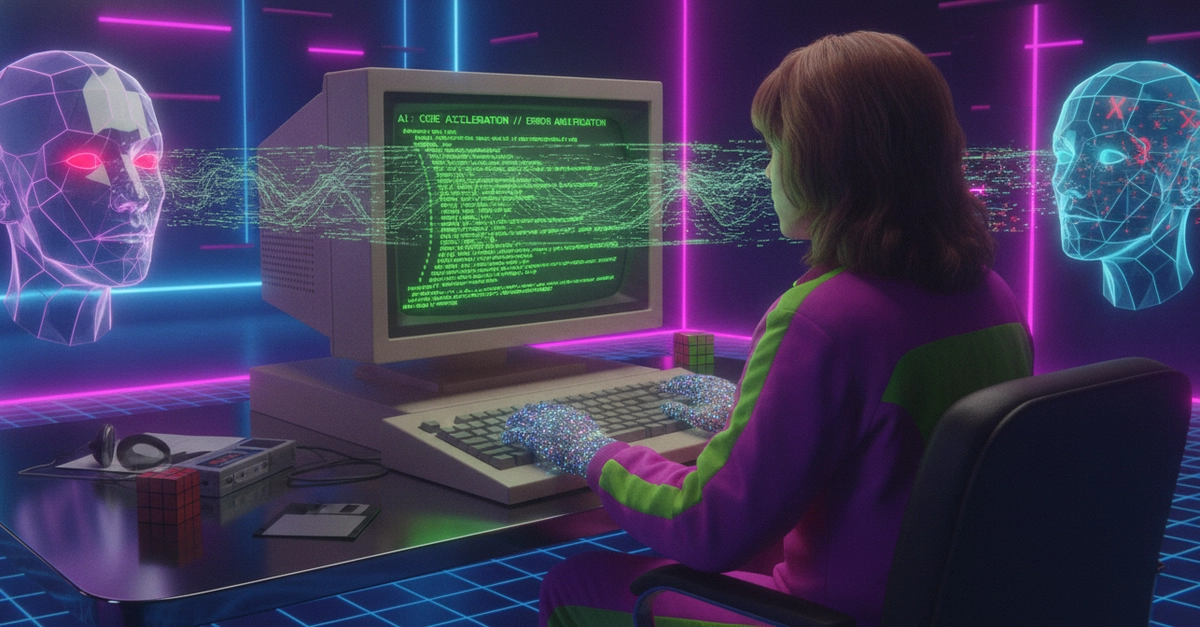
Not long ago, blockchain development was synonymous with hours spent studying documentation, manually writing smart contracts, and carefully reviewing every line of code. Today, much of that work can be delegated to artificial intelligence. With just a few prompts to ChatGPT, Claude, or another AI assistant, developers can generate a basic smart contract for a token, NFT collection, or DeFi protocol in a matter of minutes.
Artificial intelligence is rapidly changing the way Web3 development is approached. It helps teams accelerate product creation, automate routine tasks, and increase overall productivity. At the same time, these new opportunities come with new challenges. When code is generated faster than ever before, the risk also increases that mistakes will make it into production unnoticed.
So, does AI truly make blockchain development more efficient? Or does it simply accelerate the creation of mistakes in an industry where even a single vulnerability can cost millions of dollars?
AI as the New "Junior Developer"
Developers have long been used to working with tools that speed up code writing: autocomplete, search engines, ready-made libraries, and frameworks. But generative AI has taken this practice to a new level. Now, it does not simply suggest a single line of code — it can propose an entire function, module, test scenario, or even the basic architecture of a solution.