view more
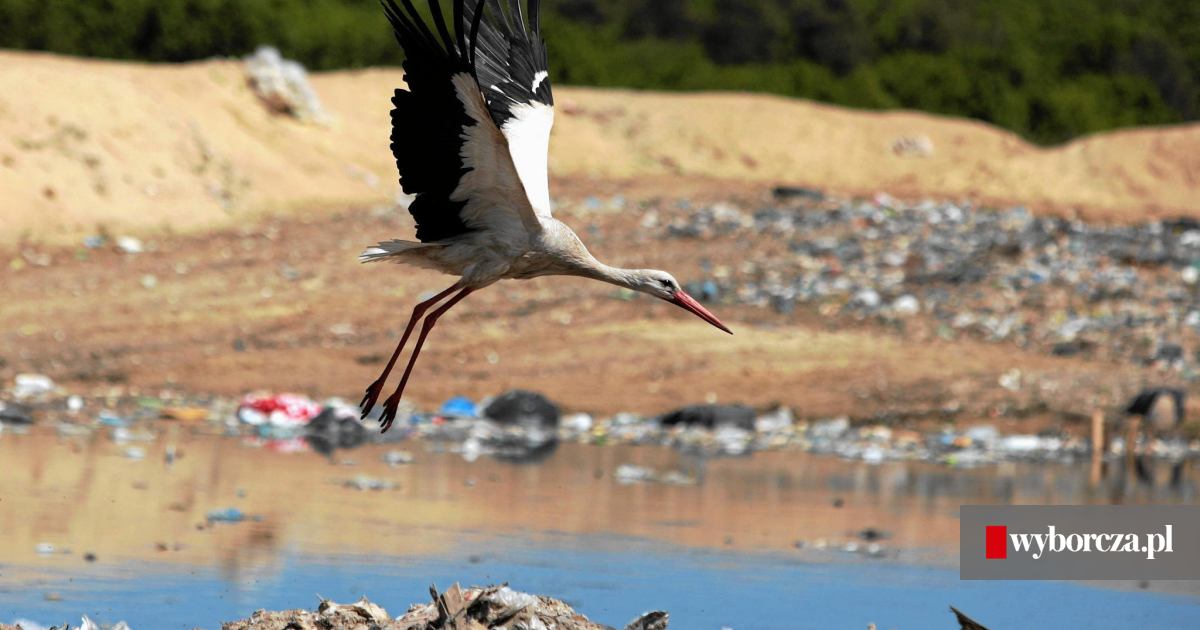
Ongoing research into the impact of landfill foraging on white stork populations has revealed interesting preliminary results that suggest a trade-off between year-round reliable food availability and increased risks from stress and DNA damage. These results provide insights into how human urbanisation is rapidly altering the feeding behaviours of wildlife with possible long-term consequences for their health and fitness.
“The globally increasing trend of waste production is creating new foraging opportunities for wildlife,” says Mr Anustup Bandyopadhyay, a PhD student at the University of Veterinary Medicine in Vienna, Austria. “However, the effects of feeding on this waste are still debated and remain somewhat equivocal.”
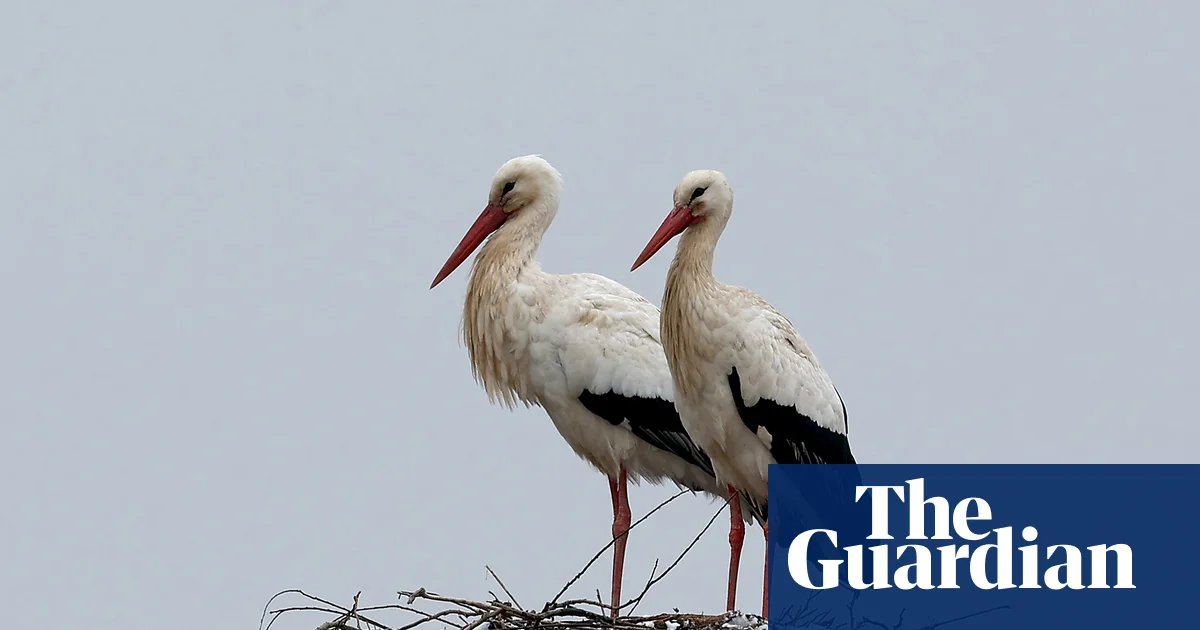
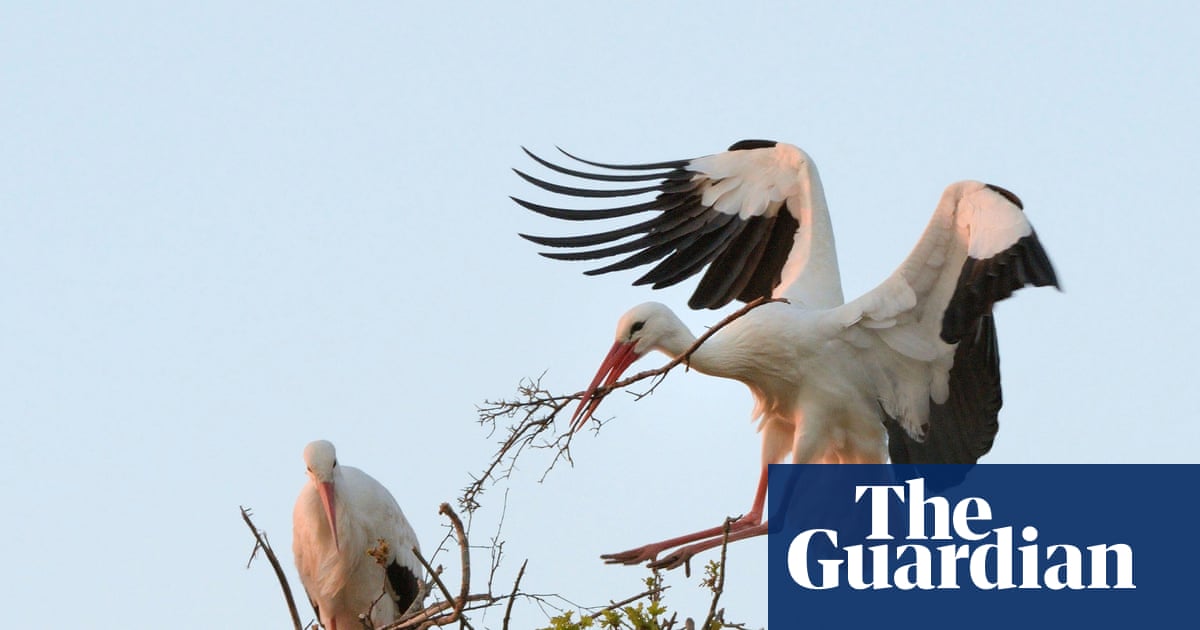
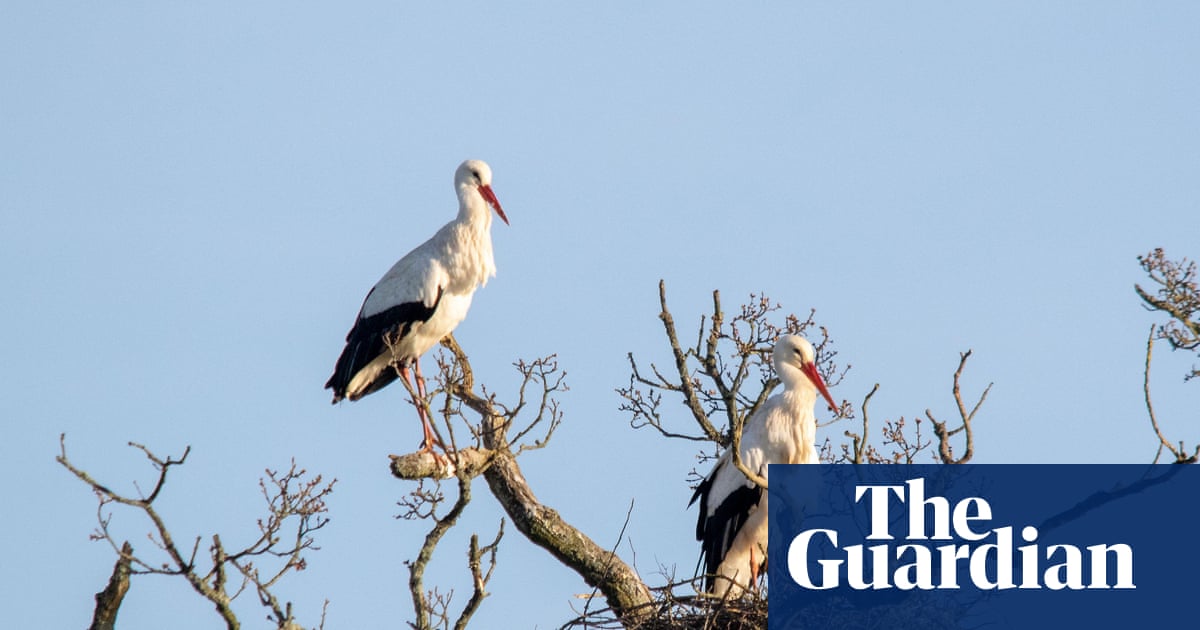
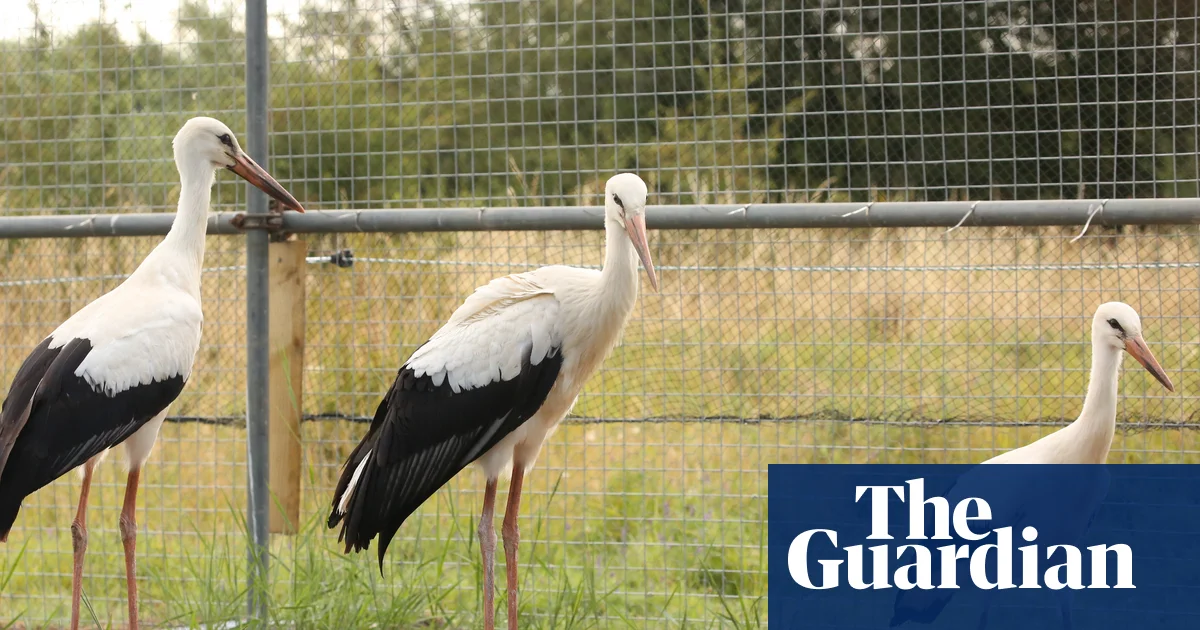
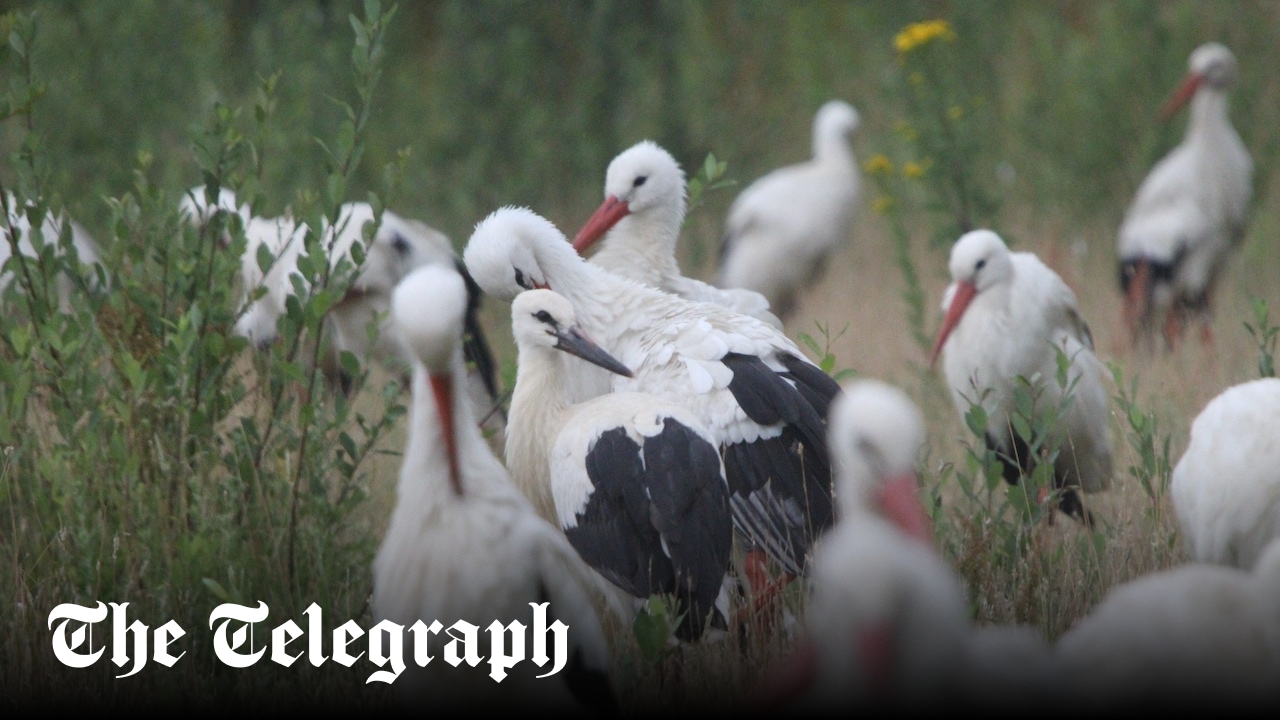
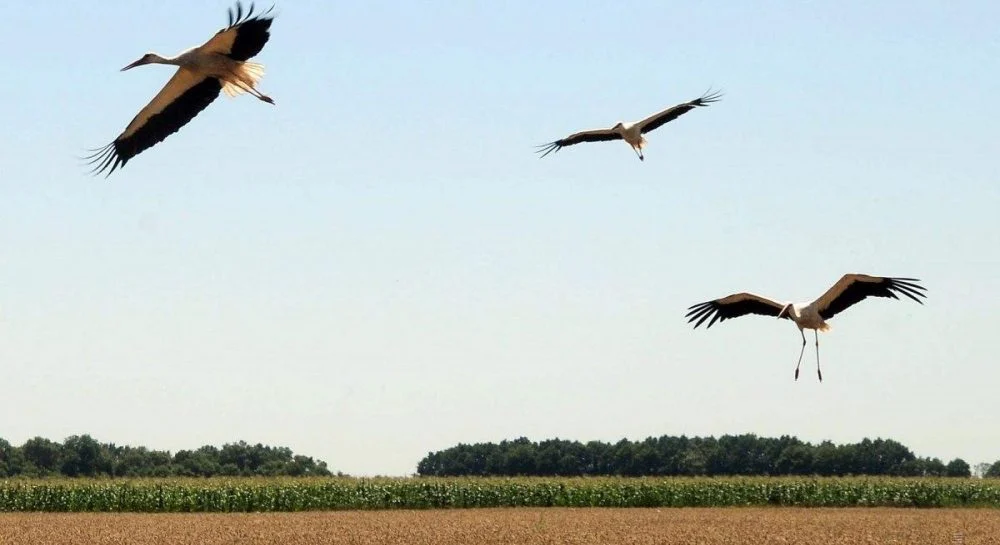
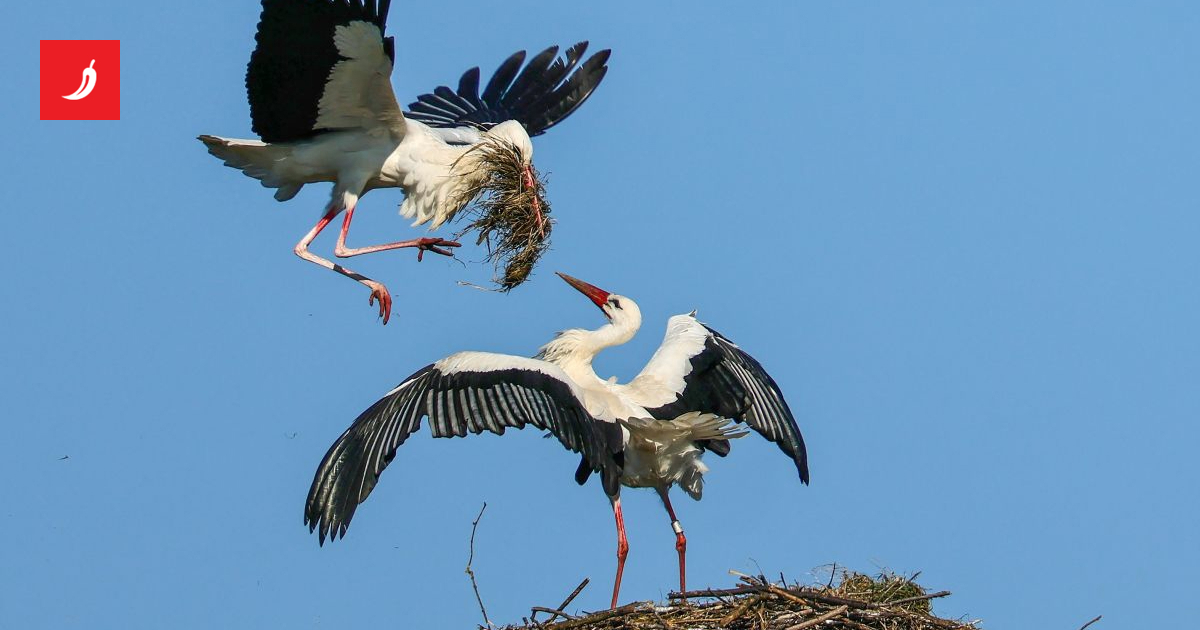
This project is an international collaboration involving researchers from Austria, Germany, and Poland that focuses on a population of White storks (Ciconia ciconia) that migrate from Poland to Africa each summer and return each spring to breed.
White storks have been observed foraging on landfills in Western Europe since the 1980s, but it is still a relatively new phenomenon in Eastern Europe. “In Poland, this behaviour has become more common over the past decade, with some individuals relying on landfills while the majority still rely on natural prey,” says Mr Bandyopadhyay. “This provides a good system to examine how different foraging strategies translate into differences in growth, energy balance, and physiological condition.”