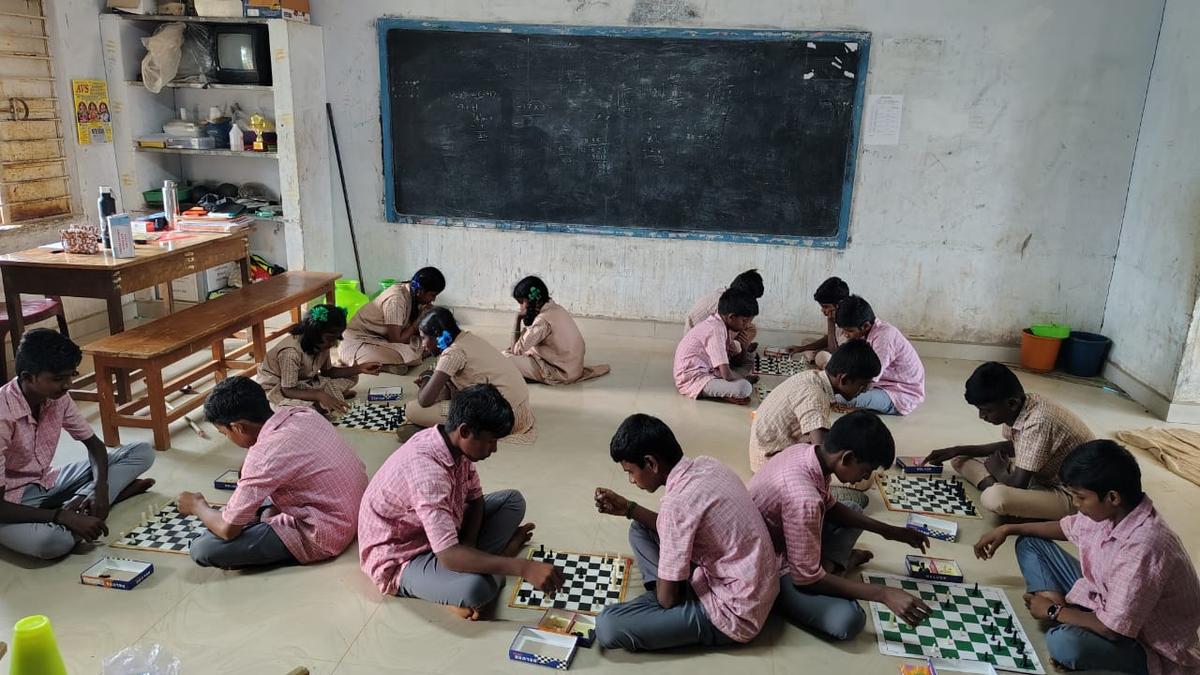
Chess and mathematics education are closely intertwined, offering a unique and engaging way to enhance students’ mathematical skills. Incorporating chess into math lessons can help students develop a deeper conceptual understanding of mathematical ideas, patterns, and procedures1. The game of chess provides a tactile and visual tool that allows students to build mental schemas, connecting abstract concepts with practical applications1.
Research suggests that early exposure to chess can positively impact children’s performance in math and science subjects2. By integrating chess into the curriculum, educators can tap into students’ enthusiasm for the game, making math lessons more engaging and relevant3. This approach not only improves mathematical abilities but also fosters critical thinking, problem-solving, and strategic planning skills4.
Overall, chess serves as a powerful educational tool that bridges the gap between theoretical mathematics and real-world applications, making learning both fun and effective.
Chess is a fantastic tool for teaching various mathematical concepts. Here are some specific math concepts that can be taught through chess:
Geometry and Spatial Awareness: Understanding the movement of different pieces across the board involves geometric concepts. For example, the movement of the knight forms an L-shape, which can help students visualize and understand geometric patterns1.