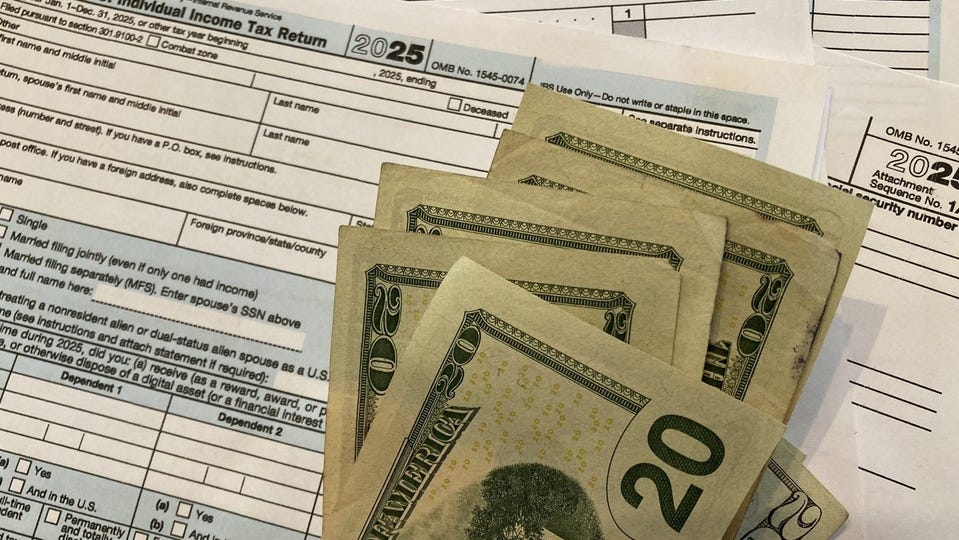
Tens of millions of Americans may still be able to claim a COVID-era tax refund, but they must act before the July 10 deadline. The refund is linked to IRS penalties, late fees and interest charged during the COVID-19 emergency period. The IRS has now made it easier to file claims by launching an online filing option for eligible people.IRS has opened online filing for COVID tax refund claims (REUTERS/Erin Scott/File Photo) (REUTERS)Earlier, taxpayers had to send Form 843 by mail or file it through a tax professional. On July 1, the IRS quietly added an electronic filing option for Form 843, but only for COVID-related refund claims. The online filing option is available through the IRS' "Mobile-friendly forms" webpage for eligible individual taxpayers with an IRS Online Account. Businesses and people who do not want to file online can still send a paper Form 843 by mail, according to WCNC.Why millions should file before the July 10Tax experts say millions of taxpayers could lose their chance forever if they do not file a claim before July 10. The refund issue began after a federal court ruling in the case Kwong v. United States in November last year. The court said federal tax filing and payment deadlines were automatically paused during the COVID-19 federal disaster period. That disaster period lasted from January 20, 2020, until May 11, 2023, according to the court ruling discussed by tax experts.If the ruling is upheld, many taxpayers should not have been charged penalties or interest during that period. This means taxpayers who already paid those penalties or interest may be entitled to refunds. However, the U.S. government has appealed the court's decision, so refunds are not guaranteed yet. Even though the legal battle is still going on, tax experts strongly recommend filing a claim now to protect your rights.Frost Law founder Glen Frost said time is critical for people thinking about filing a claim. Tax experts say waiting for the final court decision could cause people to miss the legal filing deadline. If someone misses the July 10 deadline, they may permanently lose the right to receive any refund later, even if the court rules in taxpayers' favor.Also read: Social Security July 2026 payments: Who gets paid on July 8 and full SSI scheduleWho may qualifyPeople who filed their tax returns late during the COVID emergency period may qualify. Taxpayers who missed estimated tax payments and were penalized may qualify too. Even taxpayers who still owe penalties from that period may be eligible for relief, according to WCNC. Some people who filed late international information returns may also qualify.What refunds may coverRefunds may include penalties for filing tax returns late. Refunds may also cover penalties for paying taxes late. Penalties for missing estimated tax payments may also be refunded, according to Investopedia. Some interest charged by the IRS during the COVID period may also qualify for refunds or cancellation. Overpayment interest connected to the COVID disaster period may also be affected.Other taxpayers who could benefitNational Taxpayer Advocate Erin Collins said the ruling could affect more than just penalties and interest. Some taxpayers may still be able to claim old tax refunds from previous years. This could include refunds related to tax withholding. It could also include estimated tax payments. Refundable tax credits may also be affected.Recovery Rebate Credits may also still be available for some taxpayers. Other tax benefits from those years could also become available depending on the court's final decision, according to USA Today. Collins said people who never filed tax returns during those years may still have options. She also said some taxpayers may benefit from filing amended tax returns to claim additional deductions or credits.How to check if you qualifyExperts recommend checking your IRS tax records from the COVID years. Taxpayers should look for any penalties, late fees or interest charged during that period. IRS account transcripts can be accessed through an IRS Online Account. People can also request their tax records by calling the IRS.How to fileTaxpayers must file Form 843, called "Claim for Refund and Request for Abatement." Eligible individuals with an IRS Online Account can now submit Form 843 electronically using the new IRS tool. People filing by mail should send the form to the IRS service center where they normally file their tax return.Taxpayer Advocate Erin Collins recommends filing as soon as possible because the deadline is very close. Collins said filing a protective claim keeps a taxpayer's refund rights alive while the legal case continues, according to USA Today. She also warned that filing a claim does not guarantee a refund because the court case is still unresolved.What the government saysThe Trump administration believes the Kwong court ruling was wrongly decided. Treasury official Ken Kies said the administration will continue defending the current tax law during the appeal, as noted by WCNC.What tax experts sayFrost Law director Alyssa Maloof Whatley said taxpayers should still file because the court ruling could either be upheld or overturned. She said filing now protects taxpayers' right to receive money if the final court decision favors them, as stated by WCNC. Tax expert Travis Klein of Ellin & Tucker also advised taxpayers to file protective claims before the deadline.Why this mattersThe National Taxpayer Advocate says many affected taxpayers have low or moderate incomes. She warned that many people may not know about this complicated legal issue and could miss out on refunds they may deserve, as mentioned by WCNC.While the courts have not issued a final decision, tax experts say filing a protective claim before July 10 is the safest way to preserve your right to a potential refund. Missing the deadline could permanently prevent eligible taxpayers from recovering money if the ruling is ultimately upheld.
IRS opens online filing for COVID tax refund claims ahead of July 10 deadline: Check who qualifies
IRS has opened online filing for COVID tax refund claims using Form 843. Check who qualifies, what refunds cover, and why the July 10 deadline matters.
956 words~4 min read