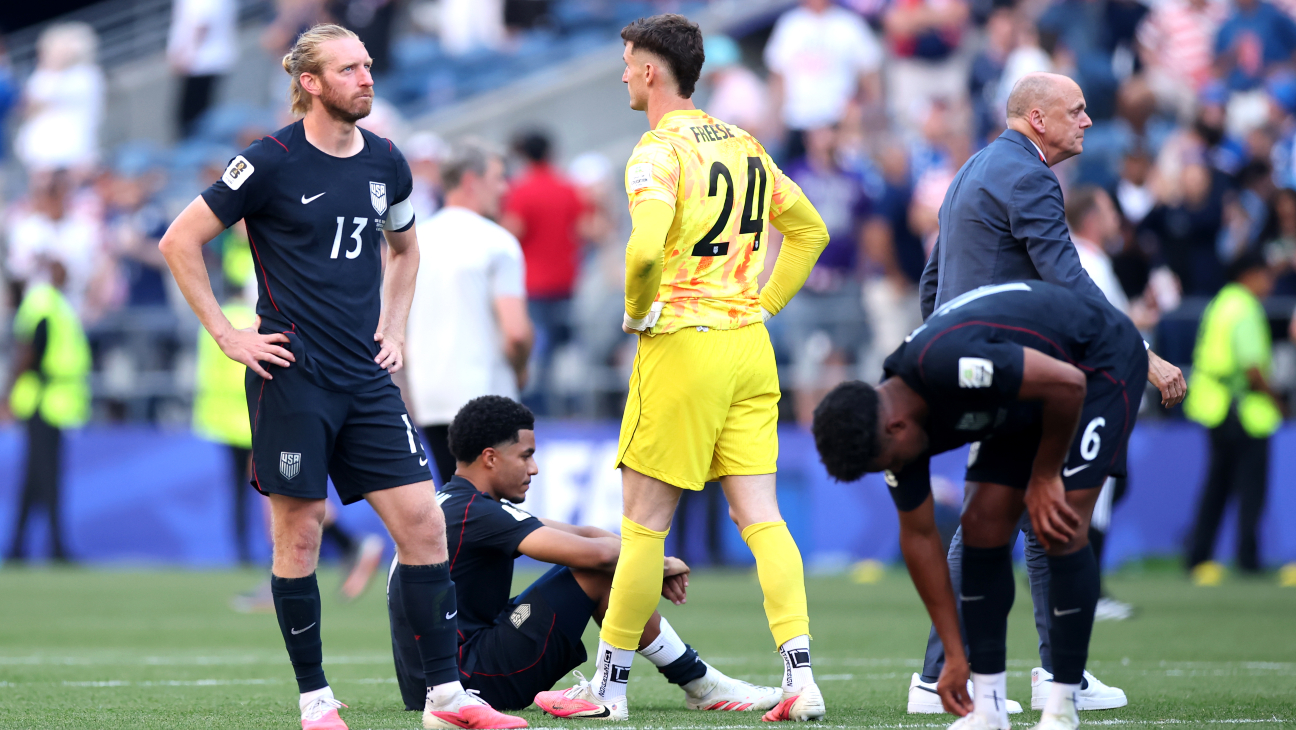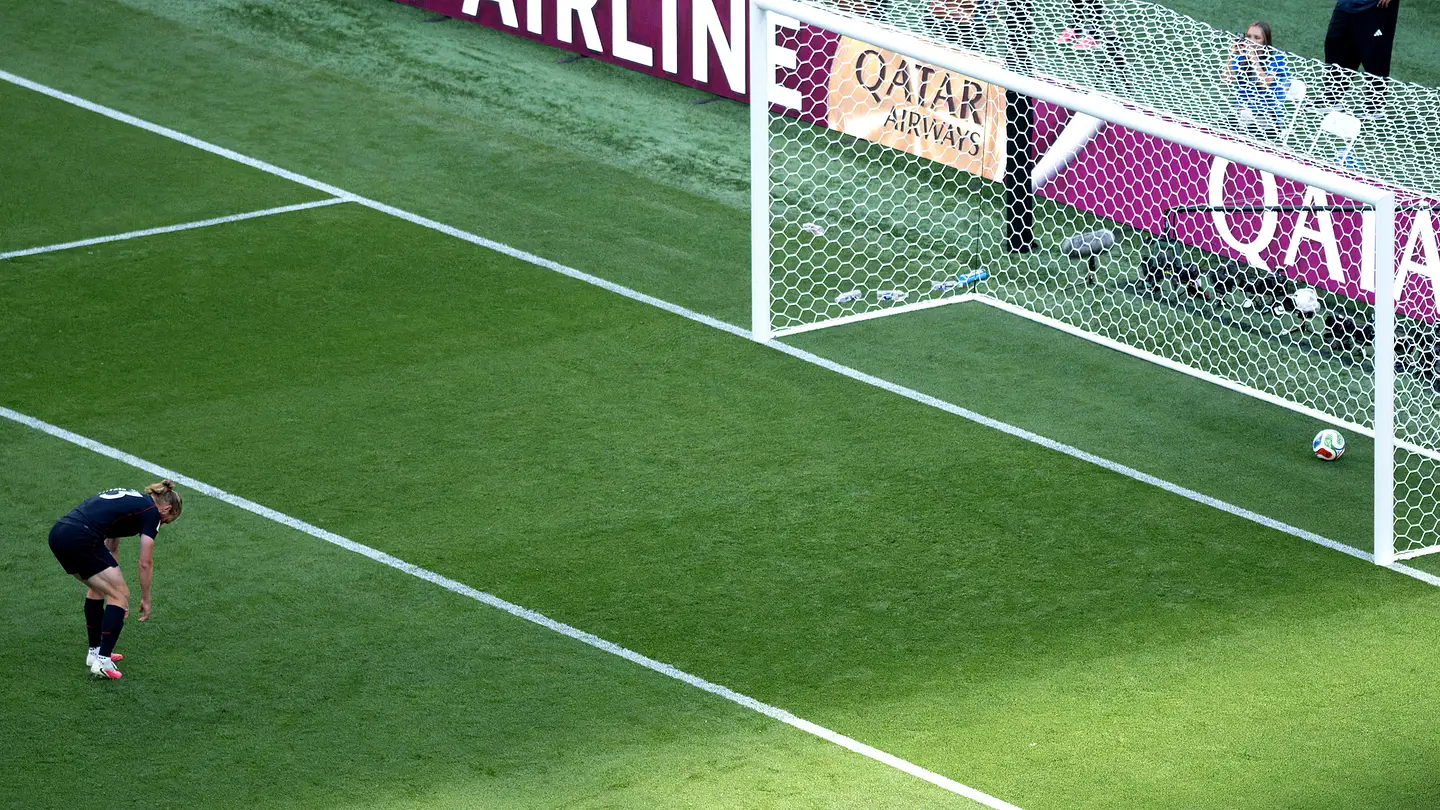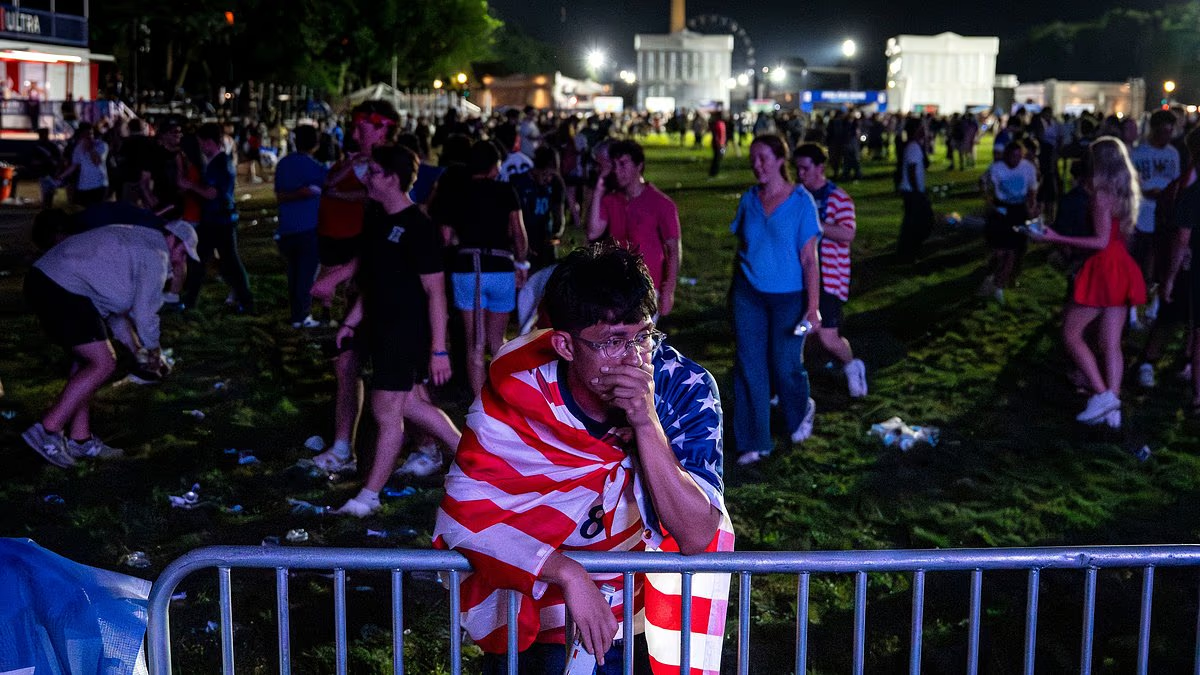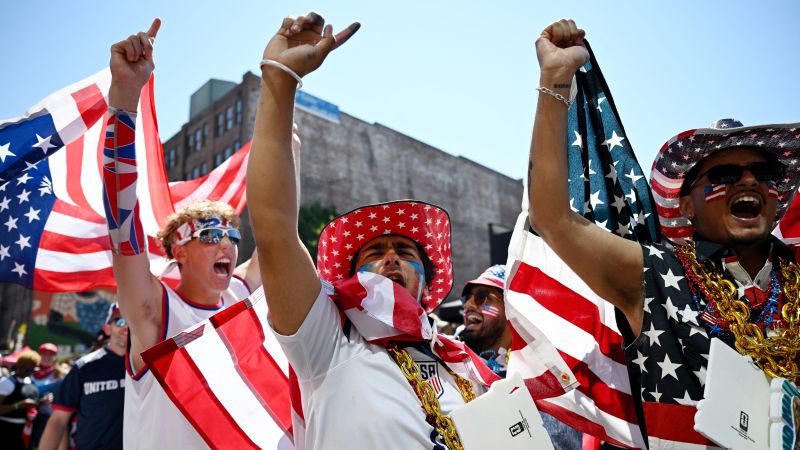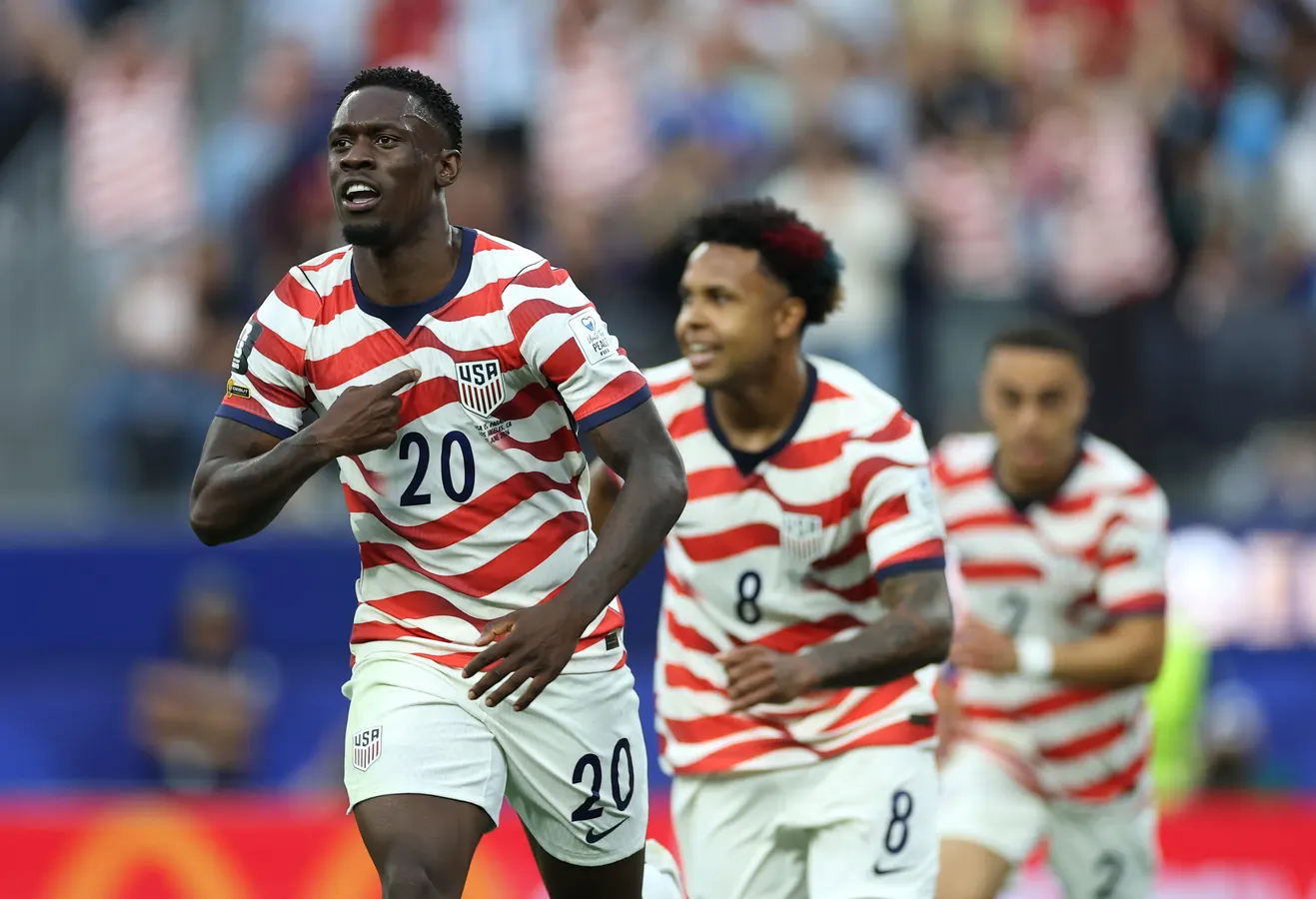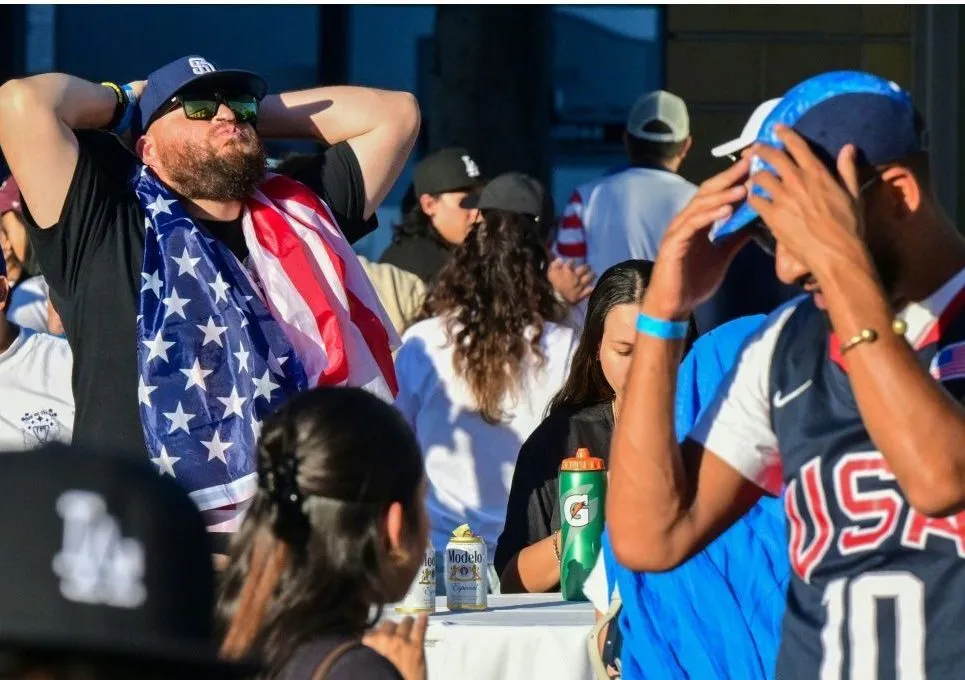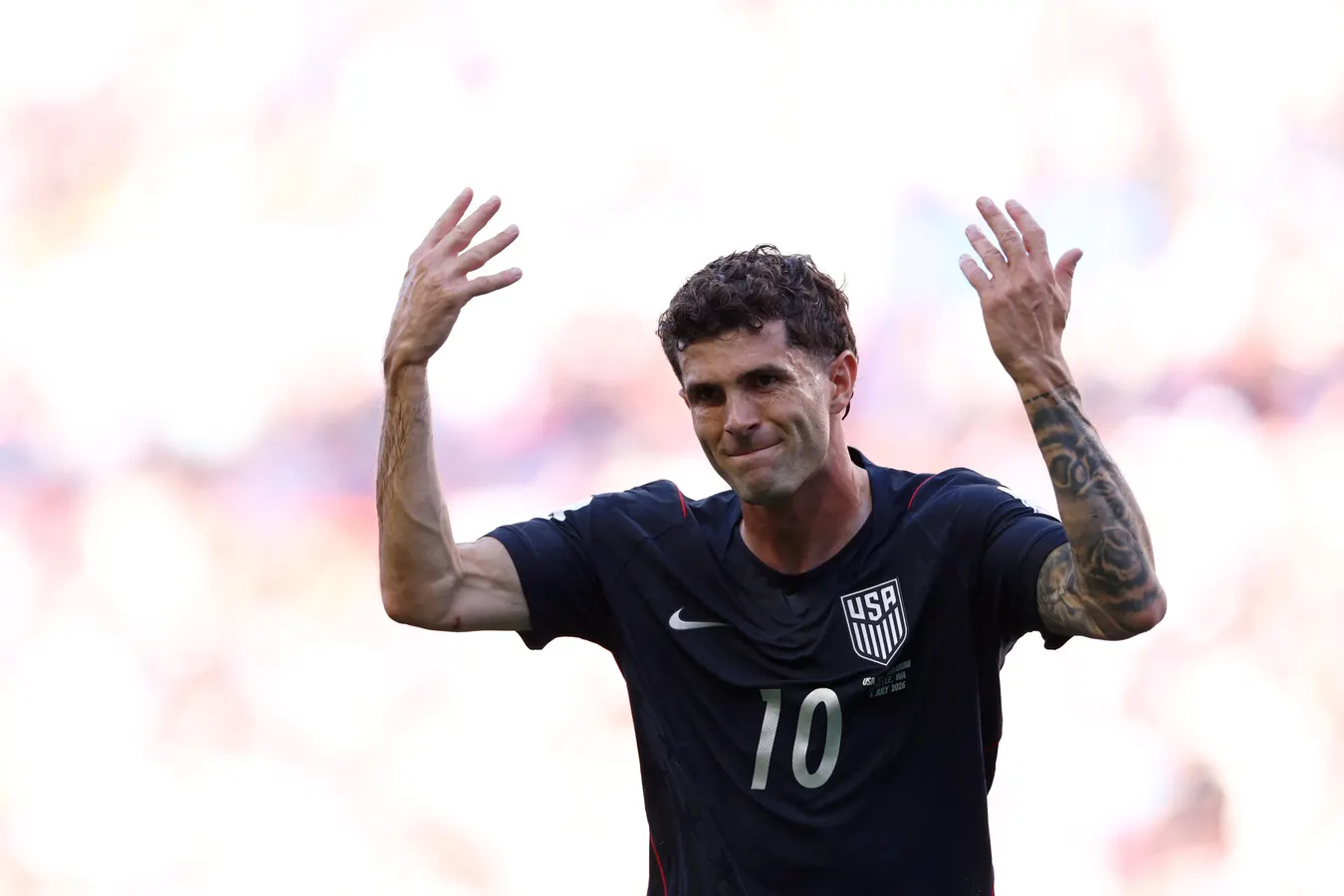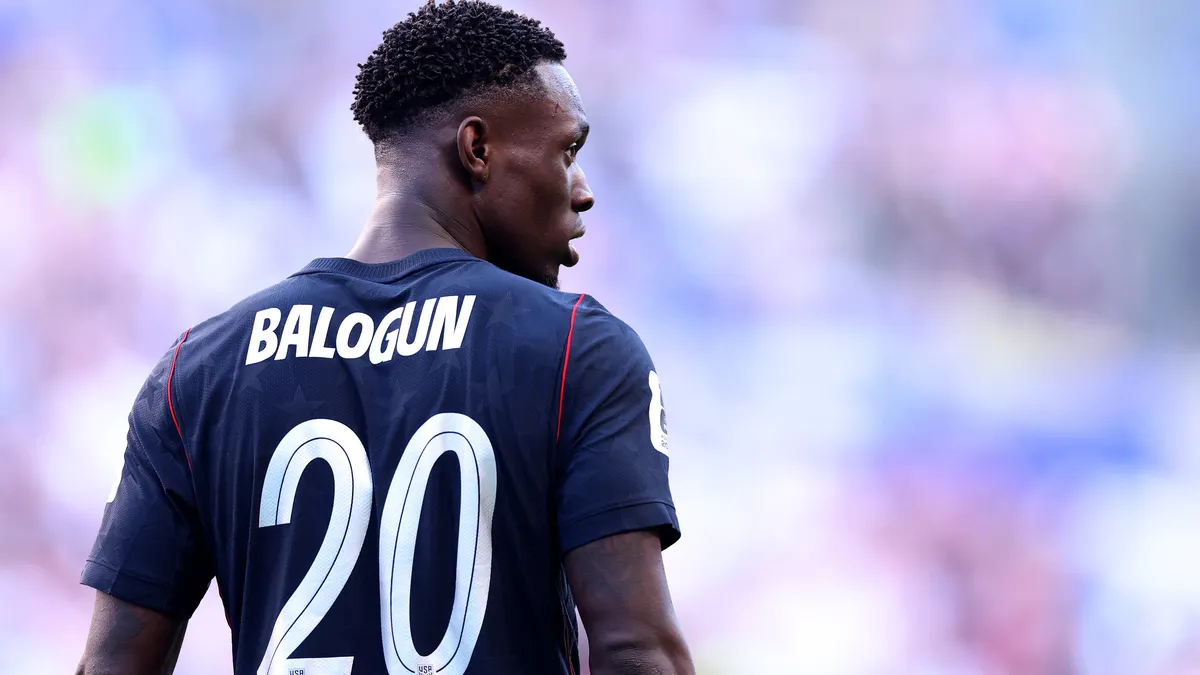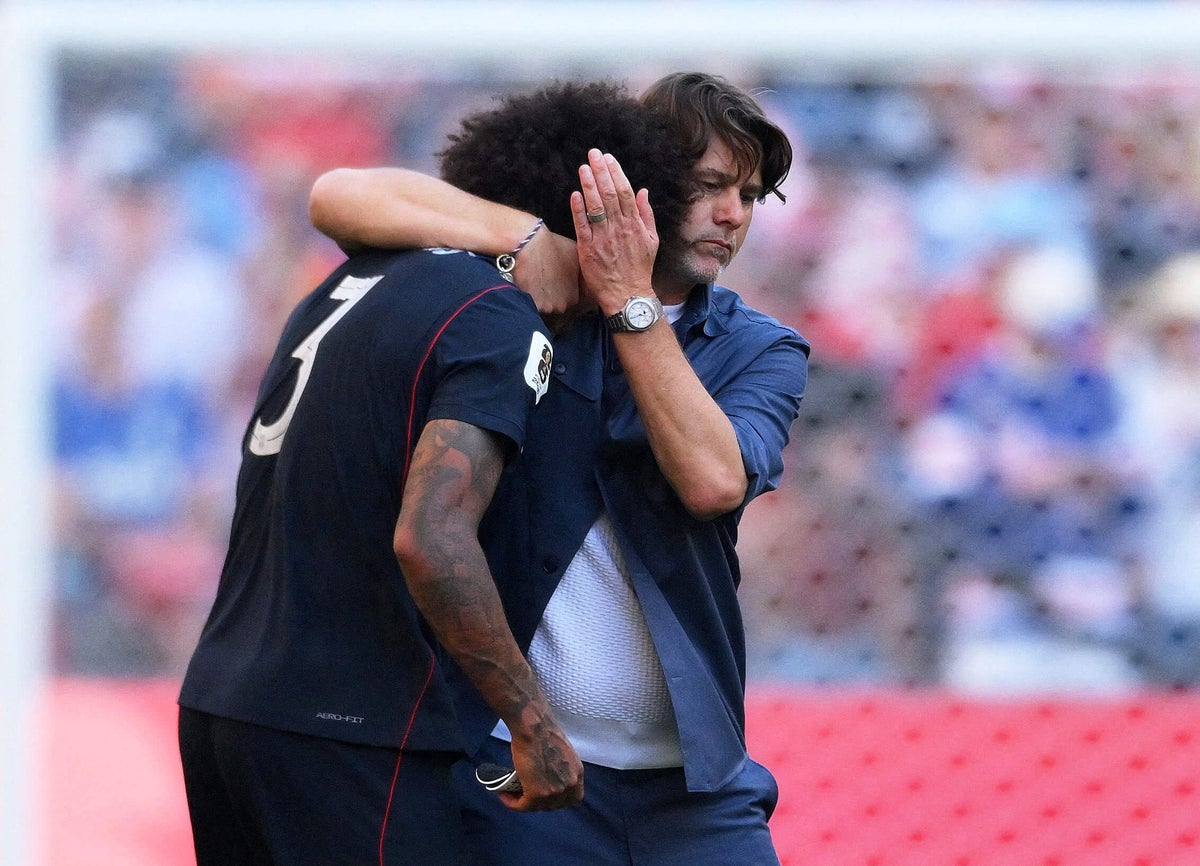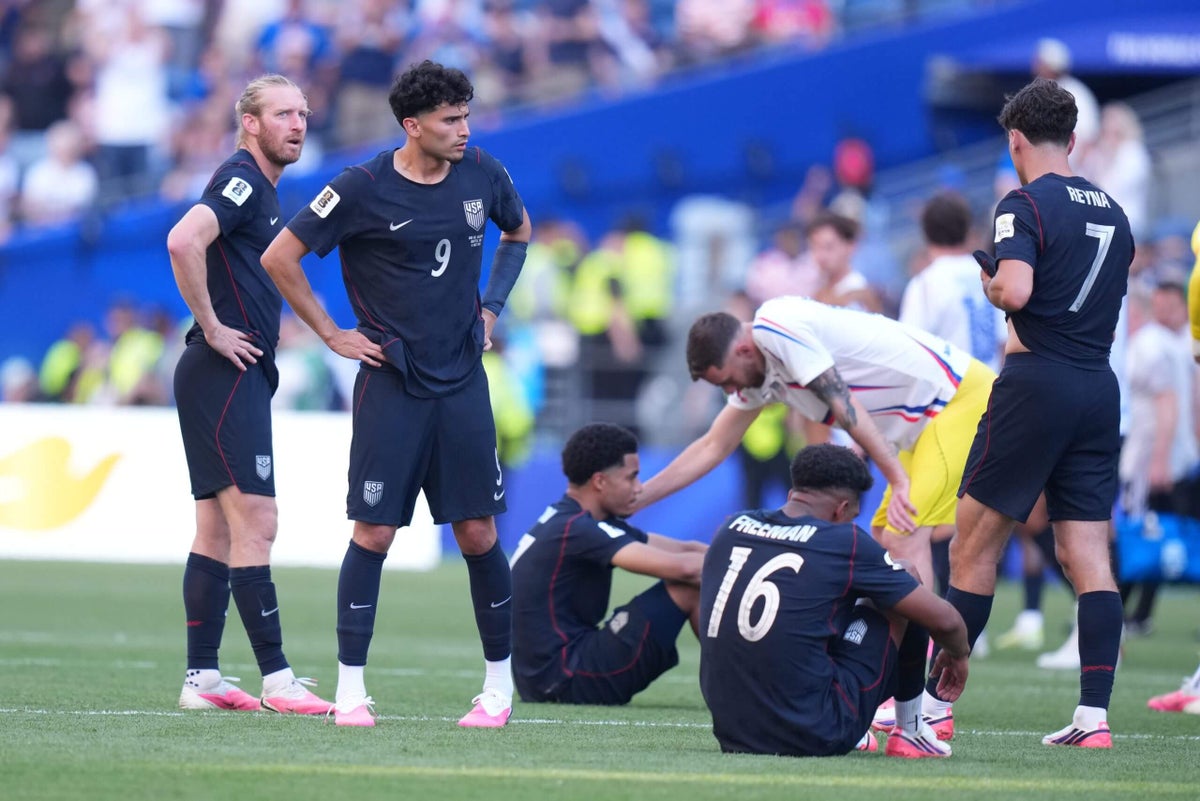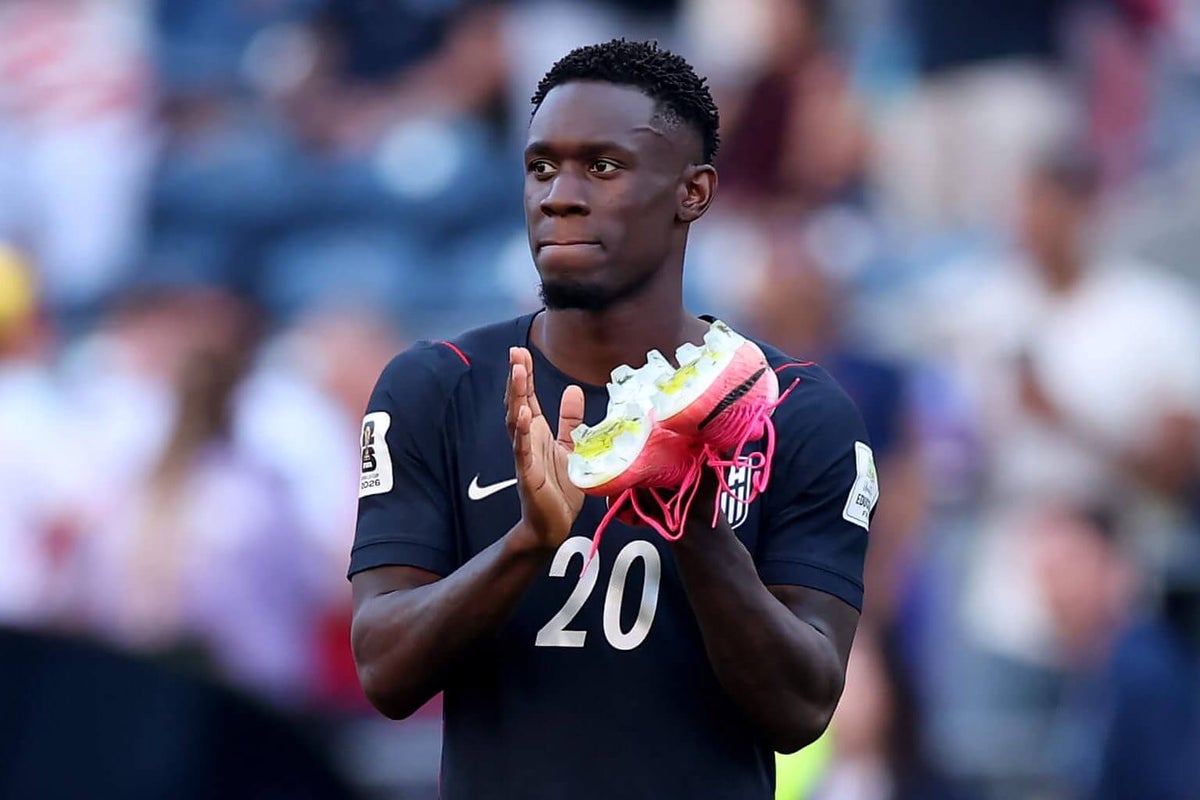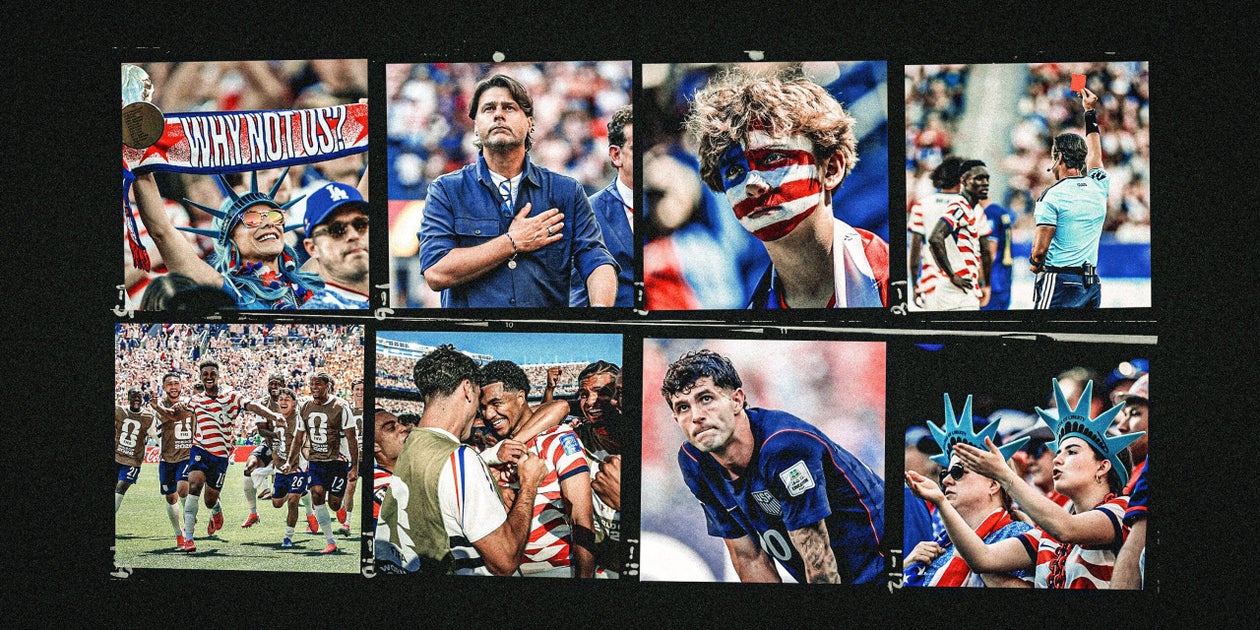
SEATTLE — They collapsed or wandered around the turf at Lumen Field equal parts exhausted and stunned.On a Monday night that began with so much hope and hype, with history waiting to be made, suddenly, painfully, their World Cup was over.Players who just last month walked around this same field singing “Country Roads,” absorbing an atmosphere they never could have dreamed because it never previously existed, now sank their foreheads into grass. Some cried. Some tried to blink their way out of the nightmare that was a 4-1 loss to Belgium, or stare past a set of piercing, perplexing questions.How, after so much glee over the past month, had it suddenly turned so sour? How, after so much dynamic soccer, could each thought seem so slow and each touch look so sloppy?U.S. players entered Monday’s round-of-16 match with confidence, so much confidence that the prospect of a World Cup exit on the banks of the Elliott Bay barely registered.“We all had in our minds that we were definitely gonna be heading back to L.A. tomorrow (for a quarterfinal),” midfielder Gio Reyna said.Instead, they rode a bus back to their team hotel, and over the 24 hours that followed, they said emotional goodbyes. They shared a last night of drinks and debriefing at the team hotel; sent farewell messages in their WhatsApp group; then trudged through Seattle-Tacoma International Airport and went their separate ways.They were devastated, then disappointed, then reflective. Eventually, they’ll fondly recall their summer in a bubble at the heart of a nationwide party. They’ll treasure the singalongs, the intimate locker-room moments, the idyllic afternoons on Salt Creek Beach. They’ll remember how they flew around fields, and inspired young kids, and captured the imagination of their country. Their star, Folarin Balogun, would frequently wonder aloud: “Is this real life?”All of which is why the end was so deflating.To those on the inside, the U.S. run at the 2026 World Cup was every bit as magical as it seemed — until, abruptly, it was the polar opposite.Chris Richards, Folarin Balogun and Christian Pulisic walk off the field after the USMNT’s elimination from the World Cup (Ted S. Warren / AP Photo)Pre-World Cup culture shockThe story of this run, in many ways, begins back in 2024 when head coach Mauricio Pochettino arrived to find a culture that shocked him.“The situation was worse than we really believed,” Pochettino said last month. Ahead of their first training camp in Austin, Texas, that October, he and his staff expected to meet players who “would be so desperate to help (and) come to the national team.” Instead, “we received a big punch,” he recalled. They felt they were the only ones excited for the World Cup to start.Christian Pulisic, the team’s star, left that camp early to return to AC Milan, a decision that was described as “load management” and roundly criticized by U.S. national team veterans, including Tim Howard and Alexi Lalas. Pochettino went along with Pulisic’s plan publicly, but it was symptomatic of dynamics that had to be fixed. He encountered players who had too much power, who dictated time off, and who sometimes used it for golf outings or meals with friends.Pochettino felt he had to strip away that power. The teardown was, at times, tumultuous. A March 2025 window, which culminated with losses to Panama and Canada, “was painful,” he’d later say. “But it was necessary … for the players to realize that (doing things) this way, it is impossible to arrive in a good condition for the World Cup.”Some of the friction spilled into public view when Pulisic and Pochettino gave dueling accounts of Pulisic’s decision to skip the 2025 Concacaf Gold Cup. But at that regional tournament last summer, most or all players present bought in. Others did throughout the fall. By the spring of 2026, relationships had improved. And in late May, as players and staff settled at their boutique hotel in Fayetteville, Ga., and shared their first meals of the World Cup journey, and savored the world-class amenities at U.S. Soccer’s new national training center, connections began to strengthen.Players who’d been friends for years, such as Pulisic, Tyler Adams and Weston McKennie, enjoyed quiet moments in the relative anonymity of Trilith’s one-block, master-planned downtown. They took selfies with the occasional fan, but also popped into coffee shops together before the four-minute bus ride to training. And friendships seemed to spread throughout the group of 26 players. Cliques dissolved.They celebrated birthdays and Brenden Aaronson’s wedding together. Intense training sessions, but also casual bonding, readied them for the World Cup spotlight. Players first sensed something special when they were greeted by a marching band and hundreds of supporters outside the team hotel in Trillith. In Charlotte and Chicago, at friendlies against Senegal and Germany, they also felt jolts of energy that would sweep across America and inspire them to inspire the nation.What is the future of the USMNT?Tom BogertBy the time they arrived at their World Cup base camp in Southern California, a near-perfect storm seemed to be brewing. People on the periphery of the team would whisper: vibes are really good. On Monday, June 8, after they trained in front of 5,500 local fans at the Championship Soccer Stadium in Irvine, before they soaked up the public support by signing hundreds of autographs, Pochettino convened the players in two small groups. Sitting on pristine grass at the center of the pitch, he set the tone for their World Cup.“Now is a moment to connect with when you were a child … with this kid that dreamed,” Pochettino told the players. He wanted them to play carefree, with passion and joy uninhibited by any pressure they might be feeling. And he wanted them to “dream” just like that kid.“The objective is to touch the moon,” he said. “I want to touch the moon. I don’t want to say, ‘Oh, I want to be close to the moon.’ … No, I want to touch the moon. … And, why not? Why not us? It’s possible, it’s possible.”The message seemed to resonate with players. On opening night, some welled with emotion during the national anthem, then channeled their younger selves and played their best half of the Pochettino era en route to a 4-1 beatdown of Paraguay.“We just wanted to go out there,” McKennie said afterward, “and feel like how we felt whenever we would play pickup ball.” And with 27 million Americans watching, they did that.Chris Richards and Folarin Balogun celebrate a goal vs. Paraguay, part of the USMNT’s electric start to the World Cup (Andre Penner / AP Photo)A dream-like group stageBetween their “dreamy” group-stage games, USMNT players settled into a soothing rhythm. The morning after, they would do “regeneration” sessions at their spacious training ground at Great Park. Then, they would unwind. At their team hotel, The Ritz-Carlton Laguna Niguel in Dana Point, Calif., there were team-wide barbecues where staff, players and family members could mingle. In addition to bountiful feasts, there were Nike activations, including a program that allowed anyone to design custom-made, one-of-a-kind shirts that were printed on-site.Those get-togethers were reprieves from the major-tournament grind, and allowed players “to have as much of a normal family feeling as you possibly can during a World Cup,” captain Tim Ream said.
Inside the USMNT’s World Cup: BBQ bonding, squad’s shock over Balogun and exit ‘depression’
Insiders reveal the story of a campaign that united the nation, sparked global controversy and ended in familiar heartache
3,576 words~16 min read