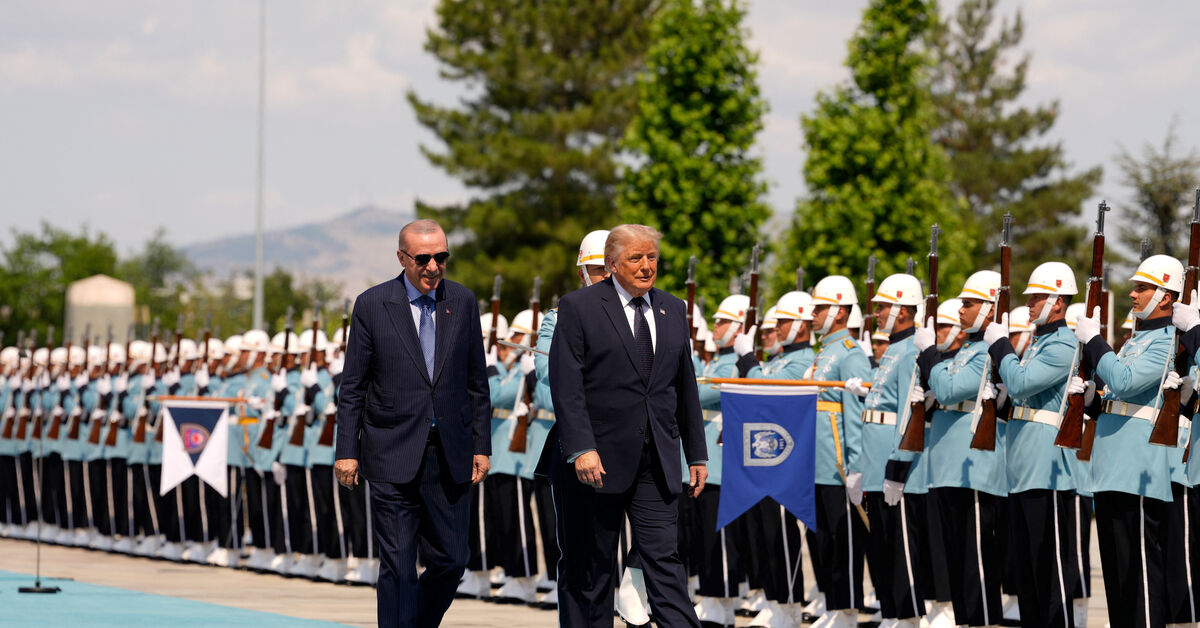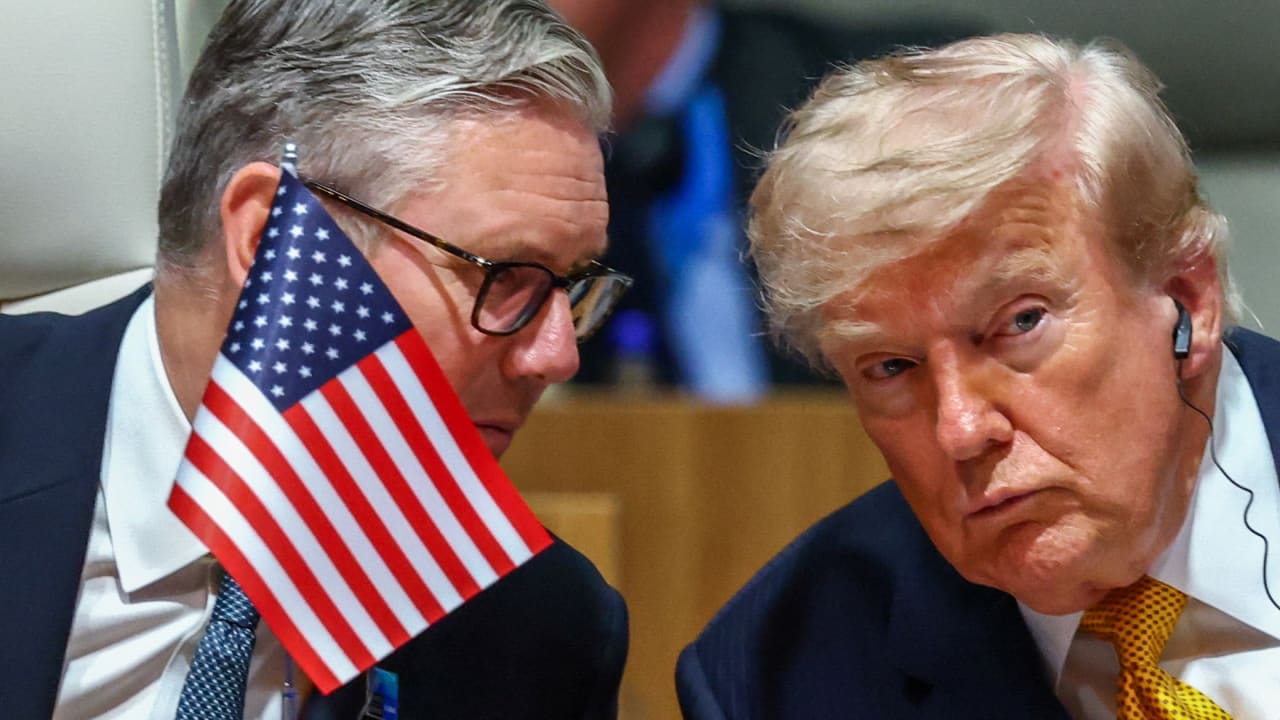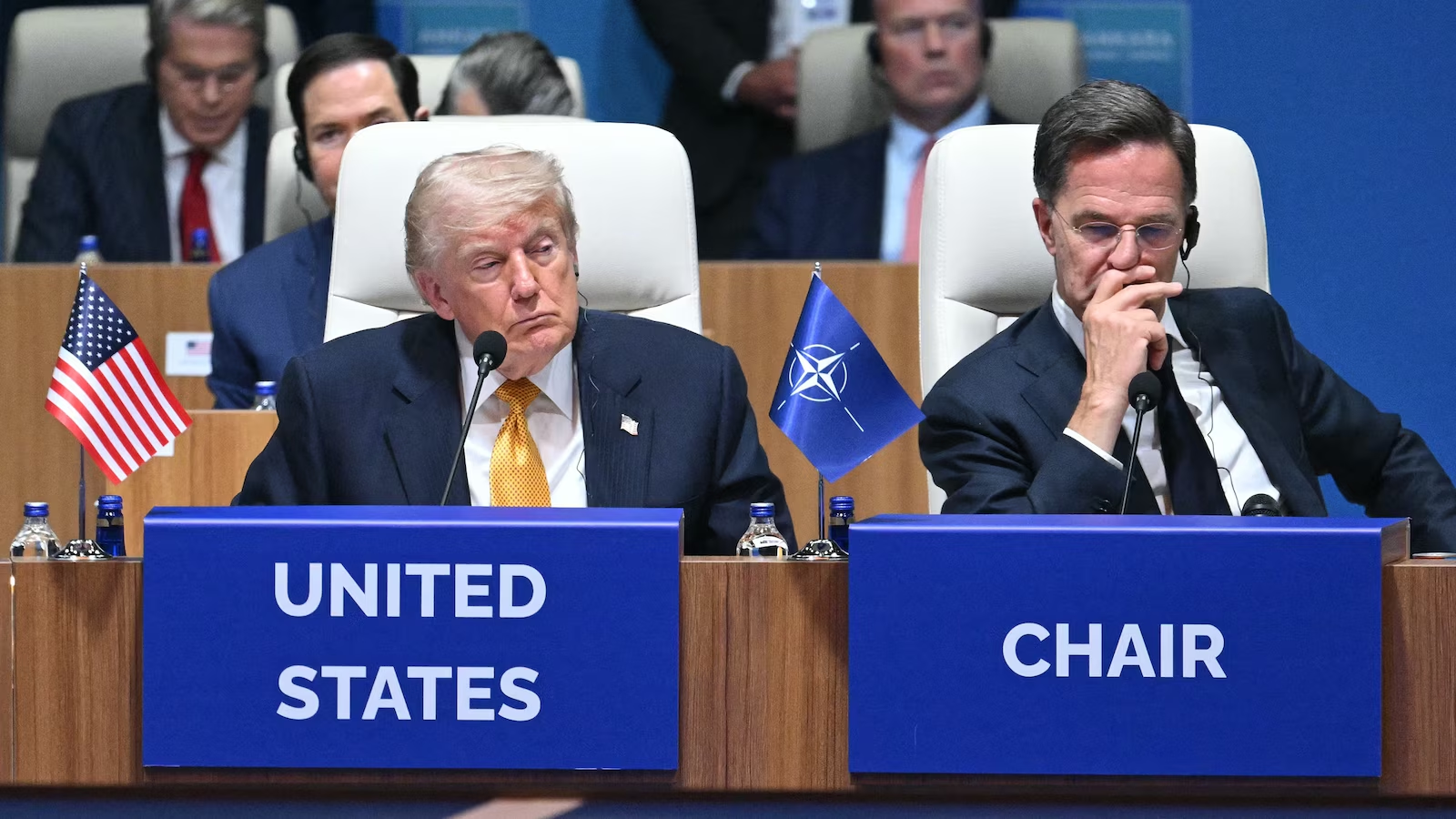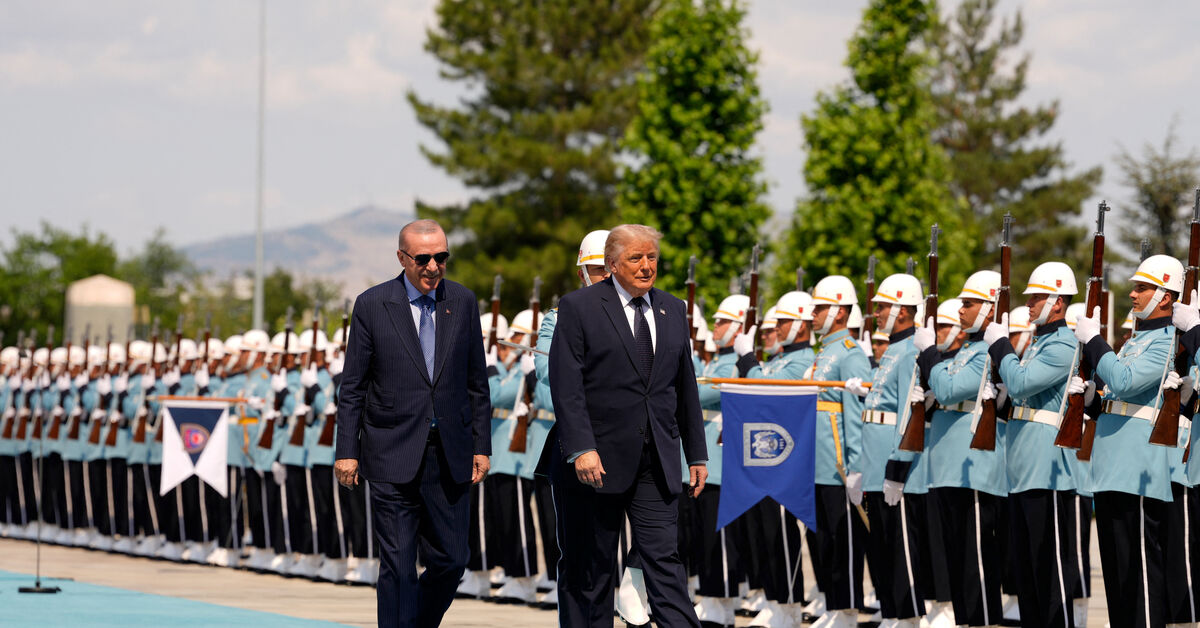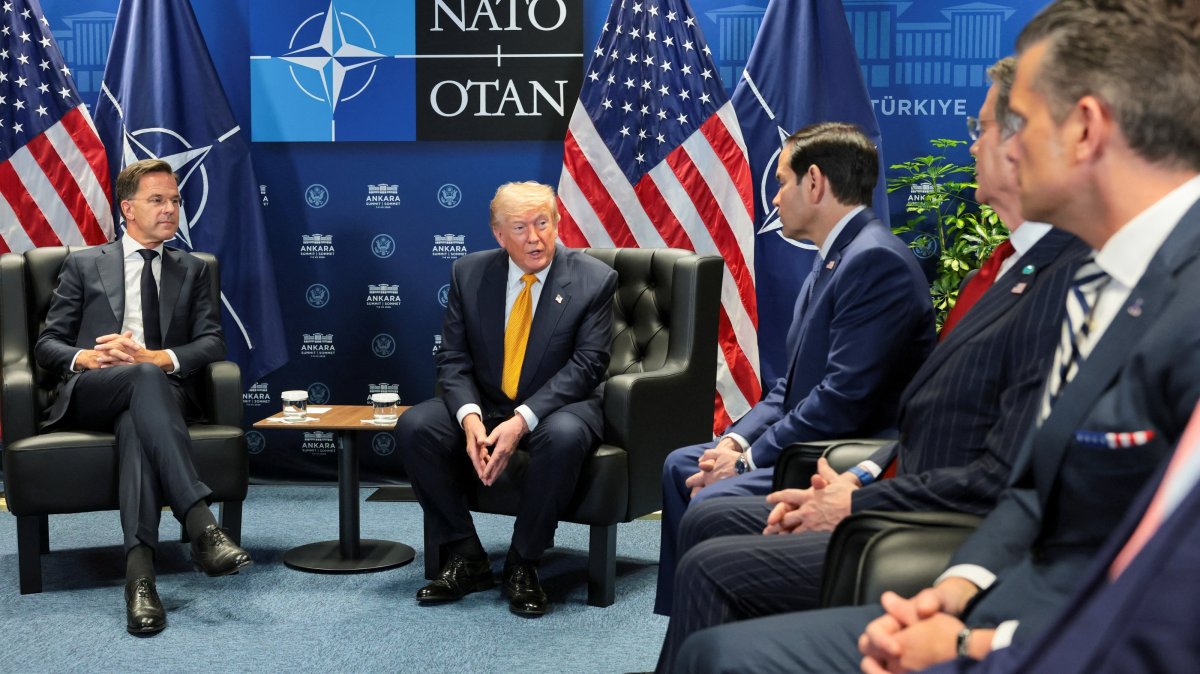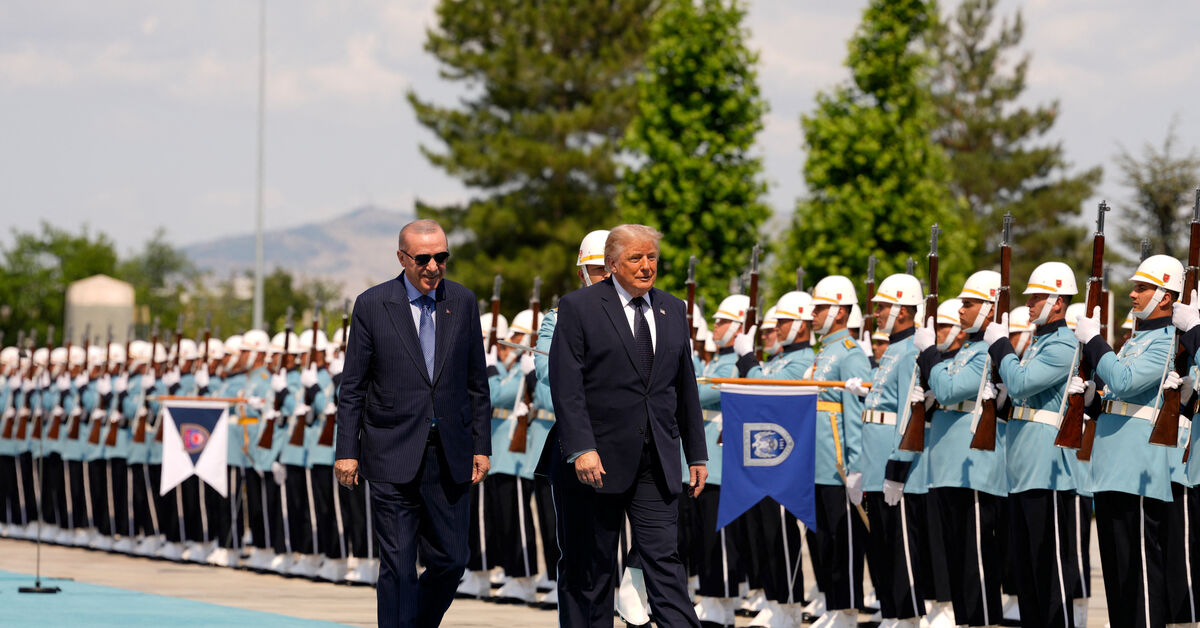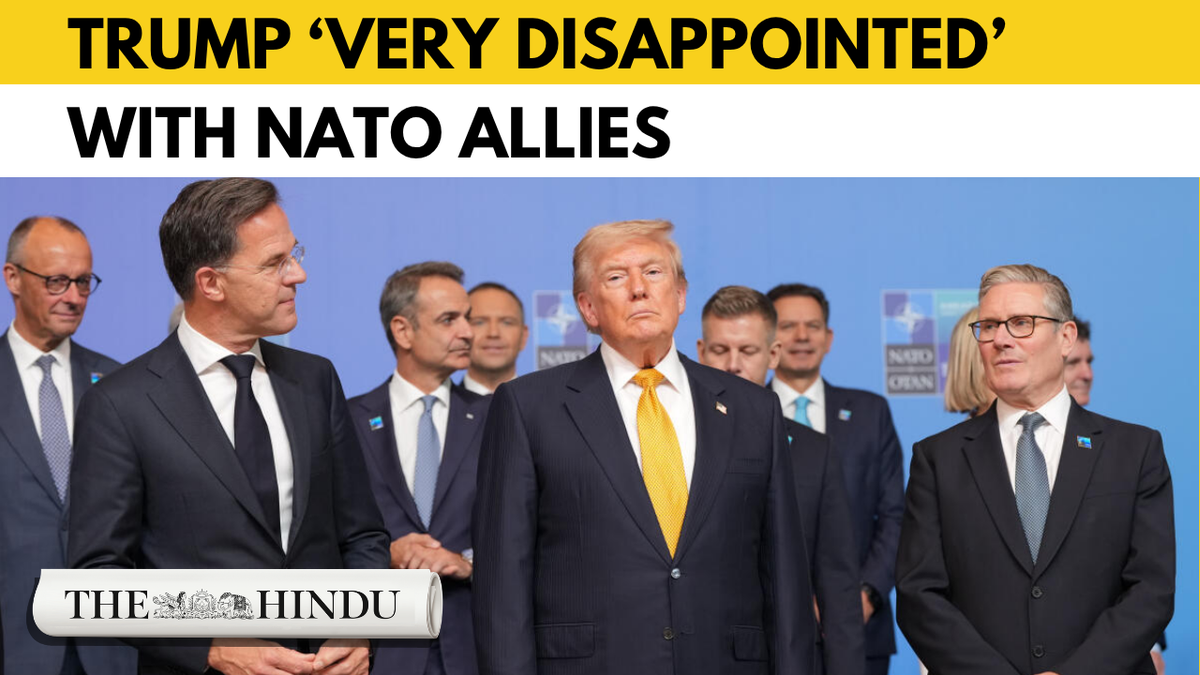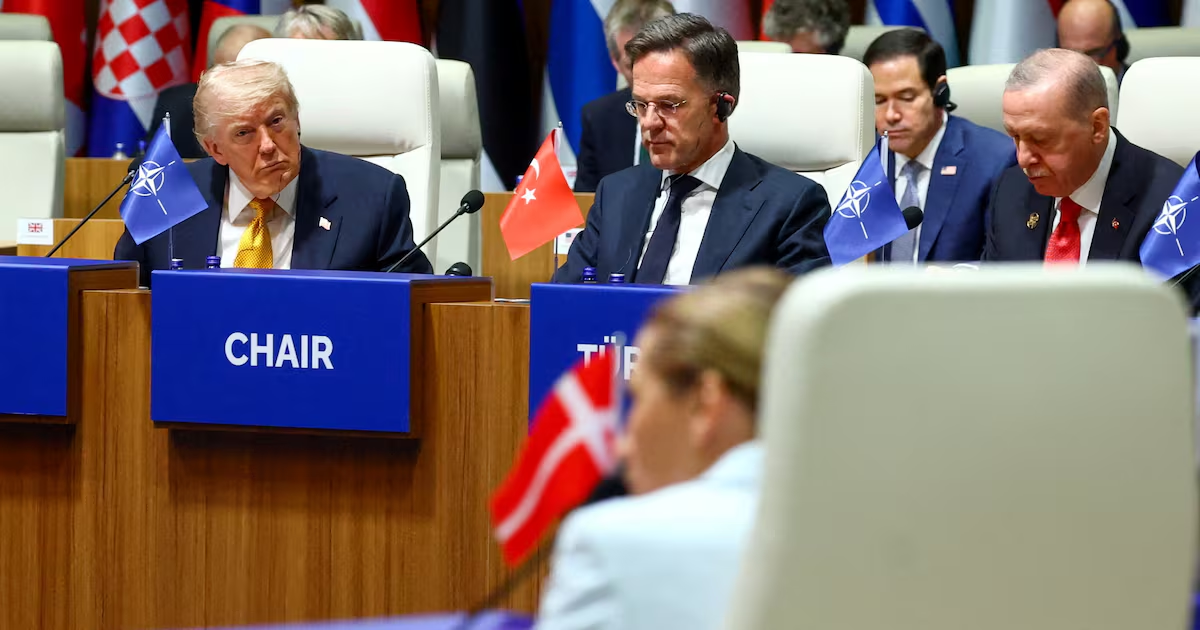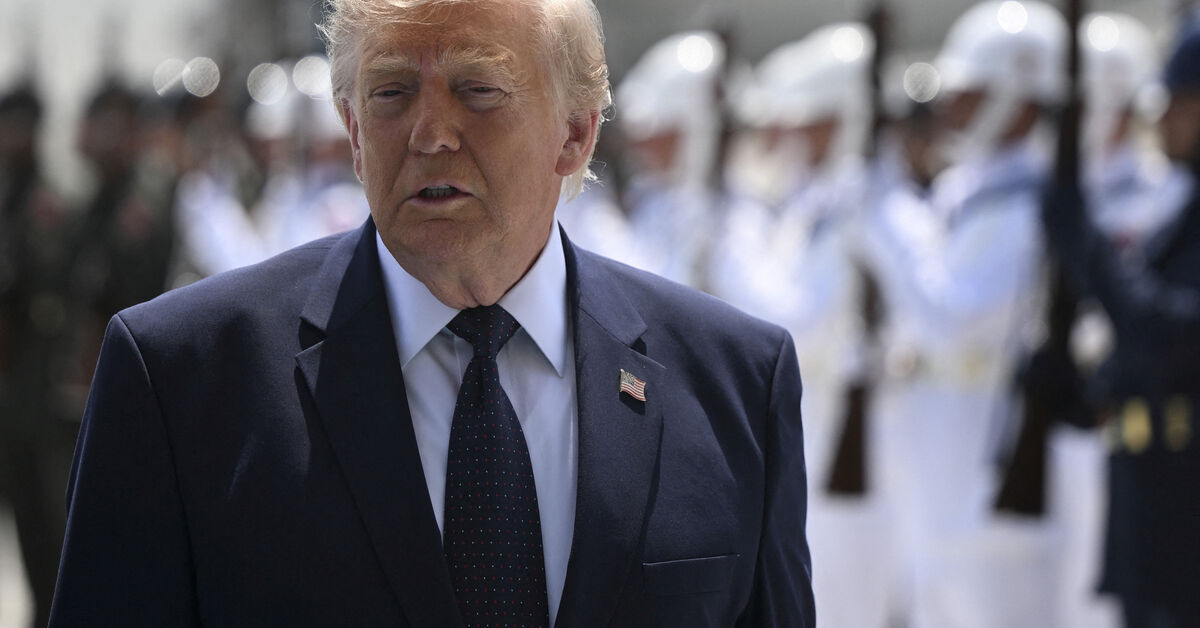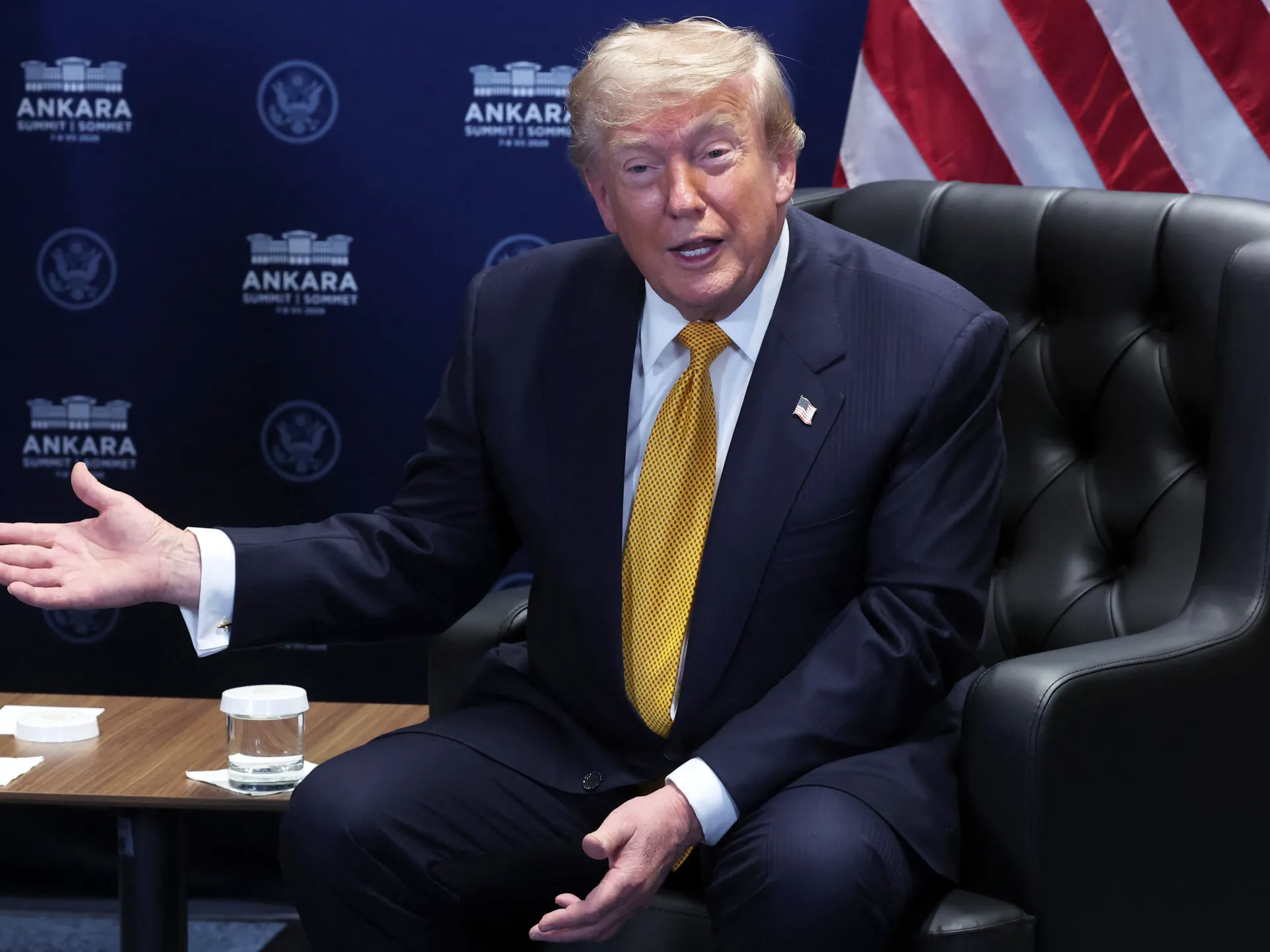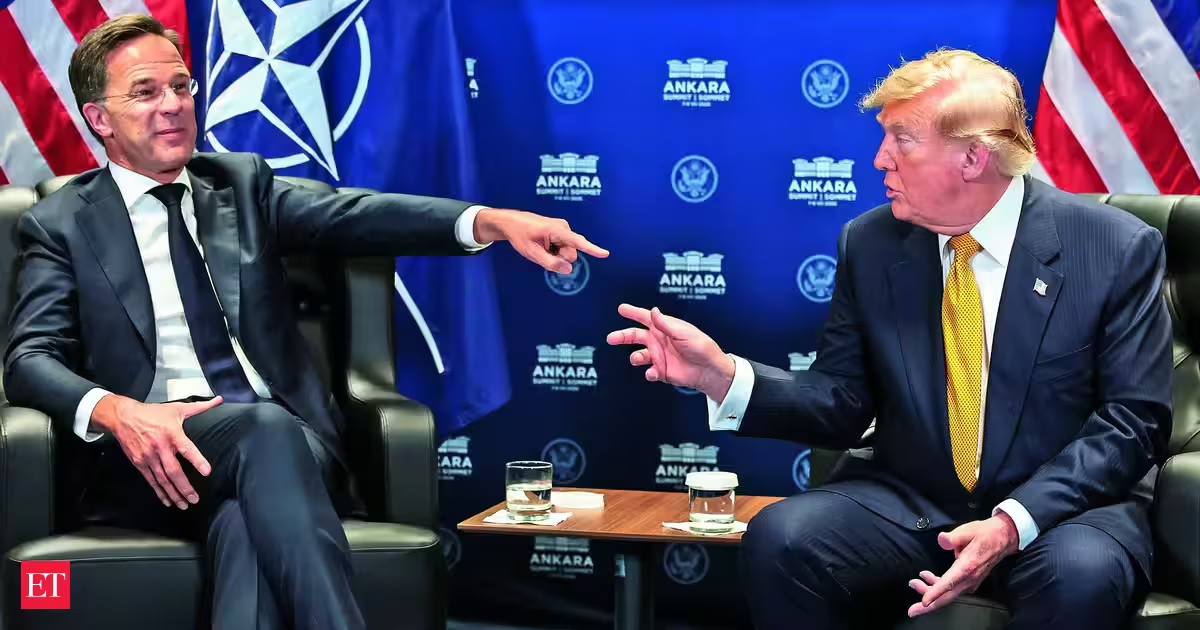
US President Donald Trump on Wednesday ordered an immediate halt to all trade with NATO ally Spain, escalating tensions over defence spending and the Iran war, despite European Union rules requiring trade negotiations to be conducted as a single bloc. During a NATO summit in Ankara, which European leaders had hoped would cap rifts within the military alliance, Trump instead reignited the dispute with Spain, calling it a "terrible partner".He also irked another NATO ally Denmark by reiterating that his country should control Greenland. Denmark promised to defend every inch of its territory. This marked the second time Trump has instructed Treasury Secretary Scott Bessent to halt commerce with Spain over its refusal to commit to NATO's new defence spending target of 5% of GDP.Spain's Prime Minister Pedro Sanchez, however, viewed Trump's statements as "business as usual". His office said Spain does not intend to change the "excellent" relations it enjoyed with Washington.On Iran DealRegarding the truce with Iran, Trump said he thinks it's over. "I don't want to deal with them," Trump said when asked whether the interim accord with Iran that envisaged hammering out a long-term peace deal by mid-August was over. "They're scum. They're sick people. They're led by sick people."Rutte defended the new US strikes on Iran and played down Trump's disappointment with allies over the war. "I think what you did last night was absolutely necessary. It was a very strong response," Rutte told Trump.Ending on Positive NoteLater on, Trump offered NATO allies an unexpected warm embrace as they wrapped up a key meeting. "It was a great meeting, there was a lot of love in that room, a lot of unity," Trump said after the closed-door meeting of 32 heads of state.Behind closed doors, Trump had reassured them he wanted the US to stay in the alliance, a source inside the session told AFP.And that was reflected in the final declaration in which NATO leaders reaffirmed their "ironclad commitment" to the mutual assistance clause enshrined in Article 5 of the alliance treaty. "An attack on one is an attack on all," it said, in wording that sought to ease concerns about Washington's commitment to the alliance. Agencies
NATO Diary: Trump red-cards Spain, claims Greenland again
President Trump ordered an immediate halt to trade with NATO ally Spain. This action escalated tensions over defense spending and the Iran war. He also irked Denmark by reiterating his stance on Greenland's control. Trump later offered NATO allies a warm embrace, expressing unity and commitment. Leaders reaffirmed their mutual assistance clause, easing alliance concerns.
363 words~2 min read