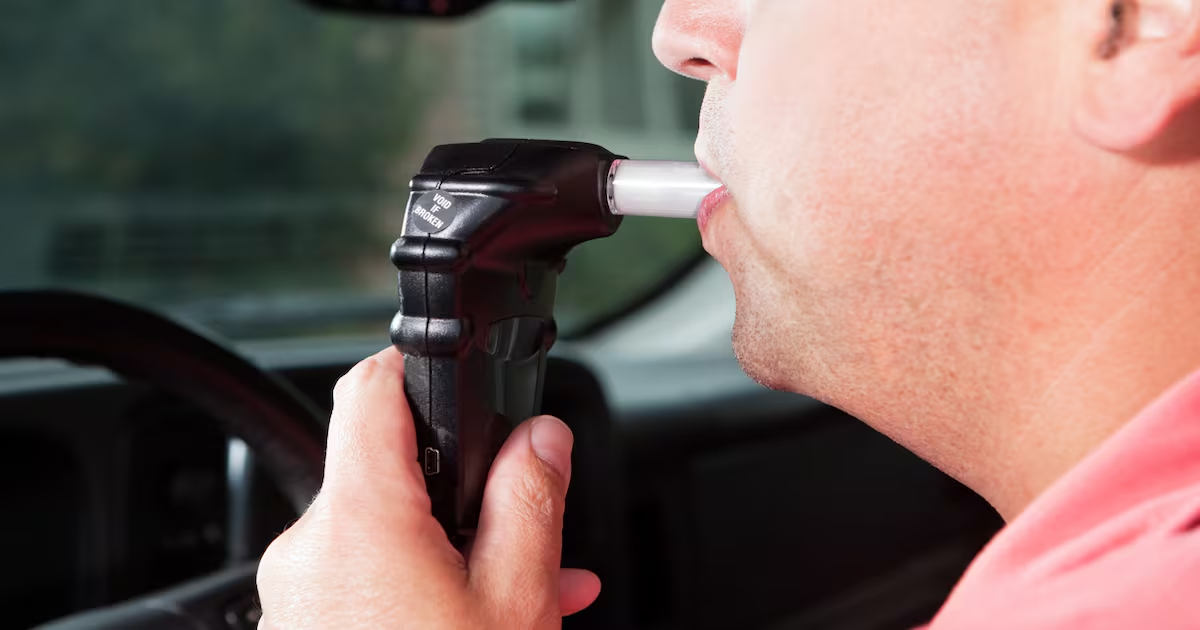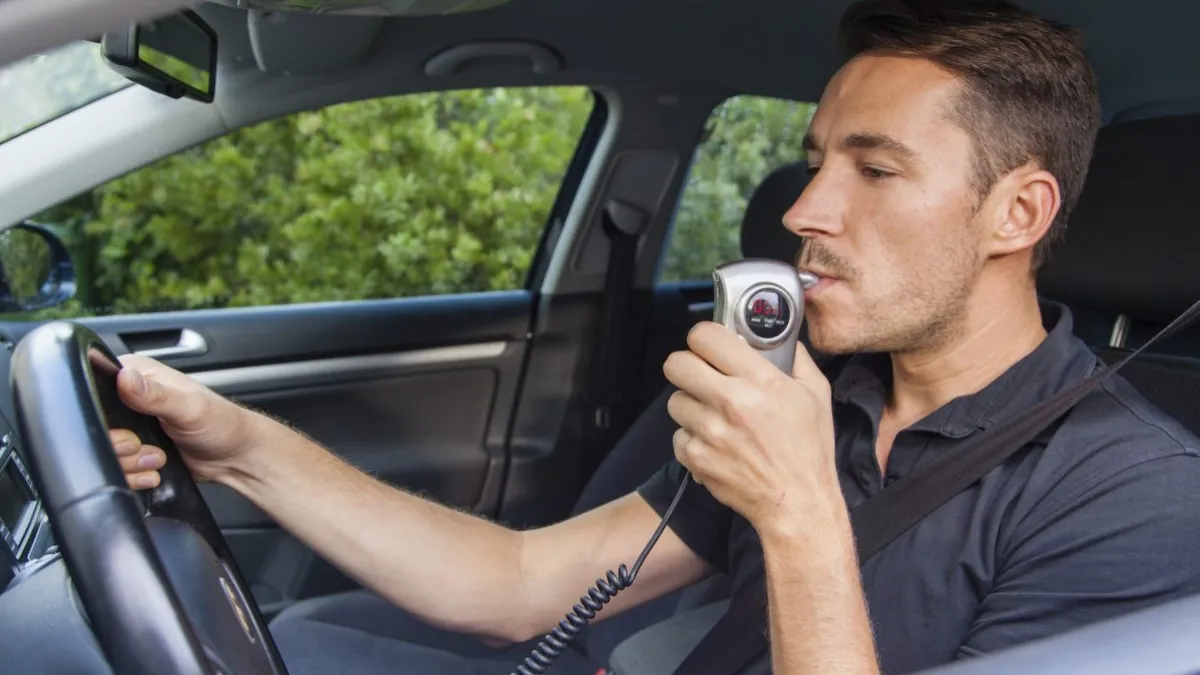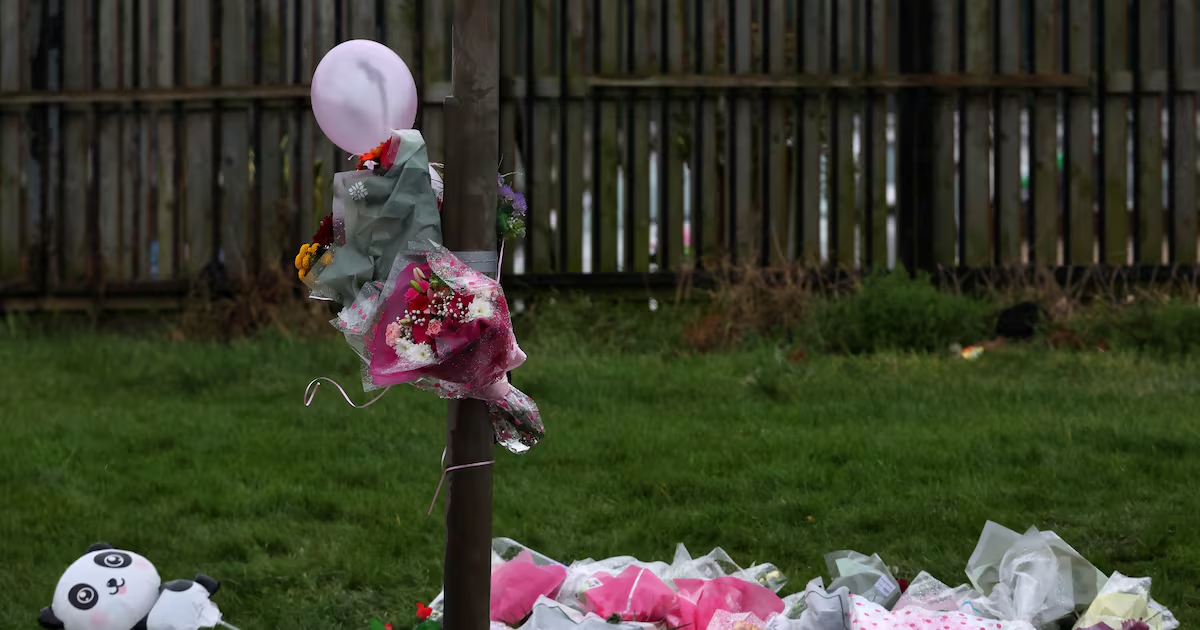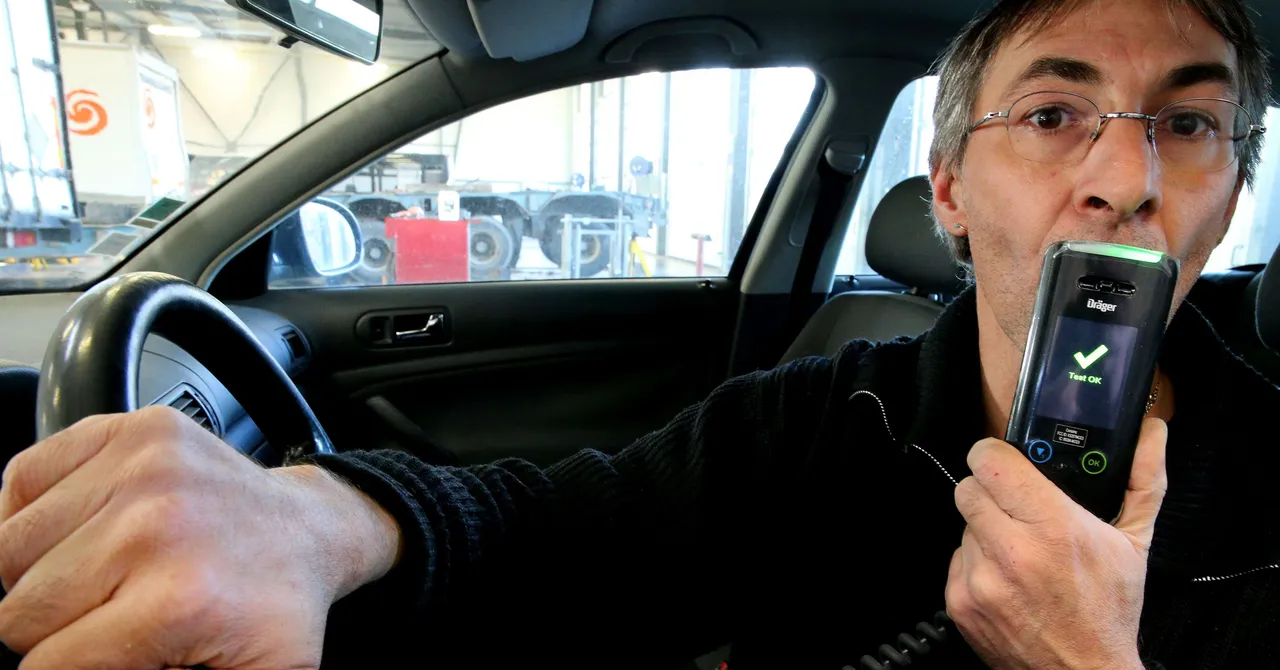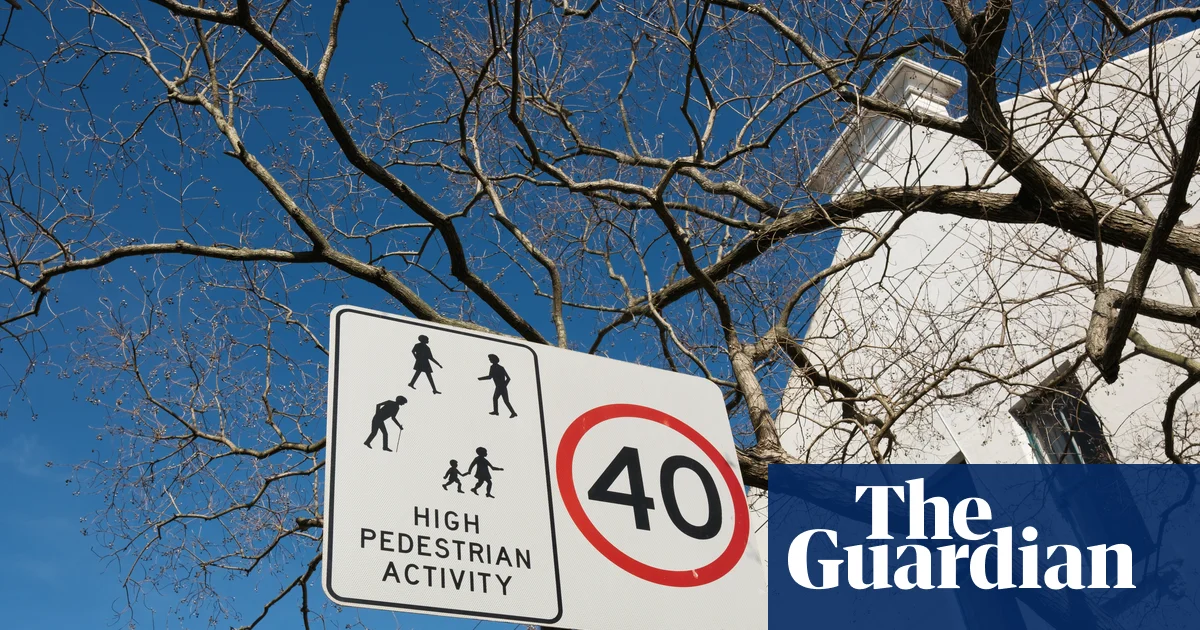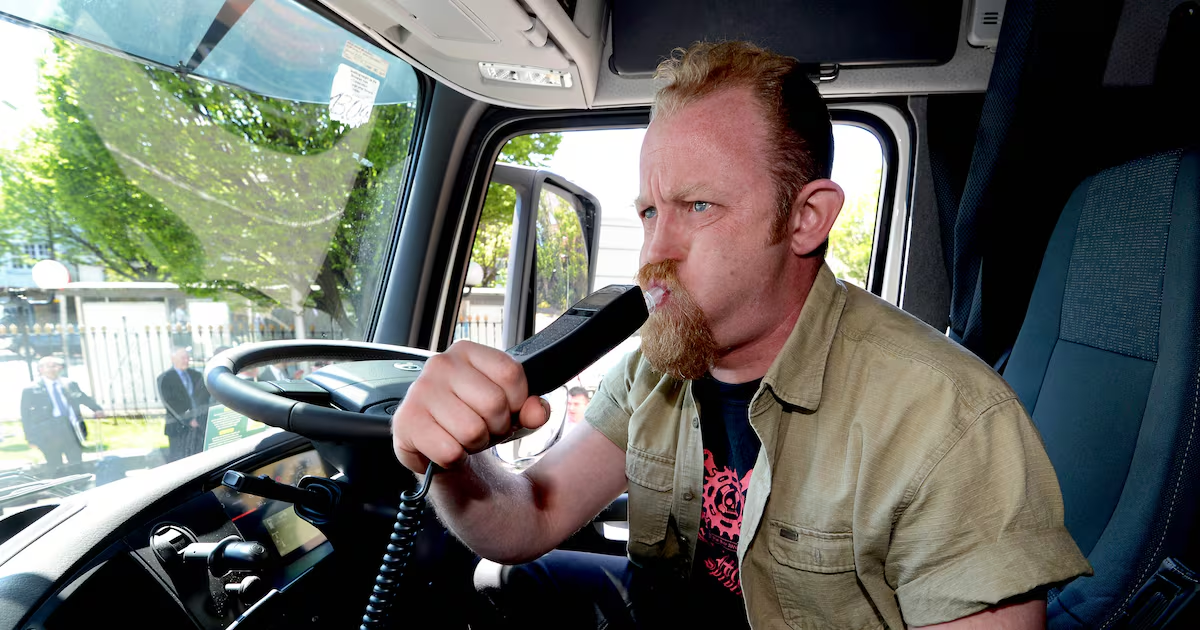
The Road Safety Authority (RSA) has backed the roll-out of inbuilt breathalysers in cars that would stop anyone over the drink-driving limit from being able to start their car.Michael Rowland, director of research at the RSA, told the Oireachtas transport committee on Wednesday the State agency has shared a report on the devices – called alcohol ignition interlocks – with the Department of Transport.“We would have a view and strongly recommend the use and utilisation of alcohol interlocks,” he said. The Medical Bureau of Road Safety previously told the committee the devices should be mandatory for repeat drink-driving offenders.Rowland also said the RSA does not support a decision by the department to leave the setting of speed limits in urban areas – including outside schools and in housing estates – to local authorities rather than introducing national legislation.The department decided against setting a blanket 30km/h speed limit for urban areas last year. Instead, each local authority will have until March to update their own local speed limits, including the option to set a 30km/h limit.However, RSA interim chief executive Alison Coleman said the evidence “is there” that a 30km/h speed limit in urban areas “does work” in reducing road deaths.The agency also raised concerns about a drop in road policing. Rowland said there were currently about 641 roads policing gardaí, which is down from more than 1,000 a number of years ago.Five people died on Irish roads over the weekend, including four motorcyclists, while a man in his 60s died in a crash in Co Waterford on Tuesday.Road deaths this year are currently more than 10 per cent higher than in the same period last year, while there has been a 30 per cent increase in road deaths in Ireland over the past four years.[ Irish road deaths on the rise while most of Europe sees declineOpens in new window ]The Government has committed to reducing the total number of road deaths in Ireland by 50 per cent between 2021 and 2030, but questions were raised at the committee over whether the plan included projected population growth when targets were set.The RSA said demographic changes – including more driving licences and more people driving longer distances – were increasing the risk of serious and fatal road incidents.“I suppose it is unprecedented – the migration and the figures that have hit us in the last number of years,” Coleman said. She added the national strategy “wouldn’t have been nuanced for each population”.Meanwhile, the Injuries Resolution Board (IRB), the State body that handles personal injury claims, said there was a 27 per cent annual increase in claims for fatal road traffic incidents last year.According to its annual report, 76 fatal claim applications were submitted in relation to road traffic incidents. “This represents a 27 per cent increase from 2024 and a 52 per cent increase from 2022, continuing an upward trend observed over the past four years,” the report said.The highest award paid out by the IRB in 2025 was €908,000, which it said related to “a serious road traffic incident involving a vulnerable road user”.
Inbuilt breathalysers in cars get Road Safety Authority backing as road deaths rise
Targets to reduce road deaths hampered by population growth and boom in road users, group tells transport committee
514 words~2 min read