Attila Tinic spent three decades in the telecommunications sector, but it was his most-recent role in the field—serving as chief information officer at EchoStar—that inspired his next gig as CIO at semiconductor company Qualcomm.
During Tinic’s time at EchoStar, the satellite internet provider had grand ambitions to become the U.S.’s fourth major carrier under its Dish brand, a diversification plan that didn’t exactly pan out as envisioned. Last year, Dish ditched those aspirations, and in June 2026, the subsidiary filed for bankruptcy after deals to sell spectrum licenses to AT&T and SpaceX hadn’t closed in time.
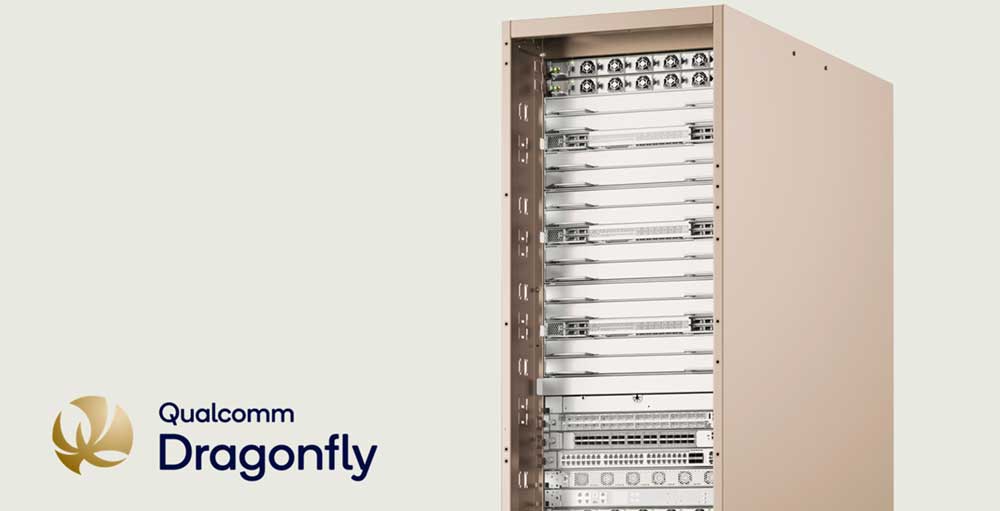
But at Qualcomm, efforts to diversify the business away from relying too much on the volatile smartphone market have been far more fruitful. Last year, Qualcomm unveiled new AI accelerator chips to better compete with Nvidia and AMD. There have also been reports that Qualcomm is working with OpenAI on a new smartphone AI chip.
And last month, Qualcomm’s shares jumped when it unveiled new fiscal 2029 revenue targets during the company’s investor day, including projections that non-handset revenue would reach $40 billion and data center sales would total $15 billion. Qualcomm’s revenue and earnings results for the first two quarters of 2026 exceeded Wall Street’s expectations, even as the global smartphone market is expected to contract at the steepest rate on record.