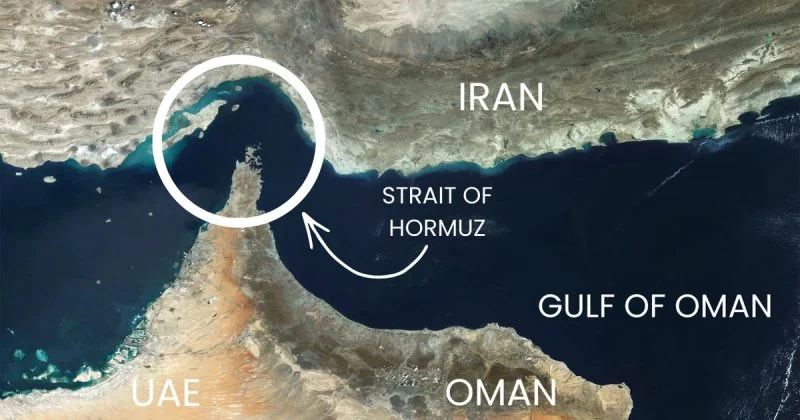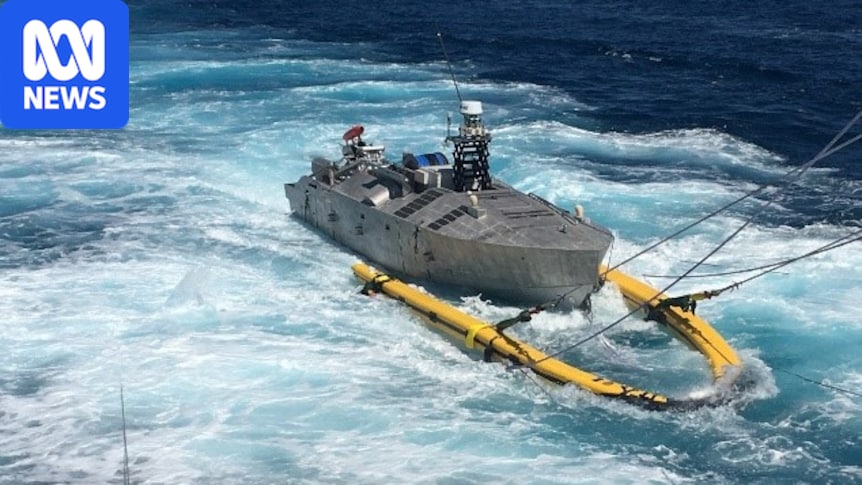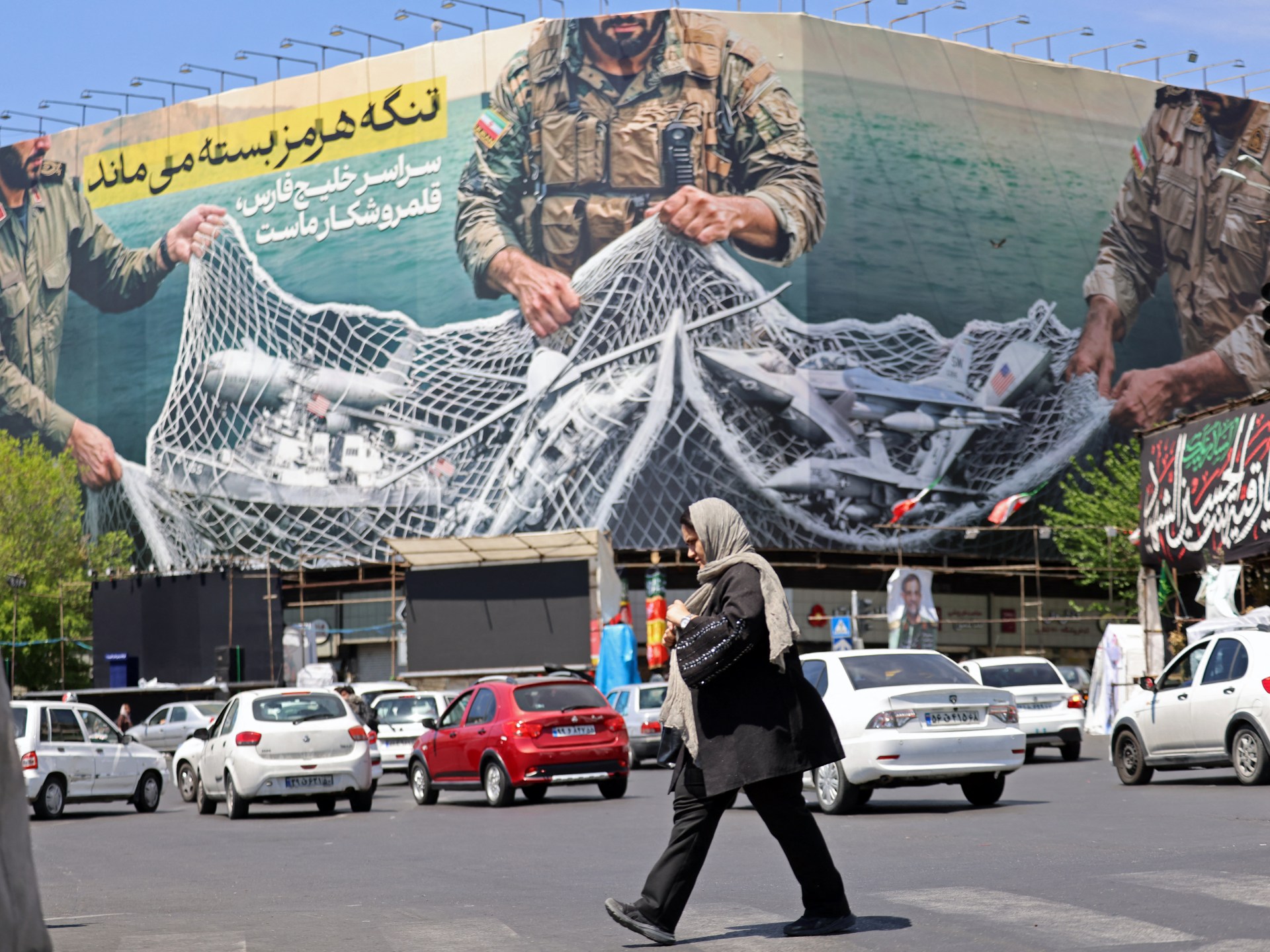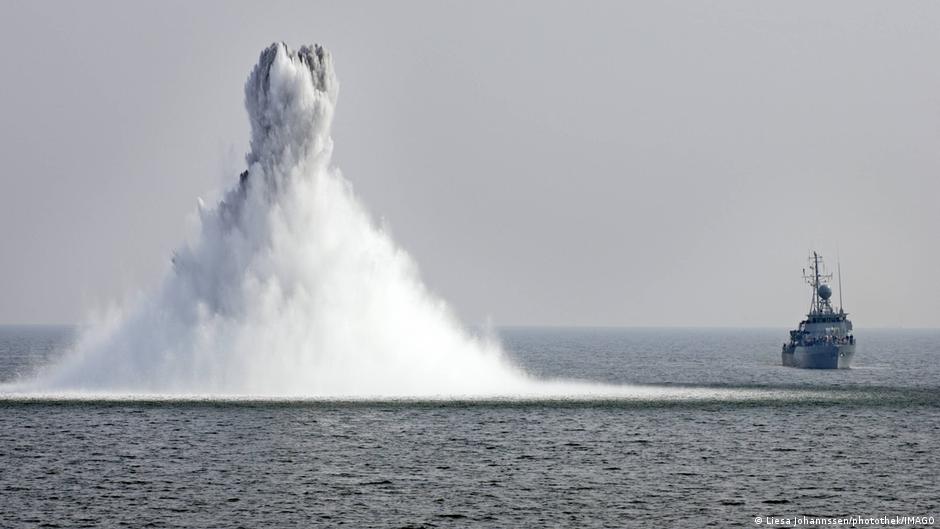
As the United States and China race to dominate advanced technologies such as artificial intelligence and semiconductors, Iran leaned on an age-old instrument to bring the world economy to its knees: sea mines. A cease-fire between Washington and Tehran appeared to buckle on Wednesday, putting plans to fully reopen the Strait of Hormuz in jeopardy. It is unclear how much of the critical shipping route Iran mined during the recent war—and how long it will take for commercial ships to be certain that the waterway is clear.
This has implications beyond Iran. Sea mines are relatively old and simple technology. But controlling their spread and use may be just as important as doing so for technologically advanced weaponry. Both China and the United States have skin in the game.
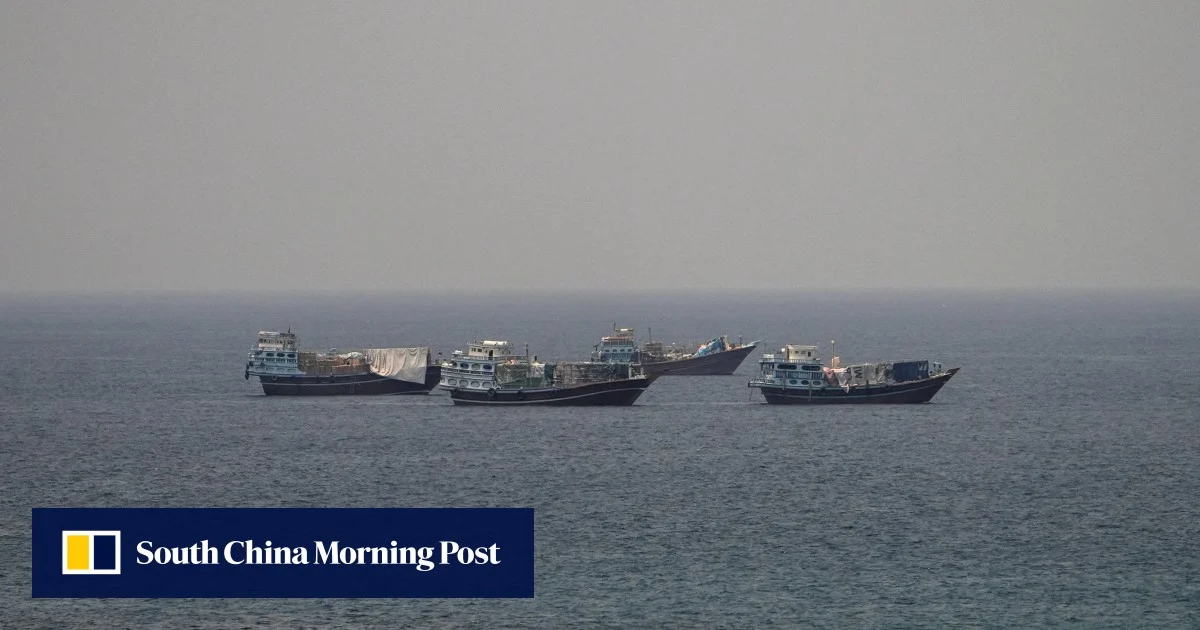
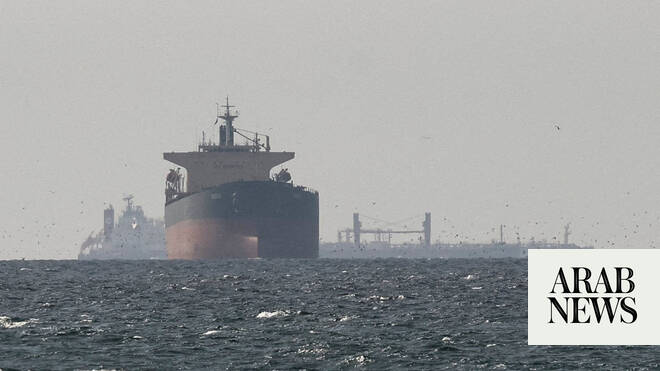
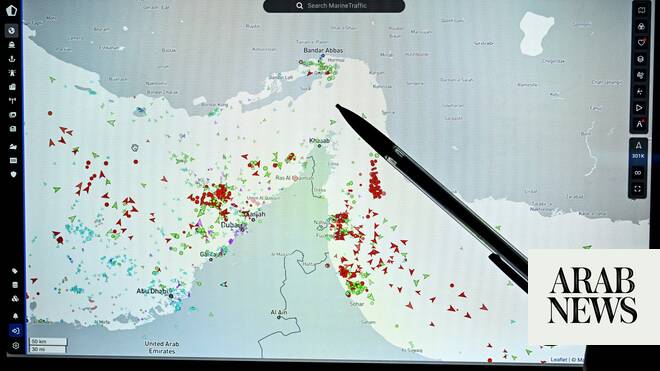
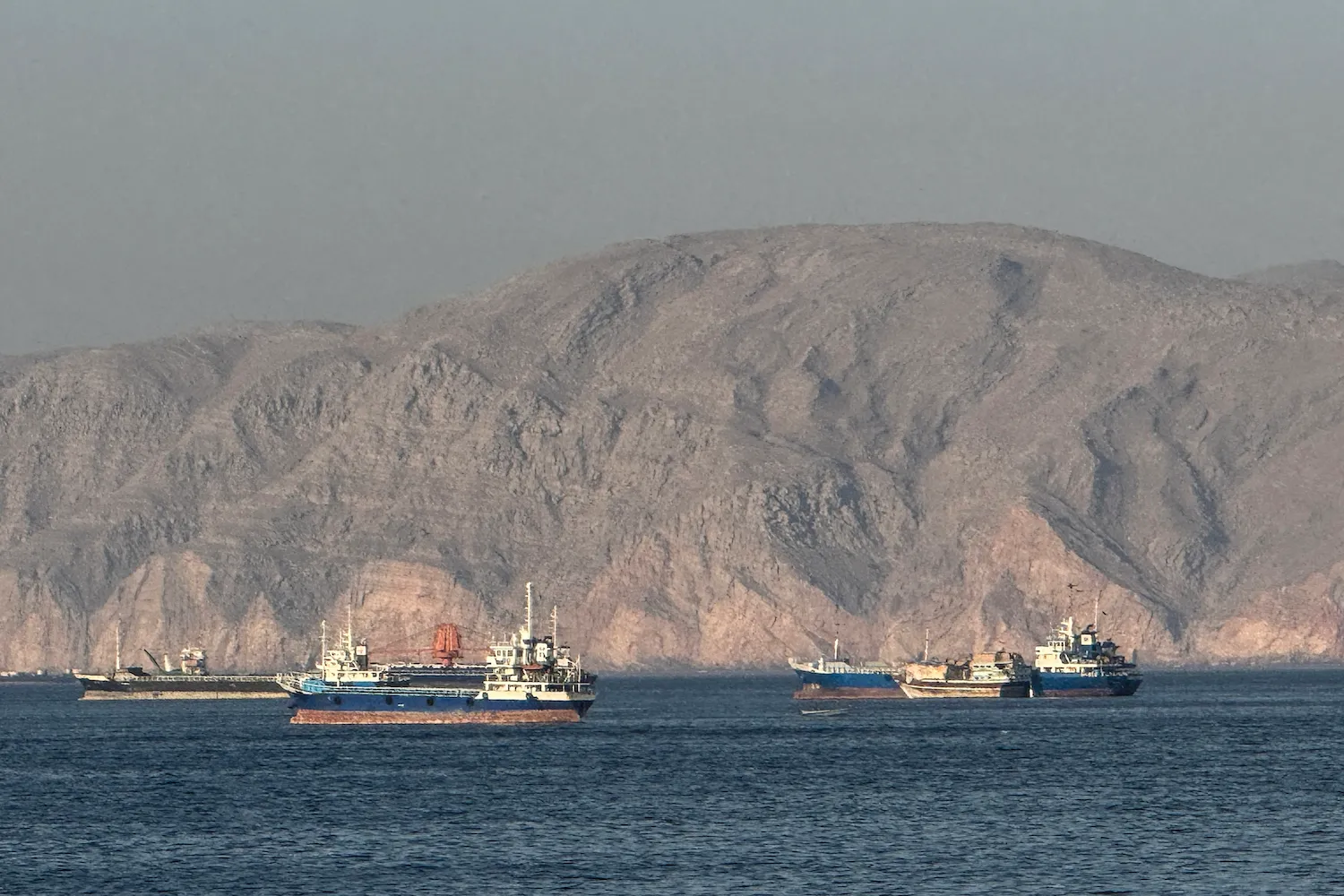
Iran’s blockade of the Strait of Hormuz had little historical precedent. Starting in late February, Tehran effectively blocked 20 percent of the world’s oil (and nearly half of China’s oil supply) for months, stranding around 2,000 ships in the Persian Gulf. Iran’s Islamic Revolutionary Guard Corps warned in April that that there was a “likelihood of the presence of various types of anti-ship mines in the main traffic zone.”