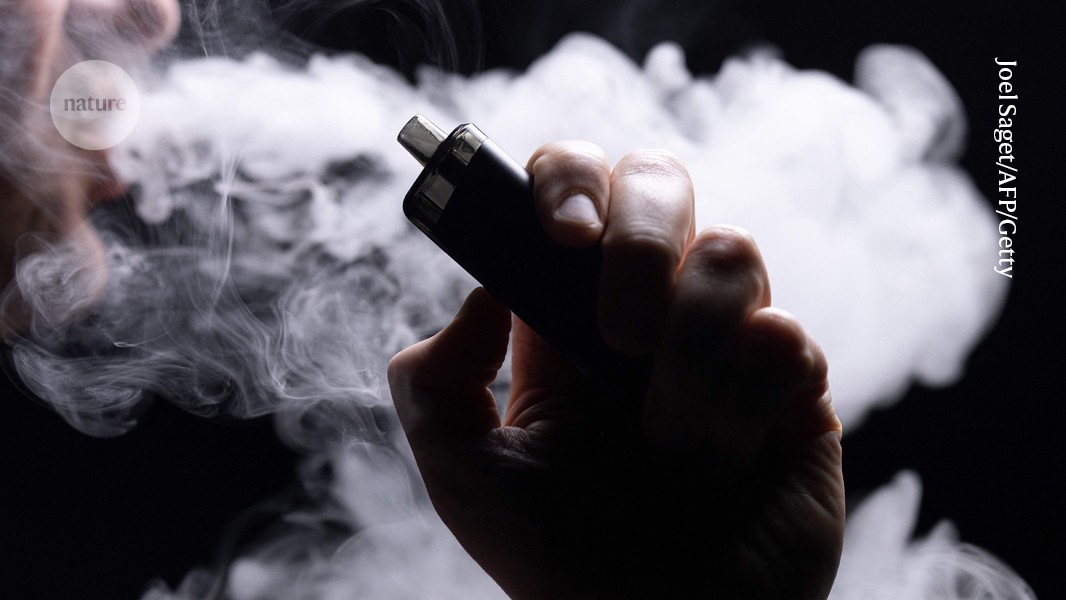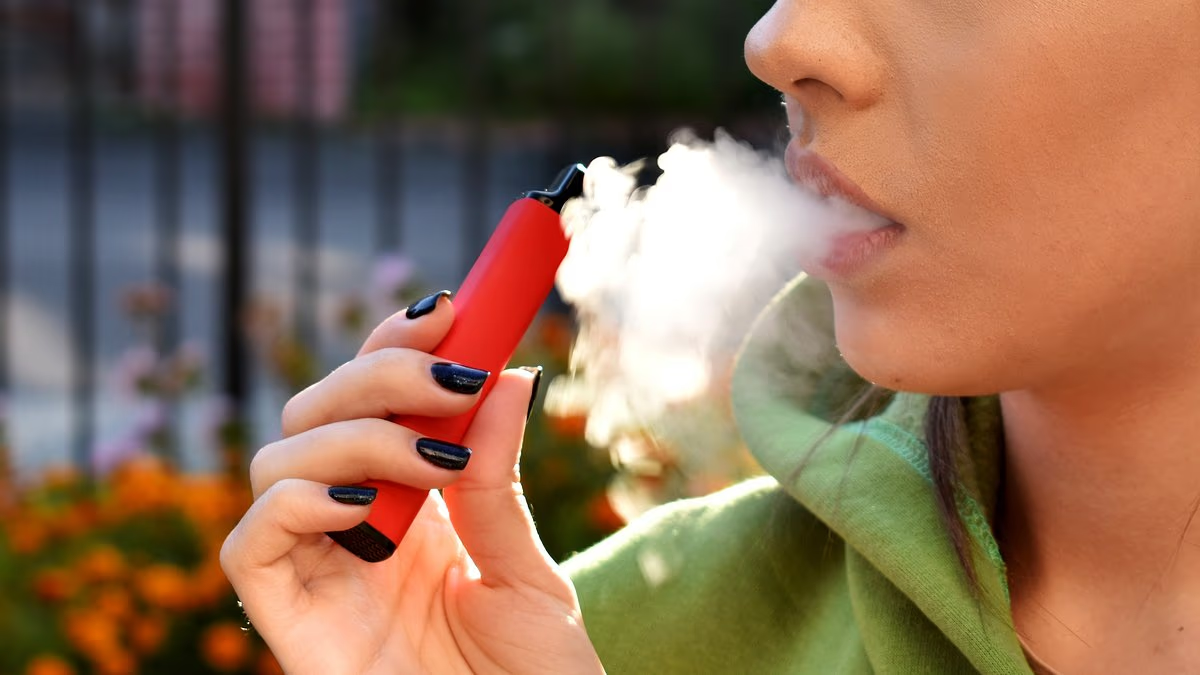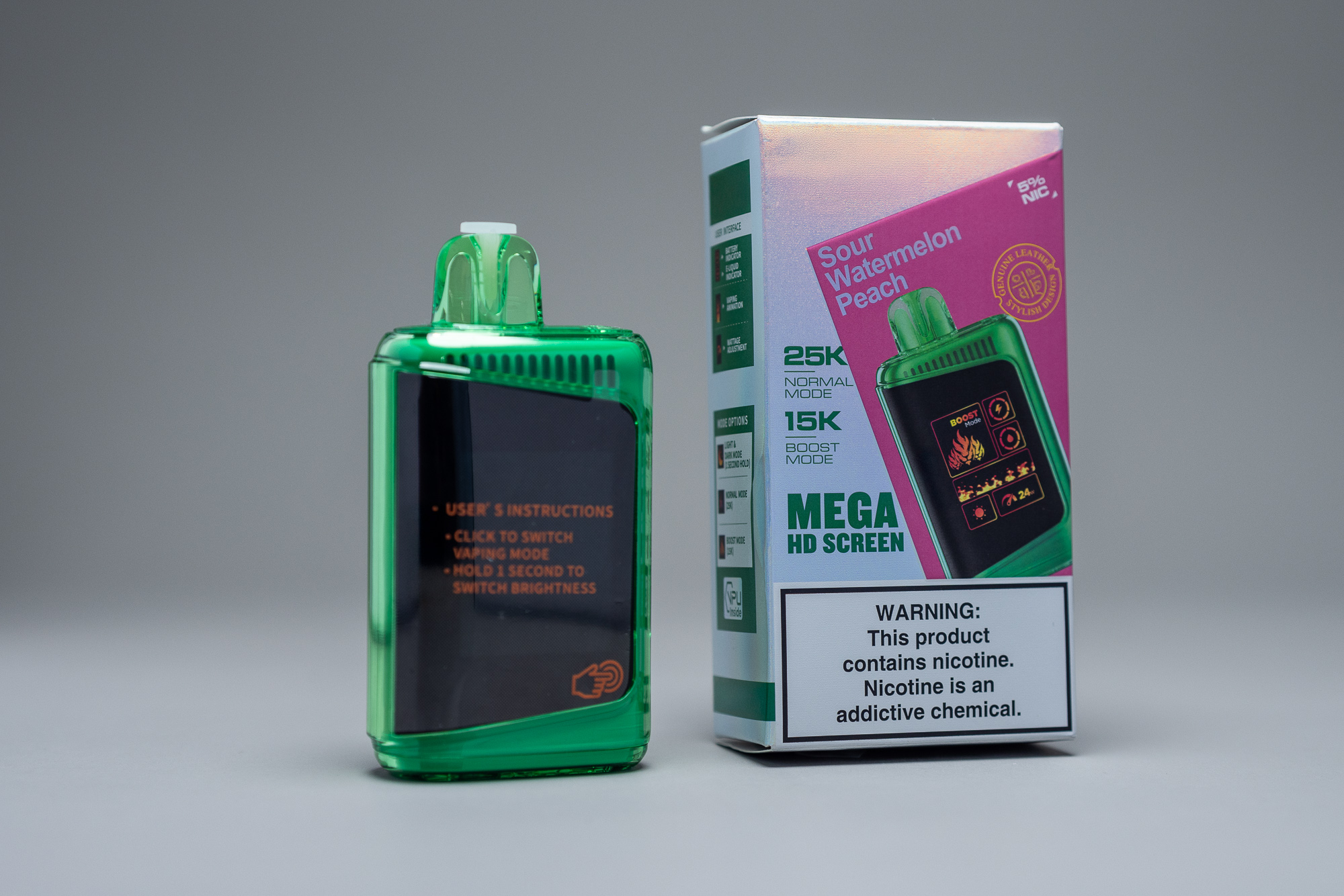
Are flavor-vapes really a safe substitute for nicotine? Illustration: Midjourney
Products that promise the benefits of a familiar habit without the perceived drawbacks have a powerful appeal for consumers. When presented with a well-marketed win-win solution, we tend toward optimism, often assuming an appealing product is harmless until the evidence suggests otherwise.
Nicotine-free vaping is one such example. While researchers have devoted considerable attention to the cardiovascular effects of nicotine-containing e-cigarettes, comparatively little is known about the health consequences of vaping without nicotine. Meanwhile, nicotine-free products have gained popularity, particularly among young users. Why not swap a nicotine hit for a seemingly innocuous flavor fix?
Researchers at USC Viterbi set out to bridge that knowledge gap. In a study published in the Journal of the American Heart Association, they found that nicotine-free e-cigarettes can disrupt the heart’s oxygen supply-demand balance – a measure of whether the heart is receiving enough oxygen to meet its needs.
The study, conducted in animal models rather than human participants at this stage, was carried out by the USC Medical Flow Physics Laboratory (MFPL) in collaboration with researchers at Huntington Medical Research Institutes and the University of California, Irvine. First author Deniz Rafiei, a PhD student at USC Viterbi, worked with MFPL director Niema Pahlevan to investigate how nicotine-free vaping affects the relationship between oxygen delivery and oxygen demand in the heart.