See more Daily Mail on Google - save us as a Preferred SourceBy DAVID WILCOCK, DEPUTY POLITICAL EDITOR Published: 10:07 BST, 8 July 2026 | Updated: 10:11 BST, 8 July 2026
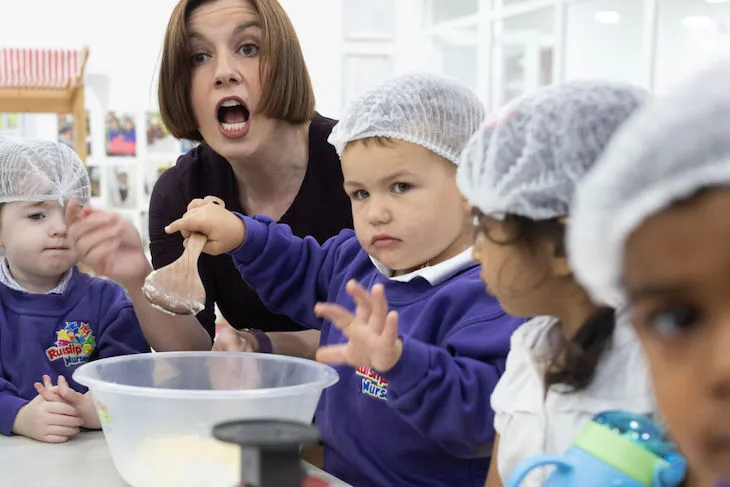
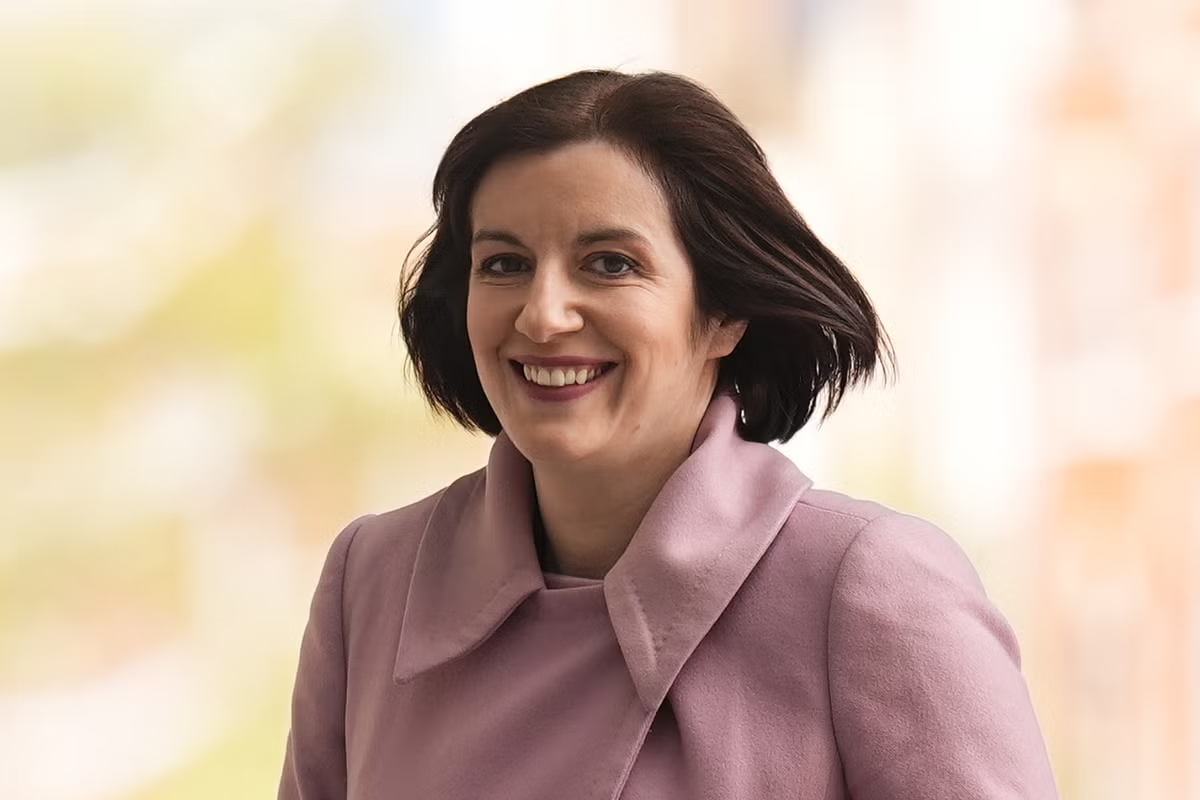
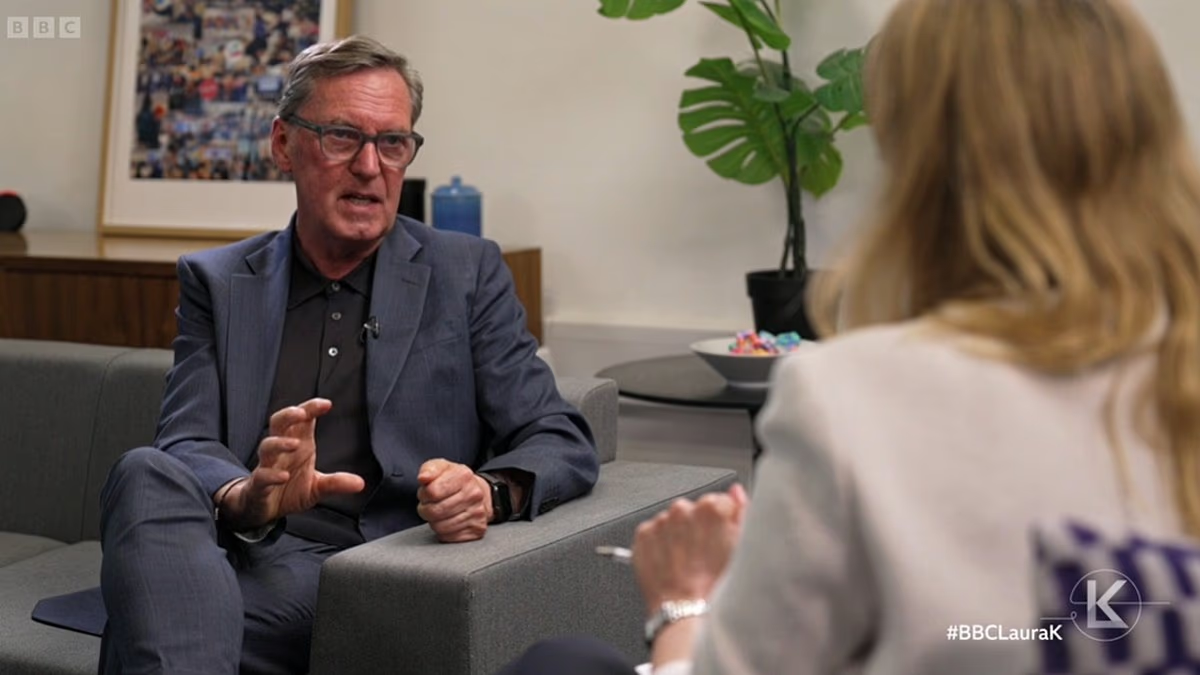
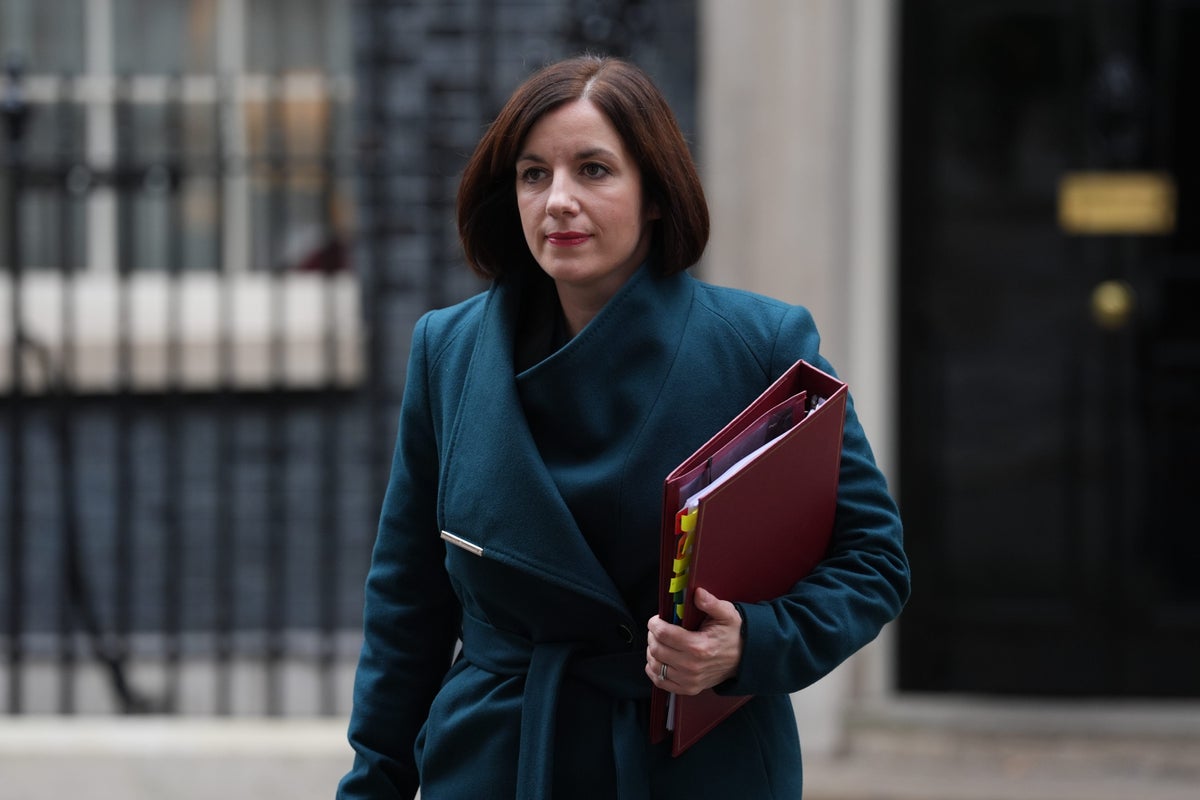
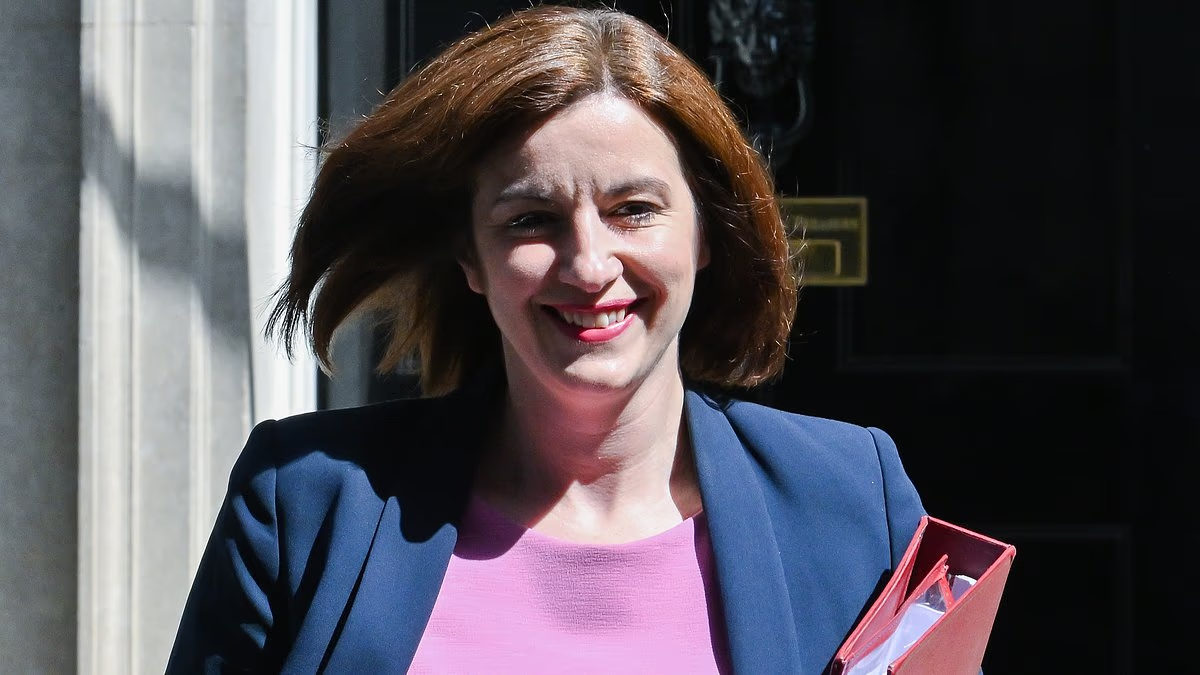
Unemployed parents on benefits should get the same 30-hours of free childcare funded by the taxpayer as working parents, the Education Secretary will say today. Bridget Phillipson will use a speech to argue for a 'universal early years' offer, arguing it will help prevent a million young people from becoming Neets - not in education, employment or training.But research suggests it would add £7billion a year to the projected £8billion annual cost of the current system, taking the total cost of the programme to £15billion a year.This would be equal to the uplift to defence spending - across four years - announced by Sir Keir Starmer last week designed to rebuild Britain's Armed Forces in the face of fears of Russian aggression.The speech in Oxford comes amid speculation about which ministers in Keir Starmer's Cabinet are likely to be kept on by PM-in-waiting Andy Burnham.There has already been a beauty pageant of big-hitters highlighting the work they have done and their ideas for the future, including Wes Streeting and Pat McFadden.Ms Phillipson is expected to say that the idea - seen as a long term aspiration rather than an immediate policy proposal - is a natural extension of the comprehensive education system introduced in the 1970s.'There are families out there who can't afford quality childcare because they aren't working, and they struggle to work because they can't afford quality childcare. So their children miss out on quality early years education. Where's the sense in that? Bridget Phillipson will use a speech to argue for 'universal early years' cash for all families, arguing it will help unemployed parents stuck in a childcare trap The speech in Oxford comes amid speculation about which ministers in Keir Starmer's Cabinet are likely to be kept on by PM-in-waiting Andy Burnham'By extending government-funded childcare into these communities, not only would we be supporting parents into work, not only would we be supporting disadvantaged children with quality early years, but we would no longer be cutting off these families from society, no longer fostering disengagement and detachment. 'That's a big opportunity that we must be bold enough to take, to build, one day, a future of universal early years.'Eligible parents in England are able to get 30 hours a week of free childcare for children aged between nine months and four-years-old if they are both working.It comes after the Centre for Social Justice thinktank on Monday found four children in every year six class could be without work by early adulthood – up from an average of three during the past five years.It warned pupils who fall behind at primary school face landing on a 'conveyor belt' to out of work benefits.Proponents of universal childcare include Save the Children, which has calculated the outlay of money would be recouped in higher income tax and NI revenues from people who are currently unemployed and on benefits being able to work.It would also help reduce the gender pay gap and provide a major boost for single parents, they have argued, while creating 130,000 teaching and care jobs.An independent inquiry last month concluded once-in-a-generation reforms were needed to address the low attainment of white working-class children, who are the worst-performing large demographic in England’s school system.It found the 1.25 million white British pupils eligible for free school meals (FSM) in England experience some of the weakest outcomes in the country across all stages of education.The inquiry recommended extending 30 hours of free childcare to all disadvantaged families who are not currently eligible, while making reading fluency a national priority for white working-class children. Ms Phillipson's speech marks the 50th anniversary of James Callaghan's lecture on public education at Ruskin College.The former Labour prime minister's 1976 talk called for improved teaching standards, a new national curriculum, and for greater political oversight and accountability in the education system.