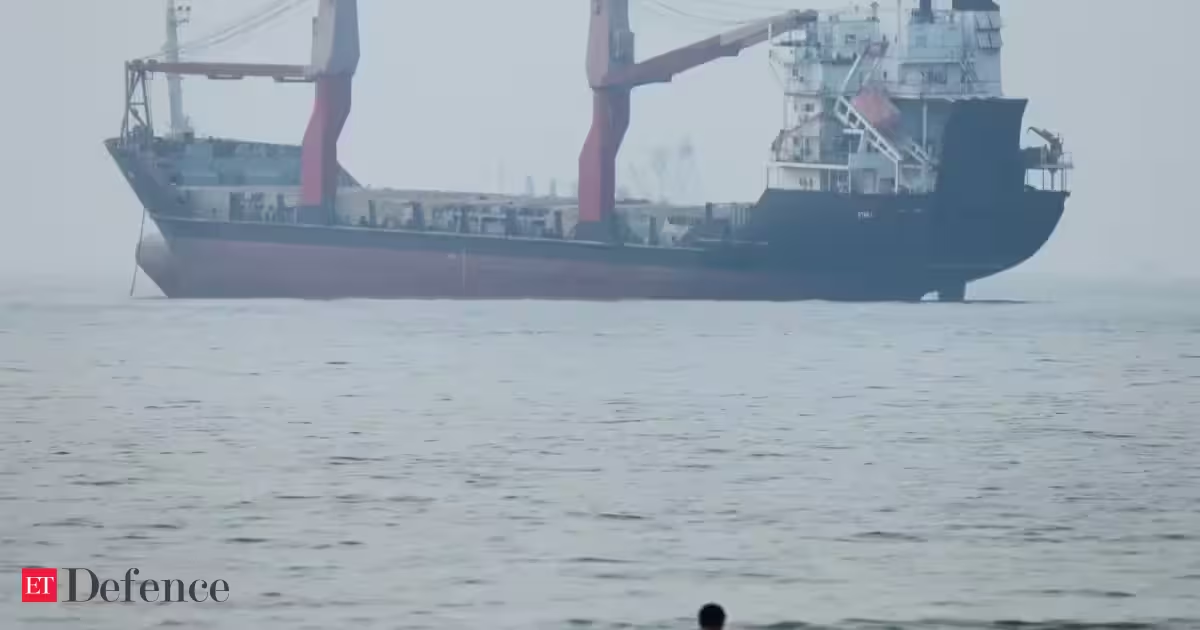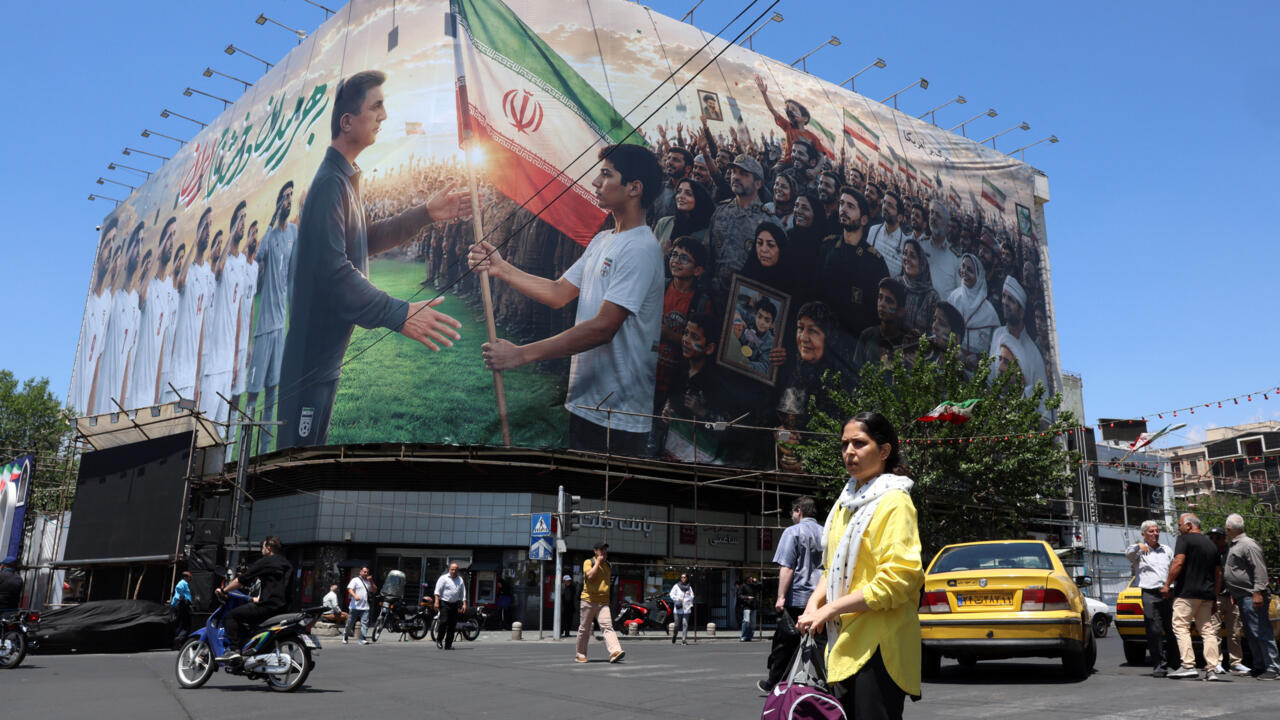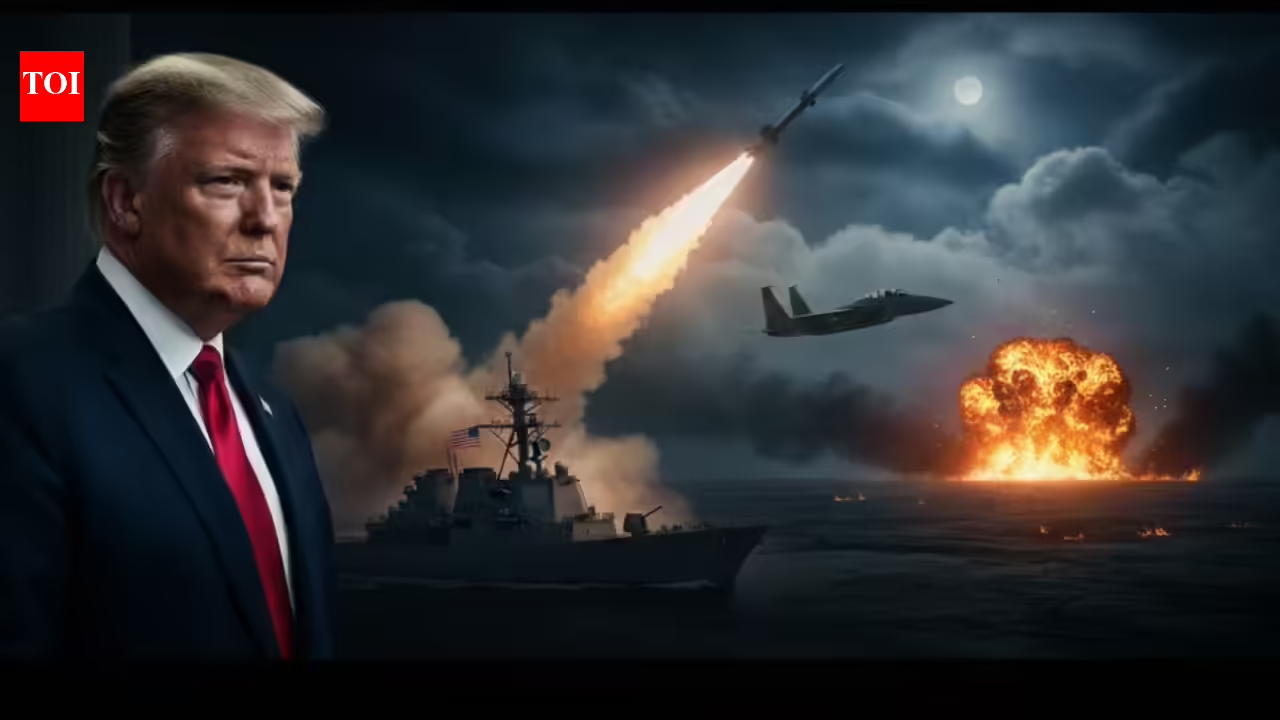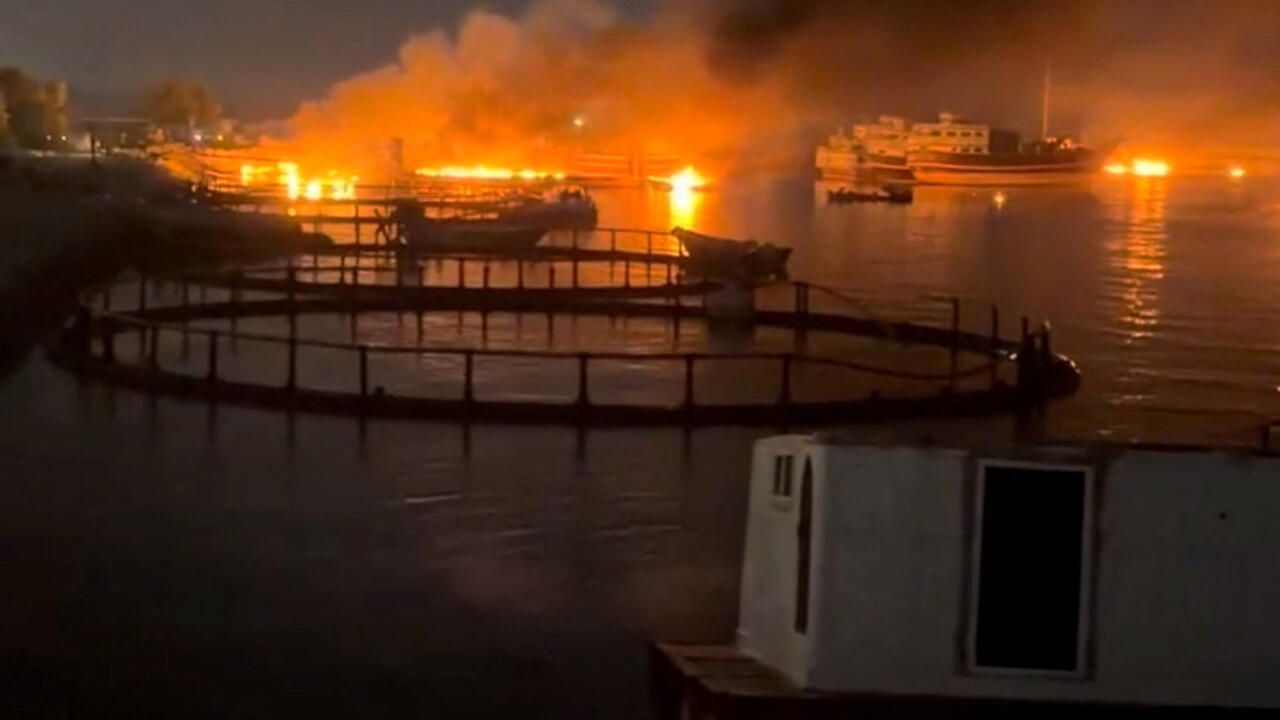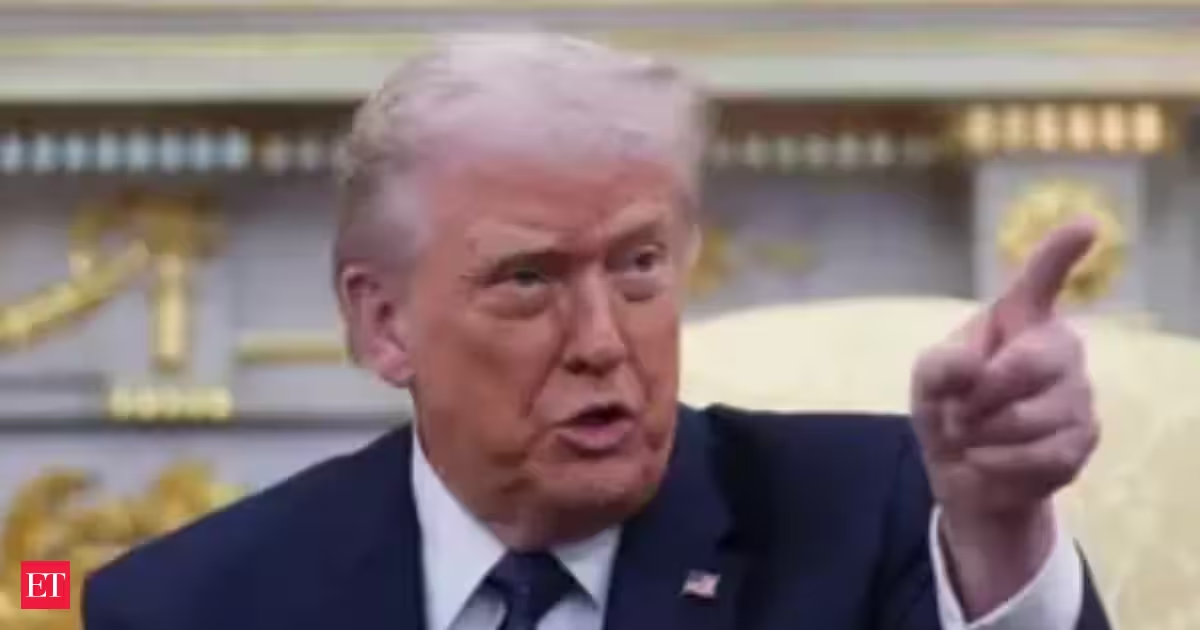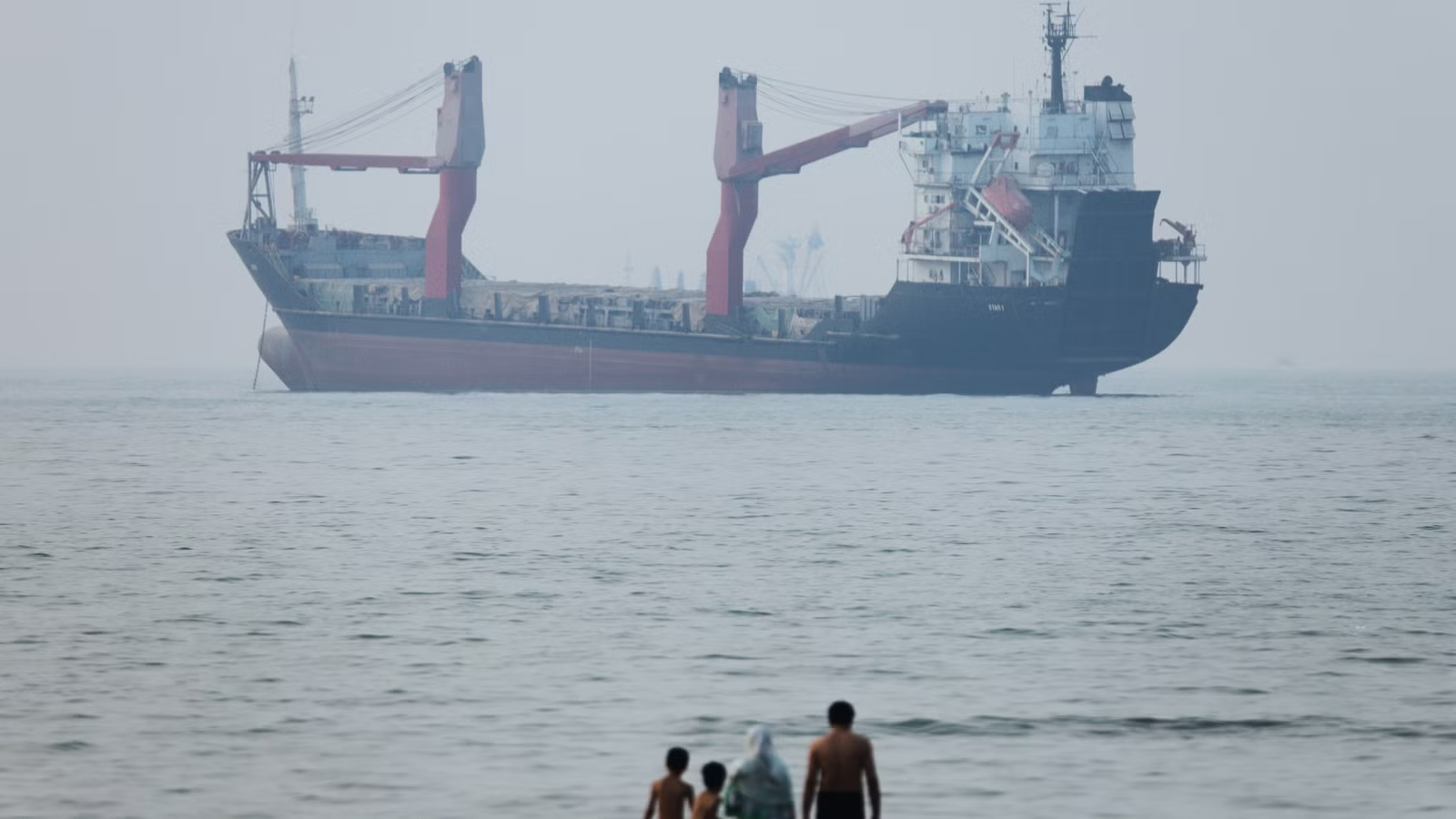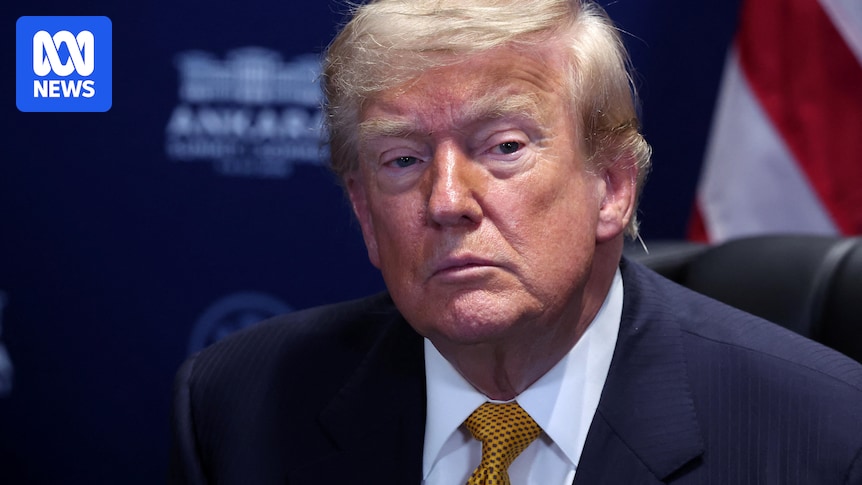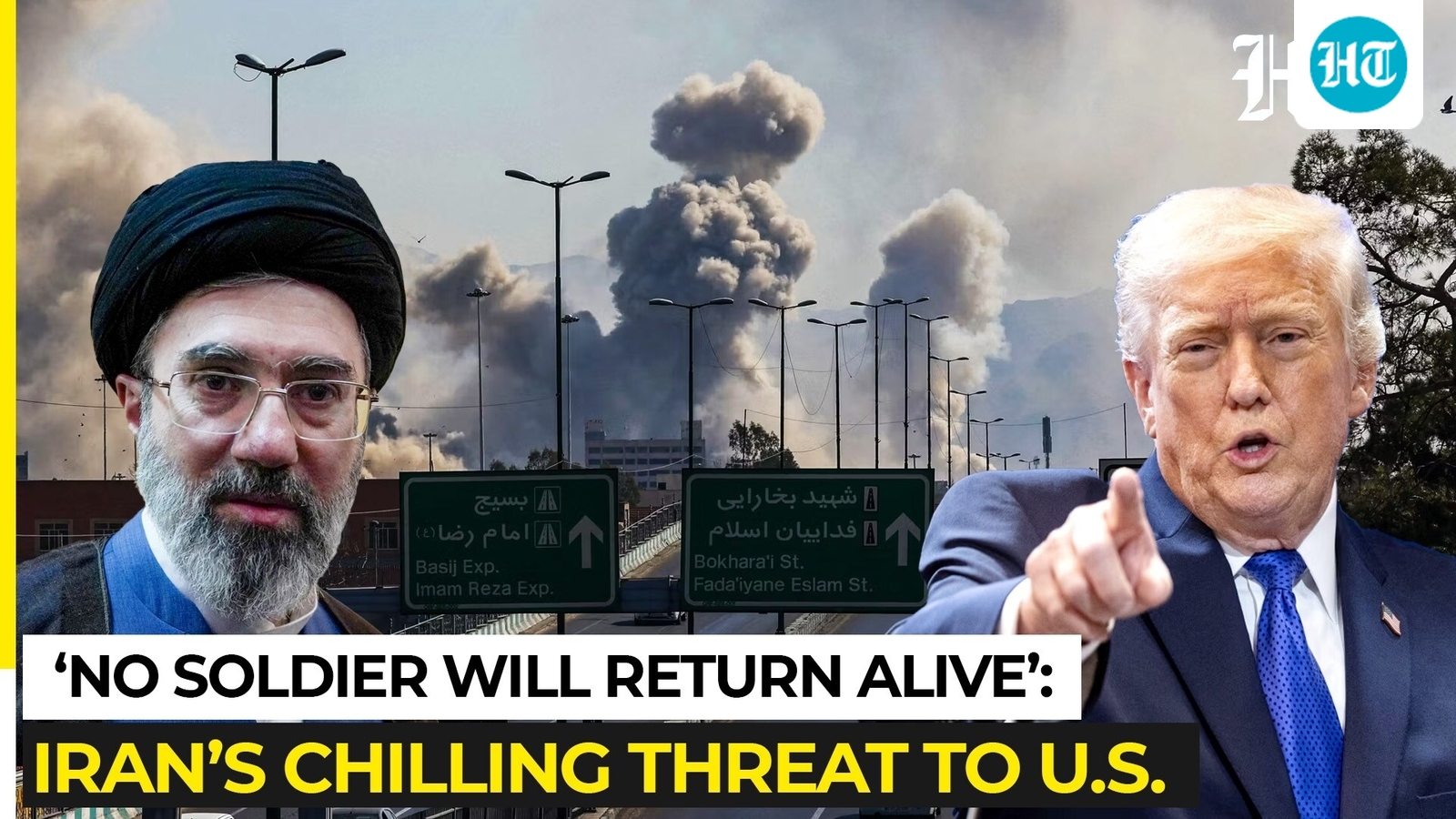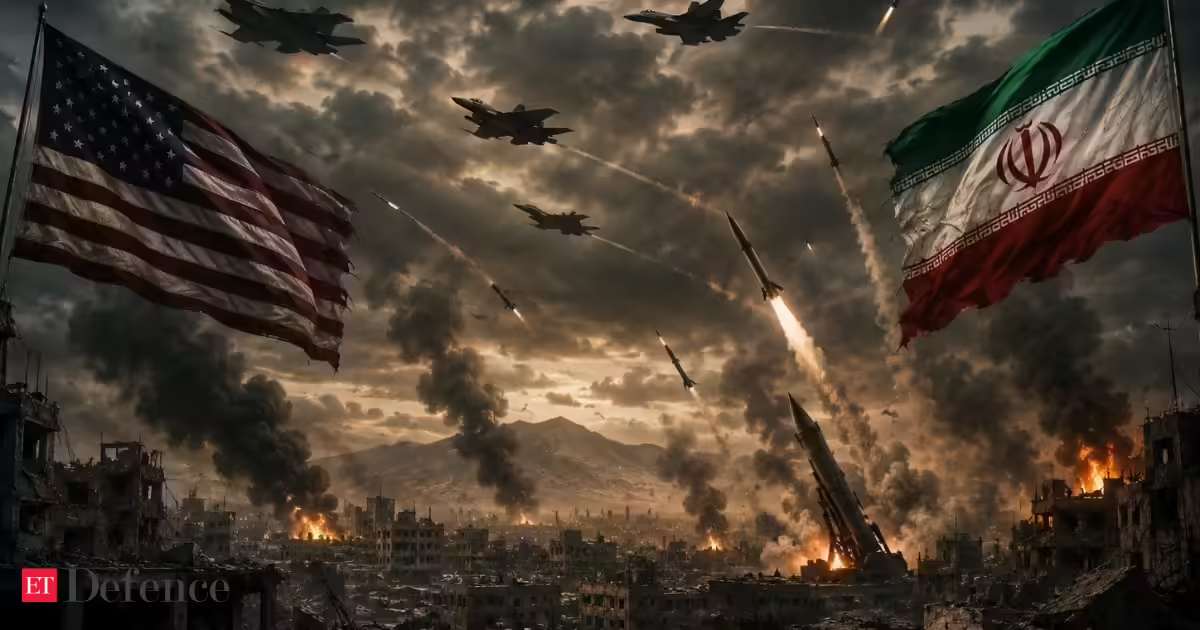
US President Donald Trump’s latest comments have pushed the US-Iran crisis into a far more volatile phase. After declaring the ceasefire effectively dead, threatening fresh strikes and even raising the prospect of targeting Iran’s power infrastructure and seizing Kharg Island, he has indicated that the US may be preparing for a renewed military campaign.Yet Trump has also left the door open for negotiations, saying talks could still go on, his signature tactic of escalating pressure while preserving diplomatic ambiguity. The result is a moment of deep uncertainty, where neither war nor diplomacy appears fully dominant. What happens next will depend not only on Washington and Tehran, but also on Gulf states, global energy markets and the willingness of both sides to absorb further costs.Trump’s shift to open coercionThe most significant aspect of Trump’s latest remarks is not simply his threat of additional strikes. It is the widening scope of the targets he is now discussing. Previous US military actions were framed largely around Iran’s nuclear programme, missile capabilities and military infrastructure. Trump is now openly talking about hitting electricity generation facilities, desalination plants and potentially taking control of Kharg Island, which handles most of Iran’s oil exports. He has also declared that sanctions on Iranian oil are back. Such statements suggest that the US may be moving beyond deterrence and toward a strategy of economic and infrastructural coercion.That would represent a major escalation. Attacks on civilian infrastructure would deepen economic pain inside Iran and could push Tehran toward a broader response. Iranian officials have already reacted sharply to the Kharg Island threat, portraying it as an attack on Iranian sovereignty rather than simply another military strike.The language of Trump's latest comments is also notable. Trump has described the Iranian leadership as a "cancer" that must be cut out. Historically, such rhetoric has often preceded more aggressive military action, even when formal regime change is not explicitly declared as policy.Also Read | Trump’s Iran ceasefire was built to failWhy Iran may refuse to back downIranian leaders have warned Trump that any aggression will result in hard response. Ebrahim Rezaei, spokesperson for the Iranian parliament’s National Security and Foreign Policy Committee wrote on X: “Come—we are waiting for you—and we promise that not a single American soldier will return alive.”From Iran’s perspective, backing down now carries serious risks. The death of Supreme Leader Ayatollah Ali Khamenei, the exchange of direct strikes with the US and the intense domestic mobilisation around the conflict have created powerful pressures on Iranian leaders to show defiance and resilience. Any perception of surrender could undermine the legitimacy of the state at a moment of heightened national tension, especially when thousands are marching in streets to mark Khamenei's funeral.Iran also appears determined to redefine the balance of power in the Strait of Hormuz. Muhanad Seloom of the Doha Institute for Graduate Studies told Al Jazeera that Tehran wants to enforce a new status quo where everything that goes through the Strait of Hormuz would have to go under the control of Iran and pay a tax. That objective lies at the heart of the current confrontation. For years Iran has viewed control over Hormuz as one of its strongest strategic cards. The waterway carries a substantial share of the world's seaborne oil trade, making it one of the most sensitive chokepoints in the global economy.If Iran believes the US is trying to permanently weaken its influence in Hormuz, it may conclude that further confrontation is preferable to accepting a diminished regional role.Also Read | Trump says ceasefire with Iran is 'over' but negotiations can continueHormuz could become the main battlefieldThe most immediate danger may not be a full-scale invasion or prolonged air war. It is the possibility of an escalating maritime conflict around Hormuz. Trump has already said he will re-impose a blockade aimed specifically at Iran. Iran, meanwhile, continues to insist on a greater role in regulating maritime traffic through the strait.This creates a dangerous environment where miscalculation becomes highly likely. Commercial shipping, energy infrastructure, naval patrols and military aircraft are all operating in close proximity. A single successful attack on a tanker, naval vessel or energy facility could trigger another cycle of retaliation. Maritime confrontations are especially difficult to contain because attribution is often disputed and responses tend to be rapid. The current situation contains many of the same ingredients.A limited war can become something biggerThough neither side appears eager for a prolonged conventional war, conflicts are not always shaped by intentions. The US retains overwhelming conventional military superiority and can strike Iranian targets across the region. Iran, however, possesses a wide network of asymmetric capabilities that extend beyond its own territory. US military facilities in the Gulf remain vulnerable to missile, drone and proxy attacks. The latest Iranian strikes on American targets in Bahrain and Kuwait demonstrate that Tehran is willing to broaden the geographical scope of retaliation. Iran’s military leadership has also warned that countries supporting US military operations could become legitimate targets.That creates a dilemma for Gulf governments. Most are closely aligned with the US on security matters but have little interest in becoming battlegrounds themselves. If attacks expand across multiple Gulf states, the conflict could gradually evolve from a US-Iran confrontation into a wider regional security crisis.The Gulf states will get in actionDespite the escalation, diplomacy is far from dead. Gulf countries would desperately want to prevent a return to full-scale hostilities. None of them wants to see a breakdown of the ceasefire. A diplomatic push is likely to emerge from across the Gulf to bring Washington and Tehran back to negotiations.This position reflects hard economic realities. Gulf economies depend on stable energy exports, investor confidence and secure shipping lanes. A prolonged conflict threatens all three after a brief lull of ceasefire. Qatar, Oman and other regional mediators have spent years cultivating channels of communication between adversaries. They are likely to intensify those efforts in the coming days, especially if technical-level talks remain possible after the funeral ceremonies in Iran conclude.Trump's rhetoric versus actionOne reason predicting an immediate wider escalation is difficult is Trump himself. Often, Trump's comments are either sharp tactics during negotiations or plain venting that does not necessarily translate into any significant action. Trump has frequently used maximalist rhetoric as a negotiating tool. During previous international crises he has alternated between threats, insults and offers of dialogue, often within the same news cycle.His latest remarks follow a similar pattern. He declared the ceasefire effectively over, threatened further attacks, questioned the value of negotiations and reimposed sanctions on Iranian oil while also threatening to cease Kharg island and attack energy and water infrastructure. But he also left open the possibility that talks could continue. This ambiguity may be deliberate strategy. By maintaining uncertainty, Trump can keep pressure on Iran while preserving flexibility for future diplomacy.Another economic shock builds upFinancial markets are already reacting to the possibility of renewed conflict. Oil prices have surged narly 6%, stocks have dropped and investors are increasingly pricing in geopolitical risk. As seen earlier, any sustained disruption in Hormuz would affect energy flows far beyond the Middle East. Kharg Island is particularly important because it serves as the primary export terminal for Iranian crude. If military action were to affect the island or nearby shipping routes, markets would immediately begin assessing the risk of broader supply disruptions.For major importers in Asia, including India, the consequences would be significant. Higher crude prices would increase import costs, complicate inflation management and place additional pressure on economic growth.The most likely outcomeThe most plausible near-term scenario appears to be neither peace nor all-out war but controlled escalation. The US appears determined to maintain military pressure while Iran appears unwilling to concede under that pressure. More strikes, maritime incidents and retaliatory actions are therefore highly possible. At the same time, both sides continue to signal that negotiations remain available. That suggests military actions may increasingly serve as leverage for future talks rather than as preparation for a decisive war.However, the danger is that such crises can develop their own momentum. Every strike creates pressure for a response, and every response creates pressure for another. The longer that cycle continues, the harder it becomes for diplomats to regain control.For now, Trump has reopened the possibility of war without completely abandoning diplomacy. Whether the region moves toward one or the other may depend on what happens in the next few days around the Strait of Hormuz, where the world's most important energy chokepoint is once again becoming the centre of a geopolitical storm.
Are US-Iran headed back to war? What next after Trump's new threats
US President Trump's comments have intensified the US-Iran crisis with new threats. He is now considering attacks on Iran's power and water infrastructure. Iran has vowed a strong response to any aggression against its sovereignty. Gulf states are likely to push for renewed diplomatic negotiations between both nations. The situation remains uncertain, balancing potential conflict with ongoing dialogue.
1,421 words~6 min read