Support CleanTechnica's work through a Substack subscription or on Stripe.
Most of us would like to really know how much safer (or not) various robotaxis are than human drivers, and in particular how much safer (or not) they are than the human drivers they’re replacing. Tesla puts out these very generic safety statistics that are by and large useless because they are way too broad and comparing against far too generic of a data set, not to mention they don’t even tell us much detail about their own statistics. Waymo has been trying to take a more open, scientific approach — not that it’s been perfect either, but it’s been much better.
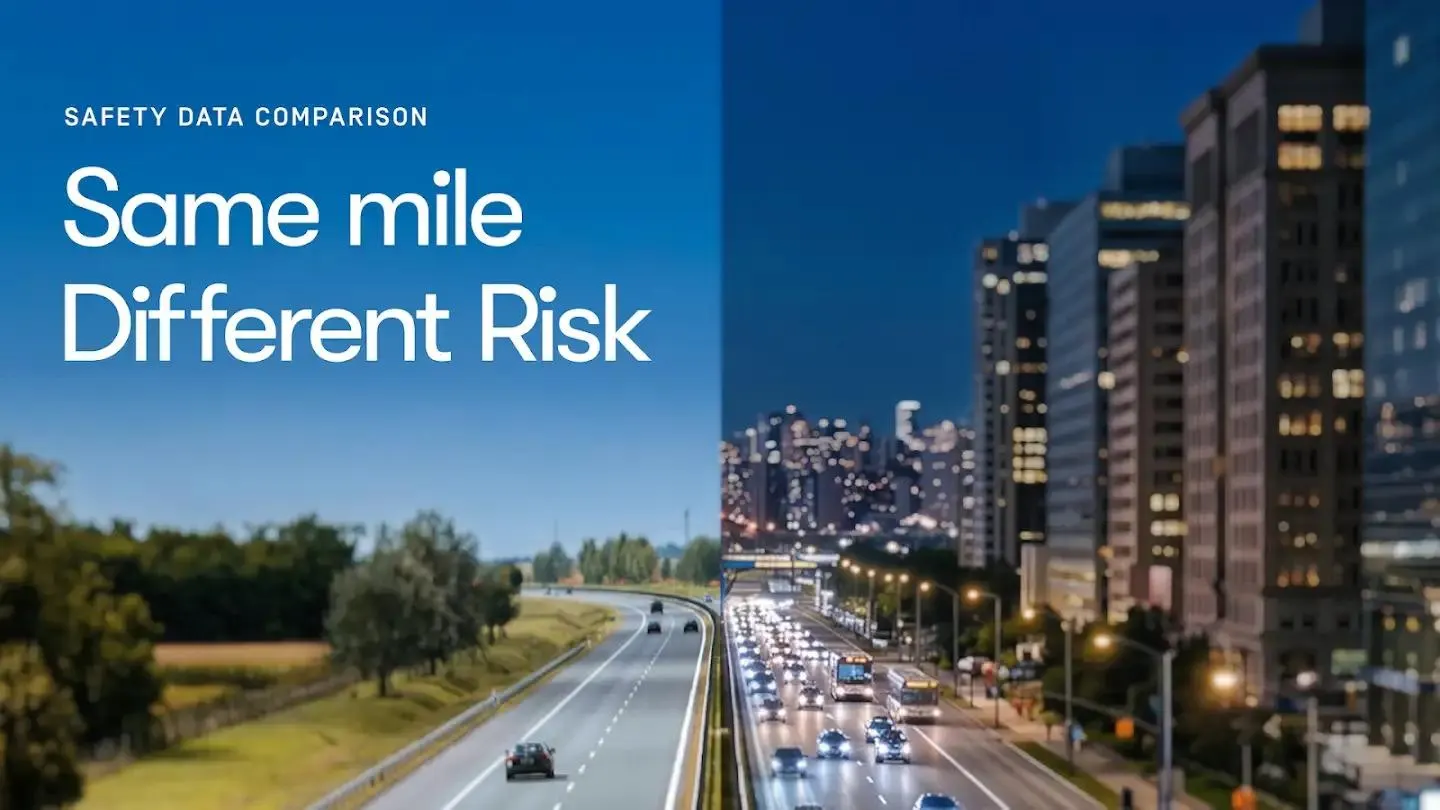
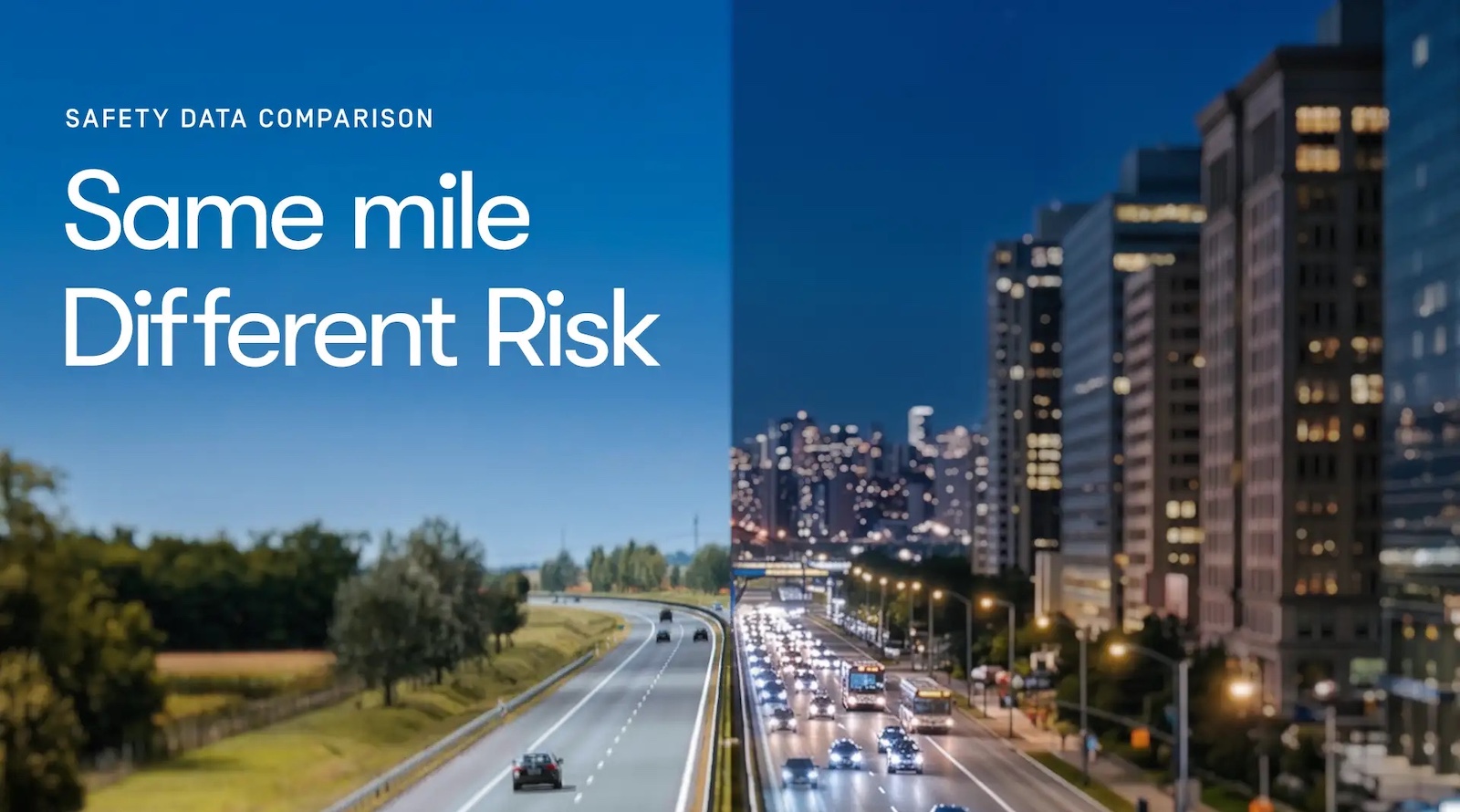
Now, the Alphabet-owned company has taken another step forward by publishing a blog post titled “Not All Miles are Equal: Why Time and Location Matter When Benchmarking Autonomous Safety.” Indeed — where driving occurs and at what time are critical for comparing and understanding statistics on this matter. (The age of the cars is also important, as Waymo/robotaxi vehicles should really be compared with newer vehicles that have better ADAS (advanced driver assistance systems), but I don’t see any word of Waymo doing that.)
Here’s how Waymo starts its article: “Not all miles are created equal. Navigating a highway commute on a Tuesday morning is fundamentally different from driving through downtown nightlife at 2:00 AM on a weekend. Our latest research — consisting of two new studies peer-reviewed and accepted for publication in the journal Traffic Injury Prevention — aims to close this gap by diving into two critical factors often overlooked in crash risk analysis: time and location.” Look at that: peer-reviewed research, stats that take important temporal and locational context into account, have to love it.