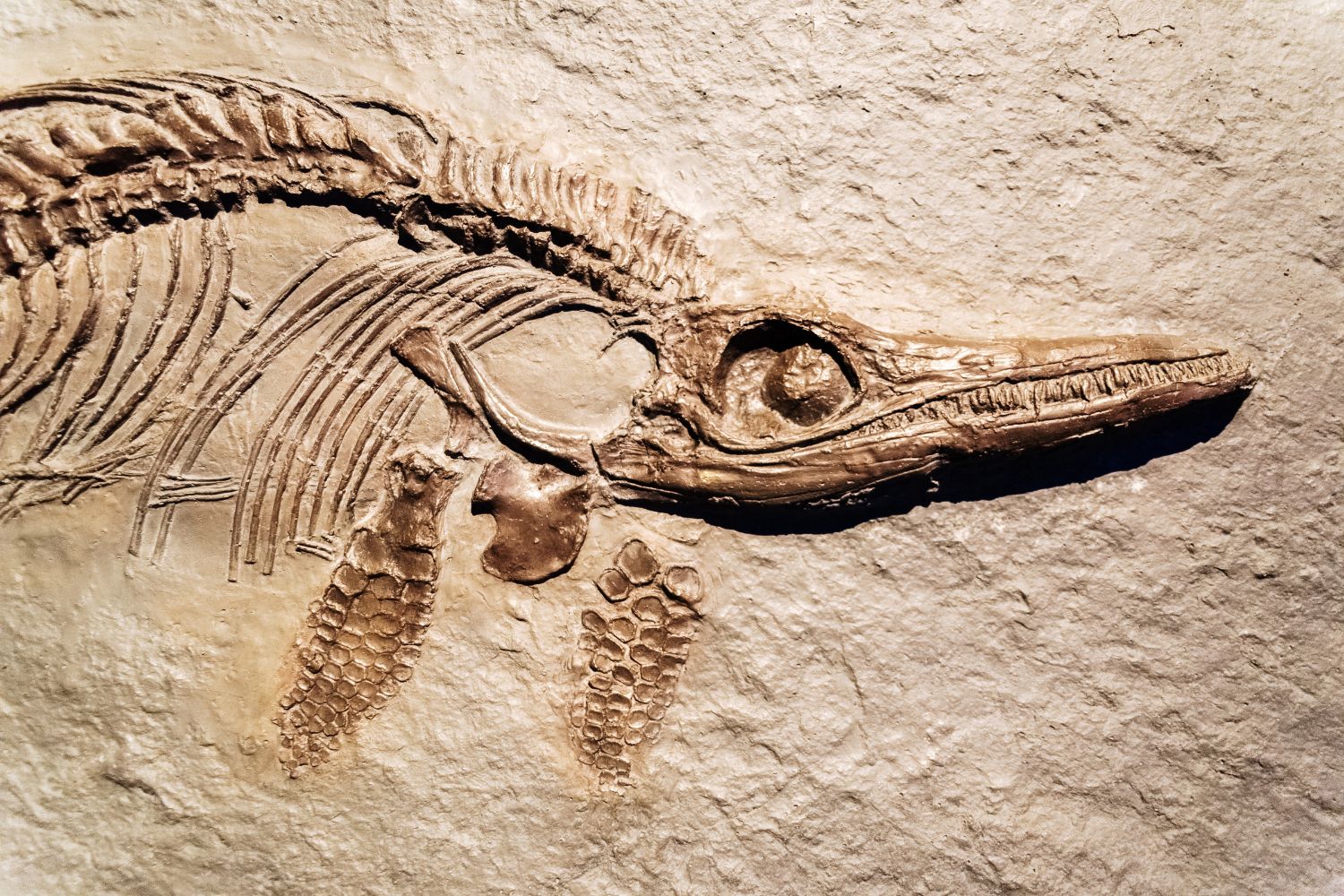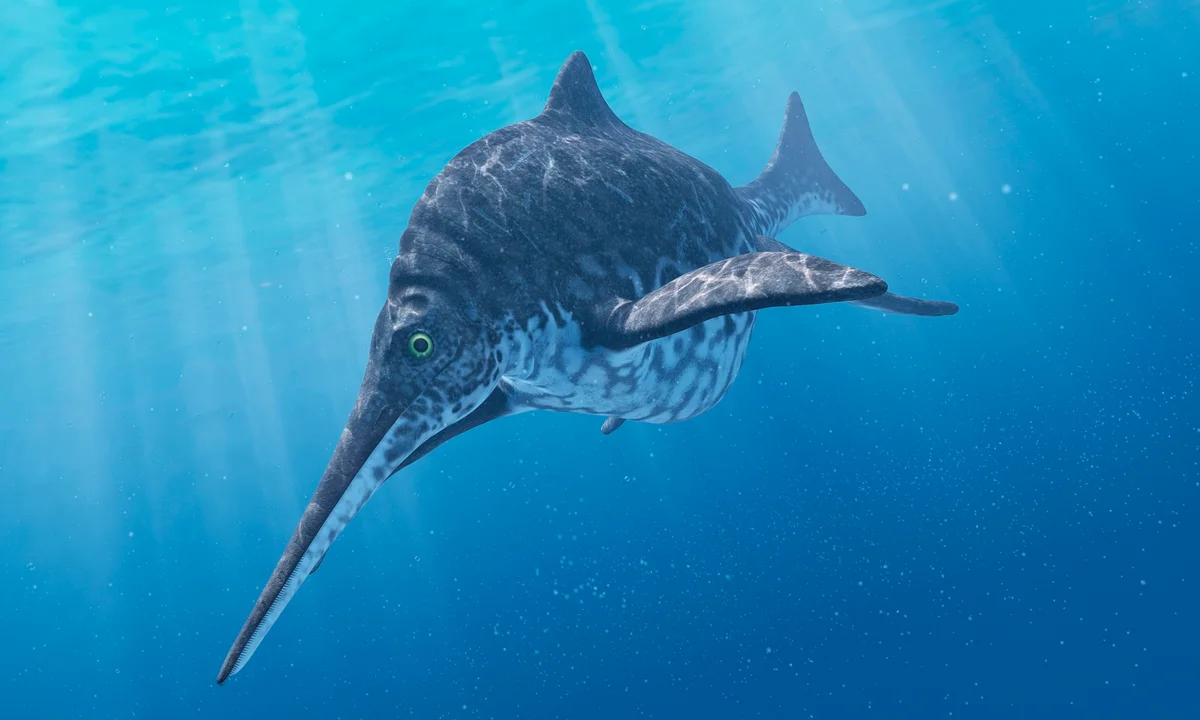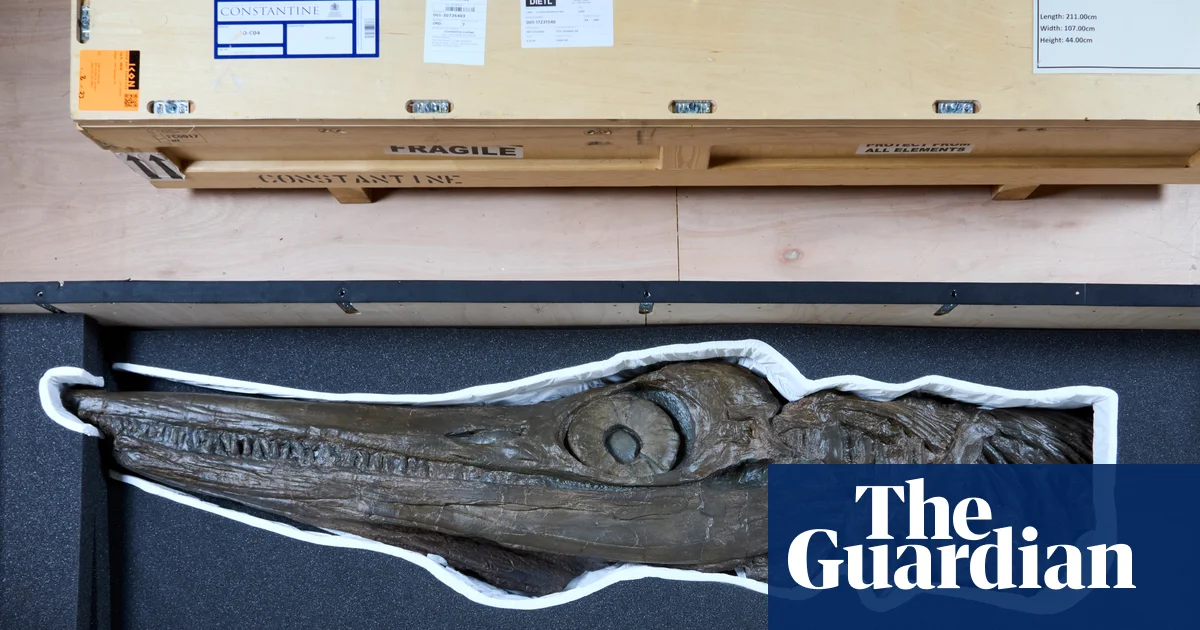
Ichthyosaurs weren’t dinosaurs, although they were certainly large and scary-looking enough to inspire awe and curiosity in people who encountered their remains. Until now, the earliest known instance of human interest in ichthyosaurs was in 1699, but a peculiar discovery pushes that timeline way back—all the way to the Roman era. Around the third quarter of the 2nd century CE, someone living in modern-day Colchester, U.K., found a fossilized spinal bone of an ichthyosaur. This individual picked up the bone and added it to their collection of pottery, Roman toilet spoons, and other trinkets. Then, 1,800 years later, a team of paleontologists uncovered the pit left behind by this long-dead individual from Roman Britain. This discovery represents the oldest known instance of a human deliberately collecting ichthyosaur fossils, according to a paper on the discovery, published recently in Britannia. The ichthyosaur bone found in Colchester, U.K. © Spencer et al., 2026 Currently, it’s unclear why exactly the fossils ended up as part of this pit, Patrick Spencer, the study’s lead author and an archaeologist at Colchester Archaeological Trust in the U.K., told Phys.org.
The paleontologists of antiquity Paleontology, as the study of Earth’s life through fossil records, has technically existed for a long, long time. For instance, some scientists believe that large animal fossils played a role in shaping ancient Greek myths about giants, heroes, and gods and that Greeks collected fossils as early as the late Bronze Age (between 1550 and 1200 BCE). Specifically, the Greeks believed large fossilized bones represented the remains of mythological heroes and monsters.