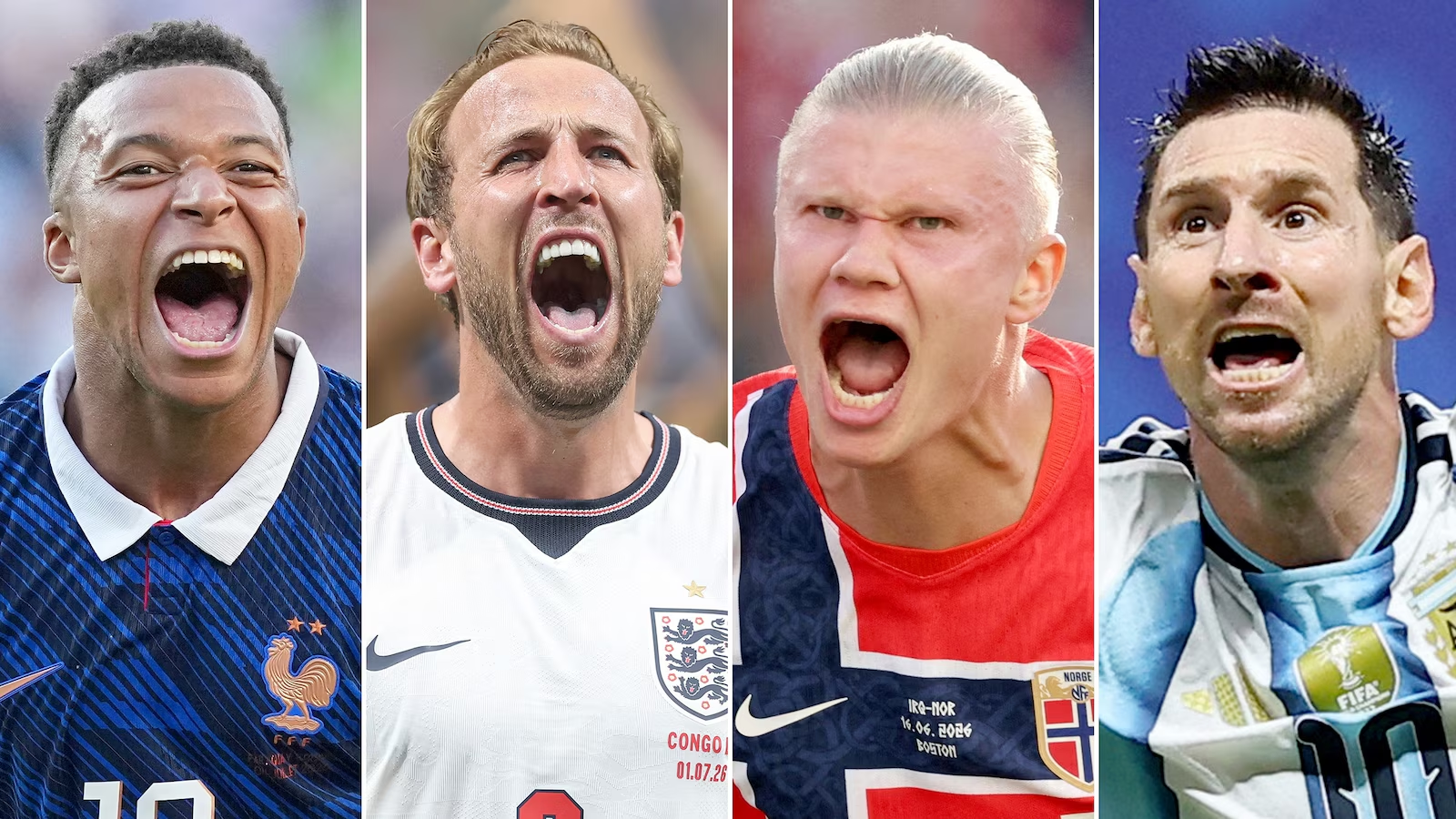
The World Cup began as a sprawl — 48 teams, three host nations, heat, distance, noise and the promise that football’s centre of gravity might tilt somewhere unexpected.Two knockout rounds later, Europe has placed six teams in the quarterfinals, with Argentina and Morocco the only survivors from outside the continent.European nations — Spain in 2010 and Germany in Brazil four years later — have won the trophy only twice outside Europe, but with France, Spain, England, Belgium, Norway and Switzerland making up three-quarters of the last eight, the chances of the continent adding to that list now feel high.This is the most European quarterfinal line-up outside Europe since 1994. The round of 16 also ended in tears for Cristiano Ronaldo and Neymar, while the three host nations disappeared one by one.
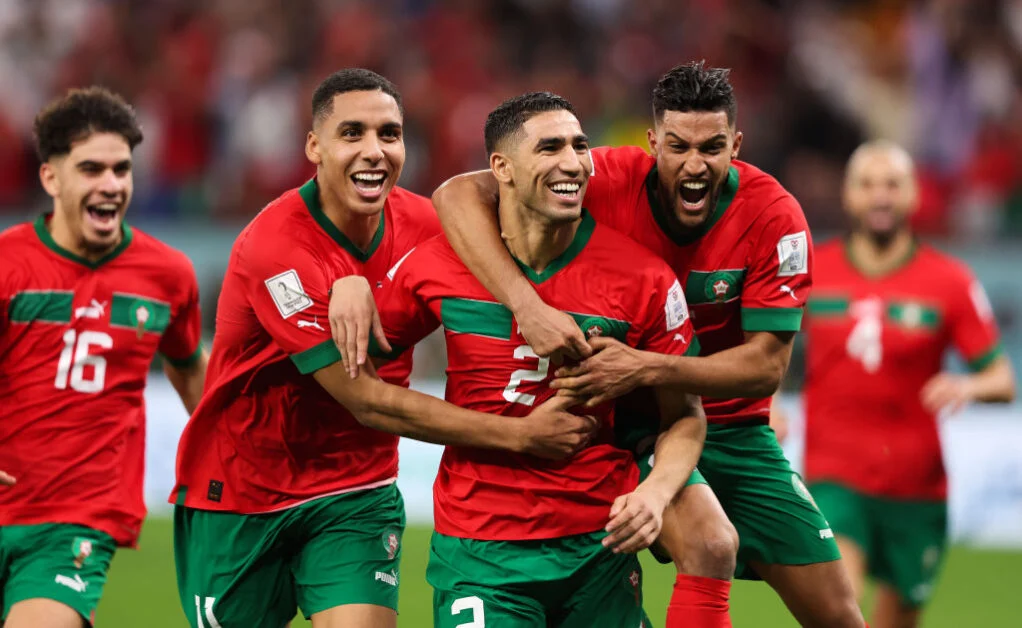
Morocco's players take part in a training session at the New England Revolution Training Centre in Foxborough, near Boston, on July 7 2026, during the 2026 World Cup football tournament.
| Photo Credit:
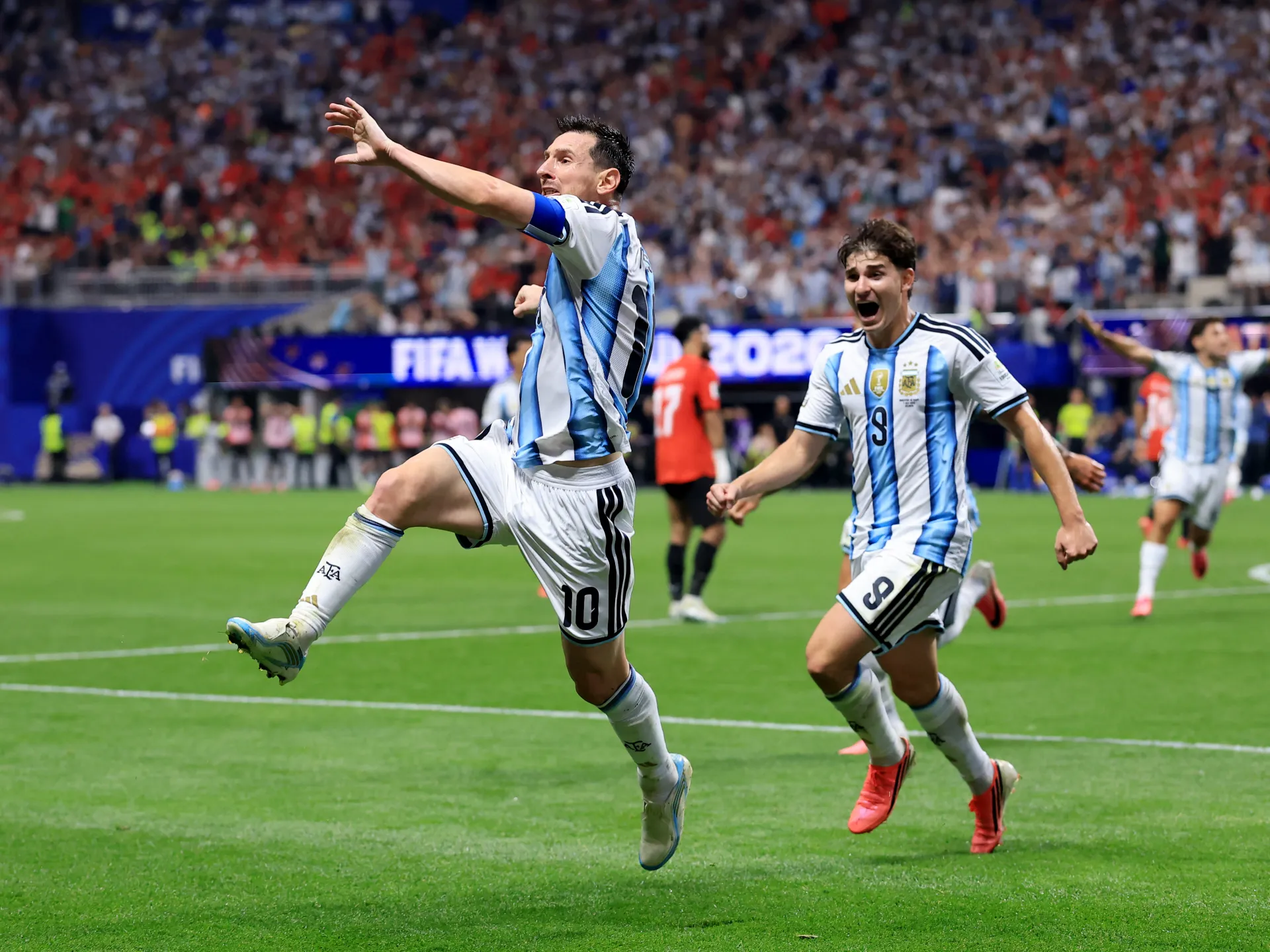
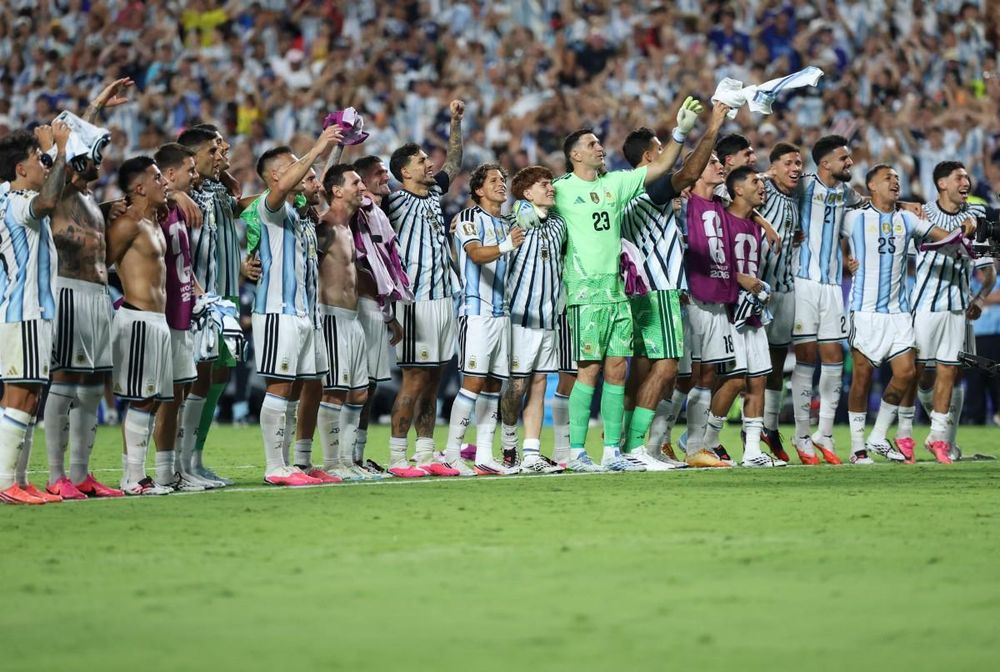
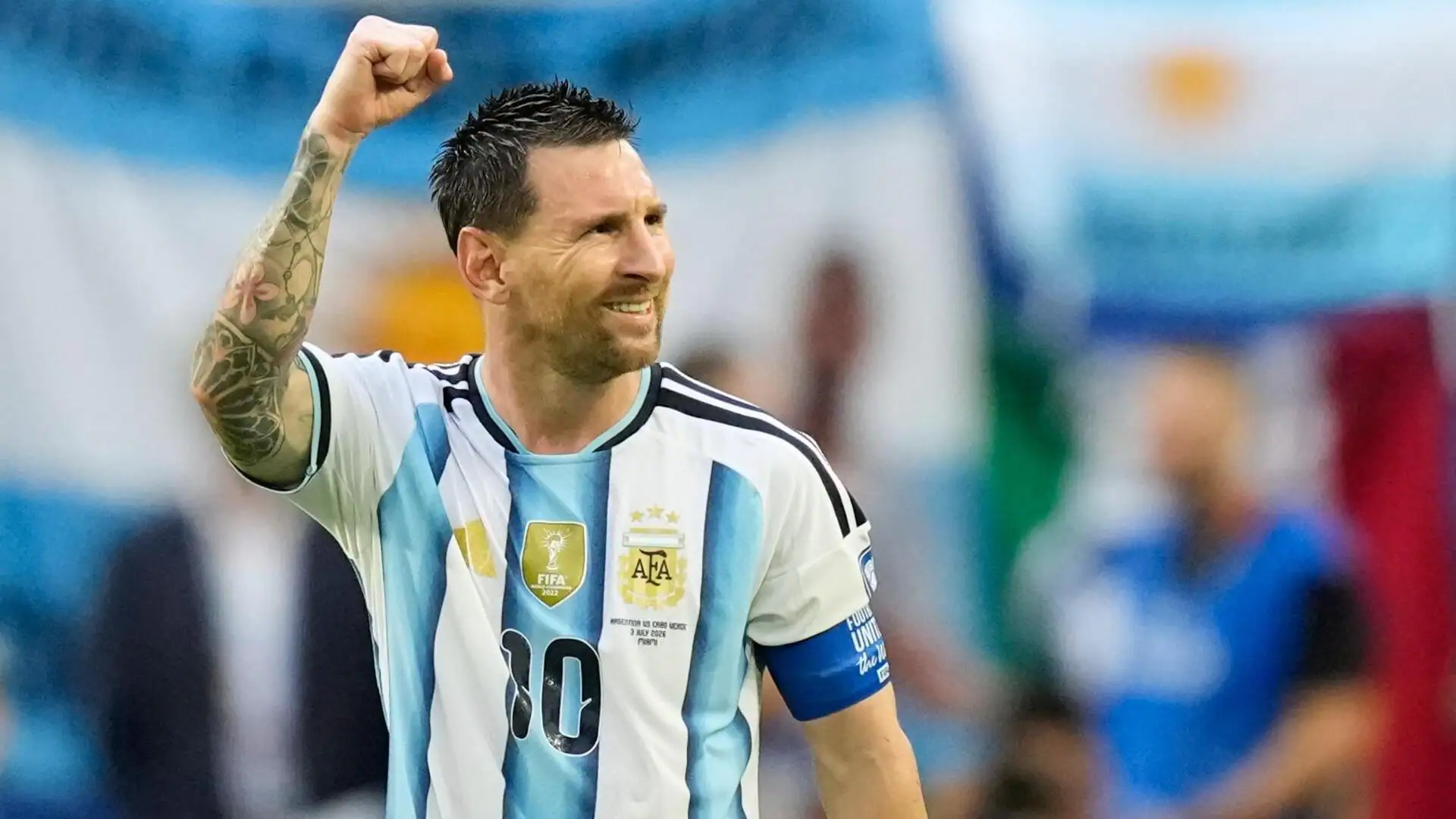
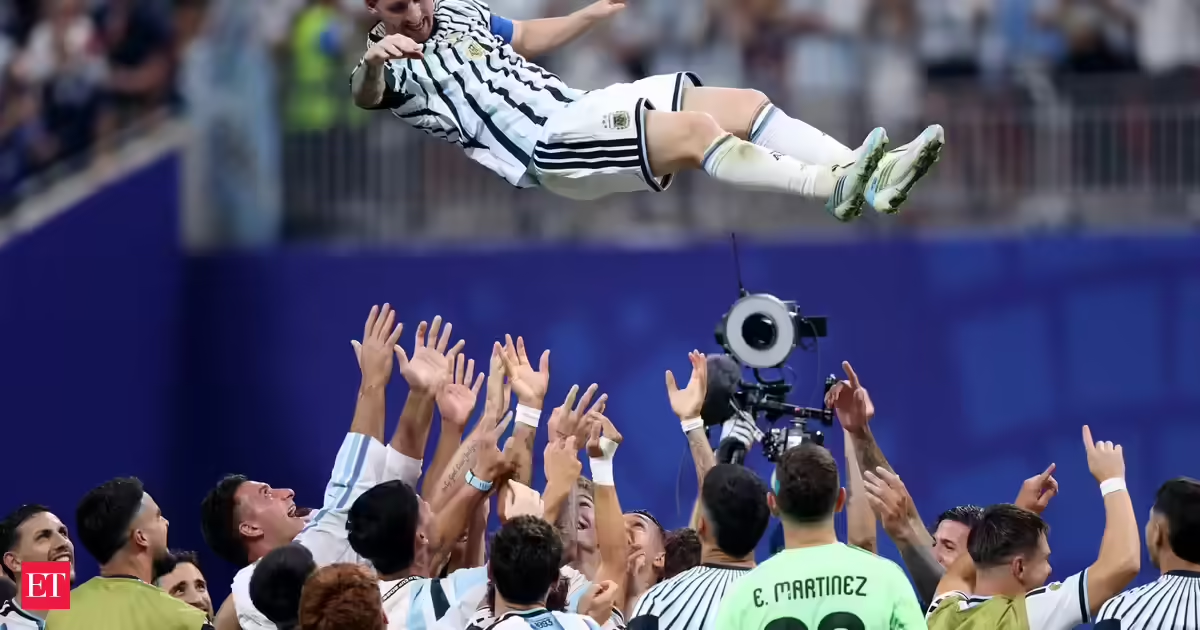
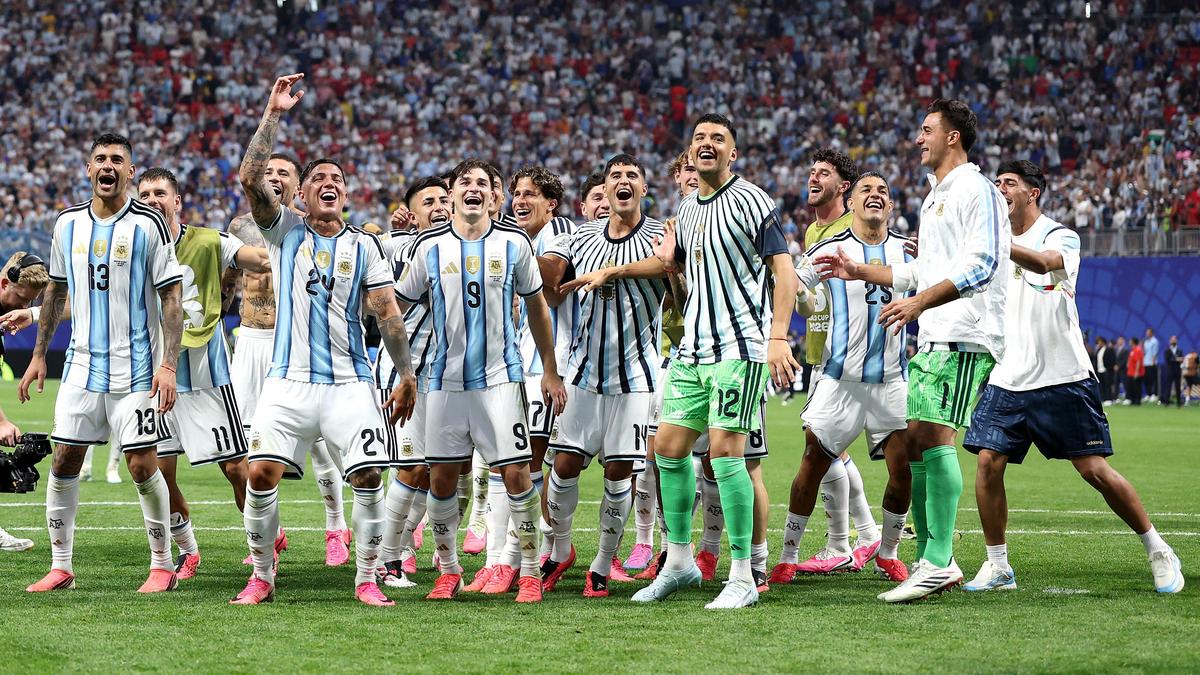
The eight teams, though, have taken very different paths to get here. Some arrived through control, some through chaos, and others through sheer stubbornness.Argentina’s route has been the least serene and perhaps, for that reason, the most revealing. The defending champion had to keep answering uncomfortable questions. Cape Verde dragged it deep in their round of 32 clash and Egypt then had it staring at elimination in Atlanta before Lionel Messi and company overturned a two-goal deficit in the final stretch to win 3-2.It has not always looked orderly, but Argentina has looked resilient. Messi’s goals continue to shape the campaign, but for Lionel Scaloni, the greater comfort will come from the fact that his team has already lived through the sort of disorder that often ends World Cups.“We made our people suffer even though we didn’t play a bad game,” Scaloni said after the win over Egypt. “We would be out if we didn’t fight.”