Lucknow: The Uttar Pradesh Cabinet has approved a new startup policy offering higher allowances, larger grants, and new financial incentives for entrepreneurs in a bid to strengthen the state’s startup ecosystem as it seeks to become a $1-trillion economy.
The Uttar Pradesh Startup Policy 2026, announced Tuesday, also introduces several measures, including an increase in the monthly sustenance allowance for startups, a hike in seed funding and interest subsidies on term loans in a bid to promote innovation and create large-scale employment and self-employment opportunities.The major focus of the new policy is the promotion of deep-tech startups working in sectors such as artificial intelligence, machine learning, robotics, quantum technology, space technology and other frontier technologies.
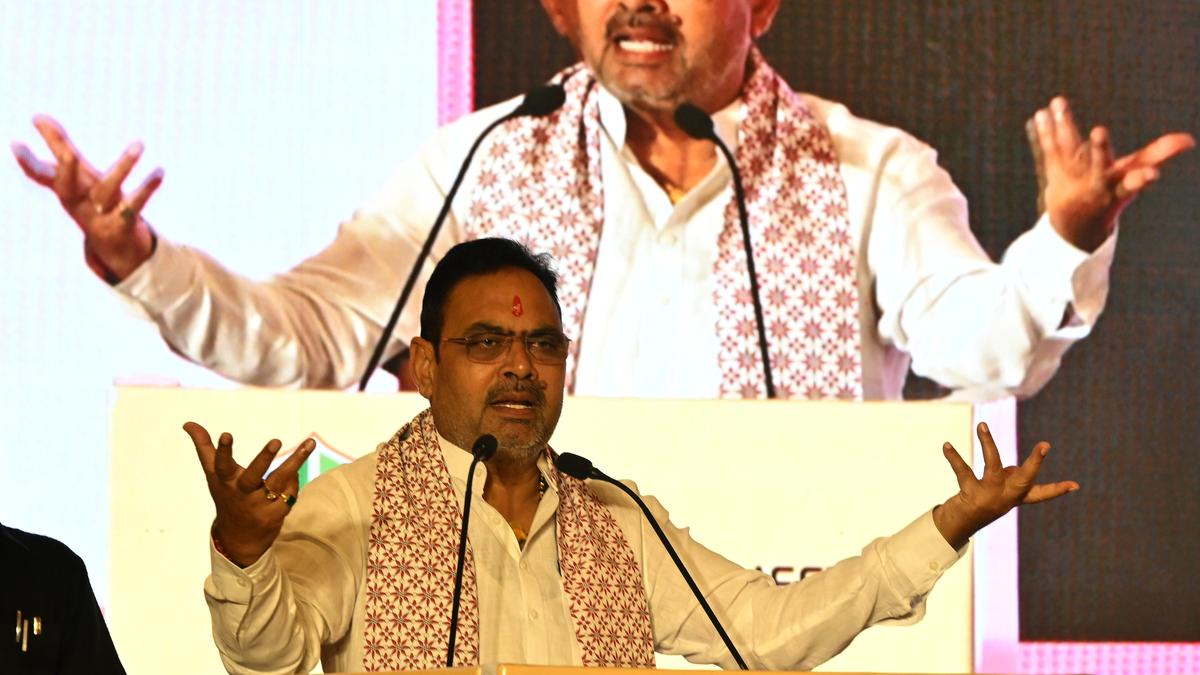
The policy also seeks to expand the startup ecosystem beyond major urban centres by promoting entrepreneurship in smaller towns and rural areas.Announcing the Cabinet decision, Uttar Pradesh IT and Electronics Minister Sunil Sharma told reporters that the new policy significantly expands financial and institutional support for startups from the ideation stage to commercialisation and growth.“We believe that the new policy will not only attract investment and encourage innovation but also generate employment opportunities, strengthen the state’s technology ecosystem and accelerate its journey towards becoming a $1-trillion economy by 2030,” he added.Among the key highlights of the policy, the monthly sustenance allowance has been raised from Rs 17,500 for one year to Rs 20,000 per month for two years, providing greater financial support to entrepreneurs during the early stages of their ventures.The government has also enhanced funding support for product development. ‘Prototype grants’ have been doubled from Rs 5 lakh to Rs 10 lakh, while ‘seed funding’ has been increased from Rs 7.5 lakh to Rs 15 lakh. In exceptional cases, startups will be eligible for seed funding of up to Rs 50 lakh, depending on the nature and potential of the project, ThePrint has learnt.Besides increasing grants, the policy introduces a range of financial incentives designed to reduce operational costs and encourage innovation.These include reimbursement of up to Rs 2 crore for patent filing and quality certifications, matching grants of up to Rs 5 crore, a 4 percent interest subsidy on term loans up to Rs 2 crore and reimbursement of employers’ contributions towards Employees’ Provident Fund (EPF) and Employees’ State Insurance (ESI).As part of a dedicated package to promote deep-tech startups, the policy offers prototype assistance of up to Rs 20 lakh, seed funding of up to Rs 30 lakh, patient capital support of up to Rs 100 crore and financial assistance covering up to 40 percent of research and development costs.