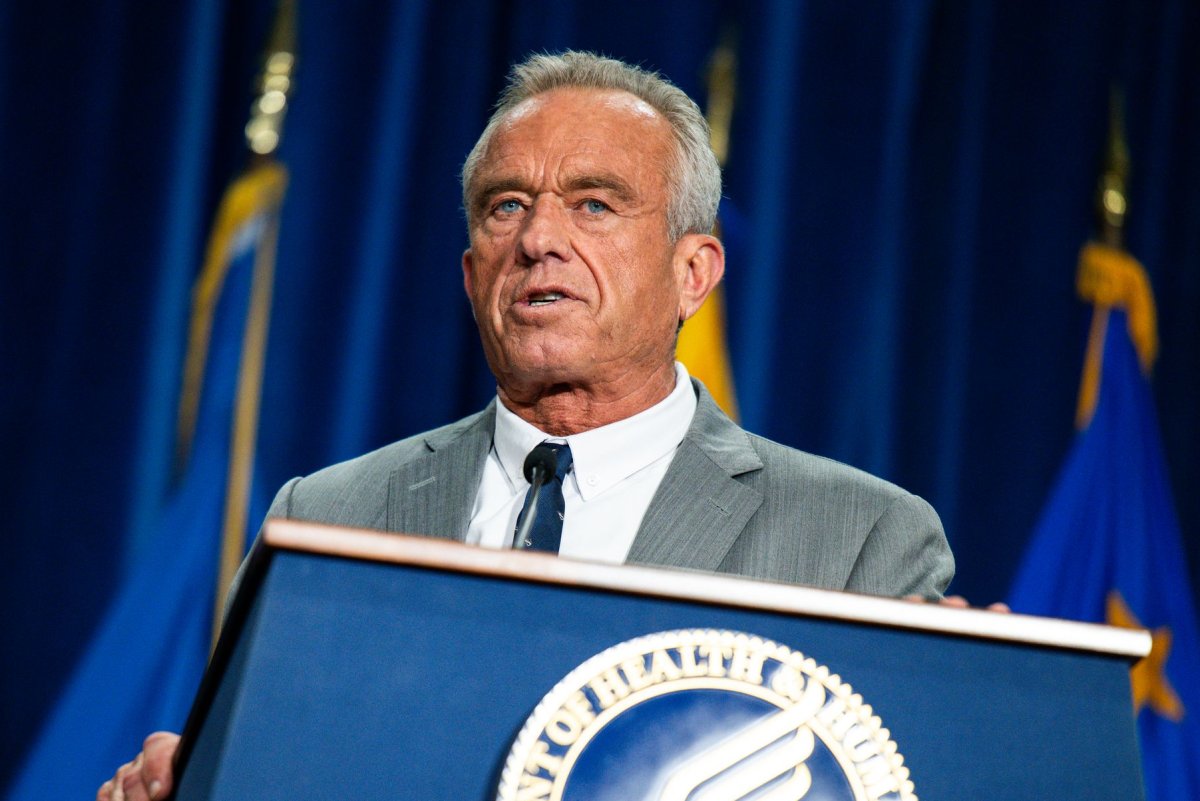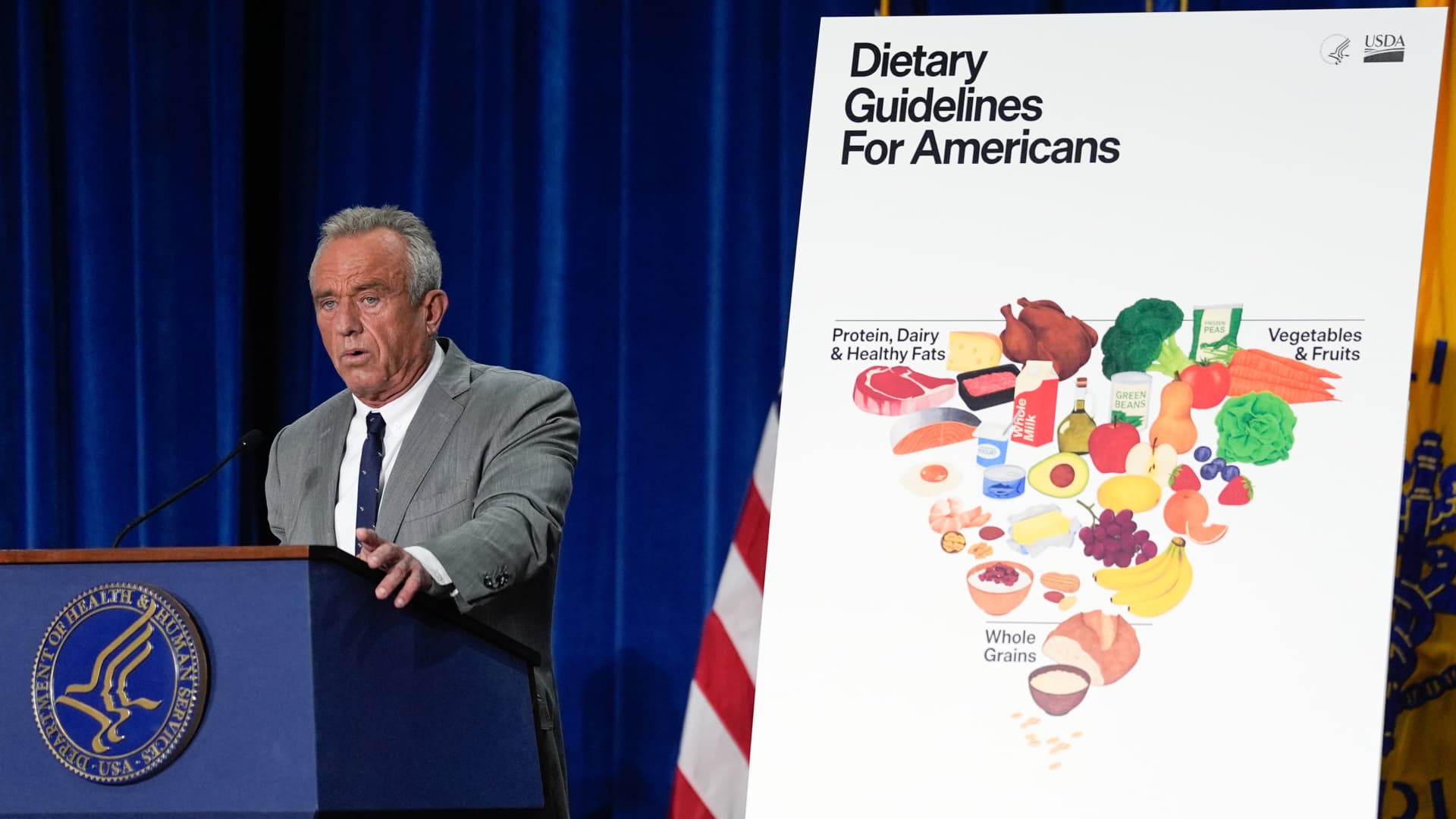
Health and Human Services Secretary Robert F. Kennedy Jr. announced on Wednesday a new “Make Hospital Food Healthier Pledge,” a voluntary agreement for hospitals and healthcare systems to bring their meal offerings in line with the 2025-2030 Dietary Guidelines for Americans, the administration’s main tool to advance MAHA food policy.Kennedy, in a press release, called on hospitals to “lead by example by serving nutritious, minimally processed meals that help patients heal, reduce chronic disease, and help Make America Healthy Again.”
The voluntary pledge contains eight practical recommendations for hospitals and healthcare systems to structure their meal offerings, including limiting ultra-processed foods and sugar-sweetened beverages, limiting added sugar, emphasizing whole grains, prioritizing protein, and eliminating deep frying.
Hospitals should heal people—and that includes the food they serve.Patients deserve meals made with real, nutritious ingredients that help them recover, not highly processed foods that fuel chronic disease.That's why @DrOzCMS and I are launching the Make Hospital Food… pic.twitter.com/wfTK0UpMw7— Secretary Kennedy (@SecKennedy) July 8, 2026
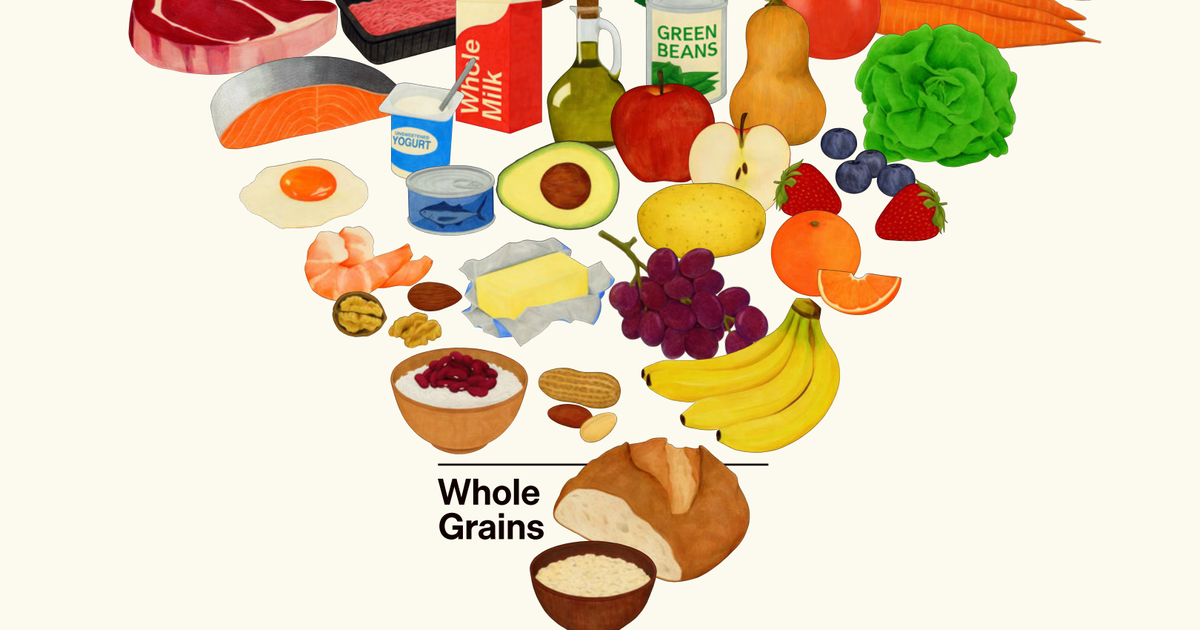
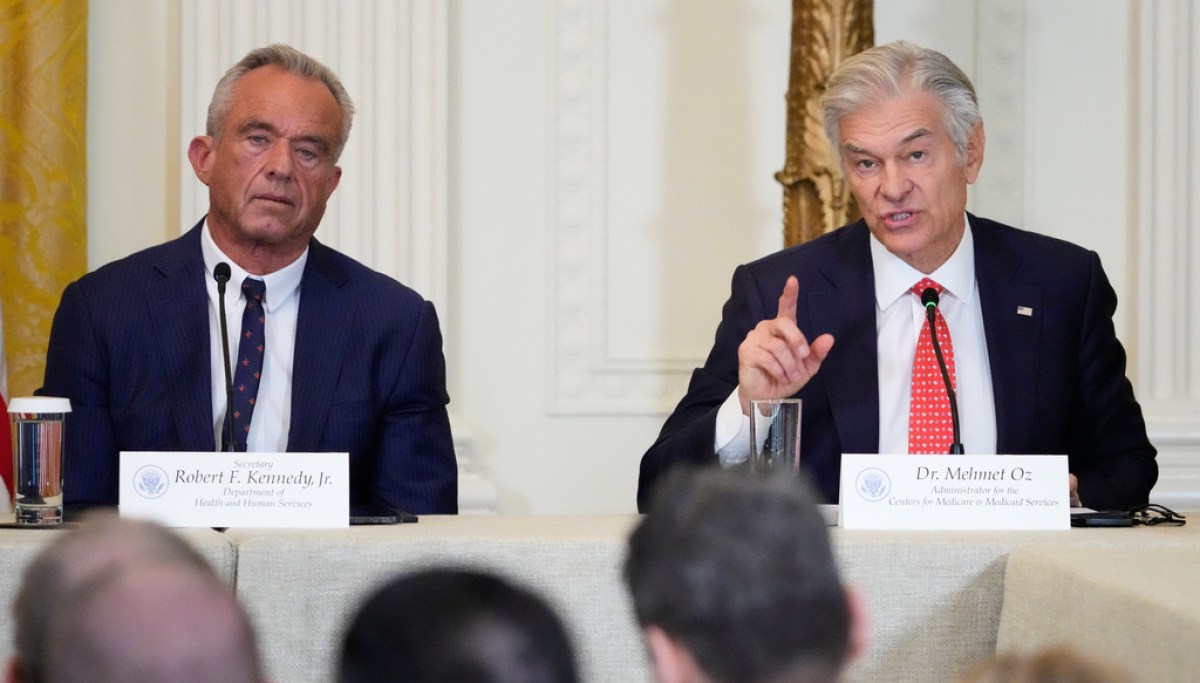
Other recommendations in the pledge include limiting processed meats and foods high in added sugar, sodium, and artificial additives, and prioritizing vegetables, fruits, seafood, and healthy fats.“Patients recovering from serious medical conditions deserve better than ultra-processed and deep-fried junk foods,” Kennedy said. The Dietary Guidelines for Americans, issued in January, is a policy document published every five years by HHS and the Agriculture Department to advise federal food assistance programs on the most up-to-date nutrition science. Included in Kennedy’s rendition of the guidelines are recommendations such as nearly doubling daily protein guidance and promoting animal fats, including full-fat milk and beef tallow.Centers for Medicare & Medicaid Services Administrator Dr. Mehmet Oz joined Kennedy in encouraging hospitals to implement nutrition changes voluntarily to bring their meal offerings in line with the new dietary guidelines.Oz, whose agency oversees rules and federal funding for hospitals, has frequently said that when he was practicing medicine at Columbia University, he was told by senior physicians and staff to avoid hospital food. “Hospitals should nourish patients with the same commitment they bring to every other aspect of care,” Oz said in a press release on Wednesday. “That’s why we’re challenging hospitals to limit ultra-processed foods, feature nutritious meals that promote healing, and lead the way in delivering prevention-first, whole-person care.” The push for a voluntary pledge is a different approach from the one the administration took in March, when Oz issued a memo saying that his agency could withhold Medicare reimbursements from hospitals that did not come into compliance with the Dietary Guidelines for Americans.The vast majority of hospitals in the United States, roughly 82%, have two-thirds of their inpatients covered by Medicare or Medicaid, the social safety net insurance programs for seniors and low-income Americans, respectively. Almost all hospitals (96%) receive Medicare reimbursement for about half of their patients. The March memo received pushback from health industry professionals, saying it did not account for certain dietary restrictions and unique clinical needs. OBAMACARE PREMIUMS SET FOR ANOTHER DOUBLE-DIGIT INCREASE IN 2027The Dietary Guidelines for Americans document itself has also been criticized by healthcare industry leaders because it is significantly shorter and less detailed than in years past. Administration officials said at the time the document was streamlined to make it easier for laypeople to use, but industry professionals say it lacks needed specificity. The new voluntary pledge stresses that hospitals should offer meals in line with the Dietary Guidelines for Americans “where clinically appropriate and feasible,” as well as offer patients and hospitals healthy choices for food and beverages.