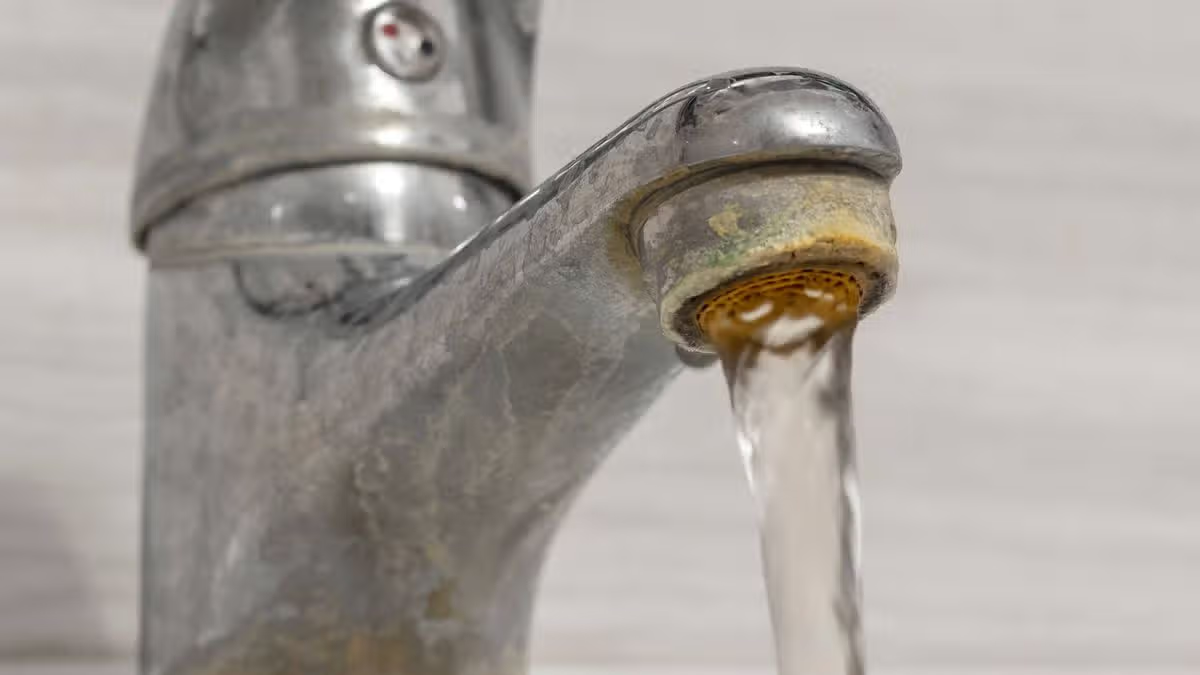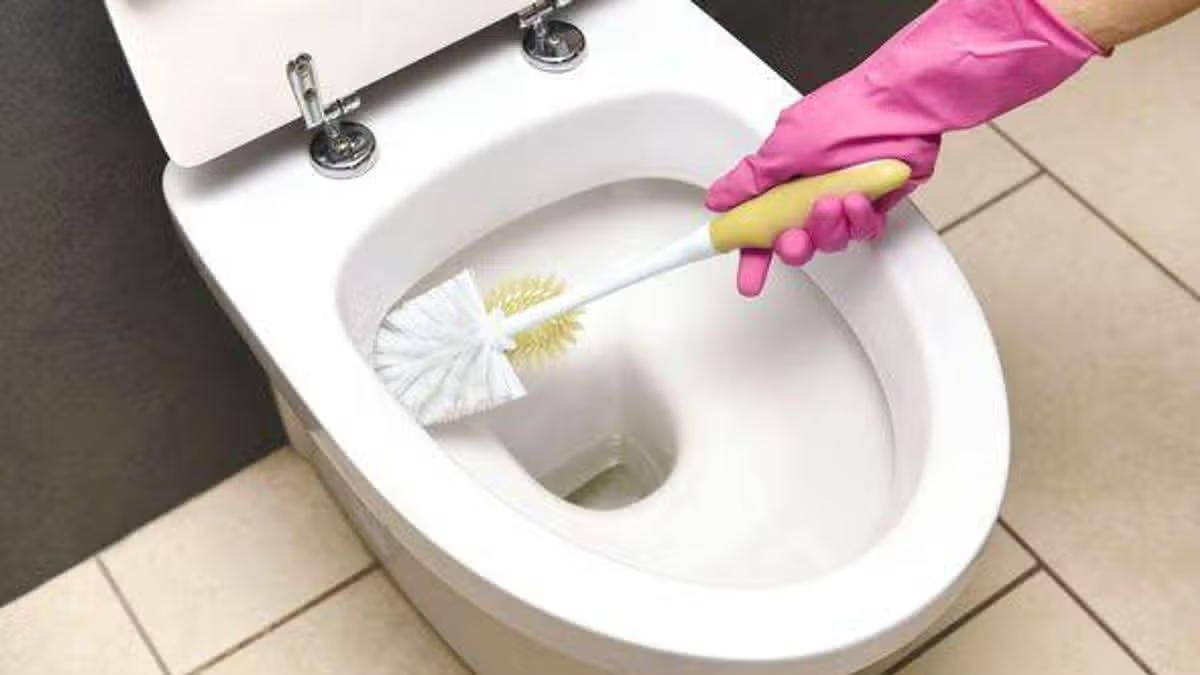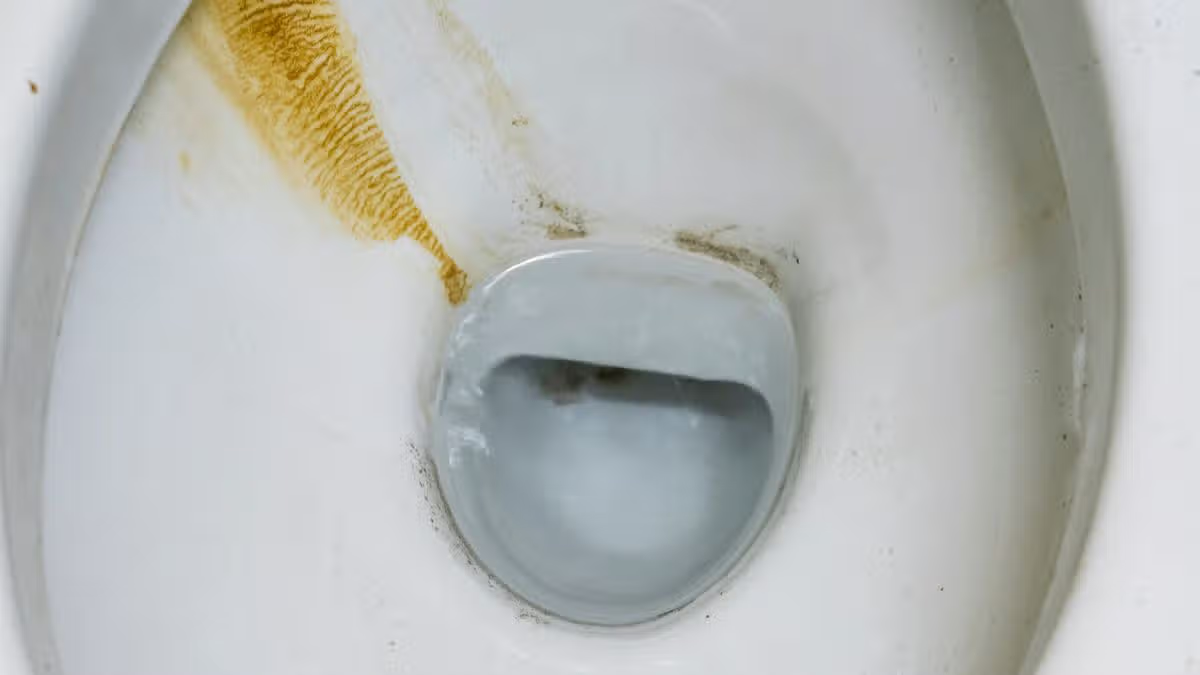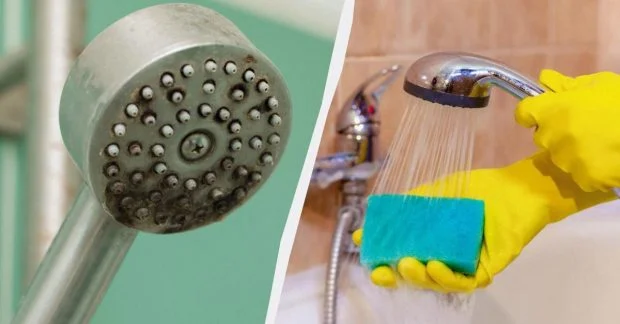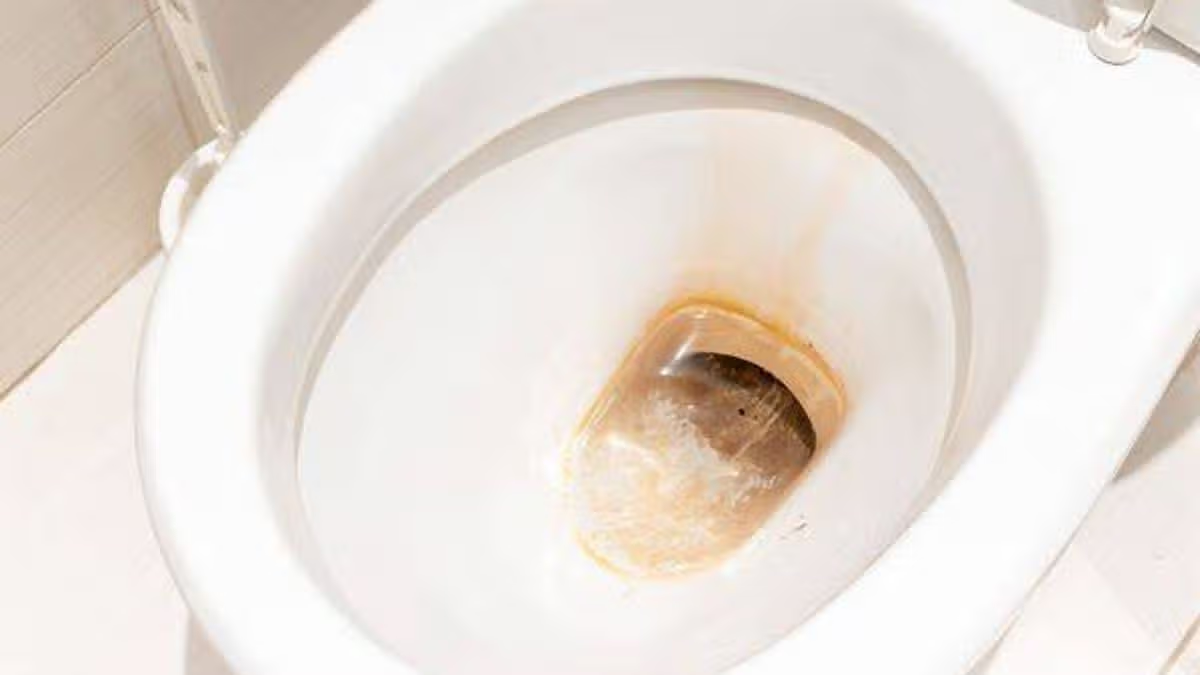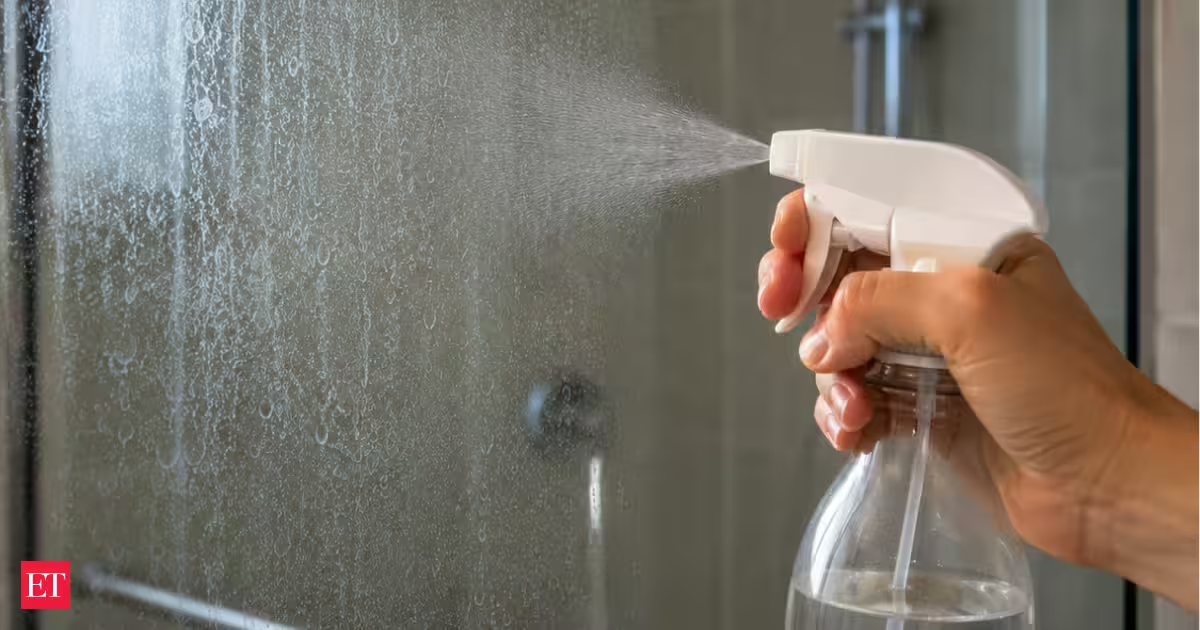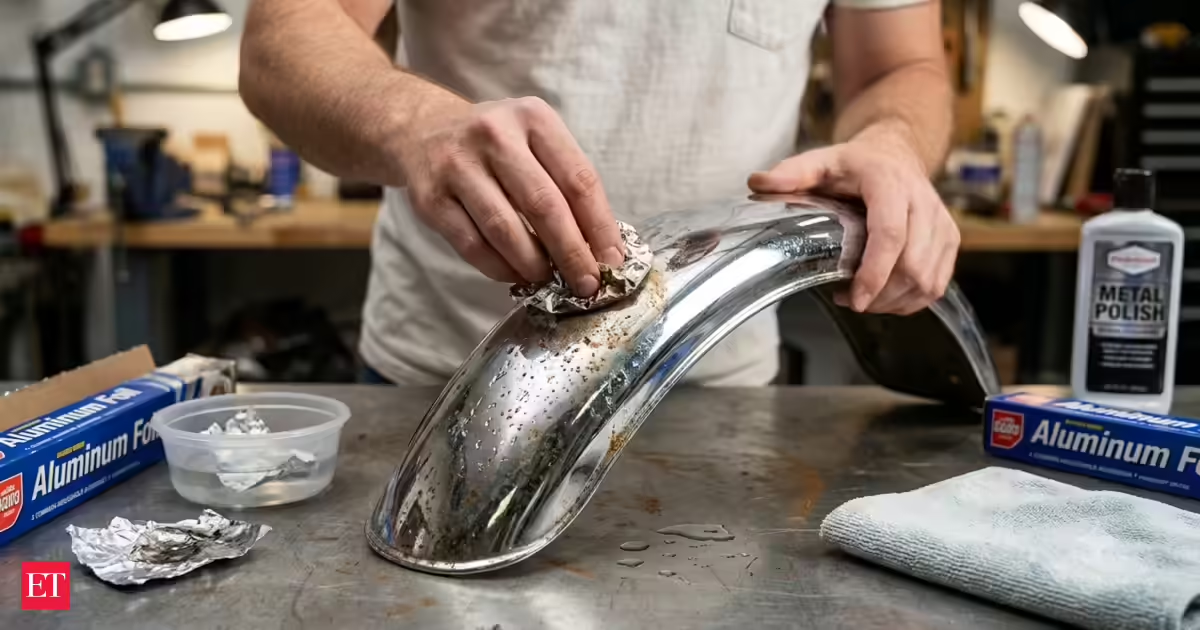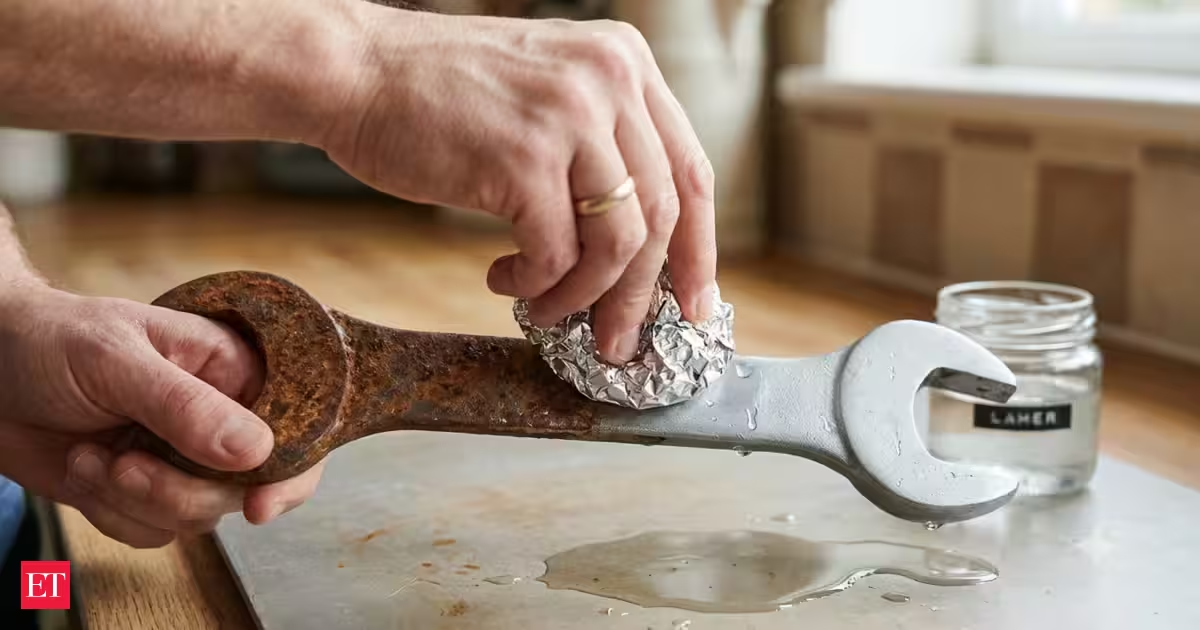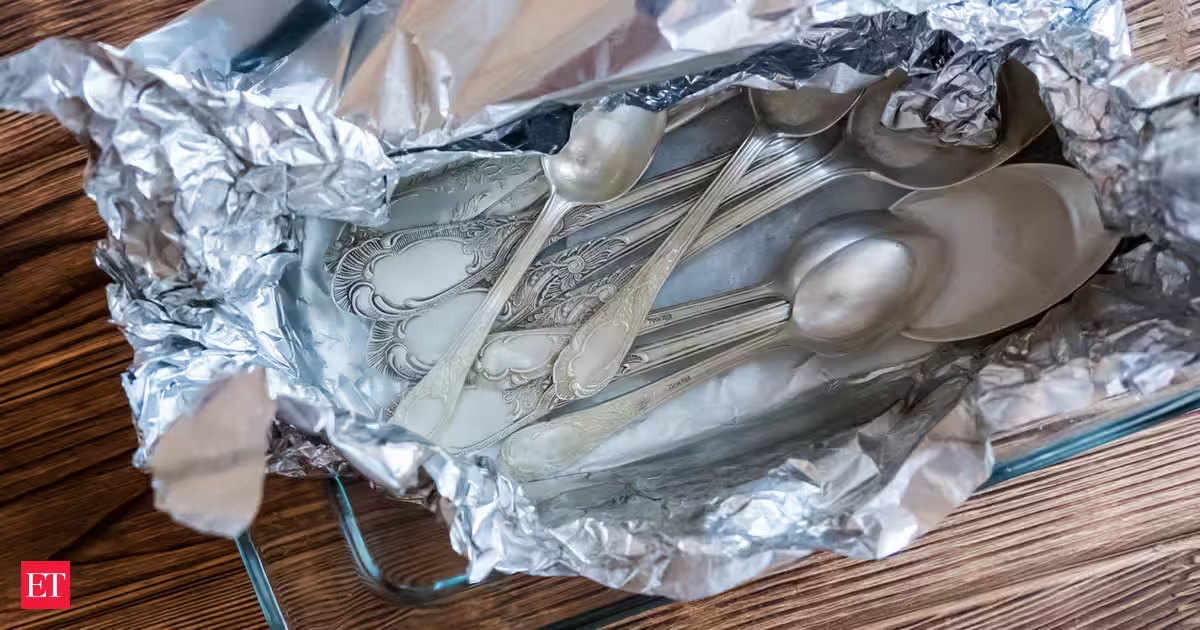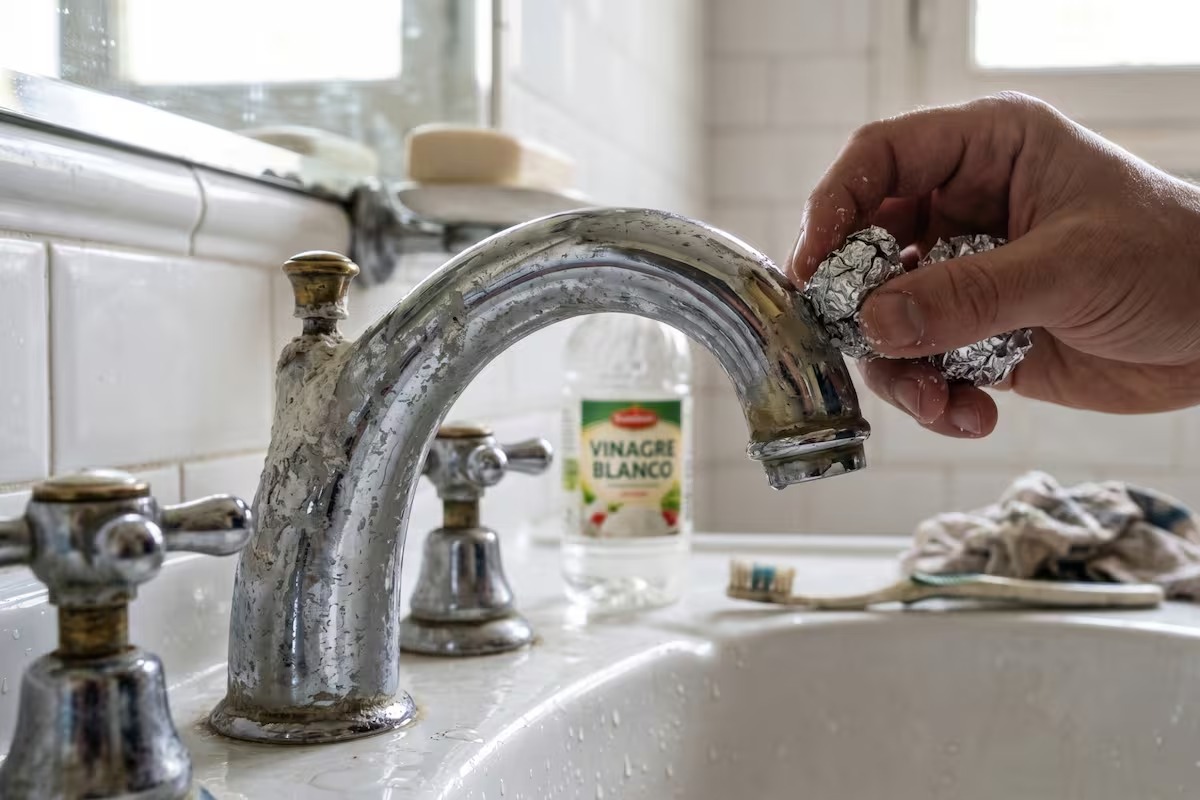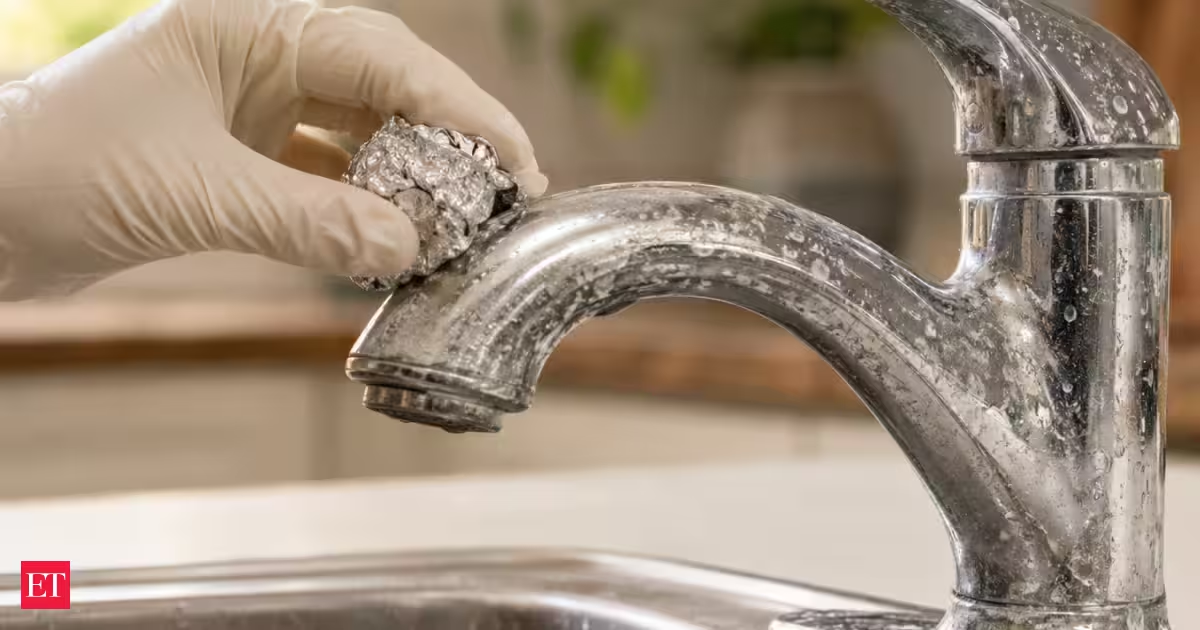
If you live in the US, chances are your faucet has a chalky white ring around the base that never goes away, no matter how much you wipe it down. According to the U.S. Geological Survey, hard water contains higher levels of dissolved minerals, such as calcium and magnesium. When that water evaporates on a surface, the minerals are left behind as a crusty film called limescale. Not dangerous to touch or drink, but it’s stubborn, and it can make even a brand-new sink look years old.Before you reach for a commercial descaler, you might be surprised to find that the spare roll of aluminum foil in your kitchen drawer can do a surprisingly good job all by itself.Why does old foil work better than a fresh spongeCleaning experts say a crumpled ball of aluminum foil acts as a soft scouring pad. Crumpling adds just enough texture to lift dried mineral deposits without scratching chrome or stainless steel, which is why foil balls have long been used to scrub grill grates and burnt pots. Aluminum is a soft metal, so unlike steel wool, it will not gouge a polished faucet finish even with repeated use.Regular household foil works fine for this; you don’t need the heavy-duty kind made specifically for cleaning. Standard foil is thin enough to scrunch into a dense, texture-rich ball, and that’s what gives it its scrubbing power. Heavy-duty foil will work too, but the extra thickness can sometimes make it harder to crumple into the same tight shape. Either way, save foil that's already been used for cooking instead of tearing off a fresh sheet. It cuts down on waste and works just as well once balled up since the scrubbing action is based on texture and not how clean the foil was initially.From dull to dazzling in minutes. Image Credits: ChatGPTAnd there’s some real chemistry behind it too. Aluminum can react with some other metals in an electrochemical reaction, where electrons transfer from one surface to the other when they meet in water, notes Chemistry LibreTexts, a University of California, Davis chemistry resource. This is the same principle that makes foil pull tarnish off silverware. That reaction can give a little chemical boost to a faucet in addition to the physical scrubbing.The vinegar many people already reach for works through a different but complementary mechanism. The acidity in vinegar, according to the U.S. Geological Survey, helps to break down mineral deposits by giving the calcium and magnesium particles an electric charge so they are more likely to be attracted to opposite charges in water and rinsed away rather than remaining stuck to the surface. That's why pairing a splash of vinegar with the foil ball tends to remove tough spots faster than dry scrubbing.How to actually use itHunker says this method works best on hard metal surfaces such as chrome, stainless steel, and iron, and even better when combined with a mild electrolyte, like water, salt, or white vinegar, because that helps the reaction along. Here's a simple version to try at home.Tear off a manageable piece of foil and scrunch it into a ball, but don’t flatten it out too much, as it’s the texture that does the work. If the buildup is bad, sprinkle the ball with water or dip it in a little white vinegar, then gently rub it on the stained parts of the faucet in small circles. Once the spots are gone, rinse the faucet thoroughly with clean water and dry with a soft cloth. This can help prevent the formation of new water spots right away. As it works, you should see the foil get darker or duller. This is normal and just means it is picking up the mineral buildup instead of leaving it on your faucet.Hard-water deposits start forming again when mineral-rich water evaporates from the surface. If you are only cleaning the existing limescale, you are only solving part of the problem. Over time, layers of magnesium and calcium can form a crust even more difficult to remove. This underpins the importance of prevention along with regular deep cleaning. Cleaning specialists recommend that simply wiping shower fixtures, faucets, and edges of the sink with a dry cloth helps a great deal in the reduction of mineral deposits before the water begins to evaporate. Homeowners in areas with hard water supply use water softening systems that basically reduce the mineral concentration in the water. These systems stunt the formation speed of the deposits but do not eliminate all deposits.One mixing rule worth rememberingThis method typically pairs foil with vinegar, so it’s worth keeping that vinegar away from any cleaner that contains bleach. The CDC says mixing bleach with an acid, like vinegar, creates chlorine gas, which can cause breathing difficulty and eye and throat irritation in even small amounts, and it isn't always obvious that you've mixed the two if you're switching between bathroom products in the same session. This applies to any acidic cleaner, not just this cleaning trick, and it’s easy to forget when you’re scrubbing, especially in a bathroom where disinfecting wipes or bleach-based sprays are usually at arm’s reach. The solution: rinse the sink, air it out between products, don't layer cleaners back to back, and you'll avoid the issue altogether.A few things to keep in mindThis trick works best on light to moderate limescale and water spots, rather than on years of hardened buildup, which may require a soak in vinegar first before you bring in the foil. Also, if you have a matte, brushed or specialty-coated finish, it’s a good idea to test it on a small, hidden section of the faucet before you go all in, because foil works best on classic chrome and stainless steel rather than delicate coatings that could scratch or dull.Skip this method around natural stone, marble, granite, limestone, or travertine surfaces near a faucet base. These stones are calcium carbonate and will react to acids like vinegar, etching or dulling the surface permanently. This leaves a visible mark that can not be fixed with any amount of polishing. This is a standard warning from stone care professionals and applies to any acidic cleaner, not just this one. If your sink or countertop is natural stone, use a pH-neutral cleaner and do not use the vinegar; just use plain water with the foil ball instead.It’s also useful to know that hard water isn’t evenly distributed. According to the U.S. Geological Survey, hardness varies significantly by region, with the driest parts of the West and Midwest generally seeing the highest mineral concentrations, so how often you'll need this trick depends a lot on where you live.Wearing gloves while cleaning is a good idea, both to protect your hands and to get a firmer grip while scrubbing.The scrub that almost costs nothing but works like magic. Image Credits: ChatGPTOther spots where this trick comes in handyThe foil-ball method works on more than just faucets. The same chalky buildup frequently develops in showerheads, drain covers, and the metal trim around bathtubs, and a damp ball of foil treats them just as gently. It also works on chrome bike parts, chair legs, and old cutlery beginning to tarnish. One caution: always rinse and dry the surface afterward, as the moisture left behind can cause new mineral deposits. And keep foil away from anodized aluminum or gold-toned fixtures, where the same mild abrasion could dull the finish rather than restore it.What to do with the foil afterwardA used foil ball doesn't have to go straight in the trash. If it’s not torn apart and is still holding its shape, you can rinse it off and reuse it to scrub a little more before it wears too thin. Once it's shredded or too grimy to hold together, most curbside recycling programs accept aluminum foil as long as it's reasonably clean, so a quick rinse before tossing it in the bin keeps it out of the landfill. It's a small step, but it fits the same low-waste spirit that makes this cleaning method appealing in the first place.Why this matters beyond just one faucetIn recent years, millennials and young professionals have embraced low-cost, low-waste cleaning hacks because they are affordable and reduce the number of single-use plastic bottles under the sink. Foil balls cost next to nothing, involve no harsh fumes, and reuse something you would have thrown away anyway. It will not fix the hard water issue at the source, and if your entire home is plagued with heavy scale build-up, a water softener is still the long-term solution for that. But for that one stubborn ring around your faucet, it is hard to beat a scrap of foil already sitting in your kitchen.
Many people throw away aluminum foil after cooking, but cleaning experts say it can also help remove water stains and restore a faucet's shine
Discover how aluminum foil can effectively remove stubborn water stains and limescale from your faucet, restoring its shine without harsh chemicals.
1,452 words~7 min read