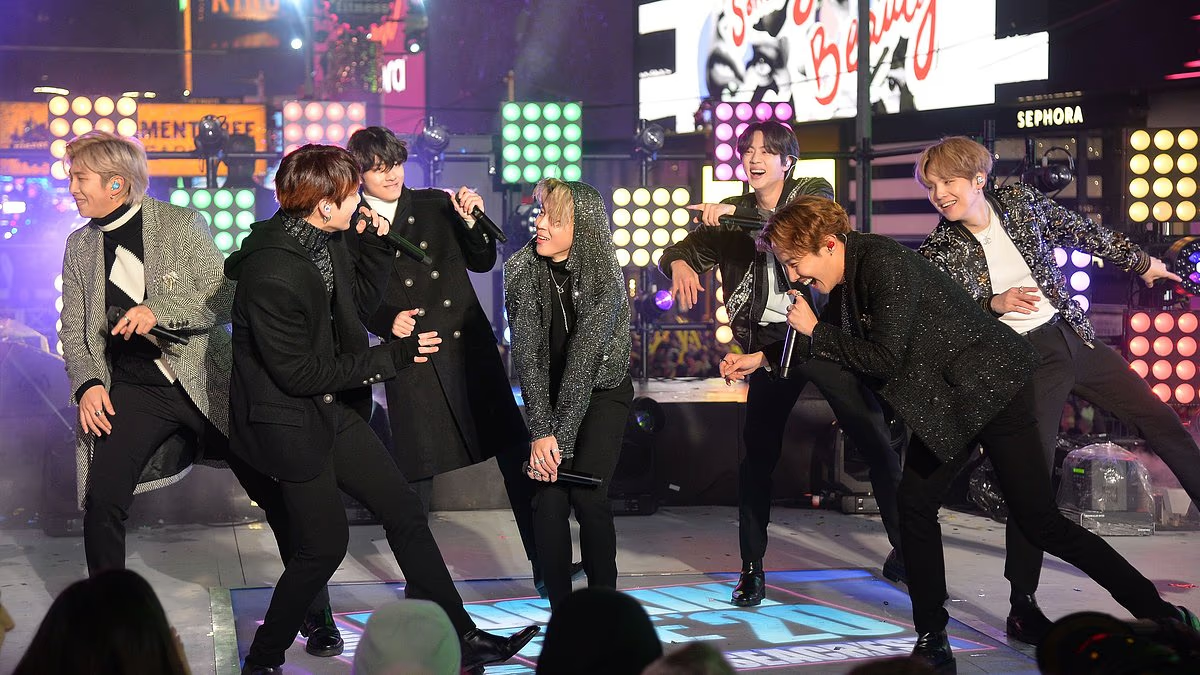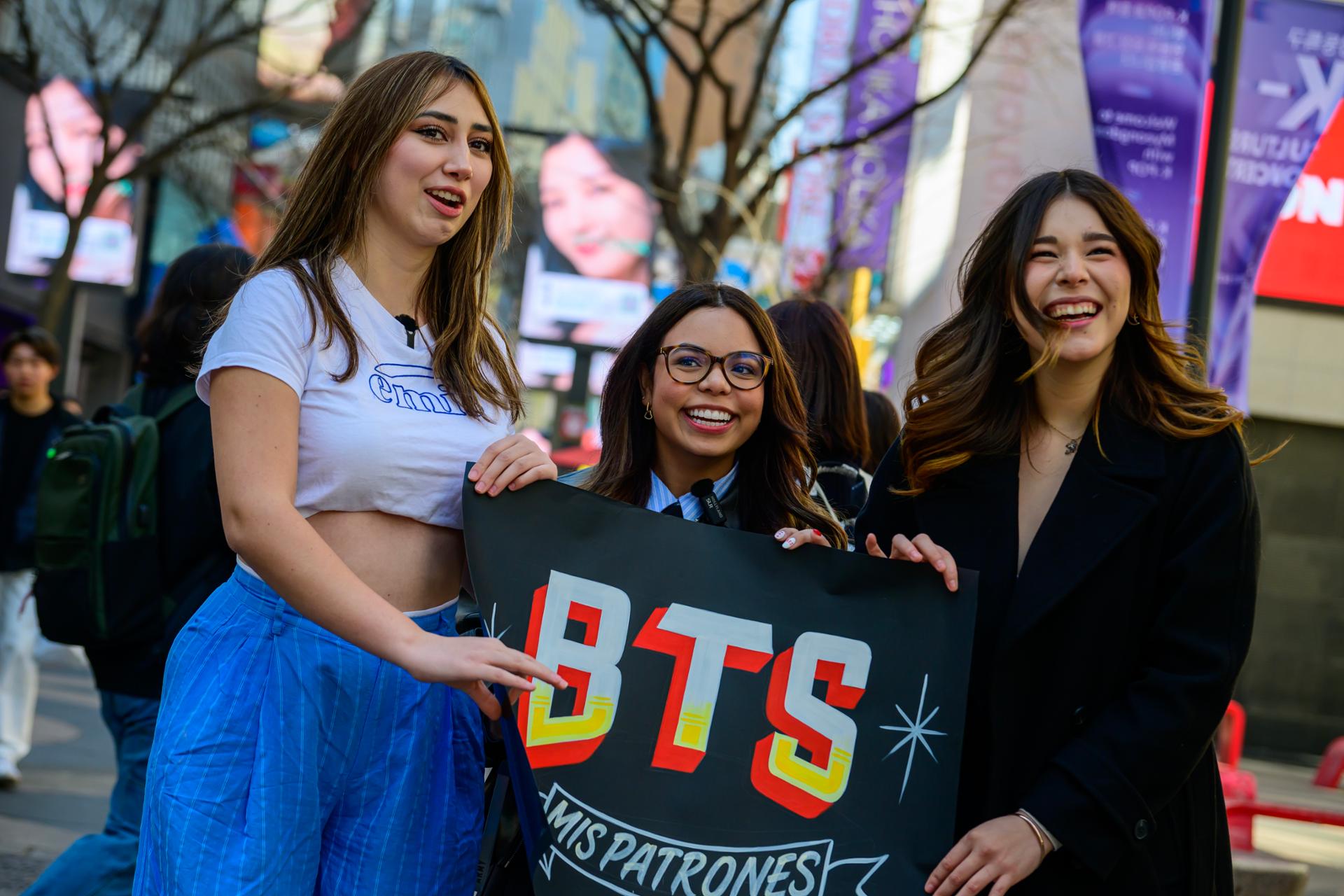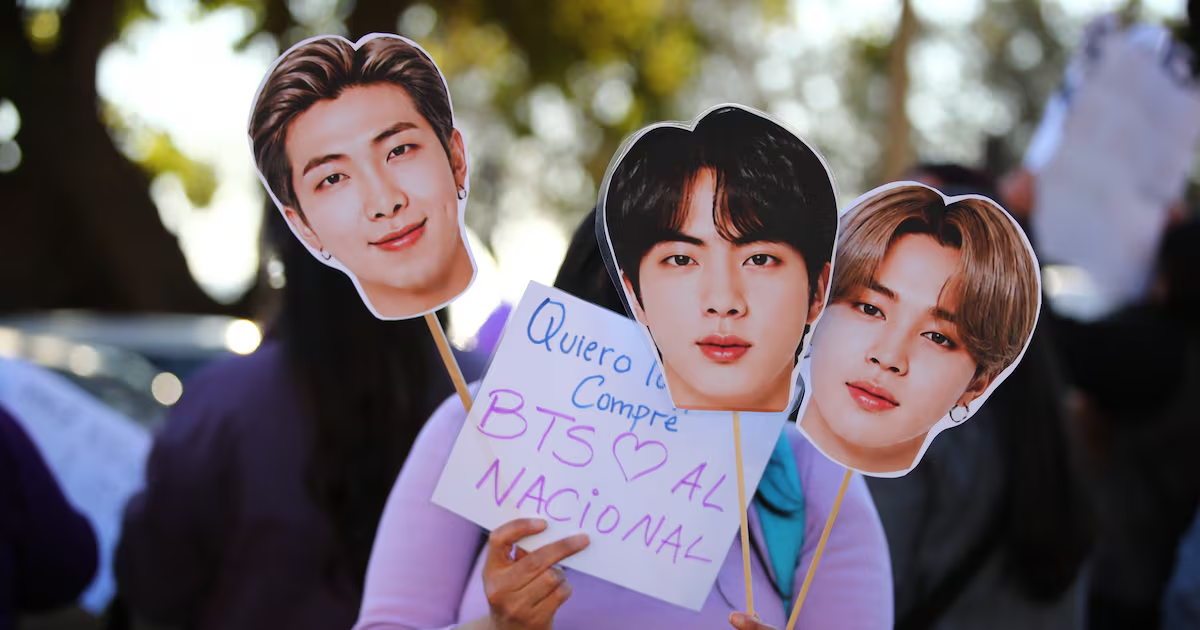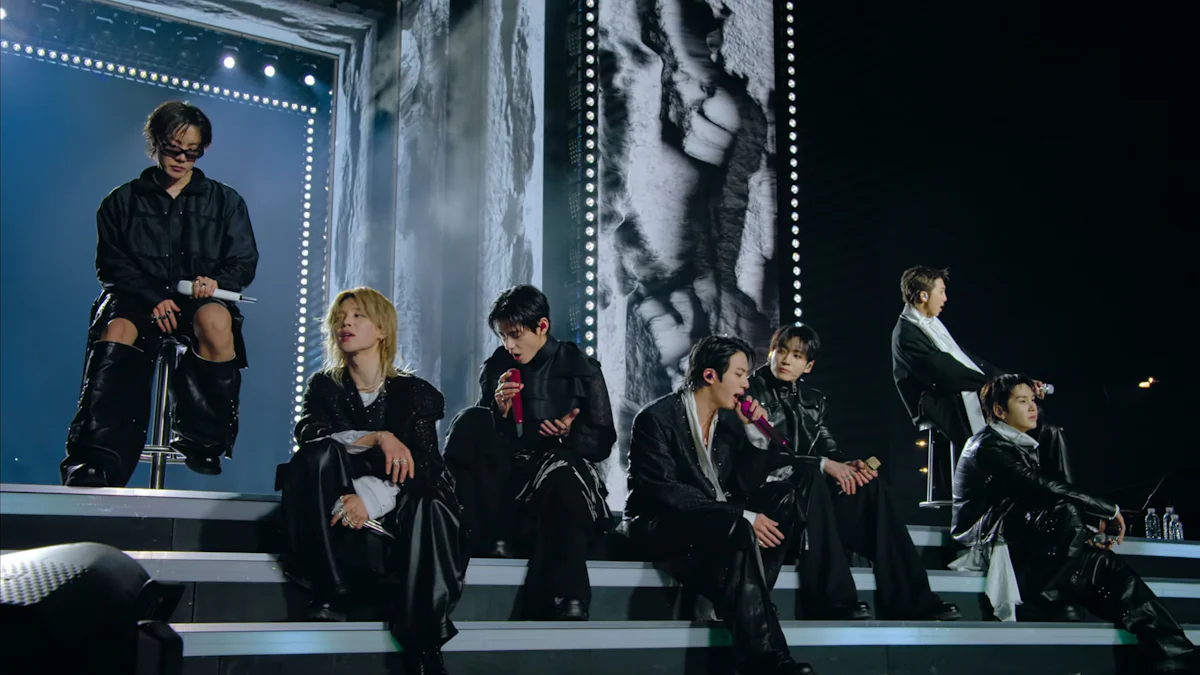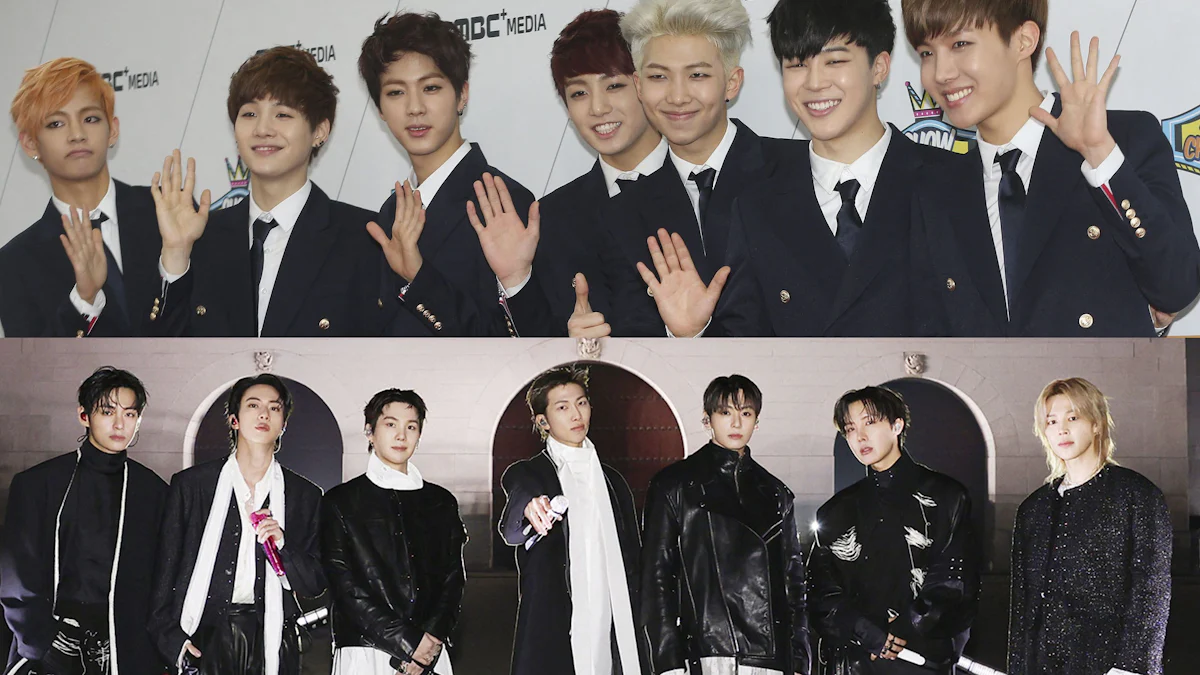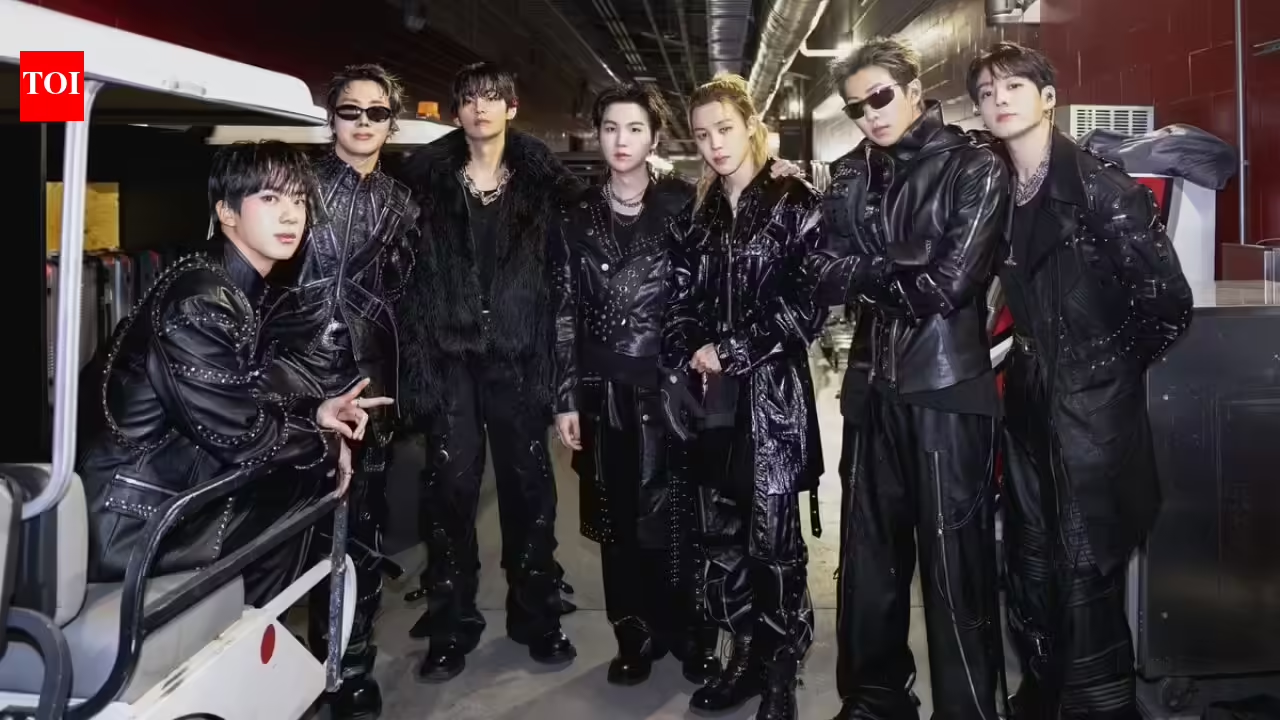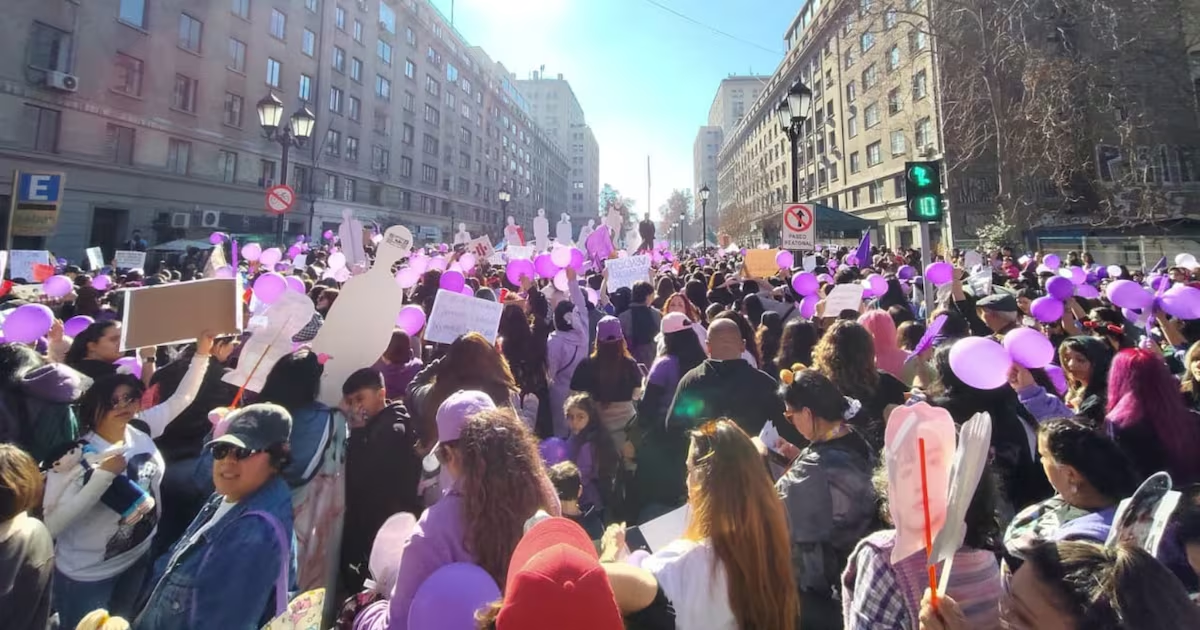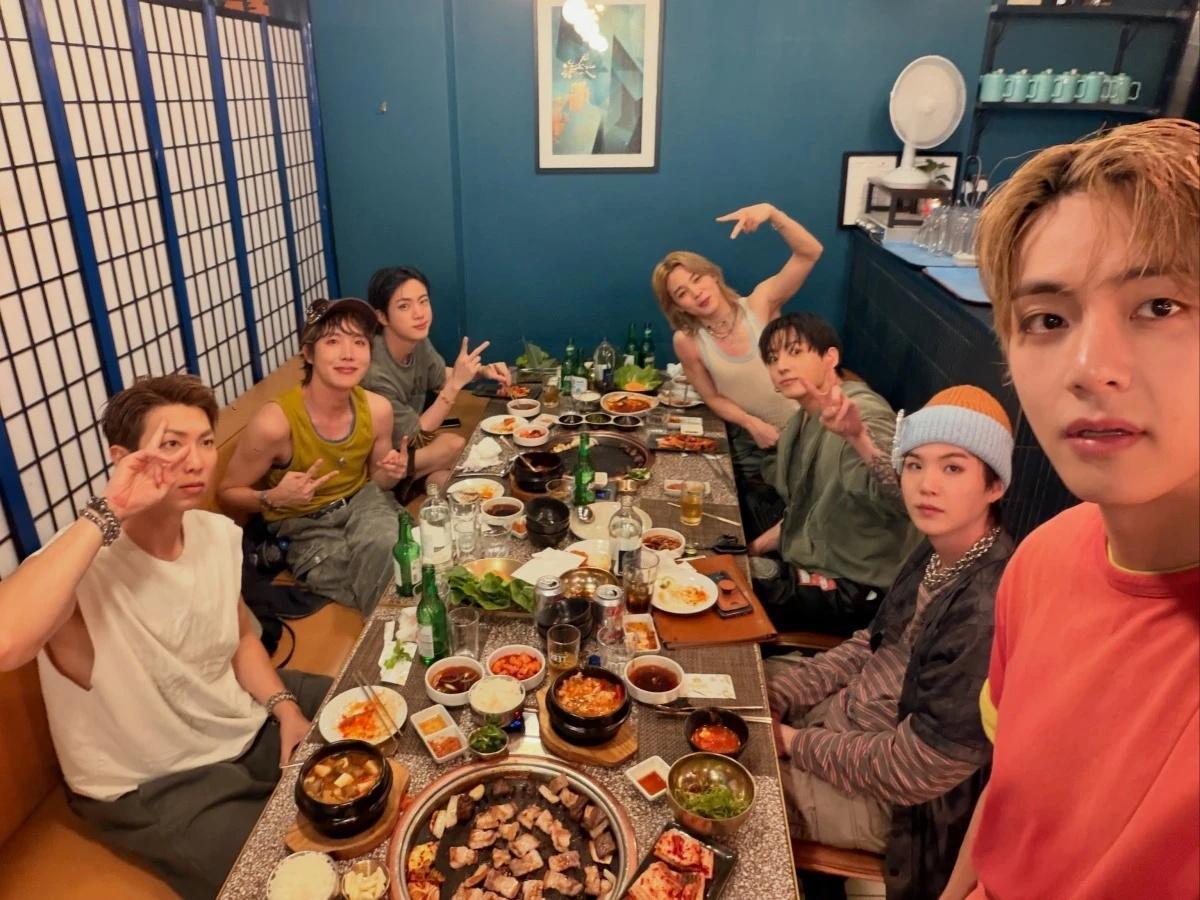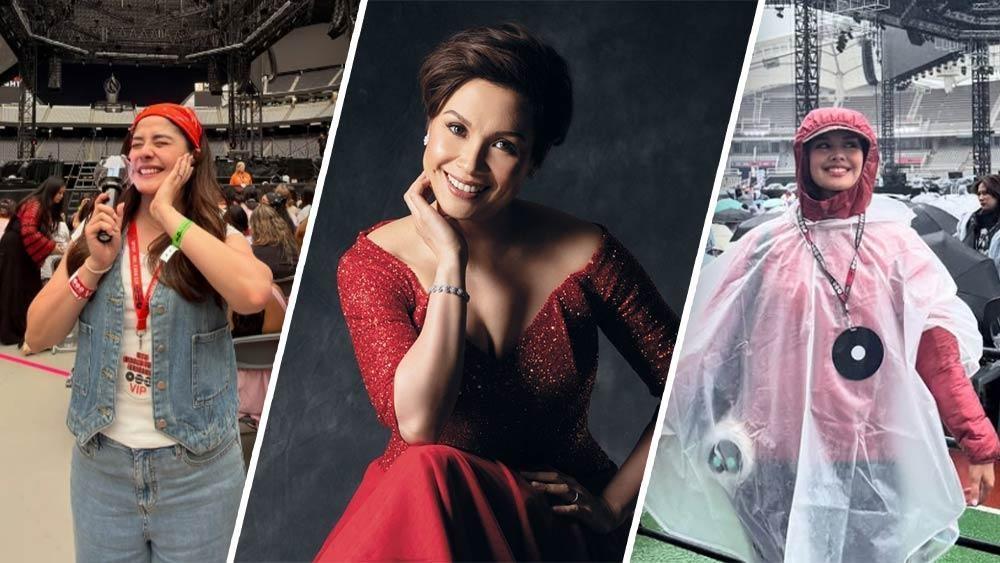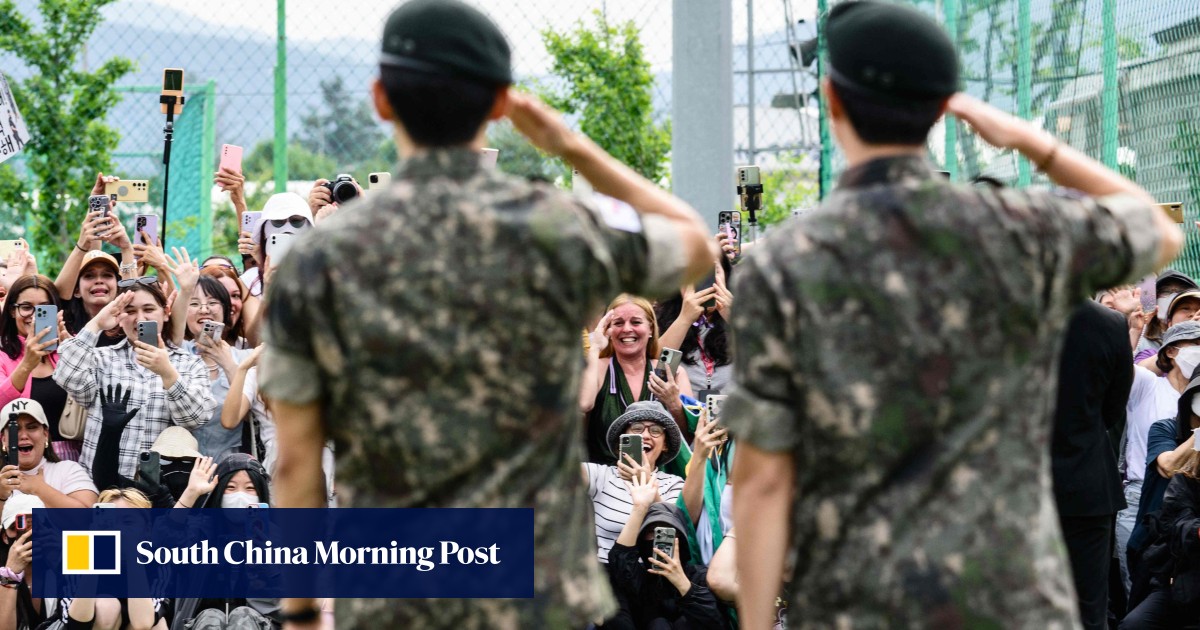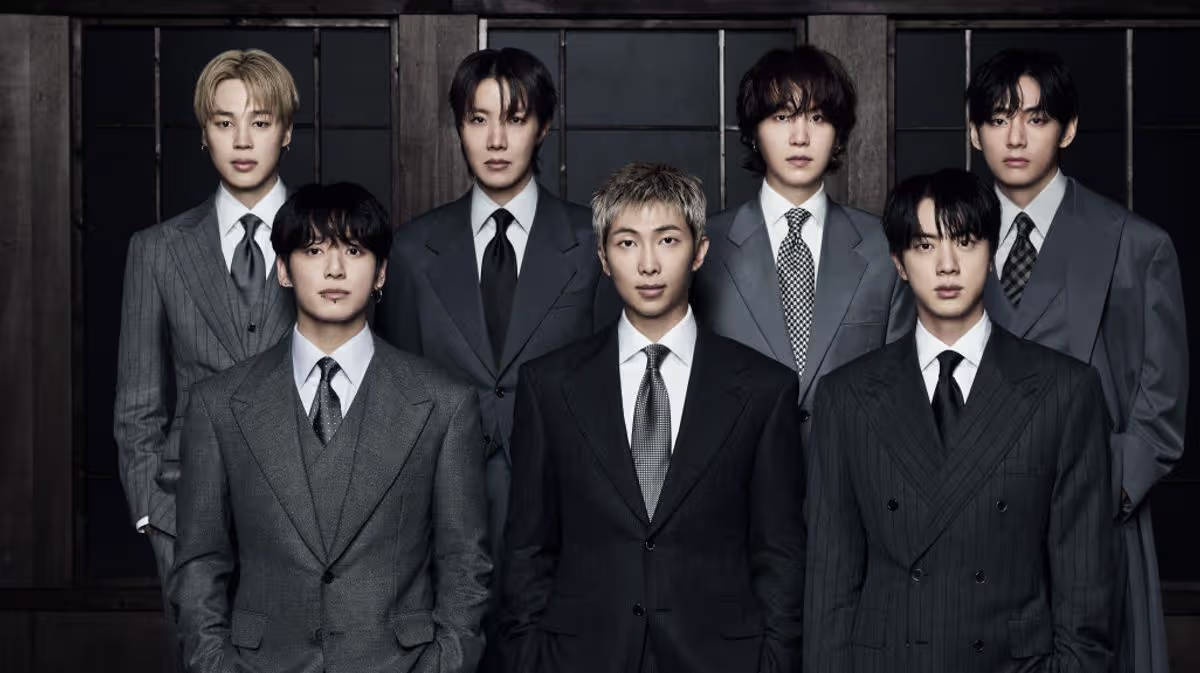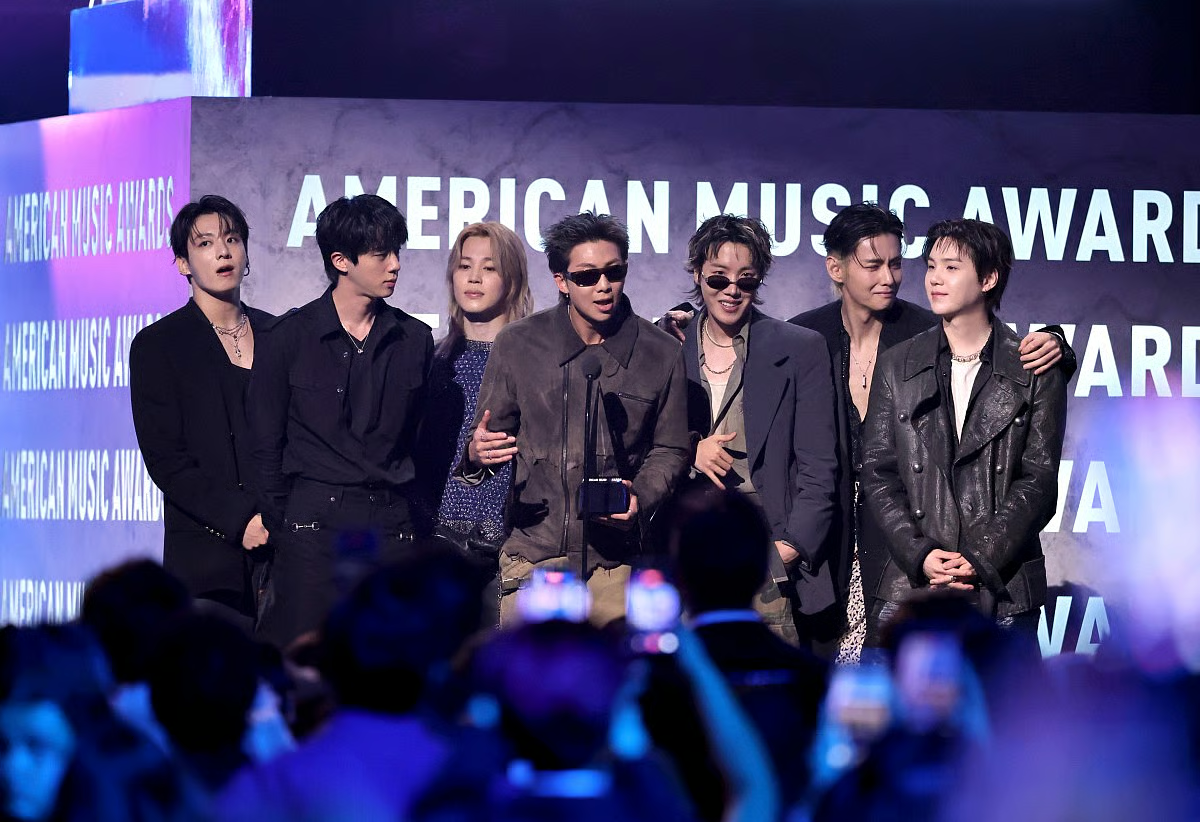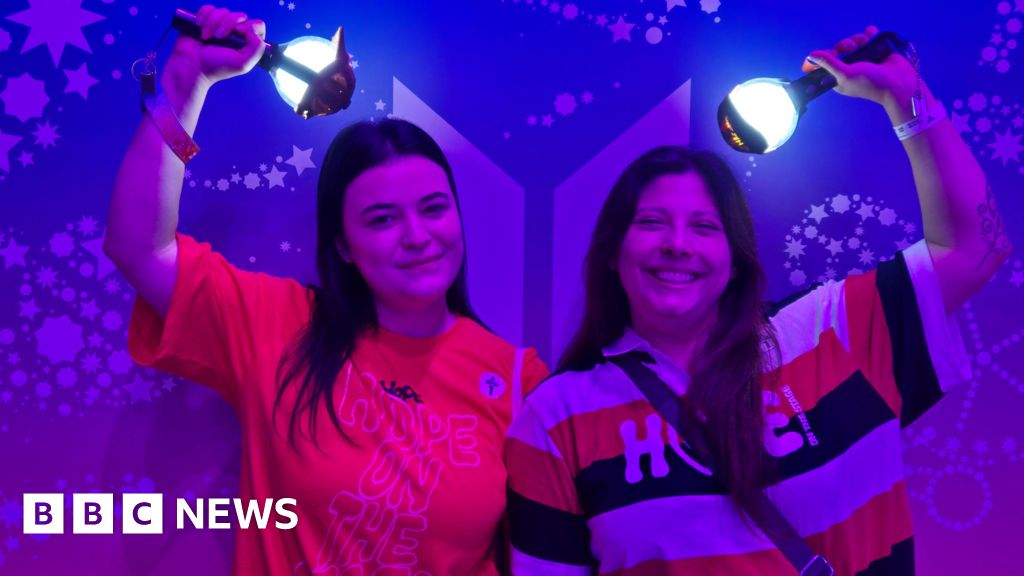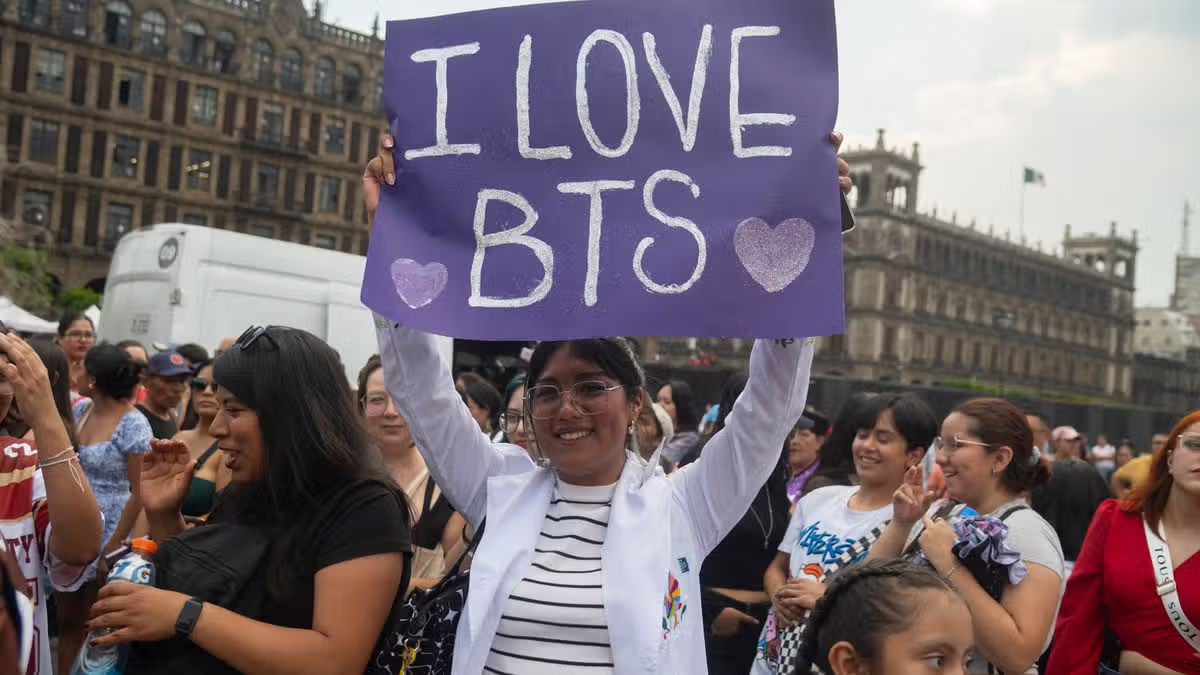
EXCLUSIVE: The BTS Army is arguably the most loyal fanbase in existence and according to those who know the band, are 'absolutely critical' in BTS's success15:26, 08 Jul 2026Updated 15:30, 08 Jul 2026In a testament to the group’s devotion to their supporters, RM says interacting with their fanbase comes as naturally as “inhale, exhale”. The result of this record-breaking engagement is one of the most loyal fanbases in music history, known collectively as the “Adorable Representative MC for Youth”, or the Army.“There is no other fanbase like it, and they were absolutely critical to building BTS up to what they are today, and the band would 100 per cent agree with that,” says songwriter Marcus McCoan, who has co-written tracks with the group. “It was and still is a snowball effect – the more the fans show up for them, the more they talk about them online and the more merchandise they buy, the more chances BTS offer them to be involved. It’s very much a two-way relationship, and it’s fair to say K-pop bands really live or die by their fans.”The Army first made headlines in 2017 when they mobilised online to earn the band the Billboard Music Award for Top Social Artist, a category that recognises streaming numbers and levels of fan engagement on social media.When Arirang became the most streamed K-pop album in Spotify history earlier this year, it was clear that fans’ dedication remains unchanged – even after the group’s four-year hiatus.Euny Hong, author of The Birth of Korean Cool: How One Nation Is Conquering the World Through Pop Culture , says the relationship between fans and the band is a very special one.“The Korean word for the K-pop audience relationship is ‘fandustry’, and it’s a concept that Koreans made up, which is the idea that the band operates as if the audience is more important than the band members themselves.”Fans pay an annual fee of around £16.50 via the Weverse app (which was created by Hybe, formerly Big Hit Entertainment) to become a card-carrying Army member.It gives them exclusive behind-the-scenes footage and intel, live streams, offers on merchandise (including the famous Army bomb, the official spherical light stick held by fans at concerts) and, perhaps most importantly, early access to live show ticket presales.There are also “fan chant guides” for concert goers, which include lists of song lyrics with certain words or sentences highlighted in blue and red to signal “shout loudly” or “sing along”, and each ending with a rallying cry to “Wave your ARMY BOMB energetically and cheer loudly”.According to Carl Smith, Editor at Official Charts UK, the success in BTS’s fandom lies in them “breaking down this fourth wall” early on.“They didn’t just engage fans, they redefined the artist-fan relationship in the digital era,” he tells OK!. “Through Twitter, Weverse and their charmingly – and unconventionally – unfiltered live streams, the boys built one of pop’s most fiercely loyal fanbases.”While BTS concerts sell out on every occasion, the Army truly shines online. There are accounts dedicated solely to tracking BTS’s social engagement metrics, streaming guides issued for new releases and award seasons, and accounts focused on translating every piece of content the group produces.In 2021, their @BTS_twt message to #StopAsianHate was the most retweeted post of that year, and #BTS was the most retweeted hashtag on the platform, largely thanks to the fans celebrating their Dynamite Grammy’s appearance.In 2020, following the announcement that the group had donated $1 million to the Black Lives Matter movement, fans launched the #MatchAMillion campaign on Twitter. Remarkably, they reached the $1 million goal shortly after the 24-hour mark.The One In An Army fan collective runs regular campaigns, encouraging fans to donate to causes they consider to be aligned with BTS members’ values. Its most recent flash campaign raised money for a Los Angeles-based non-profit that organises free programmes and projects linked to diasporic Korean arts and culture.Their passion, however, has also sometimes been used to channel frustration with management decisions.When some members of the Army felt Jin’s role in the music video for Dynamite wasn’t prominent enough, they created and retweeted Twitter hashtags targeting BTS’s Big Hit label, including #BigHitLetJinShine, and funded a campaign to station a protest truck outside Big Hit’s headquarters in Seoul to display their support.There is also the reported rivalry between the Armys and Blinks (fans of Blackpink), which was described by a newspaper as “the most explosive fan war in K-pop history”.The exchanges are typically rooted in disputes over which group “paved the way” for K-pop’s global success, with tension fuelled by rumours of cross-band romances, which are generally not well received by the fanbases.BTS superfan Pankil Jhajhria explored the global impact of the K-pop group for the Malala Fund. “I love being a member of a group that not only cares about helping BTS sell records, but also cares about spreading the band’s social messages,” she says.“Knowing that I’m part of a movement that is making the world a better place makes me feel so much more than proud. It’s a beautiful, purple, glittery feeling that’s hard to describe.” She continues, “Even if you don’t understand the lyrics, the feelings and messages land upon you like nothing else.”The connection between the Army’s devotion and the band singing about topics once considered too risqué for the previously squeaky-clean image of K-pop is acknowledged by the boys. “We started to tell the stories that people wanted to hear and were ready to hear, stories that other people could not or would not tell,” Suga once said. “We said what other people were feeling – like pain, anxieties and worries. That was our goal, to create this empathy that people can relate to.”The mutual love is never more apparent than at a BTS live show, according to K-pop expert Euny, who says the boys regularly demonstrate the ultimate act of respect to their Army on stage.Article continues below“They always bow to the audience,” she says. “In Korean culture, as with most East Asian cultures, bowing is something you do pretty much every day. But this is different. You know, the lower the bow, the more respectful it is. And there are some concerts where BTS actually bow on the floor. You sort of kneel on the floor, and then your whole body is prostrate, so your face is basically touching the ground. And BTS do this to their fans.“And that in normal, everyday Korean life is reserved only for your grandparents on New Year ’s Day or your dead ancestors when you visit their graves. It is the biggest way you can show respect to somebody.”
BTS Army has changed the way bands interact with their fans forever
EXCLUSIVE: The BTS Army is arguably the most loyal fanbase in existence and according to those who know the band, are 'absolutely critical' in BTS's success
1,103 words~5 min read