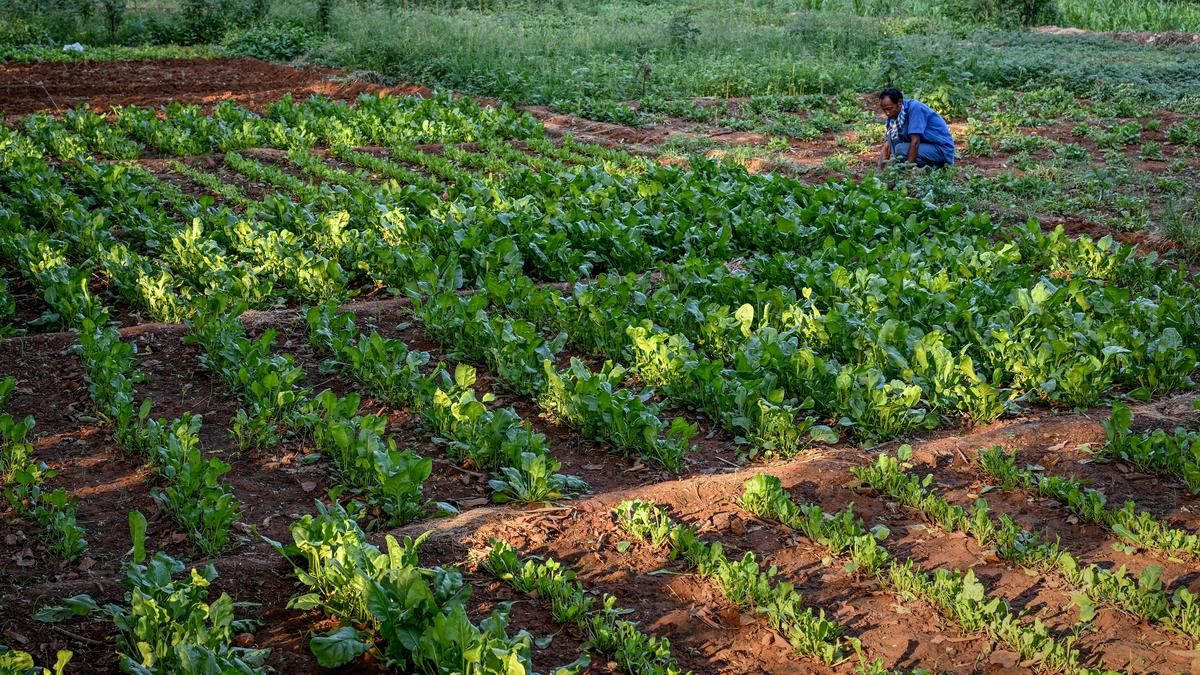
Rows of organically grown brinjal and other vegetables being cultivated at the Central Prison in Visakhapatnam.
| Photo Credit: KR DEEPAK
Building on the success of its existing solid waste management practices, the Visakhapatnam Central Prison authorities are now preparing to introduce a series of innovative projects aimed at further improving sustainability, reducing operational costs and providing inmates with opportunities to develop scientific and entrepreneurial skills.With over 1,600 inmates, the prison currently generates around 500 kg of dry waste daily. The waste mainly comprises dry leaves, vegetable scraps from the kitchen, used tea powder, coconut shells, fruit waste, egg shells, coconut leaves, paper tea cups, milk sachets, PET bottles and aluminium packaging materials.Authorities have already established an effective system to segregate and process different categories of waste. Biodegradable waste is converted into organic manure and bio-fertilisers through composting pits. The manure is extensively used in the prison’s agricultural fields, where a wide variety of vegetables and leafy greens are cultivated without the use of chemical pesticides.Coconut shells, which were previously discarded as waste, are now being converted into biochar through a controlled carbonisation process. This biochar serves as an alternative fuel source for the prison’s ironing unit, where it is used to iron hundreds of clothes every day. By replacing conventional fuels, the initiative not only reduces fuel costs but also promotes the sustainable utilisation of agricultural waste. In addition, plastic waste generated within the prison is systematically segregated and sent to authorised recycling facilities for proper processing and reuse.In a latest innovative initiative launched as a pilot project involves the preparation of carbon-dispersed liquid handwash by recycling partially used bar soaps, leftover shampoos, and similar hygiene products that would otherwise be discarded. The objective of the initiative is to minimise wastage while ensuring the efficient utilisation of available resources.“At present, the recycled handwash solution is undergoing testing to evaluate its quality, safety, and effectiveness. If the pilot project yields satisfactory results, the initiative will be scaled up for large-scale production and regular use within the prison,” said Deputy Superintendent, Central Prison, Ch. Surya Kumar.The in-house projects not only promote environmental sustainability but also provide prisoners with opportunities to acquire practical knowledge and technical skills. Besides, it also encourage them to participate in scientific innovation, skill development and entrepreneurship, while helping reduce stress, improve emotional well-being, enhance creative thinking, he stated.The prison administration is working on preparing liquid organic pesticide solutions for use in agriculture, thereby reducing the dependence on commercially available chemical pesticides. Besides, proposals are on to explore methods to improve thermal energy efficiency in the prison kitchen to reduce fuel consumption and operational costs. Published - July 08, 2026 07:56 pm IST