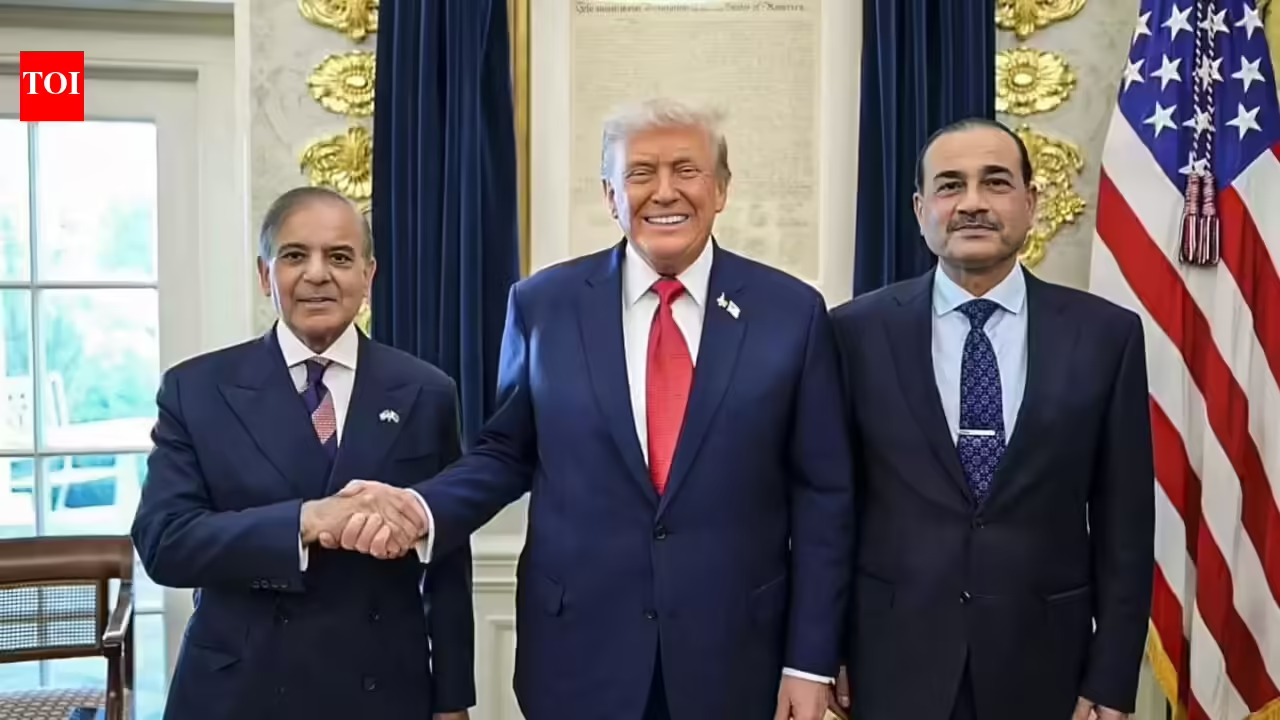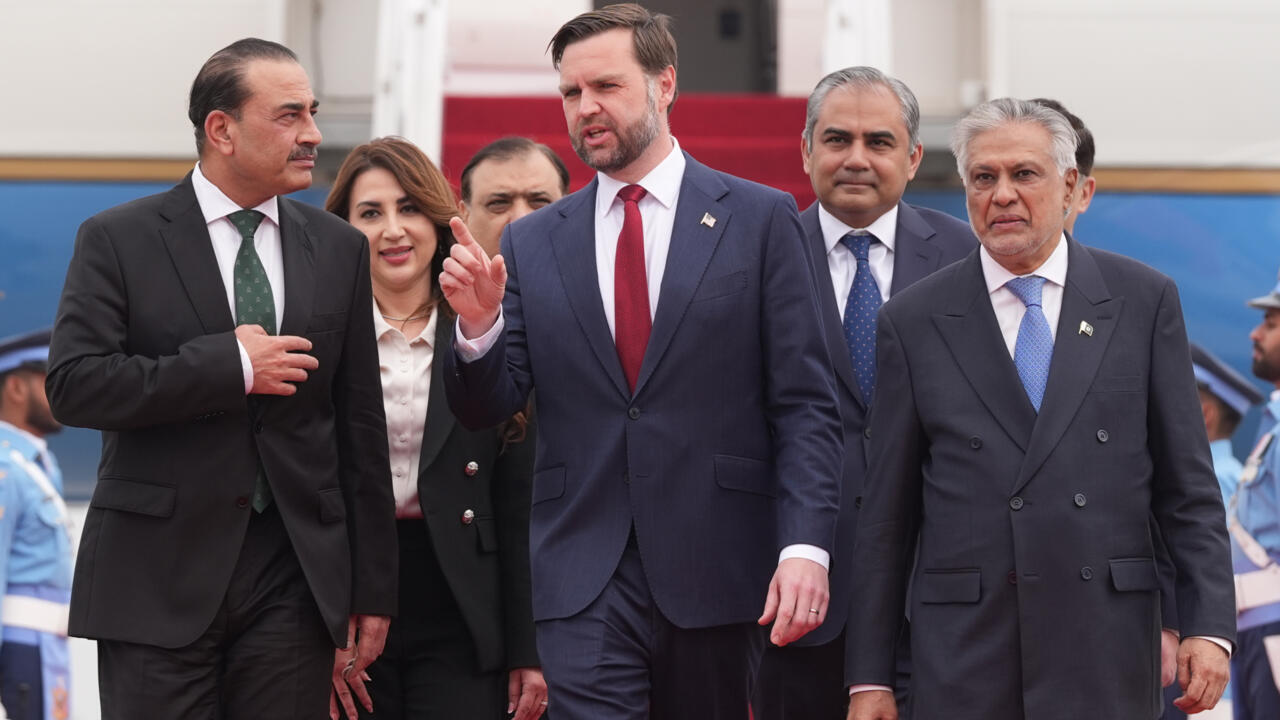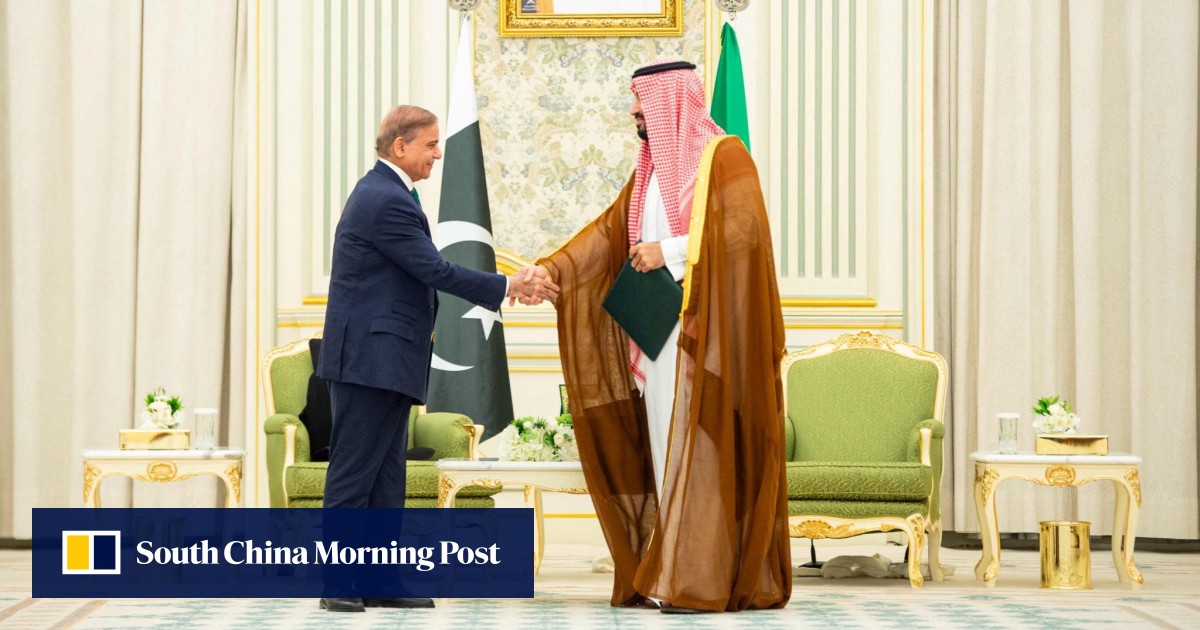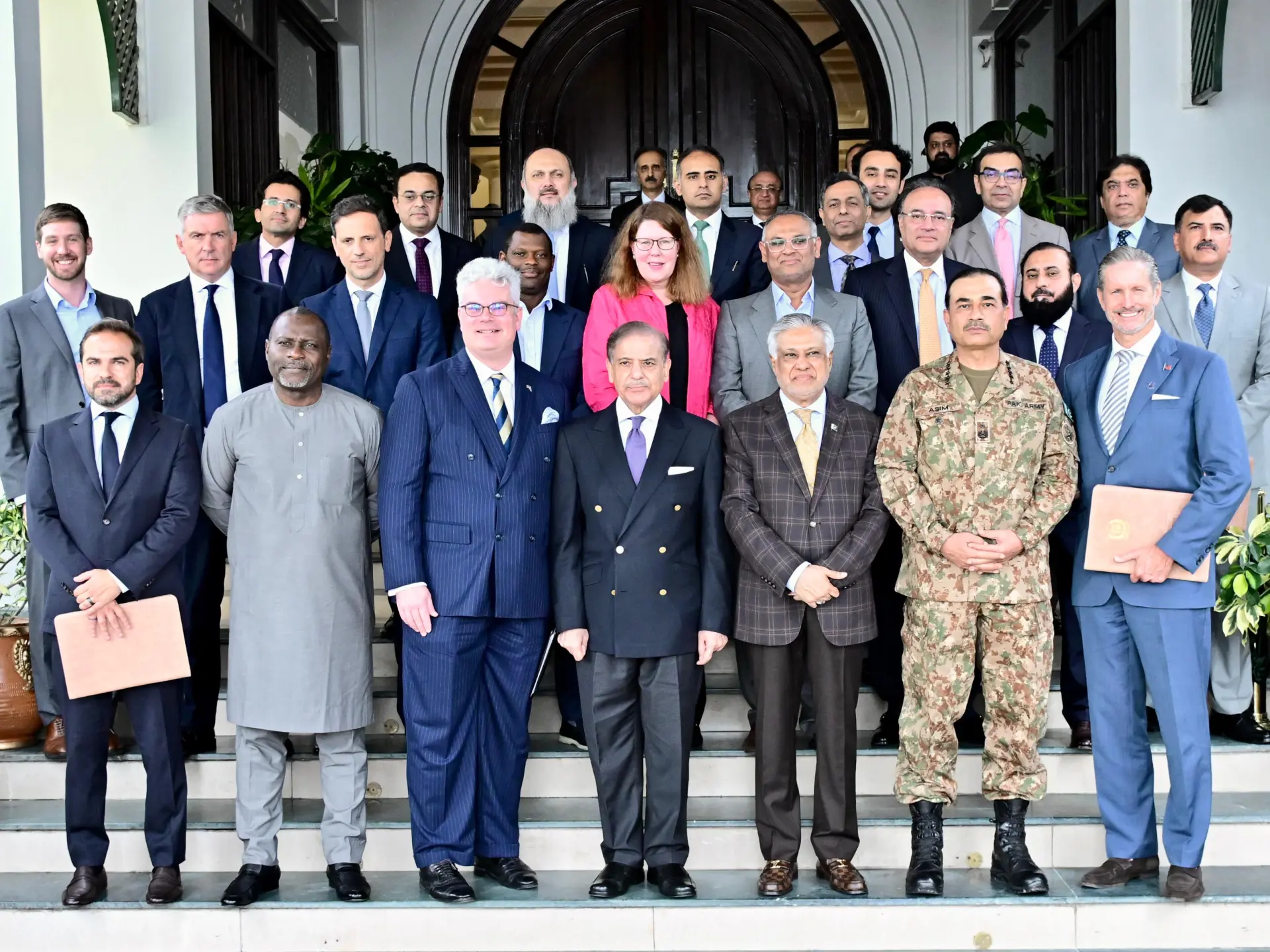
A strategic compact between Pakistan and the US is a real possibility, and it needs to be viewed through the lens of American security and geopolitical interests at a time when multilateralism and international law are in retreat.
Washington’s stake in the stability of South Asia — particularly Pakistan and its volatile neighbour, Afghanistan — is shaped by broader great-power competition. Instead of a wasteful rivalry, Professor Stephen Walt’s theory of offshore balancing offers a more pragmatic, cooperative alternative.
Walt argues that the US should maintain a light offshore presence, backed by regional bases that reassure allies rather than provoke rivals, while avoiding a dangerous head-on military build-up against China. Pakistan’s own alliance-building reflects a similar logic. Walt’s ‘balance of threats’ theory holds that India’s aggressive posture, geographic proximity and growing power push Pakistan to carefully balance its ties with both China and the US.
This dynamic opens space for a degree of US-China convergence in South Asia: Washington does not want to cede the region to a rival power, while Beijing wants to protect its Global Development Initiative, built around what it calls ‘corridor economics’.