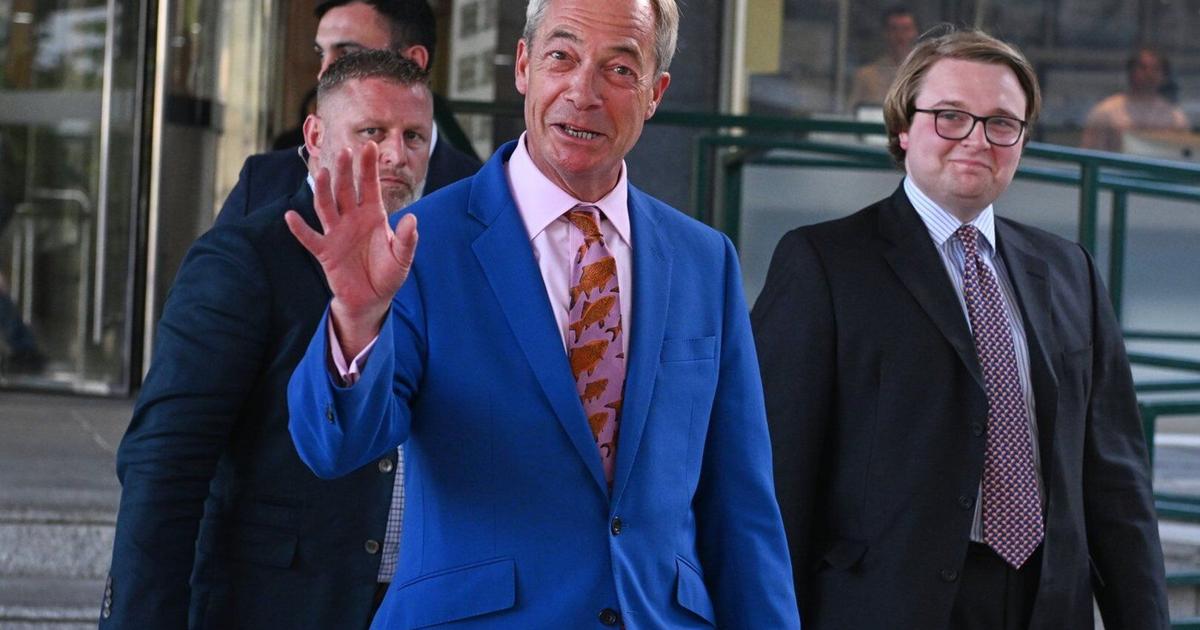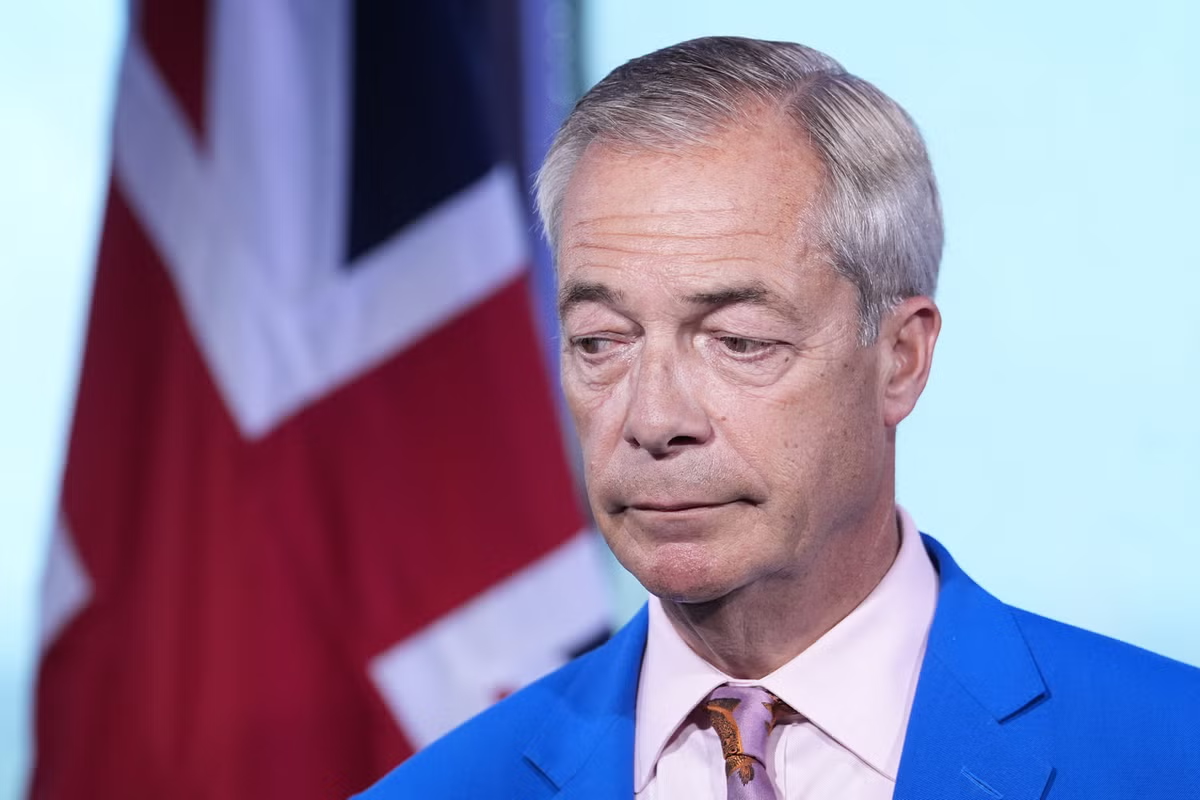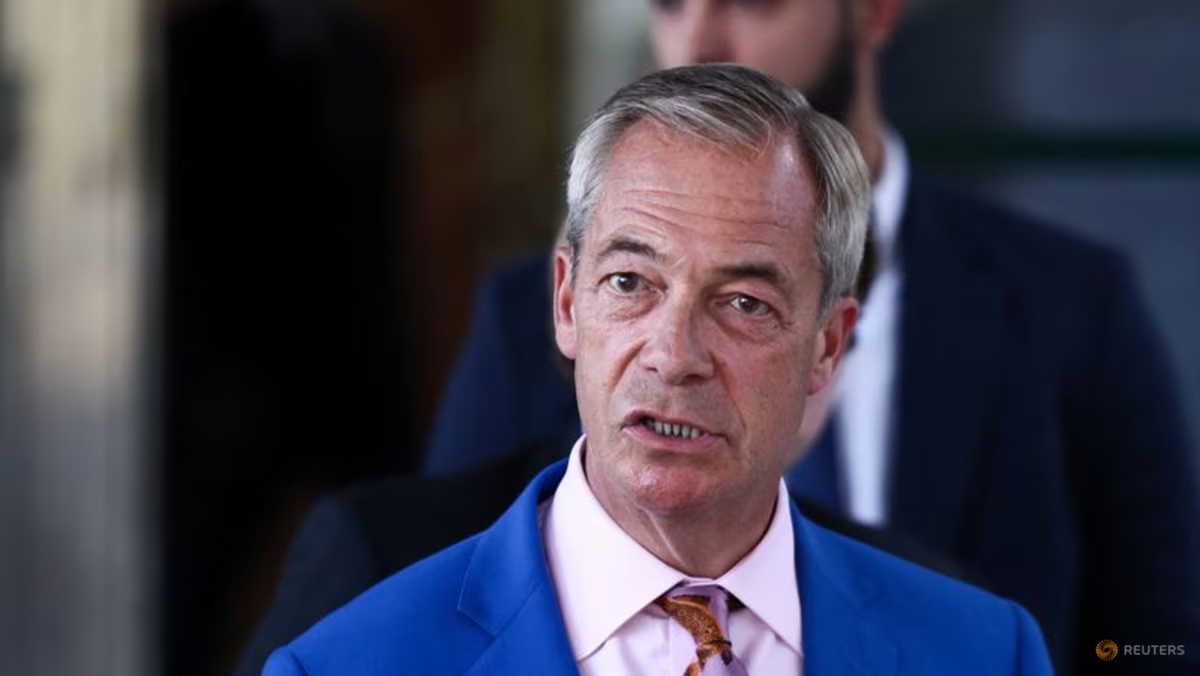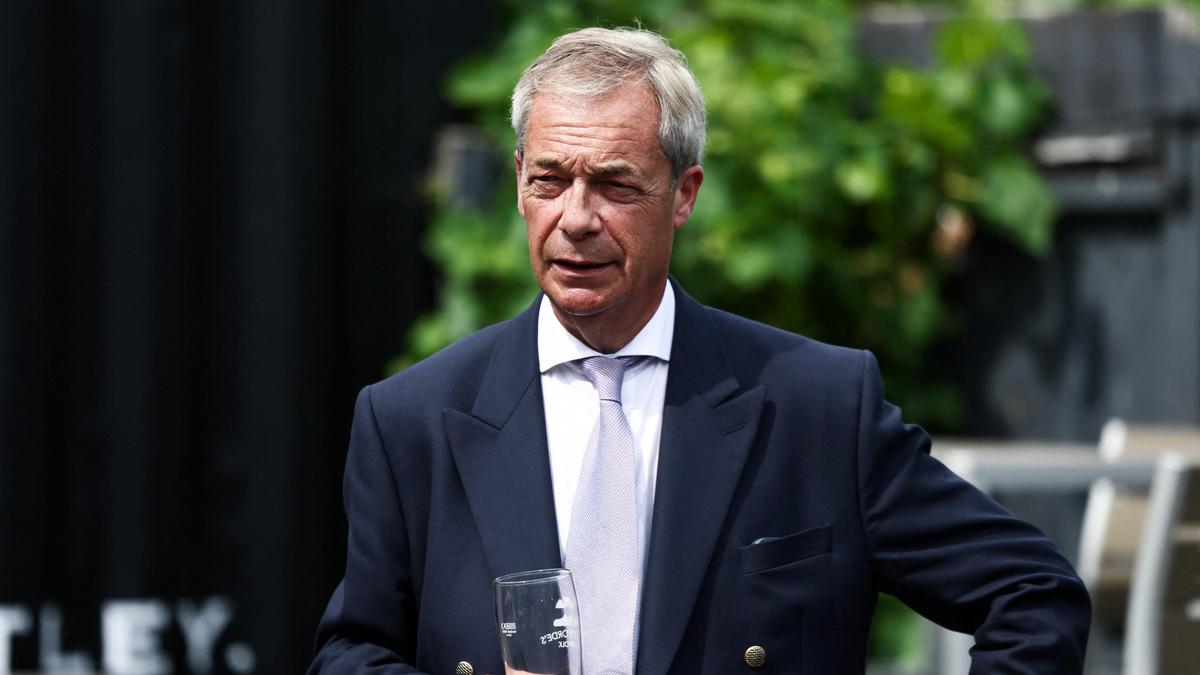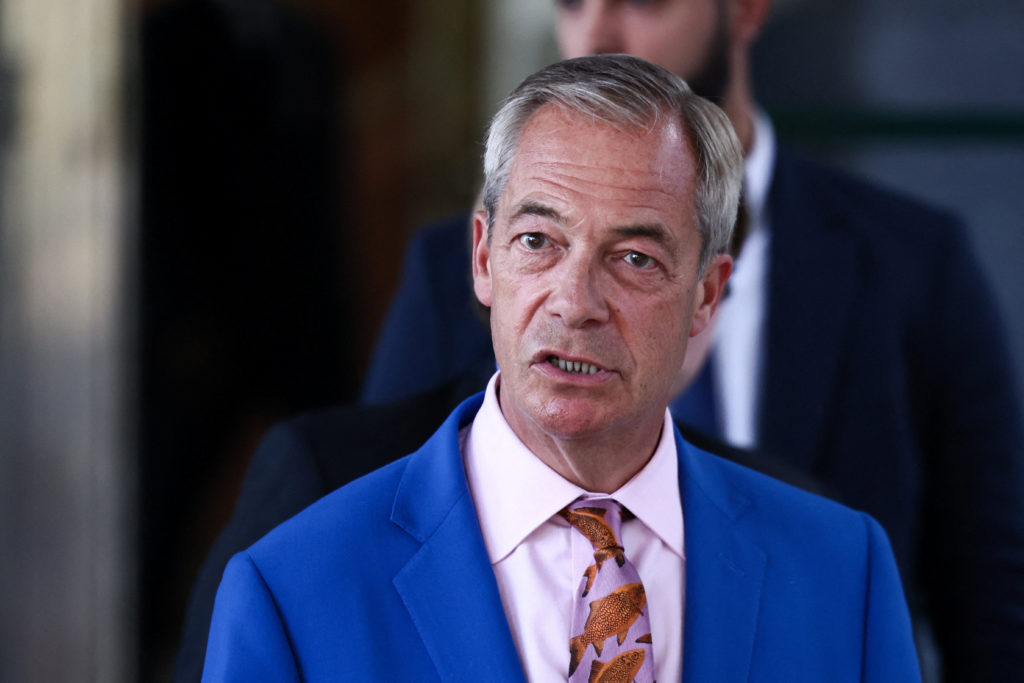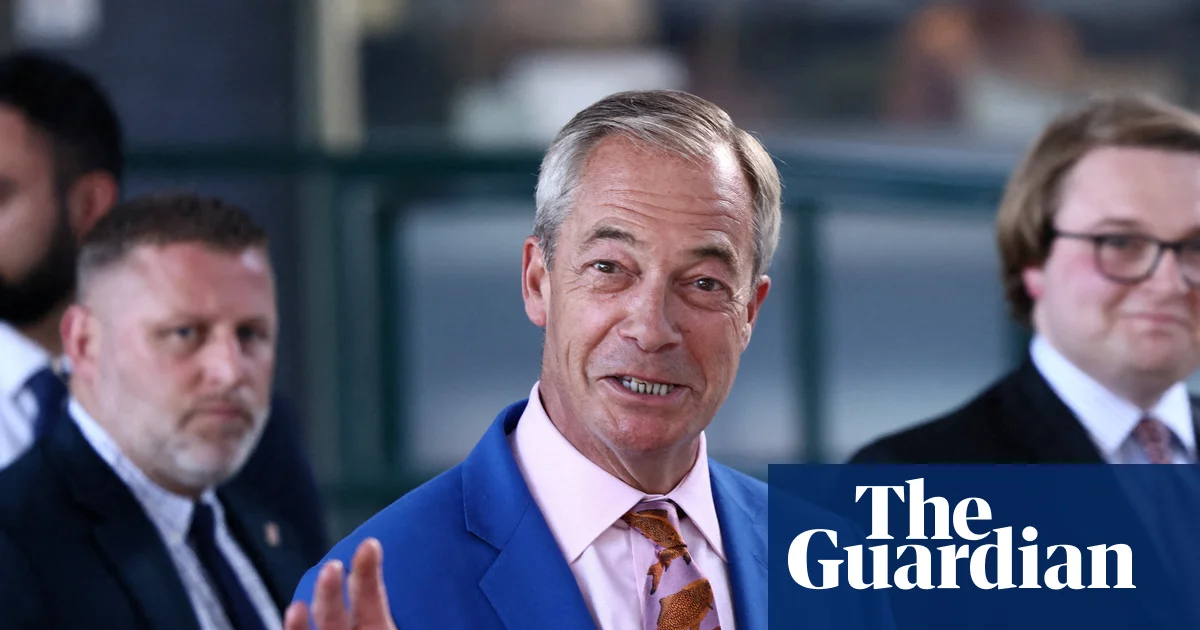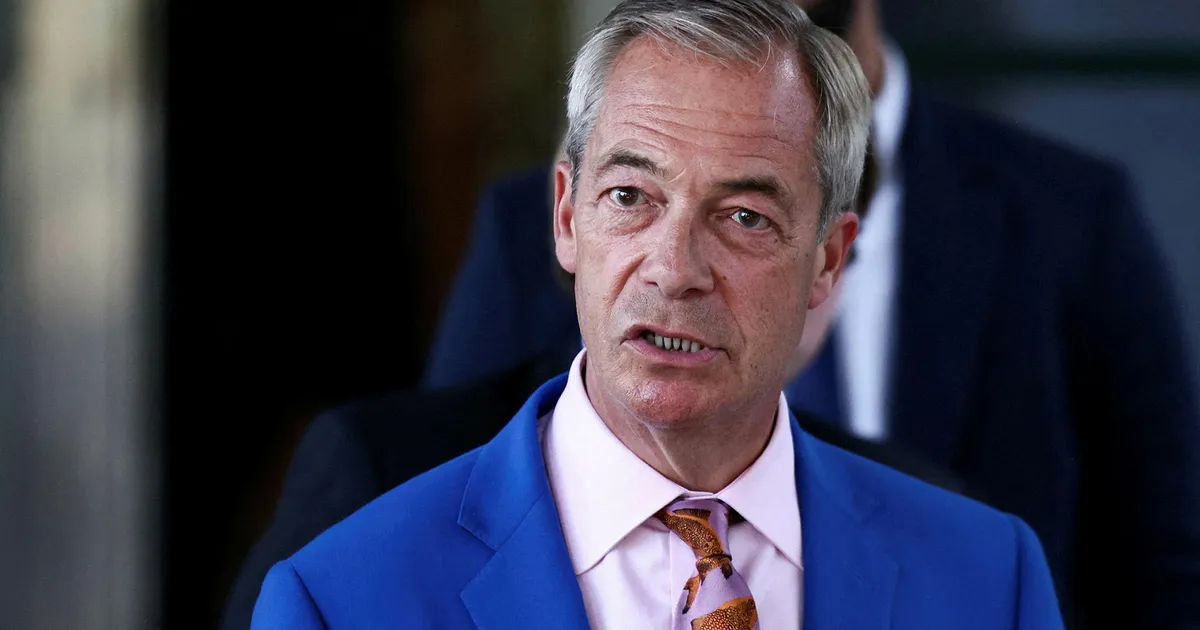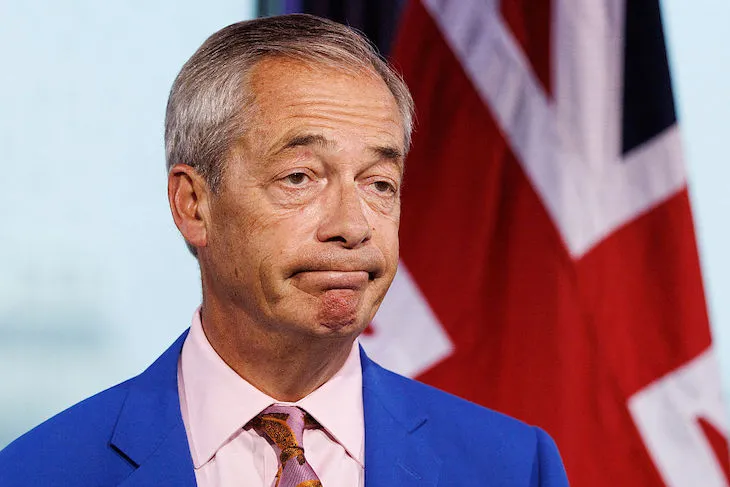
The moment I heard that Nigel Farage was going to make a 2 p.m. statement yesterday regarding his “political future,” I can’t have been alone in having a sense of deja vu. On 23 June 2016, the morning of the historic EU referendum vote, I texted my boss Nigel Farage to say he ‘had fought a hard battle and deserved to win’. He texted back: ‘One dares to hope’.
Only two weeks later, on 4 July 2016, Nigel resigned as leader of Ukip saying he wanted to “get his life back”. This was the third time he had resigned from the post, after leading Ukip from 2006 to 2009 and again from 2010 to 2015.
Farage is a master of using political resignation as an opportunity for re-invention and changing the agenda
The reality is that Farage is a master of using political resignation as an opportunity for re-invention and changing the agenda. He regards political set-backs – however life threatening – as merely opportunities.
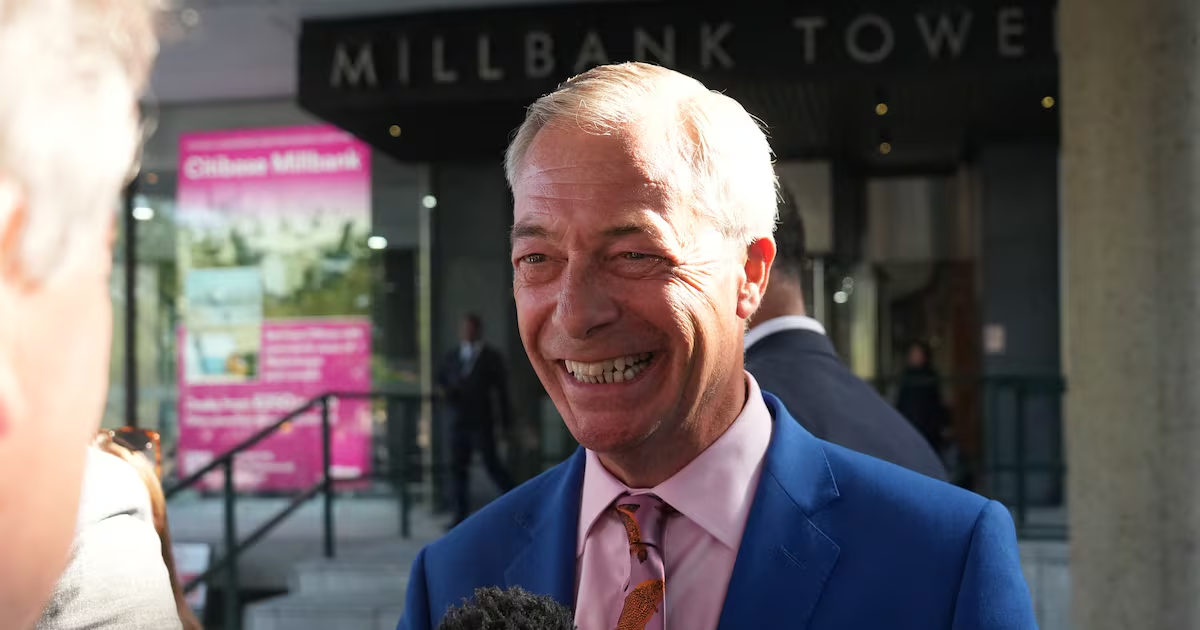
It was no coincidence that yesterday’s video footage, in which he announced his resignation as an MP and decision to stand again in a by-election, came directly via a studio link at Millbank Towers, his political stronghold HQ. A key to Reform’s success is that Farage has created an “anti-establishment” party whose modus operandi is to operate outside of Westminster’s committee rooms and chambers and engage directly with the public. Combined with the slick, American campaign-style press conferences that are staged across the country, from Dudley to Dover, you have the Farage blueprint for a party that operates outside the parliamentary channels.