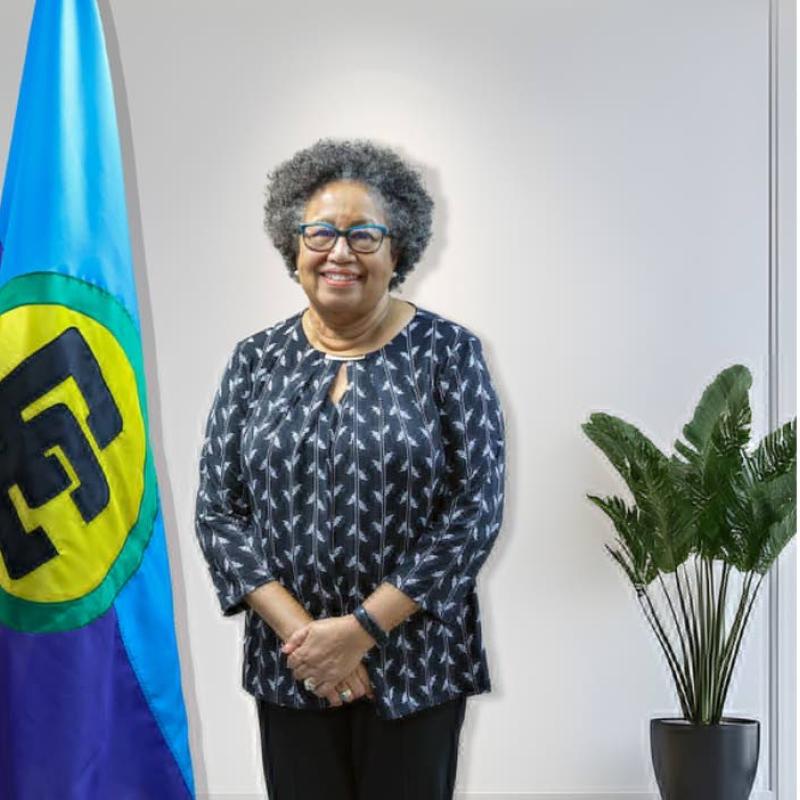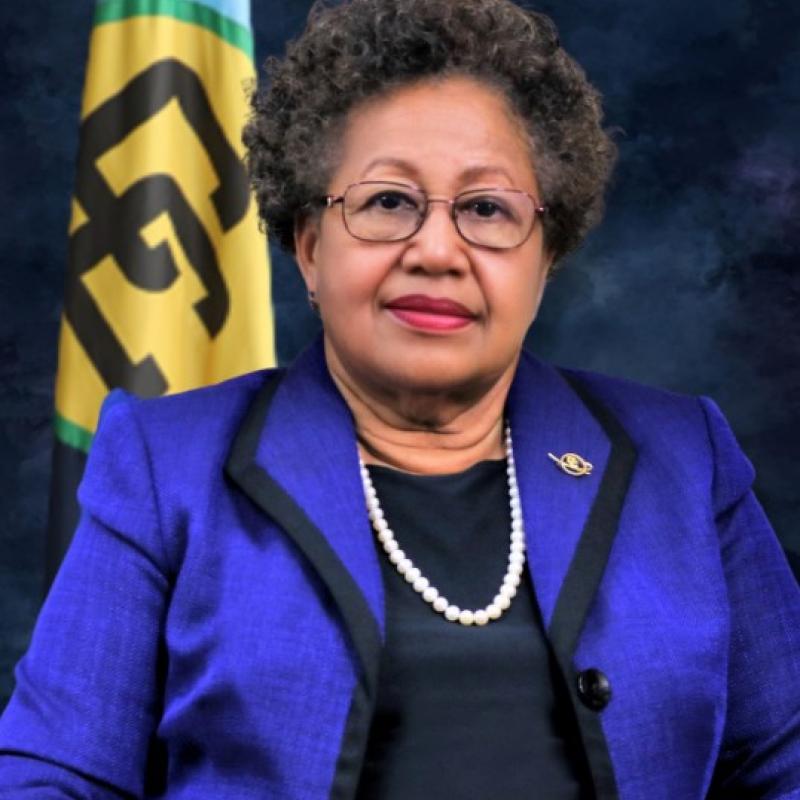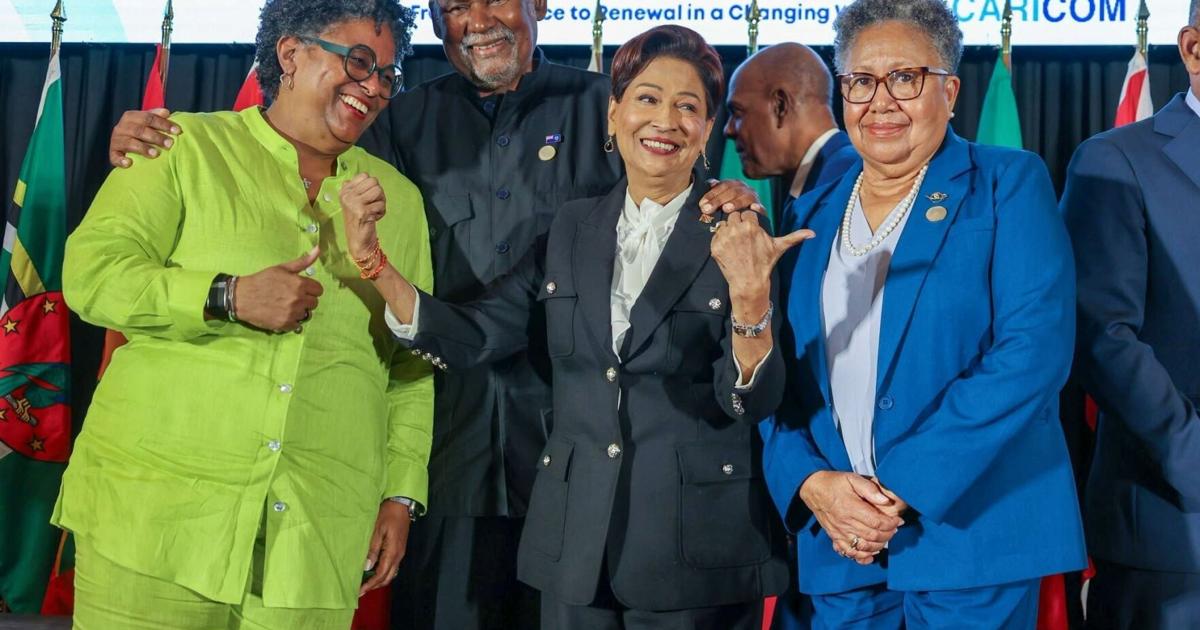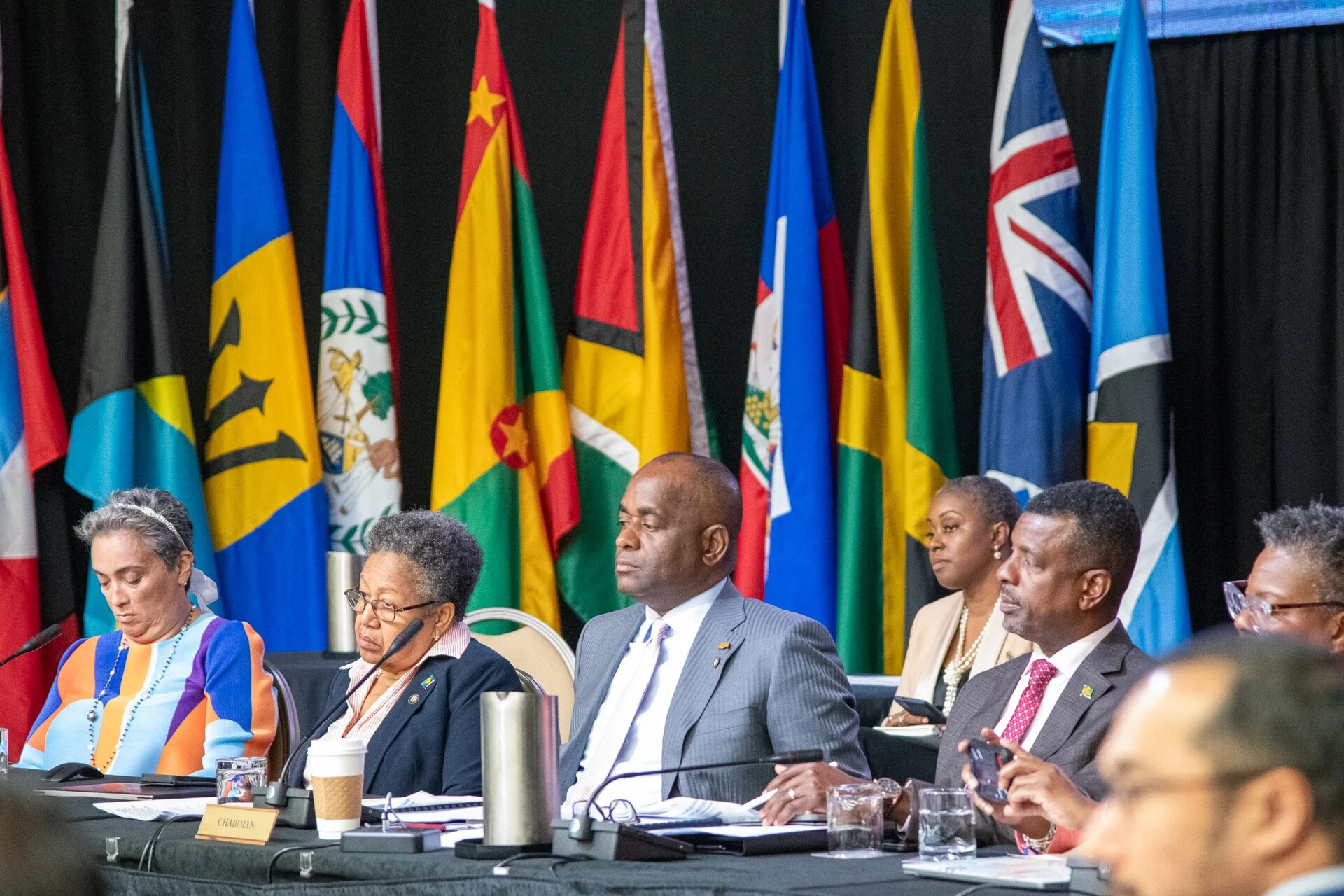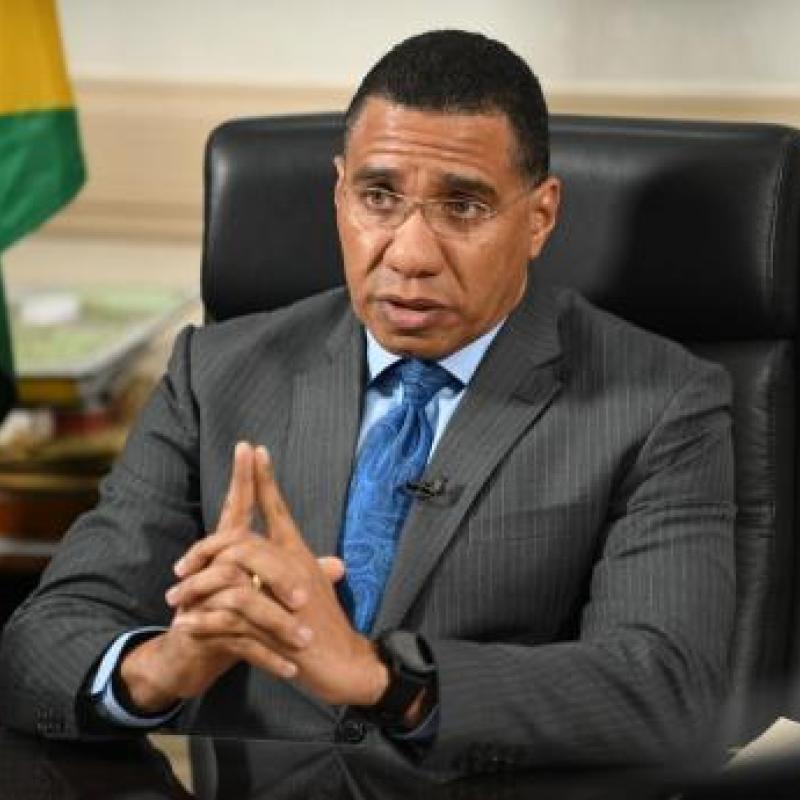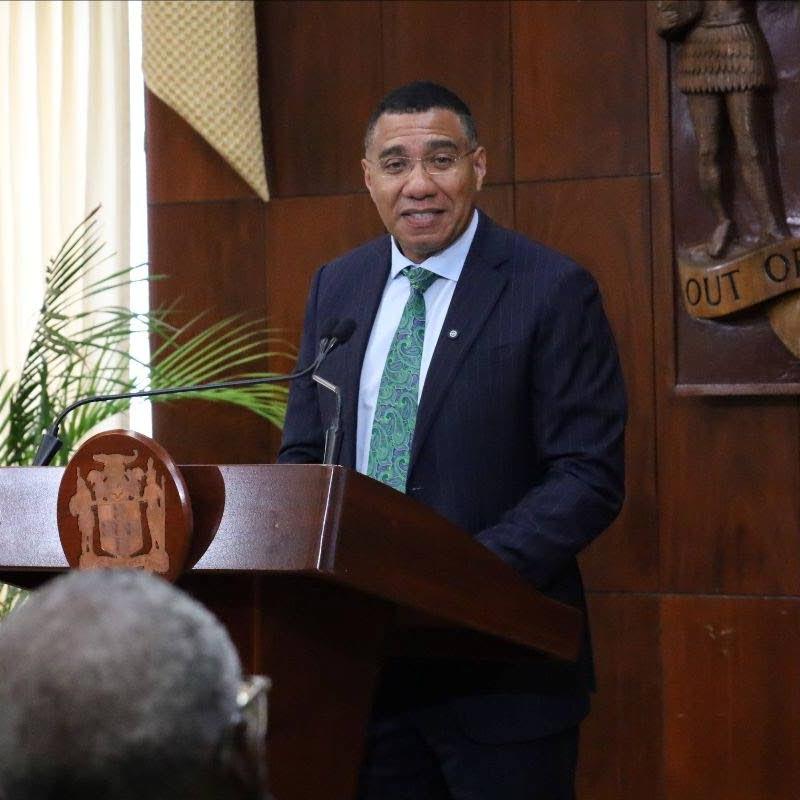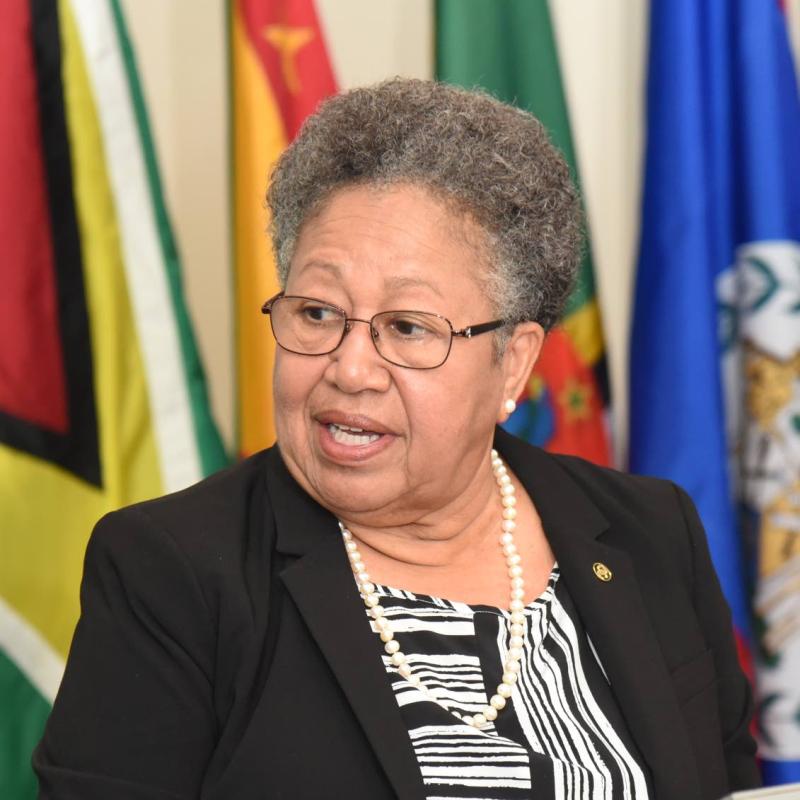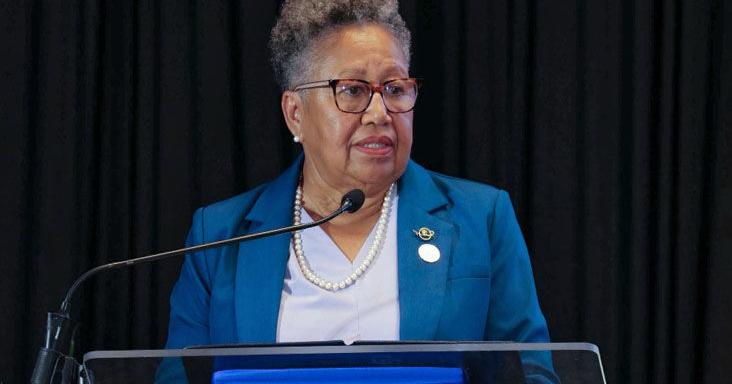
Prime Minister Kamla Persad-Bissessar has secured the support of Caricom Heads of Government for her proposal to refer the controversial reappointment of the Community’s Secretary-General to the Caribbean Court of Justice (CCJ) for an advisory opinion.In a statement issued yesterday following Monday’s Retreat of Heads of Government, Caricom announced it had agreed to commence proceedings before the CCJ in accordance with Article 21(2) of the Revised Treaty of Chaguaramas to obtain an advisory opinion on the matter.The decision came after Trinidad and Tobago maintained its objection to the process used in the reappointment of Secretary-General Dr Carla Barnett.The Express learnt that the Heads met for hours in retreat and Persad-Bissessar emphasised that the issue was not about personalities, but about the law and ensuring the proper governance of Caricom.“Caricom acknowledged that the Republic of Trinidad and Tobago desires to have the issue of the reappointment of the SG referred to the Caribbean Court of Justice (CCJ) to render an advisory opinion thereon. To facilitate this request, the Community agrees to commence proceedings to secure such advisory opinion in accordance with Article 21(2) of the Revised Treaty,” the statement said.The regional body said the Heads recognised that treaty interpretation was precisely the role for which the CCJ had been established.“The Community acknowledged that this is the very purpose for which the CCJ was created-to be a treaty interpretation body.”Pending the court’s opinion, Caricom agreed that no changes would be made to the Secretary-General’s current status.“The Community further agreed that the status quo with respect to the reappointment of the Secretary General shall remain unless and until the Community considers the said Advisory Opinion from the CCJ,” it stated.The Heads said the agreed approach would allow the issue to be resolved amicably while ensuring that the work of the Community continued uninterrupted.“The Community agreed that this way forward allows for this matter to be resolved in an amicable manner, without prejudice to the ability of the Community to conduct its affairs.”The statement also linked the decision to the wider review of Caricom’s governance arrangements.“In this context, the Community reaffirmed that the ongoing review of its governance architecture is part of the broader mandate, agreed at the previous Conference in St Kitts and Nevis, to strengthen the governance of the Community and enhance its effectiveness.”The Heads stressed that the move should not be interpreted as casting doubt on any member state or individual.“The Heads further underscored that this process does not impugn the integrity of any Member State or individual, but rather it reflects the Community’s collective commitment to continuous institutional improvement with the highest standards of good governance,” it stated.They concluded by reaffirming their commitment to regional unity.“The Heads have reaffirmed their commitment to the ideals and objectives of the Community and will continue to move forward in unity to advance the interests of the Region during these difficult times, recognising the myriad of challenges the Community faces currently.”Letter to CaricomThe decision follows weeks of diplomatic engagement by Persad-Bissessar, who argued that there were serious procedural and legal concerns surrounding the reappointment of Barnett.Ahead of the summit, the Prime Minister dispatched a 22-page letter dated July 3 to Caricom chairman and St Lucia Prime Minister Philip J Pierre, as well as every Head of Government and Head of State within the Community.In the correspondence, she outlined what she described as significant procedural and constitutional flaws in the reappointment process and proposed that the matter be referred to the CCJ for an advisory opinion under the Revised Treaty of Chaguaramas.Persad-Bissessar maintained that seeking the CCJ’s guidance would not be a challenge to any individual but rather a principled effort to safeguard the rule of law, strengthen Caricom’s governance framework and provide legal certainty for the Community.She repeatedly expressed the hope that the issue could be resolved through dialogue and consensus among Caricom leaders.
Barnett row for CCJ
Prime Minister Kamla Persad-Bissessar has secured the support of Caricom Heads of Government for her proposal to refer the controversial reappointment of the Community’s Secretary-General to the Caribbean Court of
640 words~3 min read