During range-bound phases, Bitcoin and other crypto assets can move within defined price zones rather than trend cleanly. Buy-and-hold traders may get little from those stretches, while grid trading bots treat each oscillation as a potential trading opportunity.
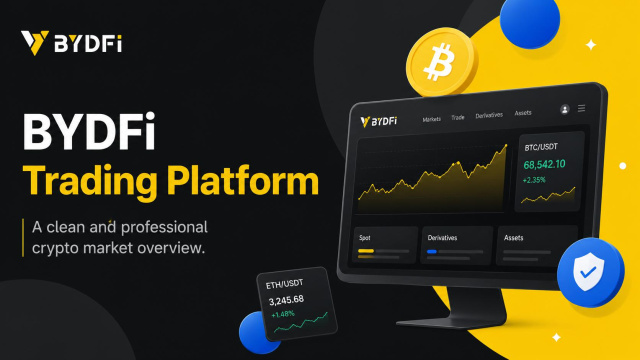
Several exchanges offer grid bot functionality, and BYDFi — founded in 2020 and serving over 1,000,000 registered users across 190+ countries — has built a comprehensive automation suite with Spot Grid, Spot DCA, Futures Grid and a Bot Marketplace. Pionex and Bitget also offer grid bot tools, each with their own fee structures. BYDFi has operated through multiple market cycles, including the 2022 crypto winter, while continuing to expand its automation toolkit.
What follows covers how grid trading bots work, which parameters matter, where the strategy hits limits, and when to switch approaches.
How a Grid Bot Captures Range-Bound Volatility
A grid trading bot divides a user-defined price range into multiple levels, placing buy orders at lower grids and sell orders at higher grids. Each completed buy-sell cycle aims to capture a small price difference. Stacked together, the cumulative result may beat a passive hold — though that depends on range accuracy, fees, and market conditions.