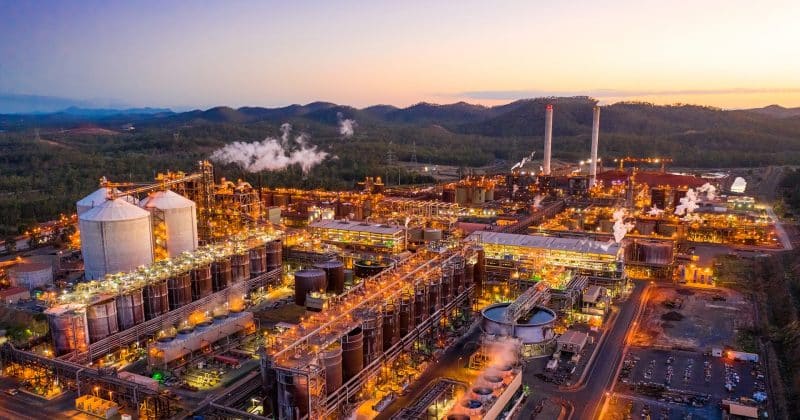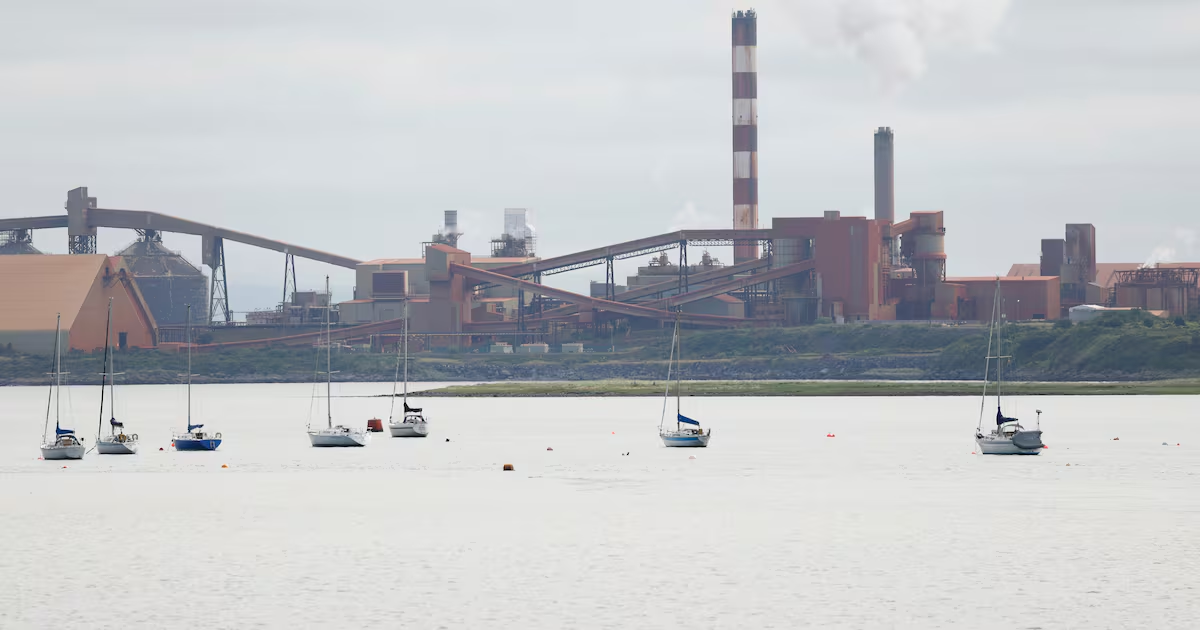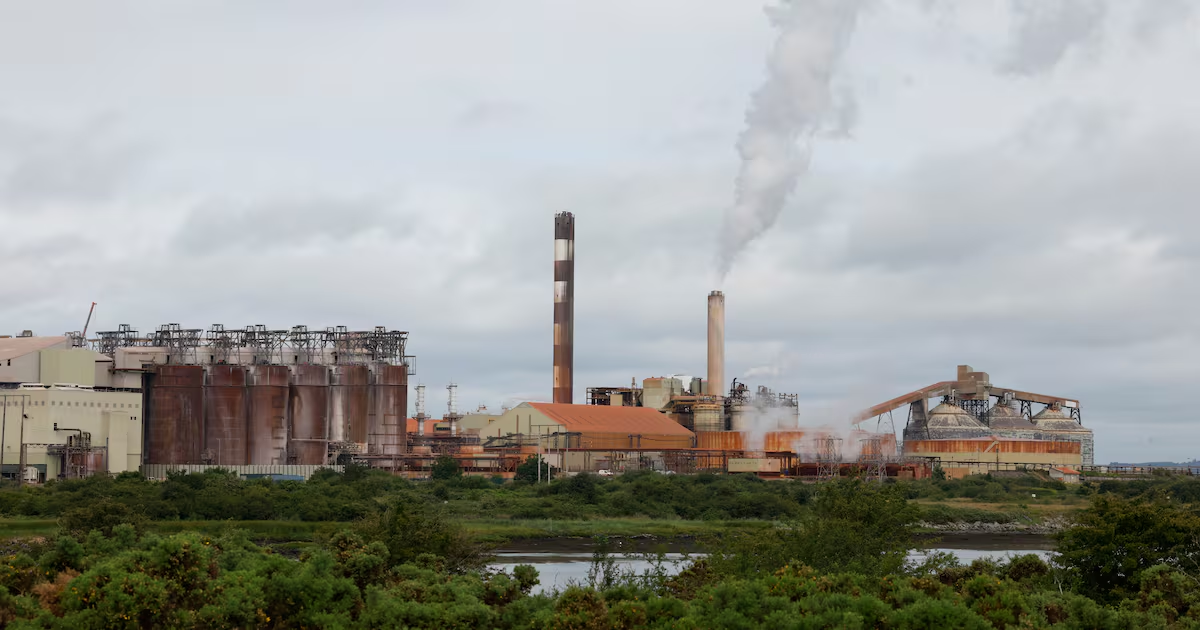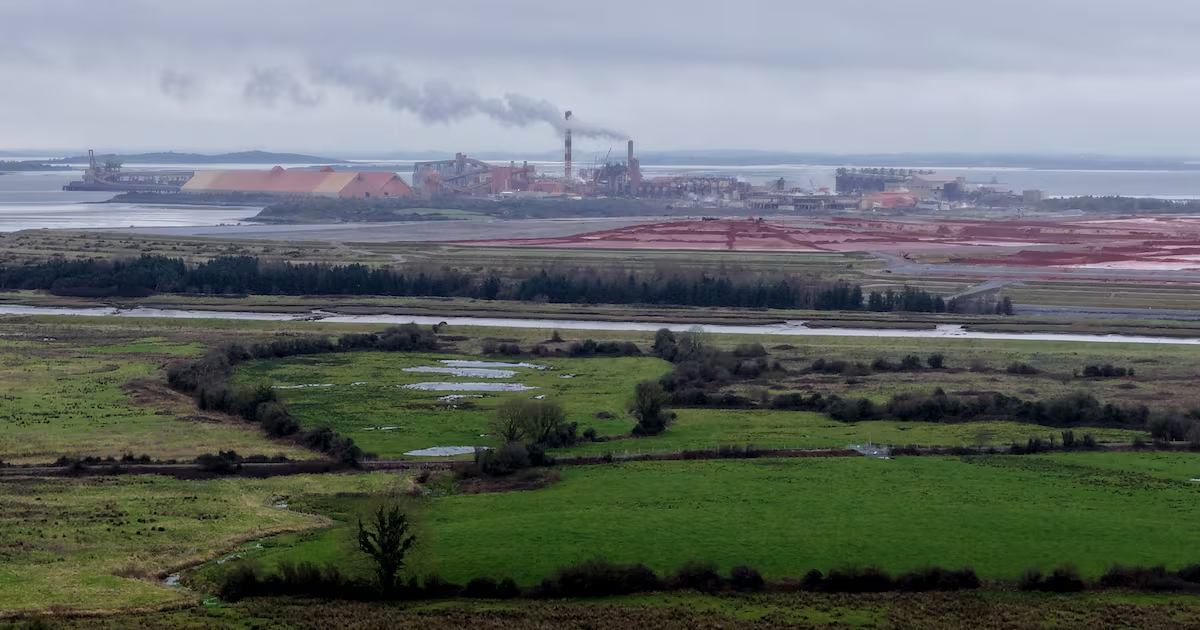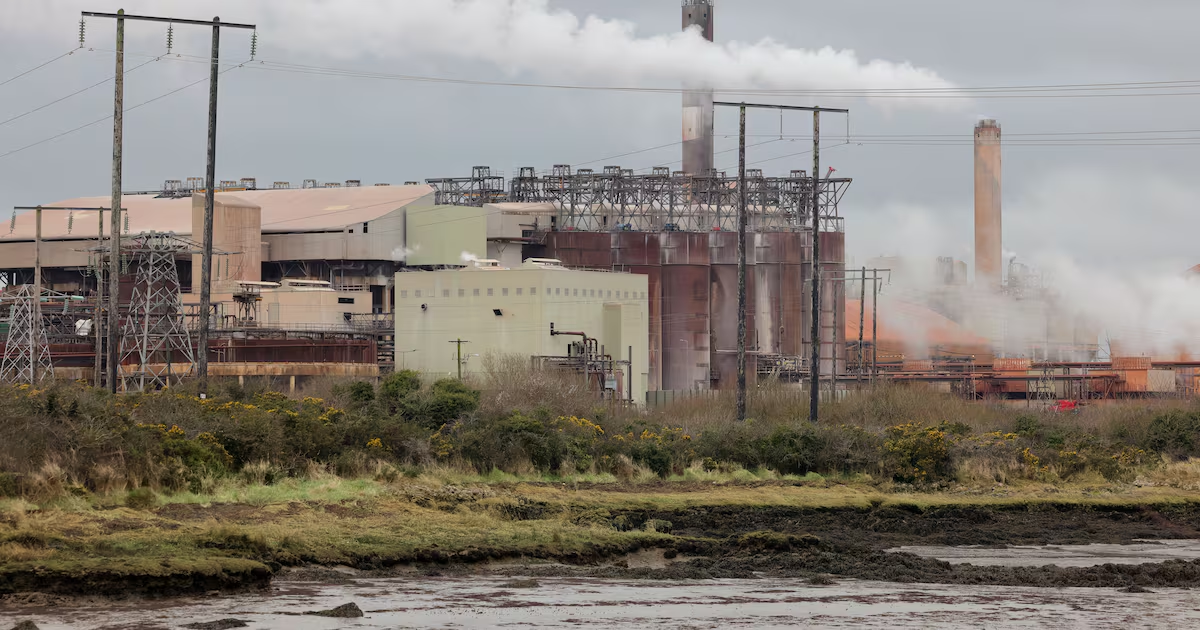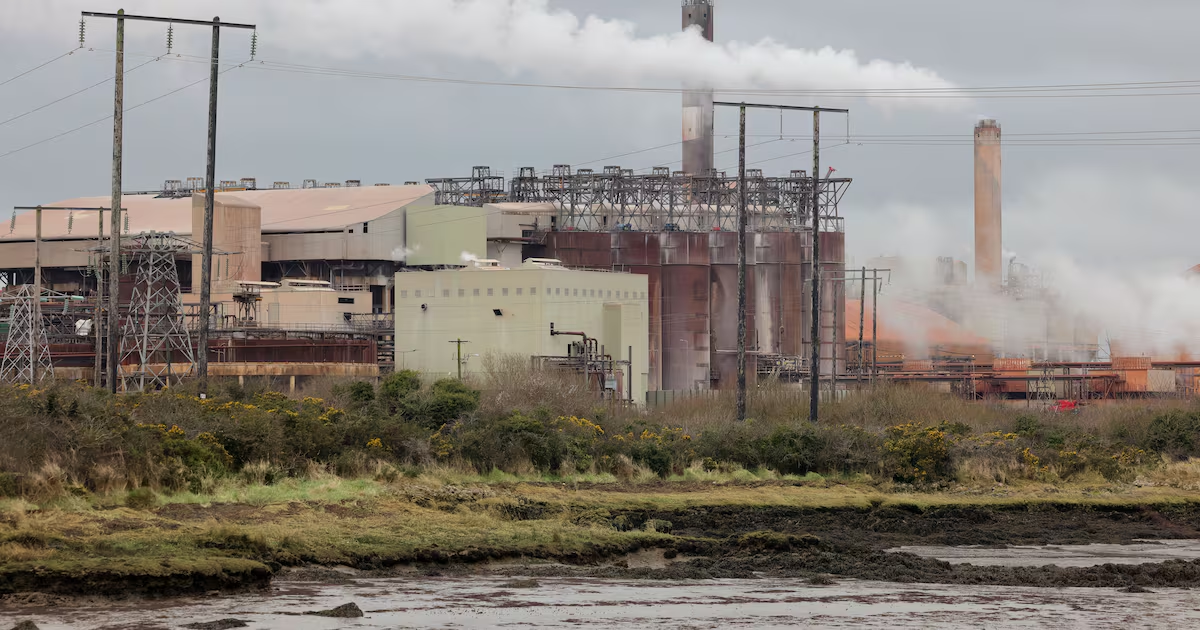
The European Parliament has passed a non-binding motion calling for sanctions to ban the future sale of alumina to Russia, a move that would seriously curtail Aughinish Alumina’s business. A majority of MEPs supported the resolution in a vote in Strasbourg on Wednesday, a symbolic gesture that will increase the political pressure on the European Commission, and the Government, to take action to curb the significant exports from the Co Limerick industrial plant to Russia. The European Parliament has no role in setting economic sanctions, which are proposed by the commission, the EU’s executive arm, and then must be unanimously approved by the union’s 27 national governments. The parliament’s motion called for stronger EU measures on Russia to deprive Moscow of the resources “necessary to finance its military machine” and sustain its four-year military campaign in Ukraine. The motion appealed for the EU to blacklist Russian steel suppliers and to introduce a “full ban” on the export of alumina to Russia. Fianna Fáil’s four MEPs had said they would abstain in the European Parliament vote, while Fine Gael’s four MEPs indicated they would support the call for an alumina export ban. From the Shannon to Siberia: How alumina from a Limerick refinery enters Russia’s weapons supply chainAughinish Alumina in Co Limerick supplies vast amounts of raw materials to Russian aluminium smelters, according to an investigation by The Irish Times and the Organised Crime and Corruption Reporting Project (OCCRP).Read the full investigation here.An Irish Times investigation detailed how Aughinish Alumina was exporting vast amounts of raw material, alumina, to smelters in Russia, that is sold to a company which supplies aluminium to Russian arms manufacturers.The Shannon estuary refinery is owned by Russian metals giant Rusal, which Swedish tax authorities recently concluded remains under the control of sanctioned oligarch Oleg Deripaska.The European Commission has previously refrained from suggesting sanctions or a ban on exports of alumina to Russia, due to the important role Aughinish Alumina plays as a supplier to European industry. The Government is finalising an investigation, which was begun following The Irish Times reporting, into Aughinish Alumina’s role in shipping alumina to Russia. Taoiseach Micheál Martin said the report would be completed and shared with Brussels officials in weeks. Why Zelenskiy’s nod to Aughinish Alumina puts pressure on Irish Government Listen | 23:07On a visit to Dublin last week, Ukrainian president Volodymyr Zelenskiy briefly burst the upbeat mood of the EU presidency party by criticising companies based in European countries that continue to supply essential materials to Russia’s military forces. He didn’t need to name the company that was on his mind; all present in Dublin Castle, including Taoiseach Micheál Martin, knew he was referring to Limerick-based Aughinish Alumina.In March, Irish Times investigative reporter Conor Gallagher revealed that the Russian-owned plant exports vast amounts of alumina, the raw material for aluminium, which ends up in a supply chain that supplies Russia’s military industry. Since then the pressure has been on the Government who make hard decisions about the alumina plant. Gallagher, who worked with the Organised Crime and Corruption Reporting Project (OCCRP) on the investigation, explains the reaction to his report, from publication in March to Zelenskiy‘s comments.Presented by Bernice Harrison. Produced by Suzanne Brennan. It is expected the commission will re-examine alumina in its next round of sanctions on Russia, following receipt of that report. The European People’s Party, the large centre-right grouping in the parliament that includes Fine Gael, decided to support the amended alumina export ban motion. Renew, the centrist grouping that includes Fianna Fáil MEPs, was also expected to largely vote in favour of the resolution, as were MEPs in the centre-left Socialists and Democrats group, plus the smaller Greens and the Left groupings.
European Parliament approves motion calling for Russia alumina export ban
Non-binding motion requesting ‘full ban’ on sale of alumina to Russia could seriously affect Aughinish Alumina’s business
618 words~3 min read