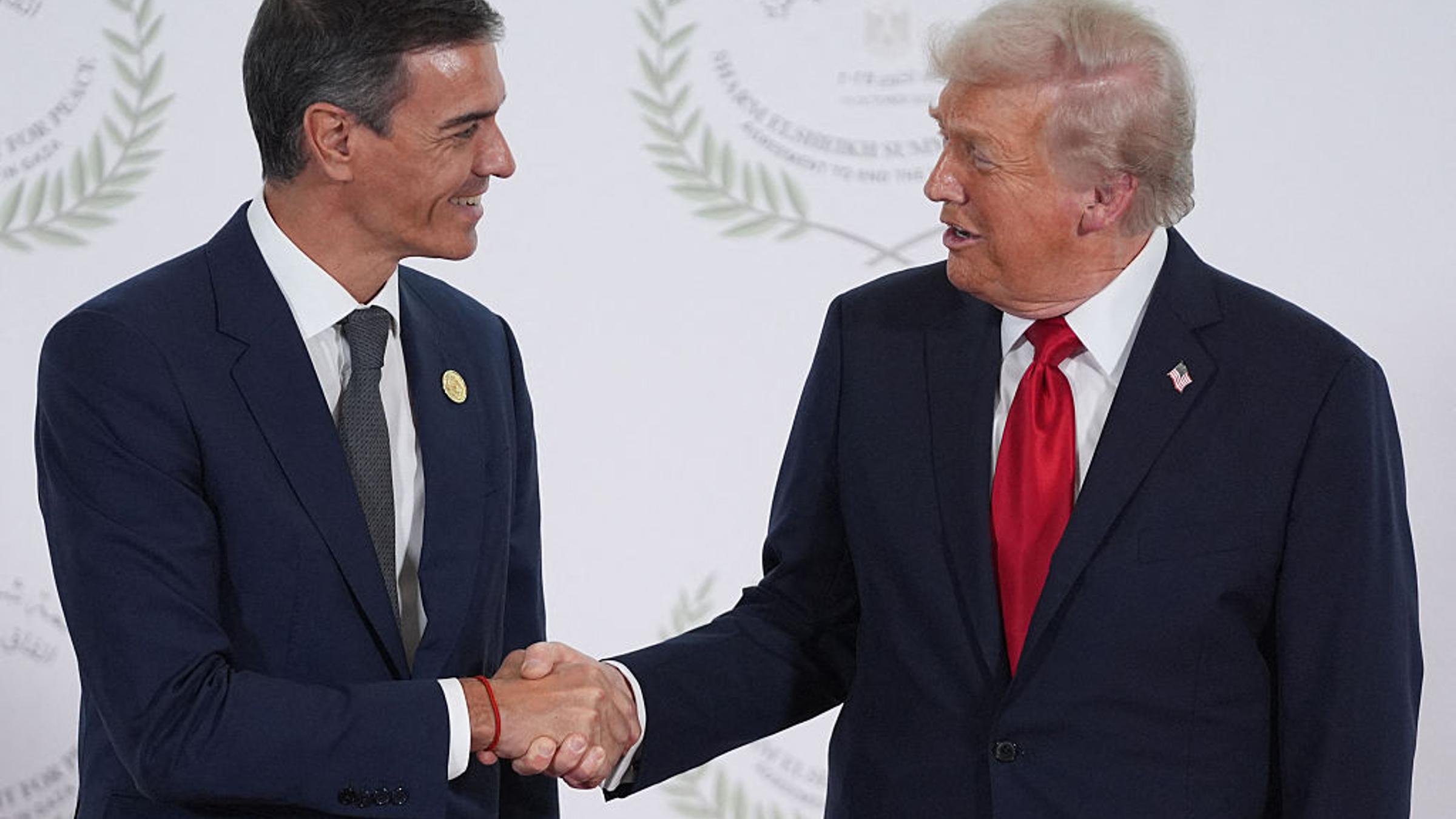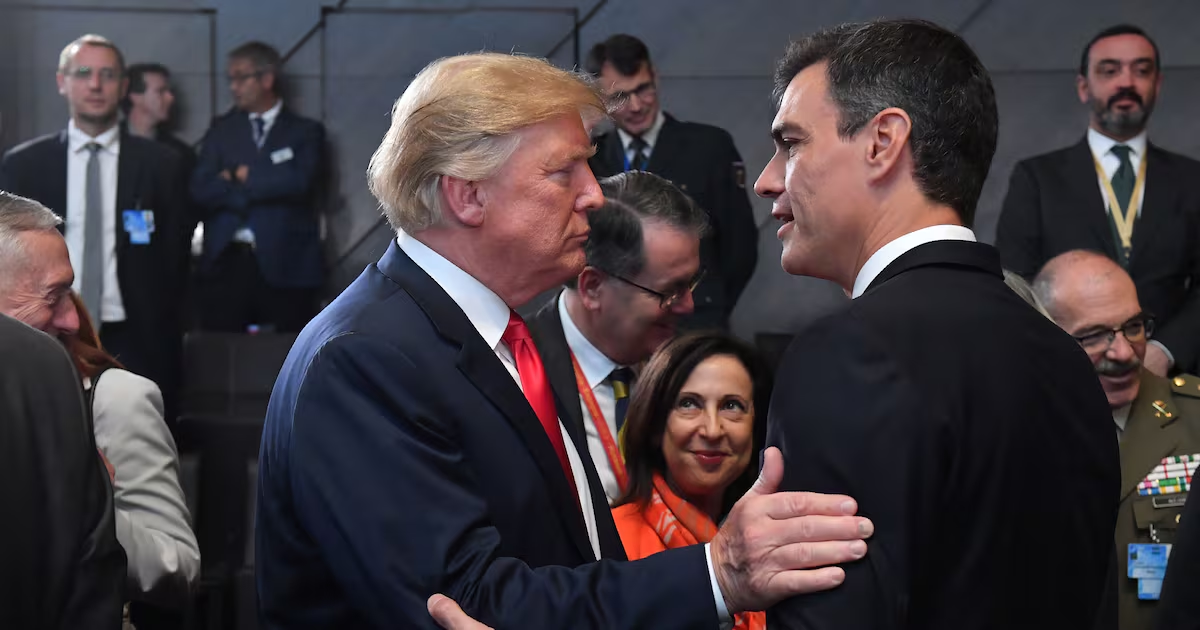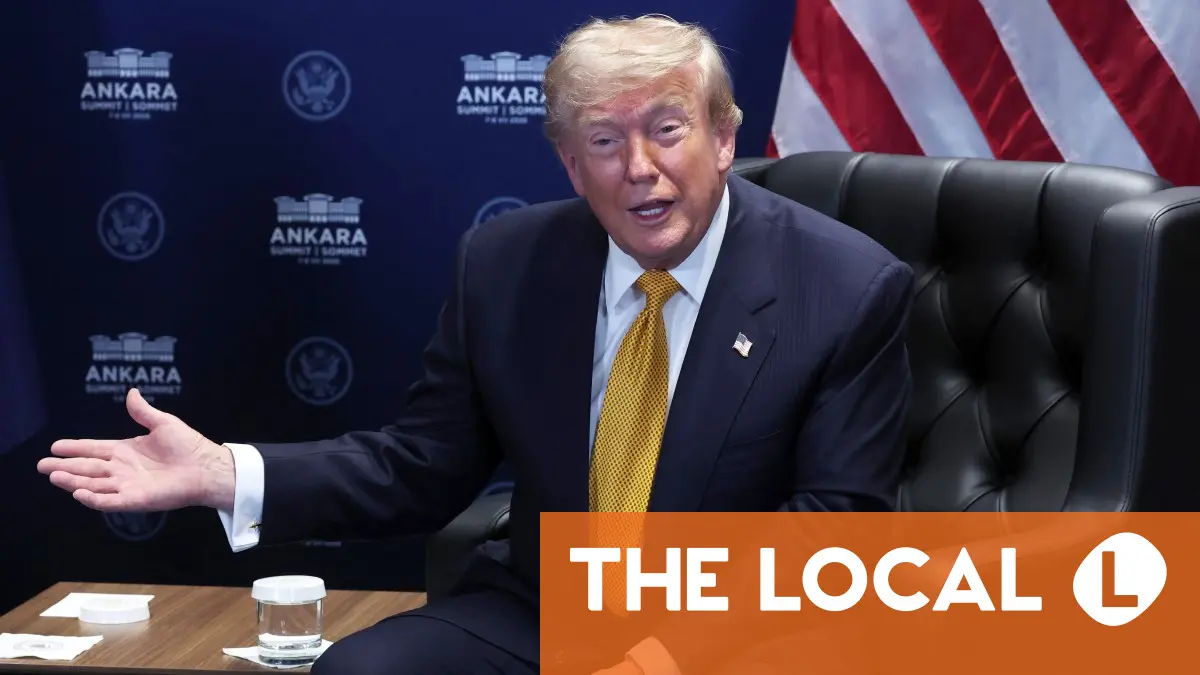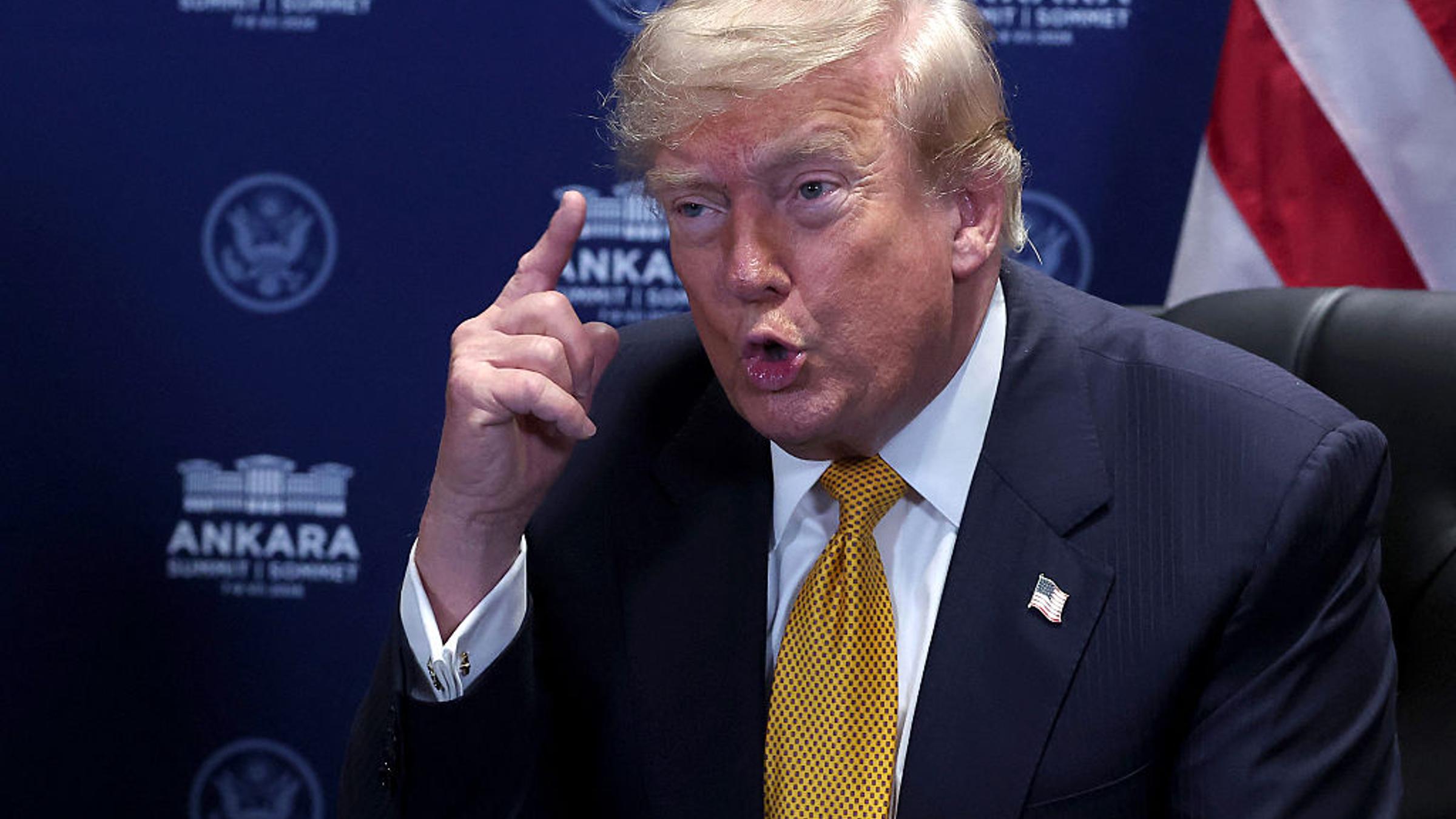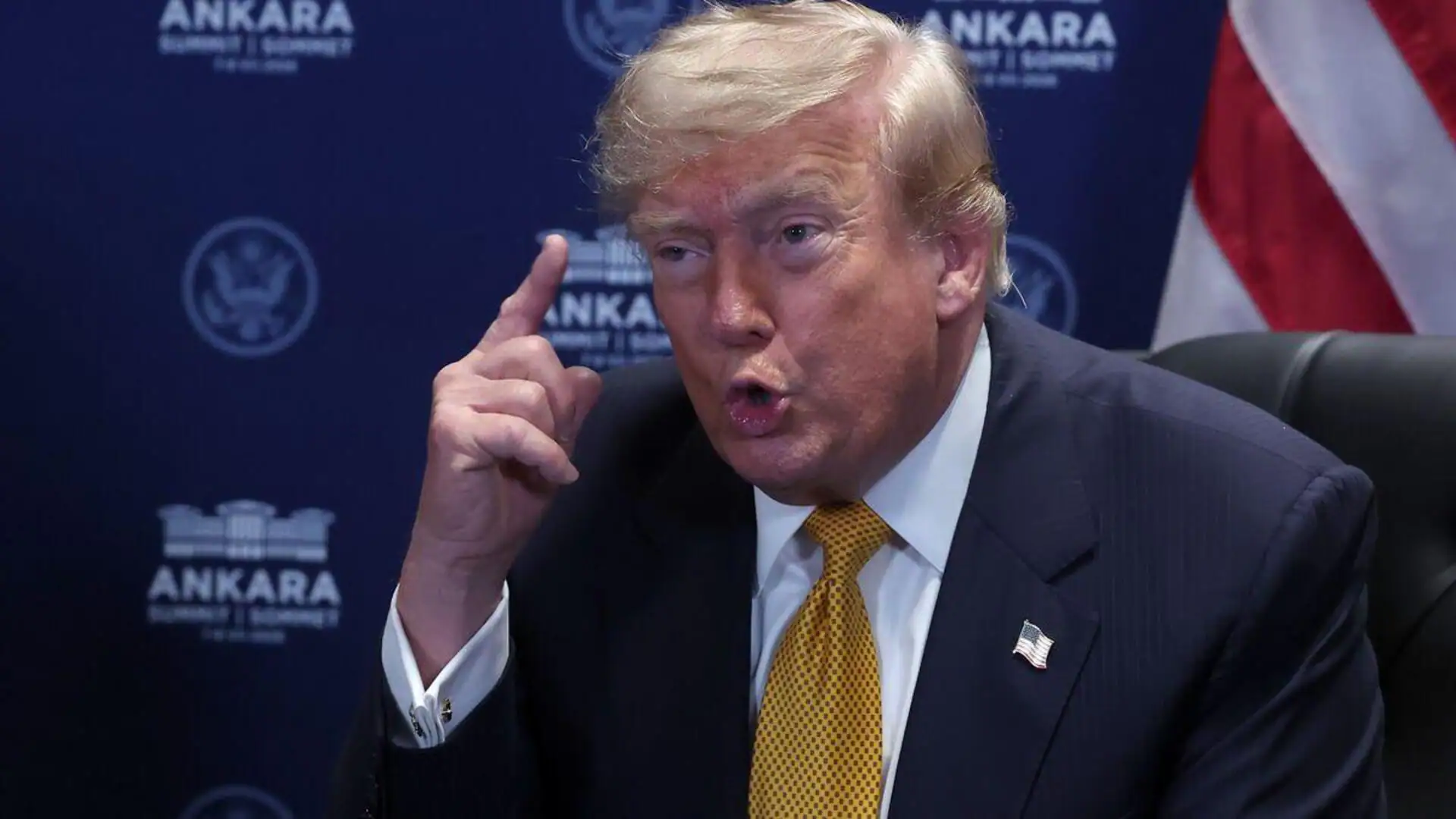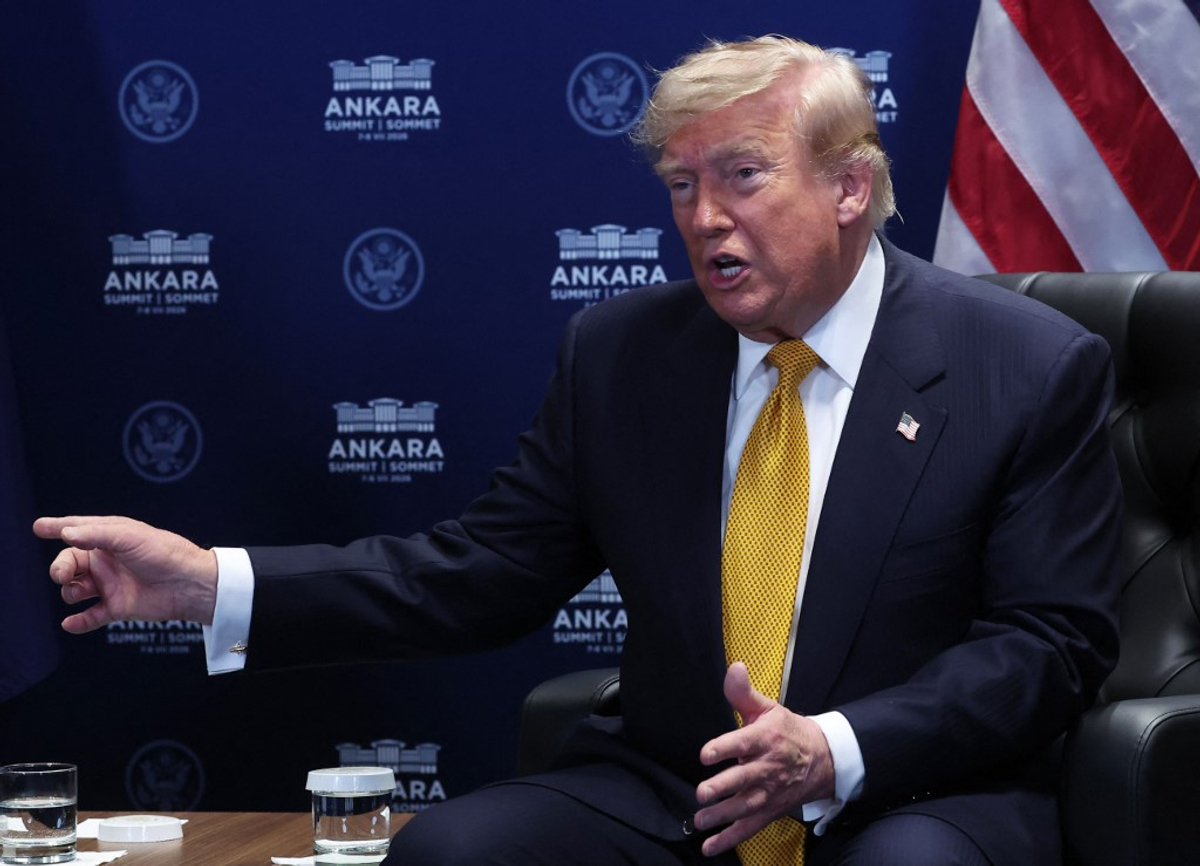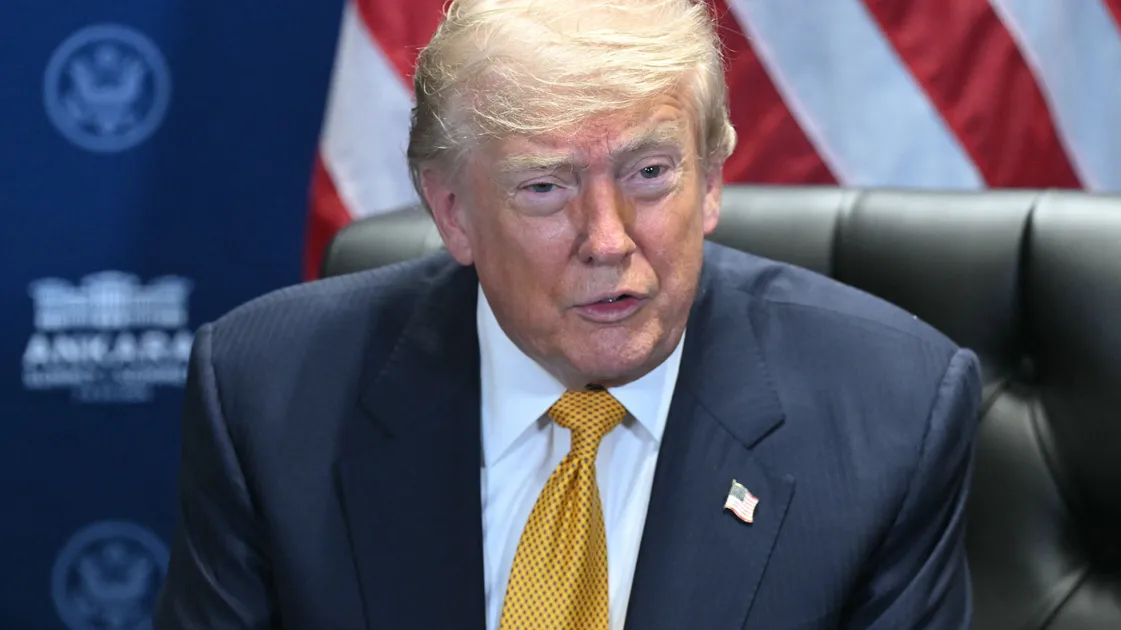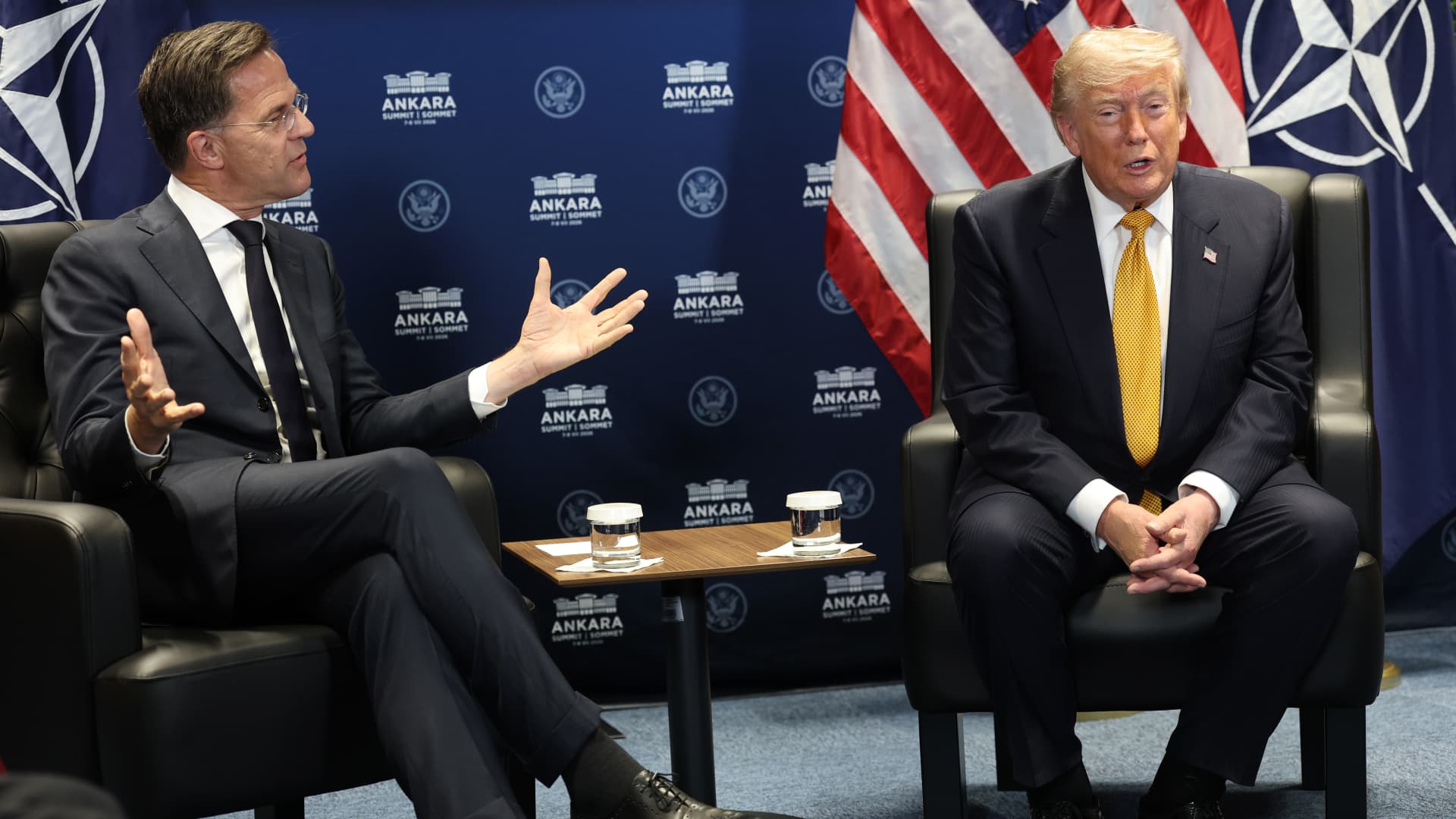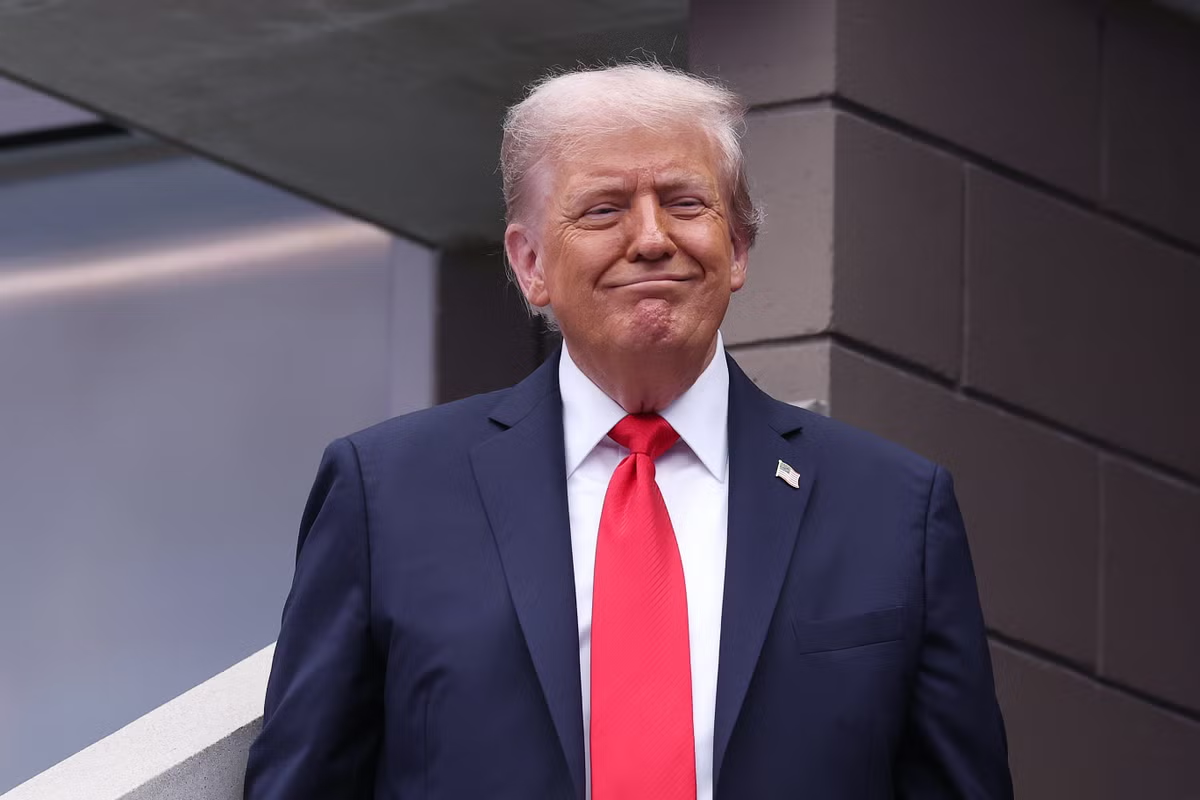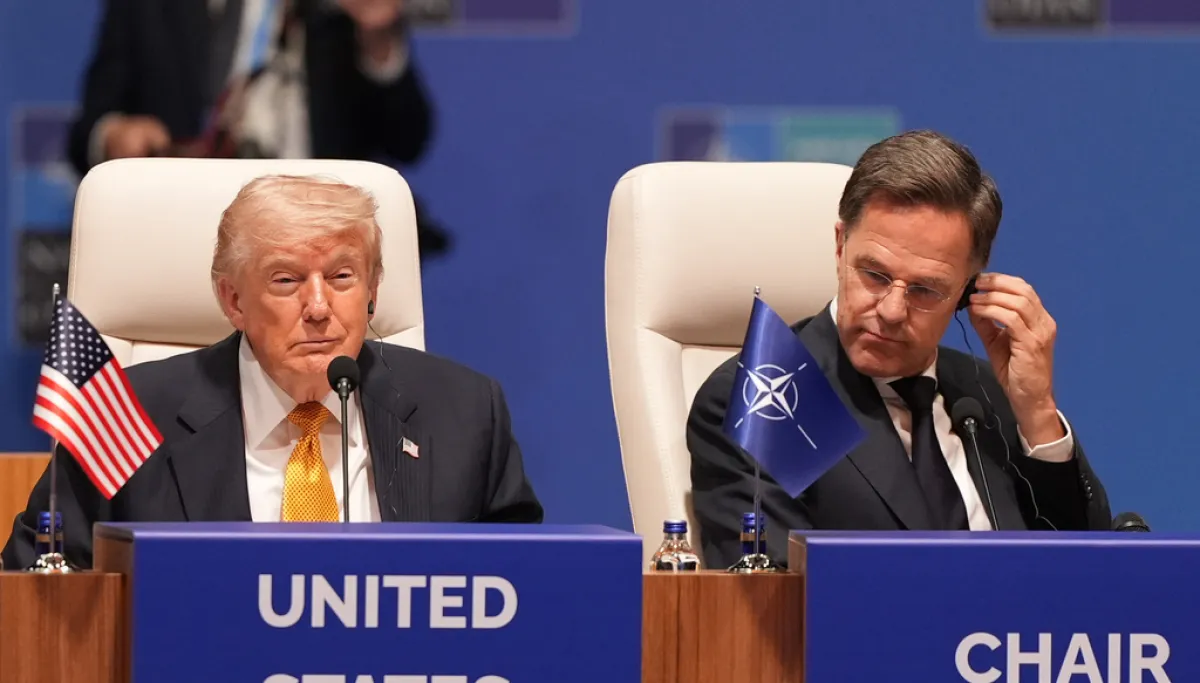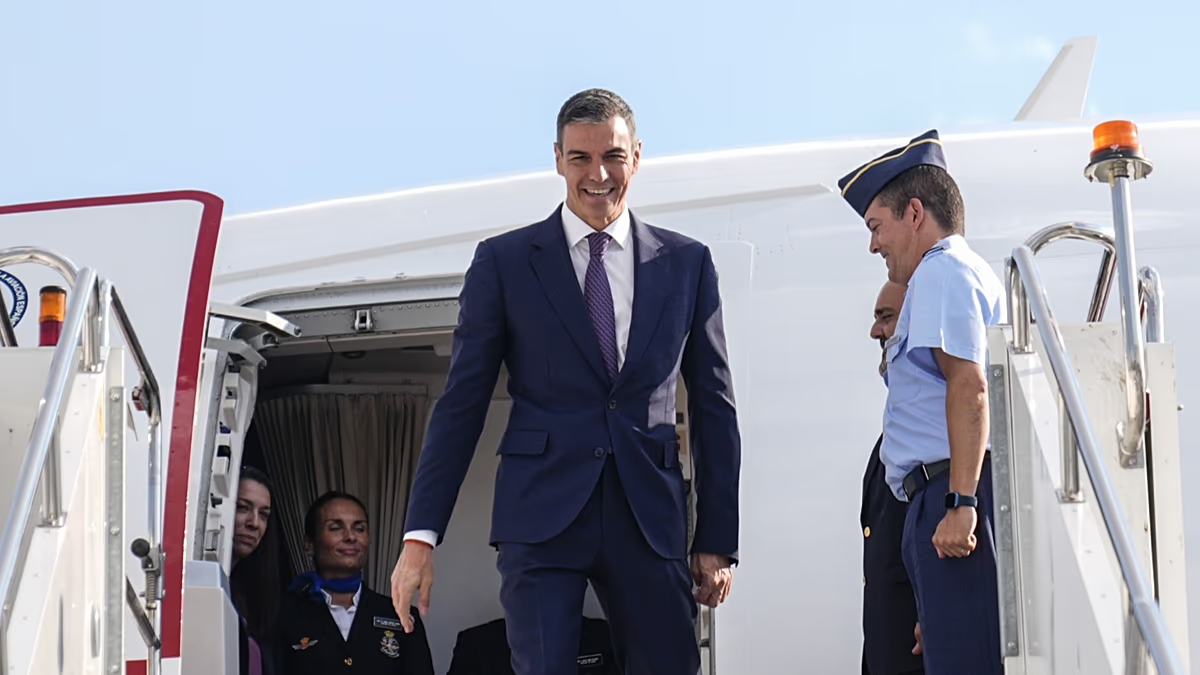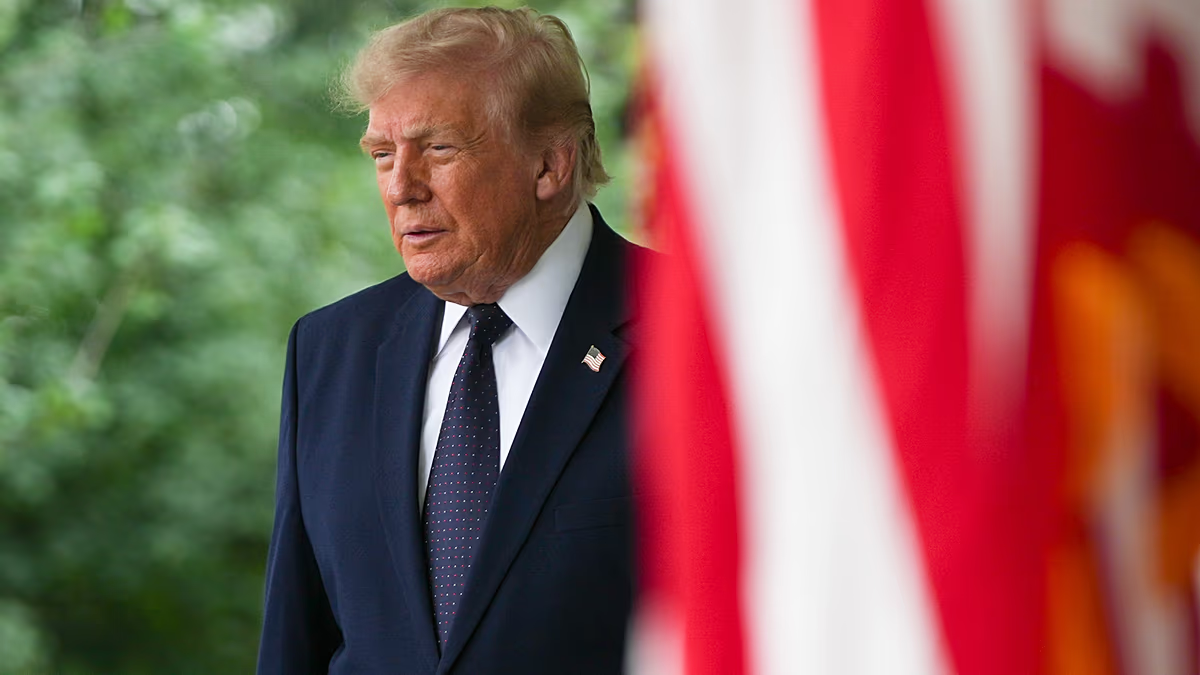
"We no longer want to do any kind of business with Spain. I would like that to stop. Spain is a terrible partner in NATO. They don't pull their weight, they don't pay. I don't want anything to do with Spain. Cut off all trade with Spain, please, including visits," Donald Trump declared at a joint press conference after the NATO meeting in Ankara on Wednesday.
The US president's remarks stand in stark contrast to the way the European Union's trade policy works. Since the creation of the single market in 1993, tariffs, trade agreements and other measures in this area have been an exclusive EU competence, exercised through the European Commission.
Any measure targeting one of the 27 member states would have repercussions for the single market as a whole and could trigger a coordinated response from Brussels.
Trade flows between two of these countries are not even considered exports, but rather "intra-EU supplies". This interconnectedness also means that oranges grown in Valencia can be processed in another European country before being shipped to the US, so a unilateral move against Spain would create major practical and legal difficulties.
"The US federal government knows how the EU's trade relations are managed and is not interested in breaking off trade ties," replied Teresa Ribera, the EU competition chief and former minister in Pedro Sánchez's government, last March, when asked about the issue after Trump once again threatened Spain.