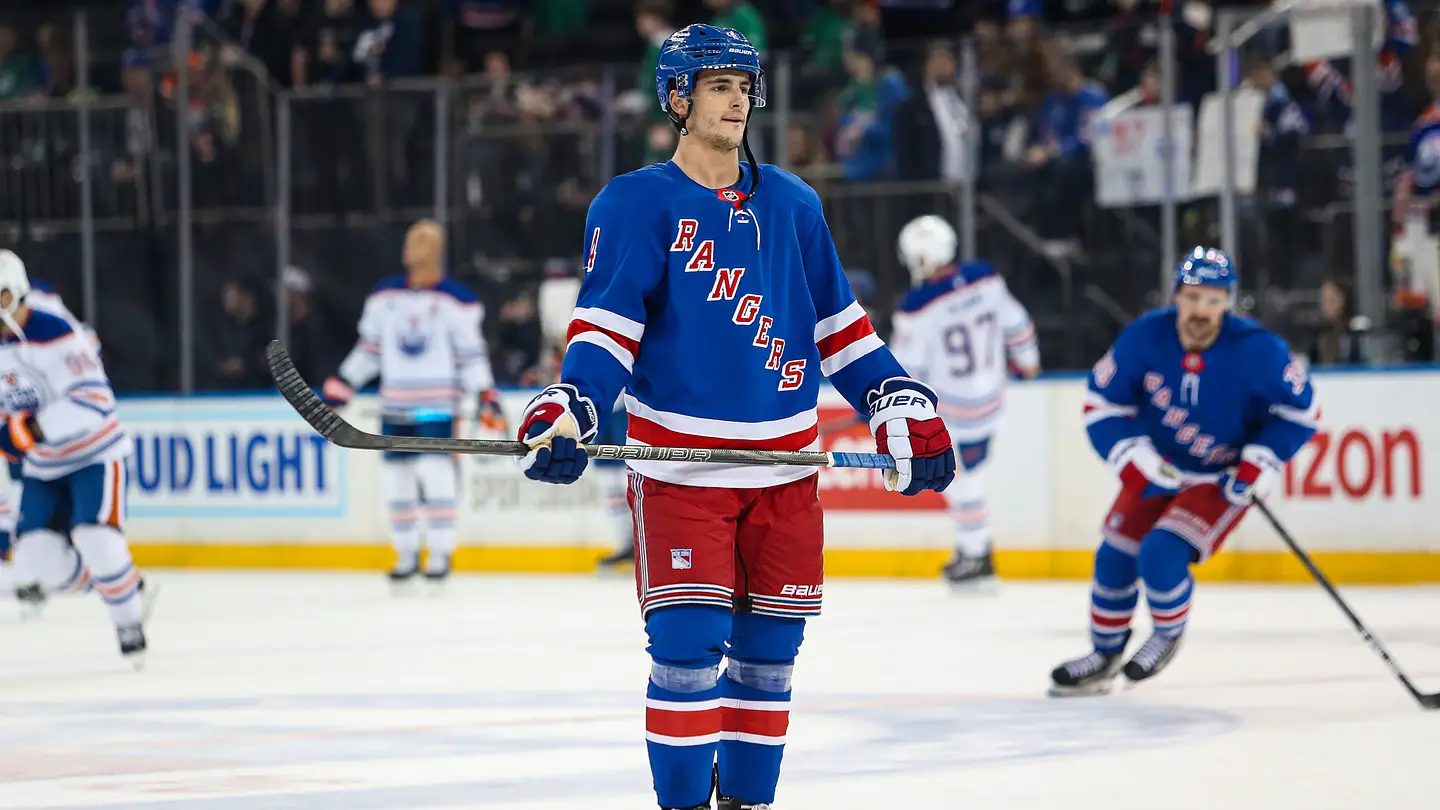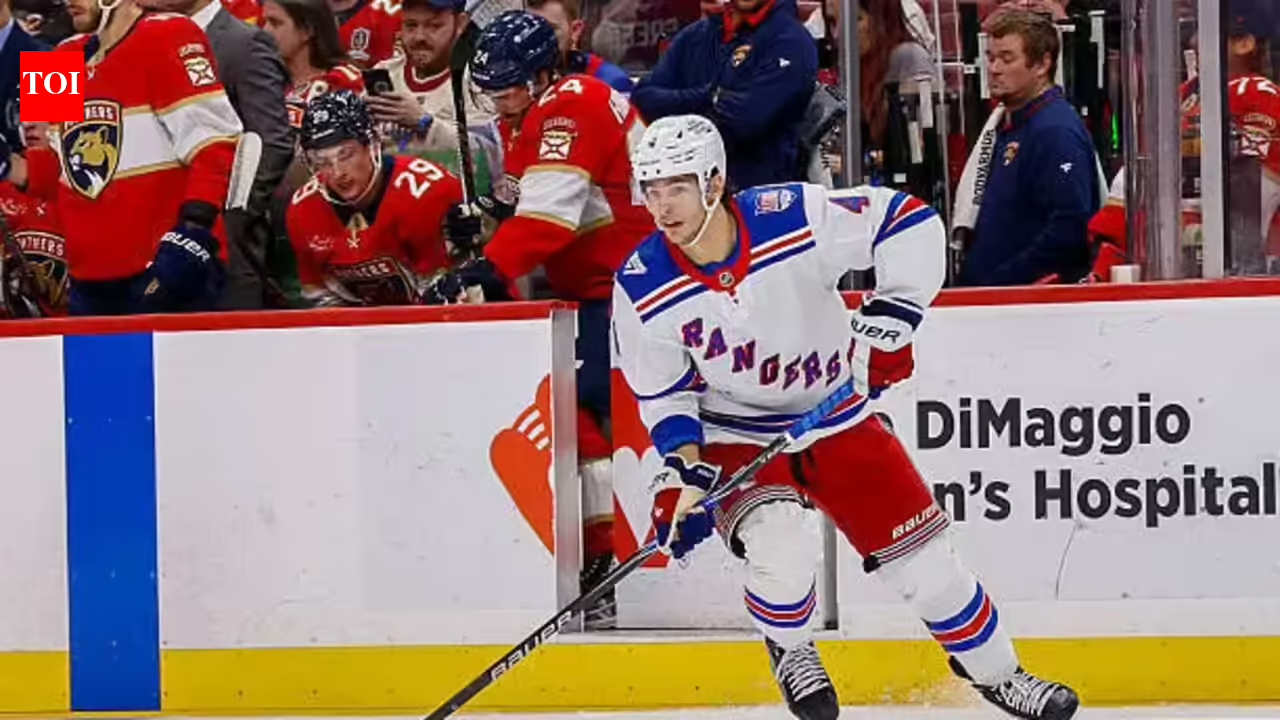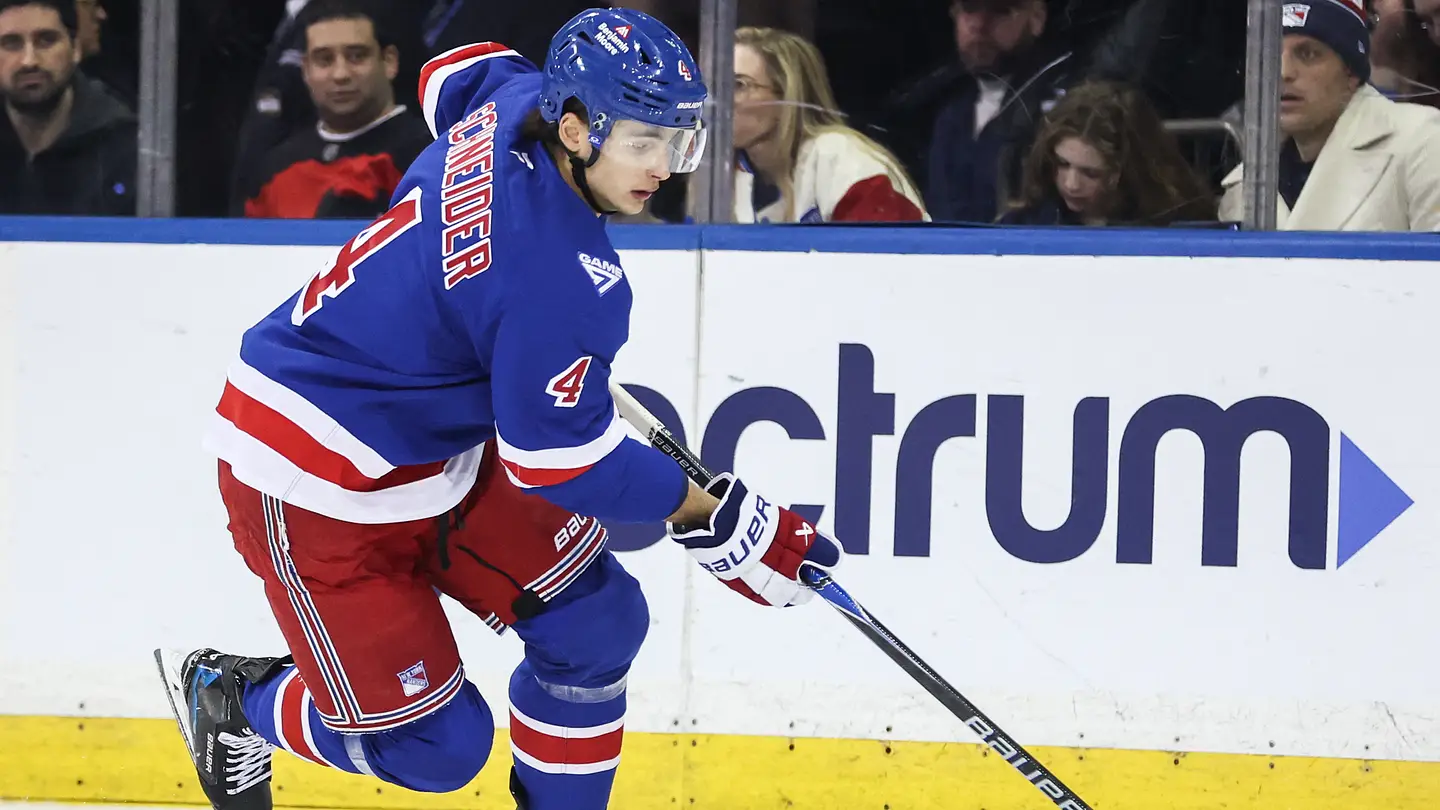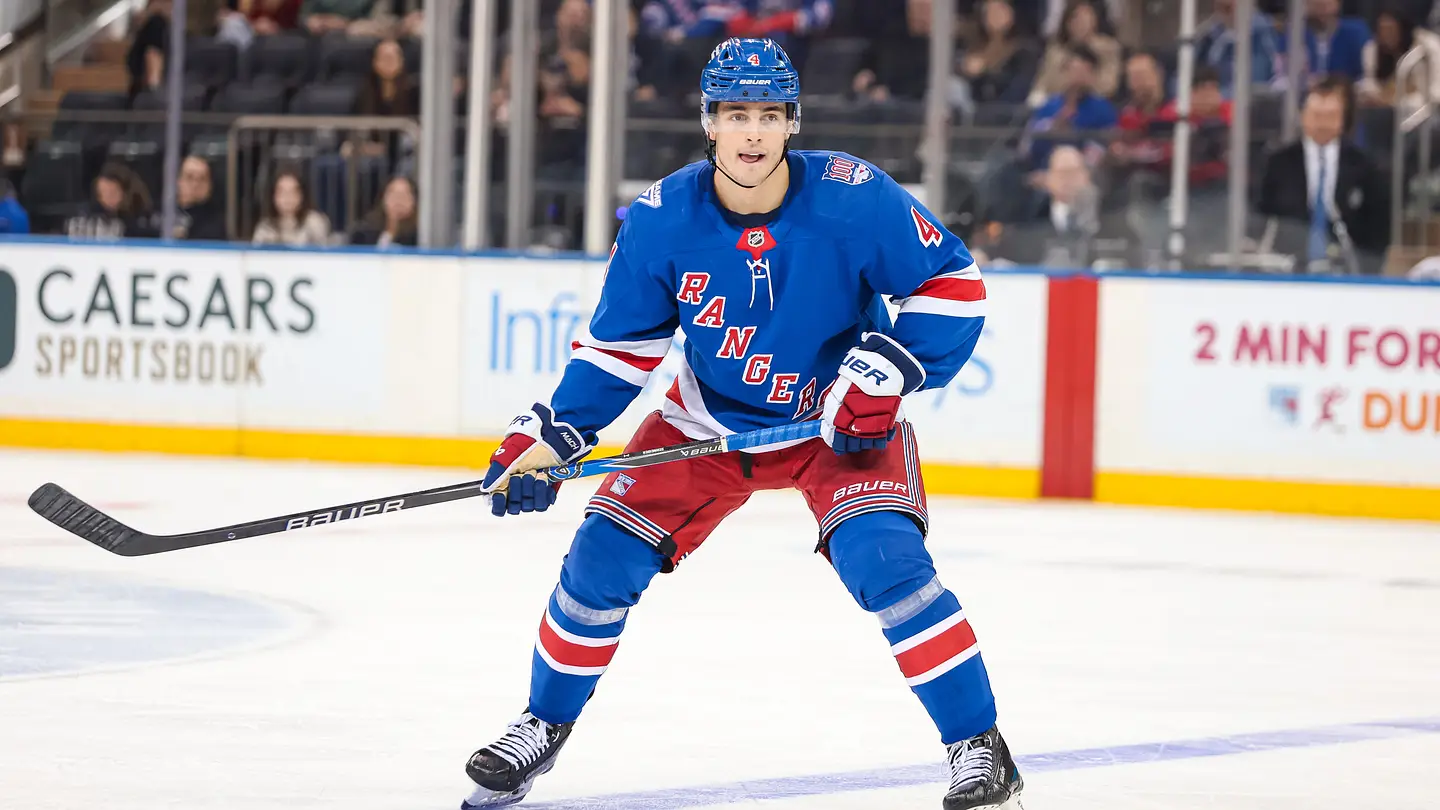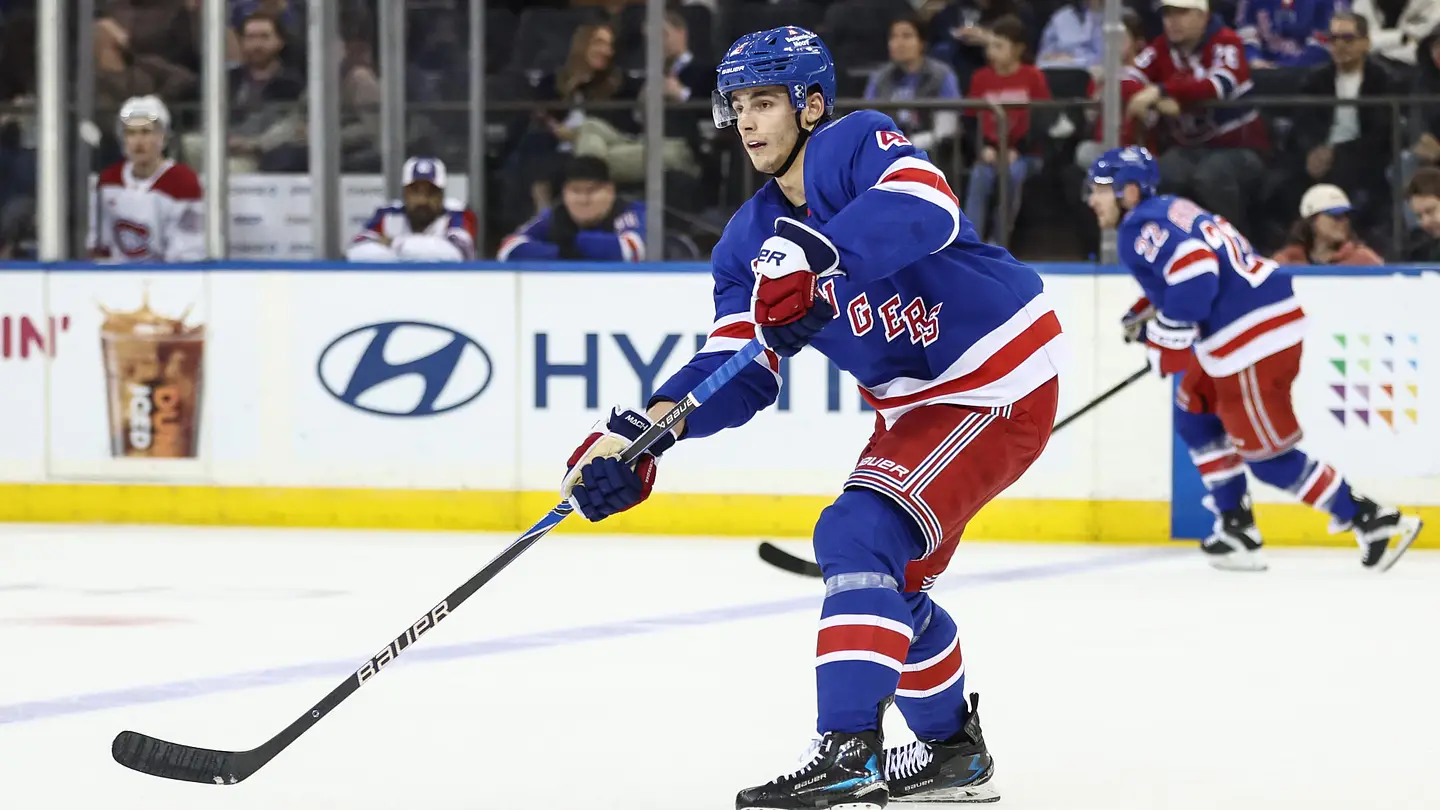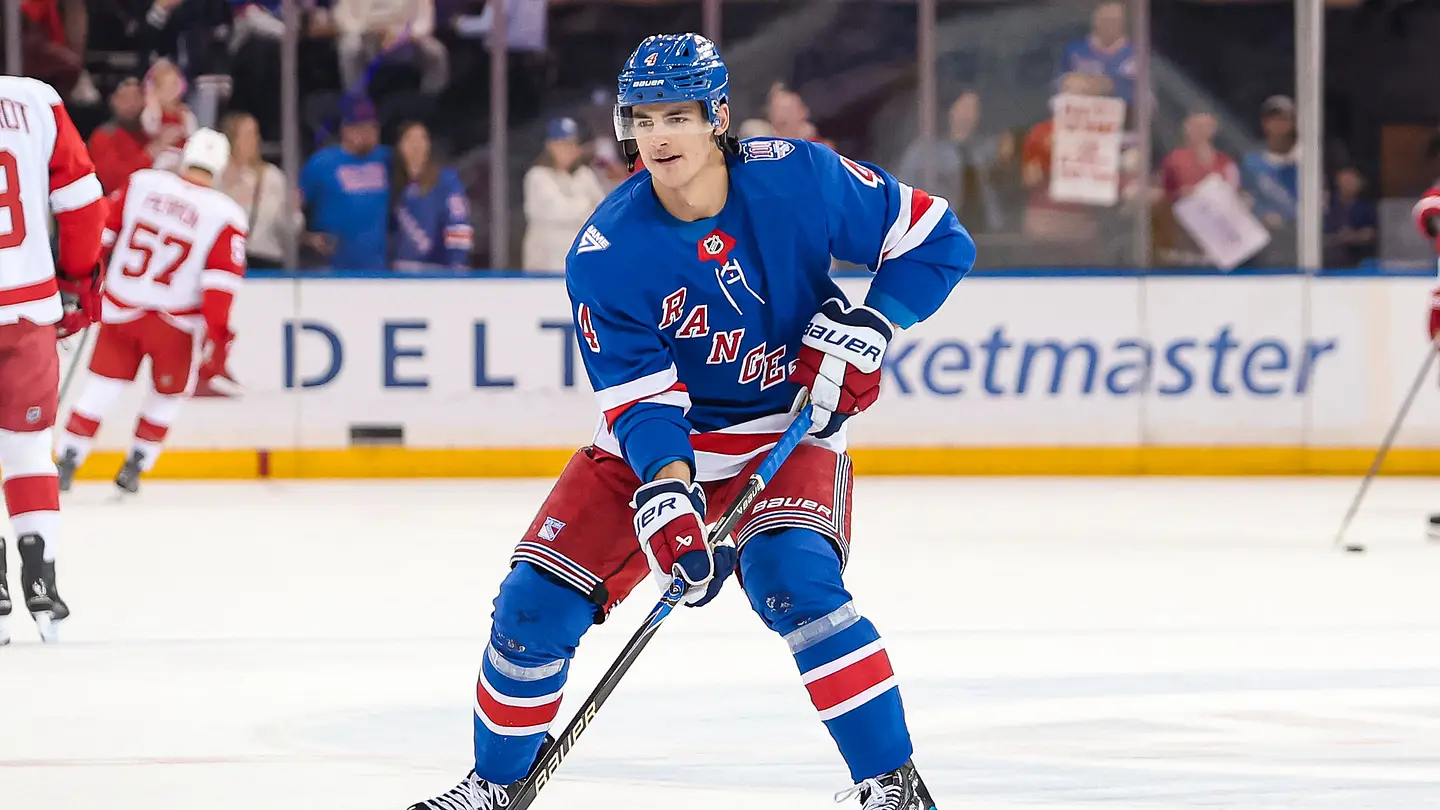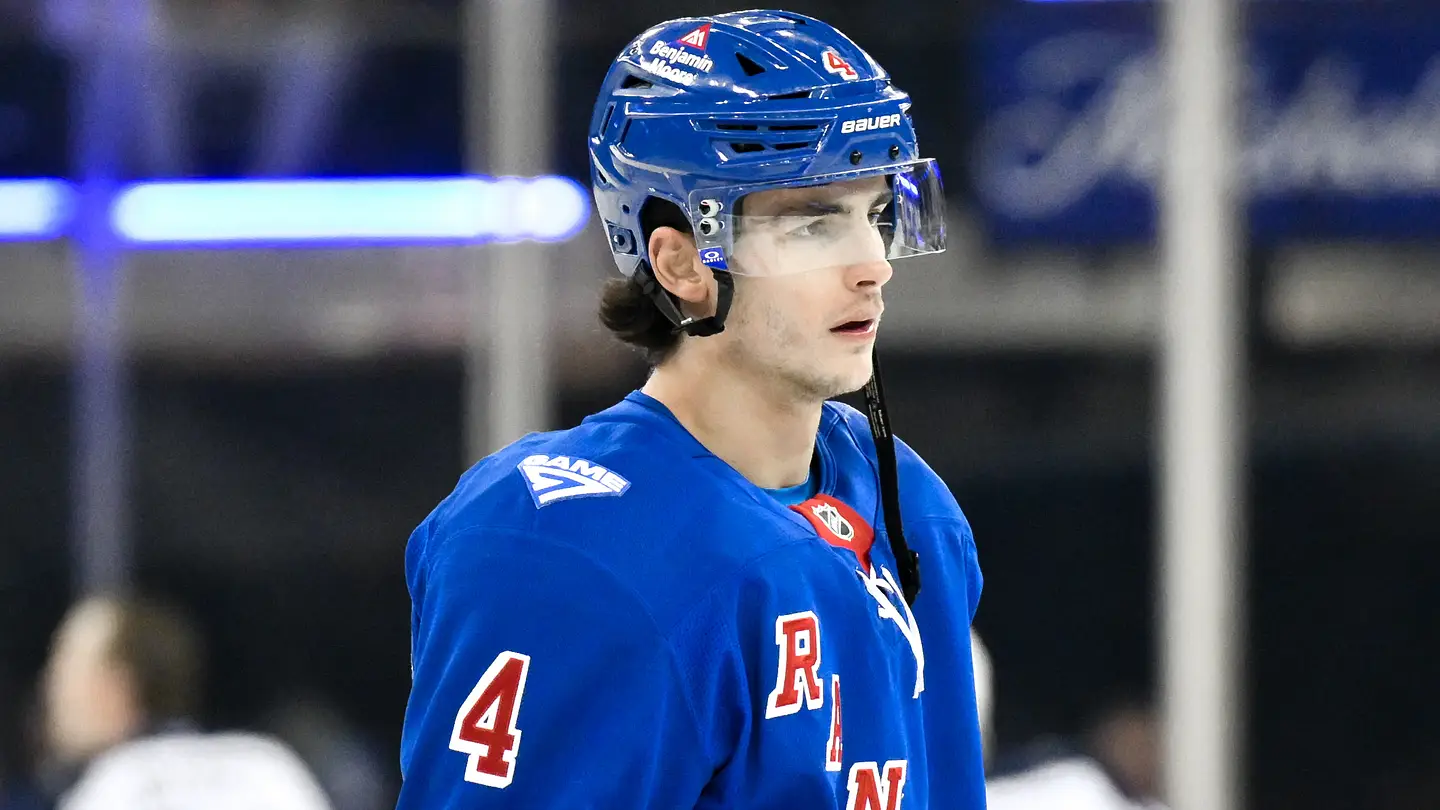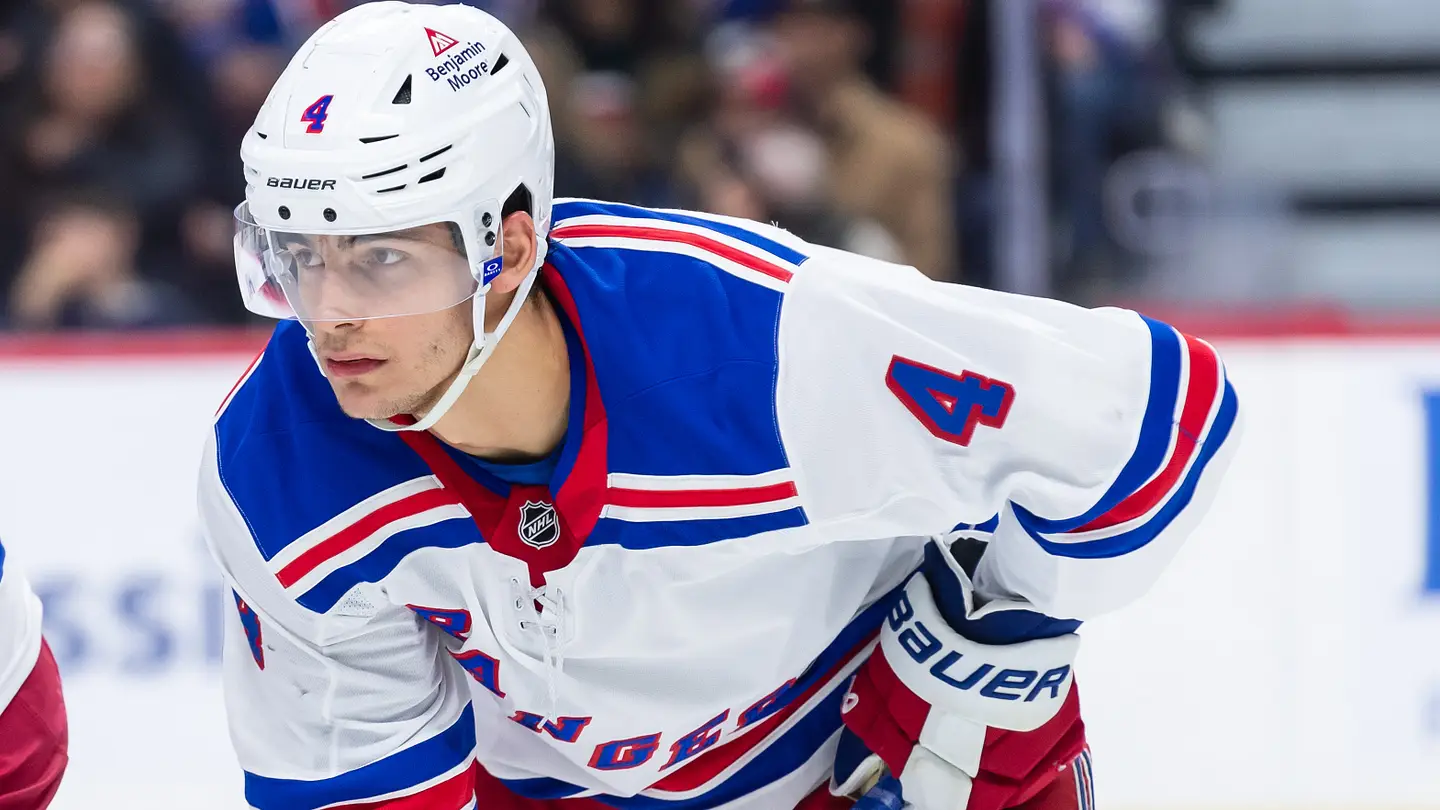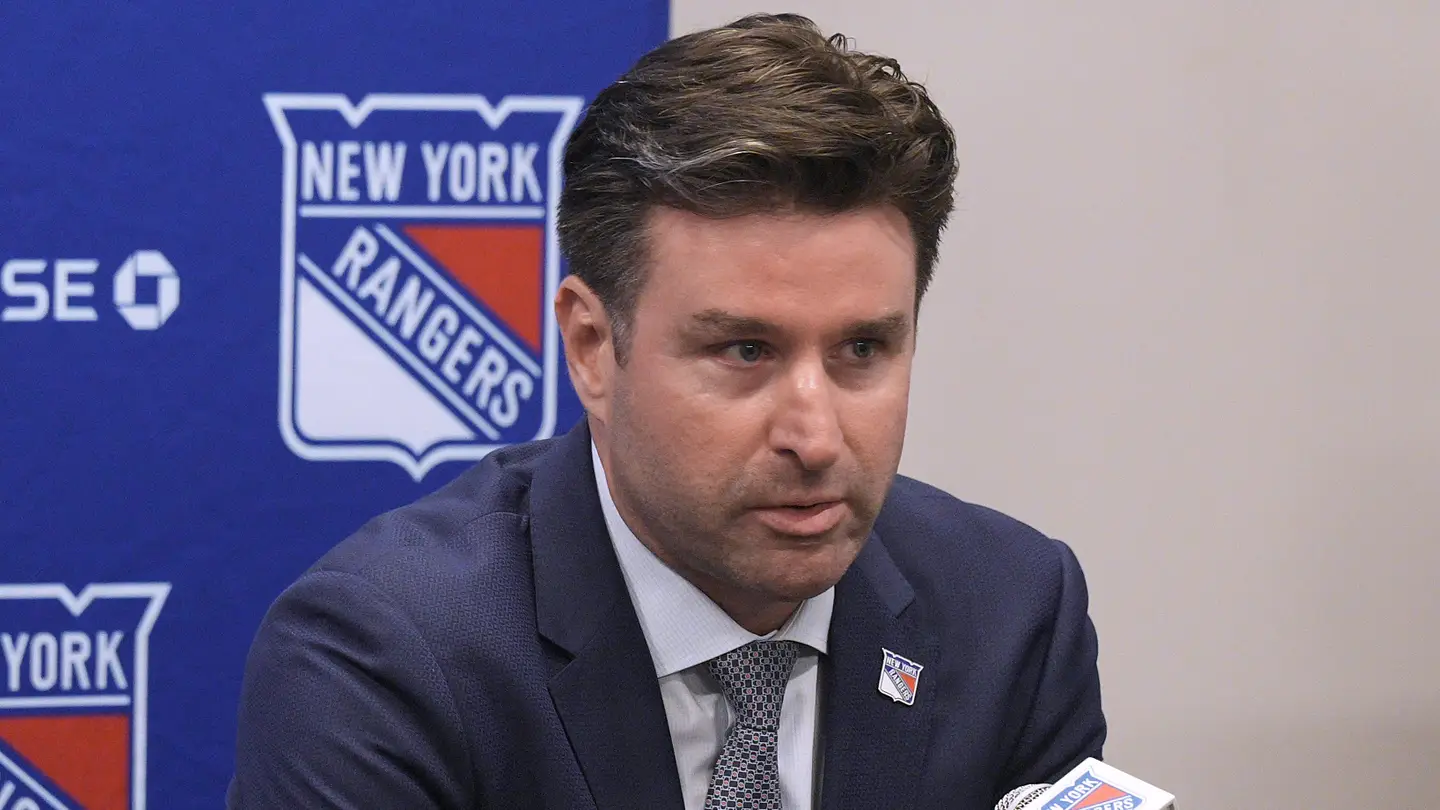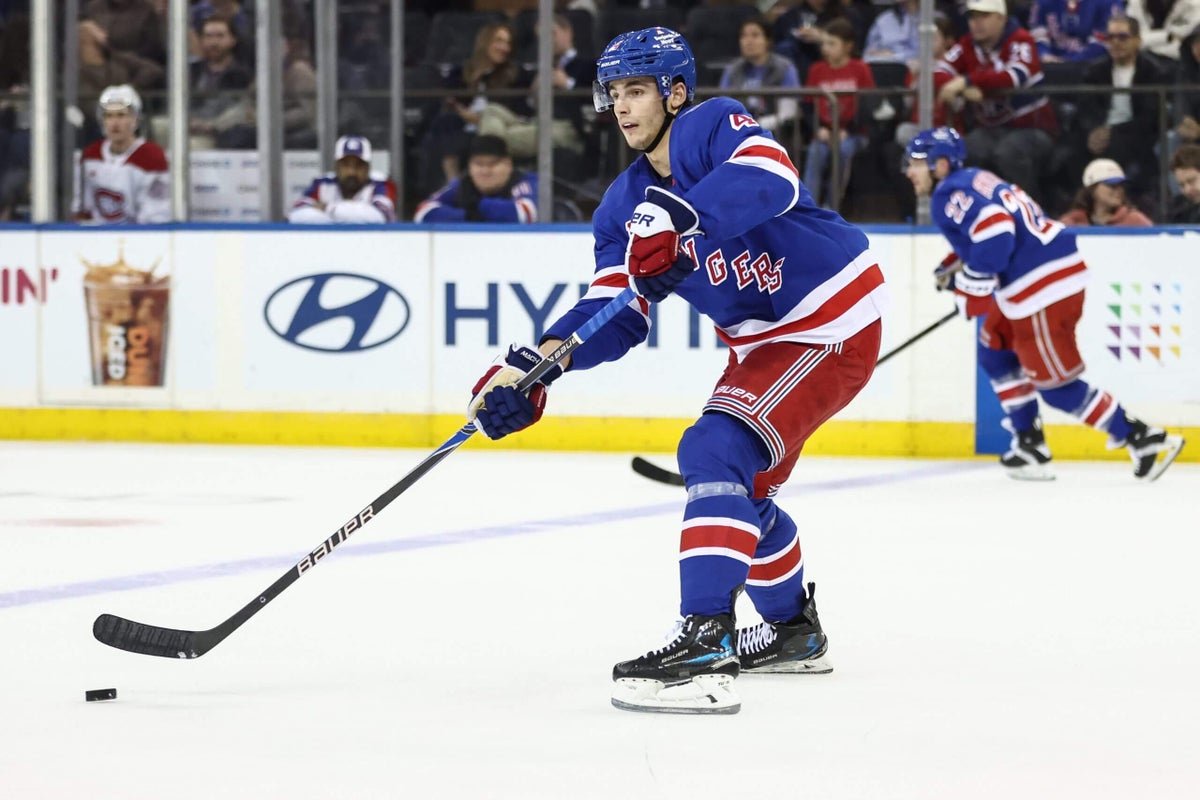
The NHL Draft and free agency brought a flurry of New York Rangers roster moves as team president Chris Drury embarked on his most drastic retooling efforts yet. One player notably stayed put: defenseman Braden Schneider, a restricted free agent who filed for arbitration Sunday.Schneider, the No. 19 pick from 2020, has been in trade rumors since Drury’s January letter declaring a retool. The 24-year-old remaining on the Rangers’ roster for the rest of the summer and into the 2026-27 season still isn’t a guarantee, but it feels significantly more likely than it was two weeks ago.“We think Braden is a really good, young, talented defenseman,” Drury said last week. “Obviously, we drafted him, developed him, we like the skill set and what he does for us.”Schneider, whom the Rangers view as a high-character presence in the dressing room, is coming off a season in which he both carried the most responsibility of his career (20:27 of ice time per game) and struggled. Though his 18 points weren’t far from his career high (21 in 2024-25), he had the lowest points-per-60 minutes rate of his career (0.64) and was last on the team with a -9.0 Net Rating, according to colleague Dom Luszczyszyn’s model. The Rangers’ injuries and lack of roster depth didn’t always put him in a position to succeed last season, but regardless, he left for the summer focused on ways to improve.“I expected more from myself,” he said on exit interview day. “I wish I would’ve done a bit more to help us win, and that’s something I’ll be reflecting on and making sure next year is better.”He added he wants to improve his breakout-pass execution and find ways to get more pucks to the net. He also hopes to bring more physicality next season.Fifteen players league-wide filed for arbitration, and hearings are scheduled between July 20 and Aug. 1. Teams and players often agree to a deal before hearings, but if that doesn’t happen, a third-party arbitrator — after listening to arguments from team and player — decides on the player’s next contract. Schneider had a $2.2 million cap hit the past two seasons. AFP Analytics projects he will get just over $4 million if he signs a one-year deal. If he and the Rangers agree to a long-term deal, the site projects him to get six years at just over $6 million average annual value, which would still fit into the Rangers’ open cap space (currently $7.9 million, per PuckPedia).At his best, Schneider is a defensively capable presence who can kill penalties and skate well. With a right shot and a 6-foot-3 frame, he is the type of player teams often crave in trade talks. The Rangers could still use him as a chip for a forward who can fill a hole in their top nine — they were previously open to moving him for an impact forward — but it would essentially shuffle roster problems and put the team in a difficult spot with its third pair. Vincent Iorio and Scott Morrow, who are both unproven, are the top right-shot options after Adam Fox, newly acquired Sean Durzi and Schneider, who will be 25 at the start of the 2026-27 season.“You’re going to put yourself in a bad spot moving a 25-year-old right-hand defenseman … who probably played himself into an average (cap hit) number for his next contract,” one scout with an NHL team, granted anonymity to offer candid analysis of a rival team, said. “That guy’s going to be nothing but valuable.”The Rangers saw last offseason the risk of moving on from a young RFA defenseman coming off a down year, as K’Andre Miller flourished with Carolina and helped lead the Hurricanes to a Stanley Cup. But Schneider, it’s important to note, has never produced the way Miller did in New York and doesn’t have the same tools that make the Carolina defenseman special. There’s risk in the other direction, too; the Rangers have also held on to trade chips too long and seen their value decrease drastically before dealing them. Perhaps that’s already happened, leading to Drury not getting offers for Schneider he deems worthwhile.Schneider is coming off two lackluster seasons in terms of his underlying numbers. His analytics might never sparkle, because he doesn’t drive play, but he at least needs to bring a shutdown presence to be effective. And over the last couple of seasons, his defensive metrics have dipped relative to his Rangers teammates.Schneider’s role, if he stays with the Rangers, is set to change from 2025-26 thanks to Drury’s defensive overhaul. Rangers coach Mike Sullivan has new options behind his top pair of Vladislav Gavrikov and Fox. Drury acquired Marcus Pettersson and Durzi, both of whom played top-four minutes last season, in trades with the Vancouver Canucks and the Utah Mammoth, respectively. Pettersson will almost certainly be on the second pair given the current makeup of the Rangers’ depth chart — Matthew Robertson, though coming off a promising rookie season, is far from proven — and Sullivan could pair him with Durzi. That feels like the most likely path the coaching staff takes.“These two trades, we certainly wanted to find guys who matched up and could complement each other in different situations,” Drury said. “If they are together, Marcus and Sean could be a good pair together.”Drury was sure to note that Sullivan makes lineup decisions. The coach could keep Schneider on the second pair, and in Pettersson he’d likely have a more consistent partner than he experienced for chunks of last season. Schneider spent significant time with Carson Soucy before the veteran was traded to the New York Islanders, and the coaching staff also experimented with Will Borgen and Schneider playing together, which required one of the defensemen to play on his off side. That was unsuccessful.Schneider also struggled last season when forced into top-pair minutes due to injuries to Fox. The Rangers were outscored 29-14 at five-on-five in 515:14 with the Gavrikov-Schneider pair on the ice and had 40.95 percent of the expected goal share, per Natural Stat Trick. For comparison, New York won the Robertson-Schneider minutes, outscoring opponents 11-8 in 251:24. The Rangers were still sub-50 percent in expected goal share with that pair on the ice (46.72 percent), but that rate was significantly better than Gavrikov-Schneider posted — an indication that Schneider was more effective against weaker competition. Should Schneider move to a third-pair role with the Durzi addition, he will get fewer minutes against high-level players at five-on-five. That could benefit him and the team.Even if Schneider plays easier five-on-five minutes, Sullivan will use him on the penalty kill. He was second on the team in shorthanded minutes (198:31) last season, and the Rangers will continue to count on him in that role. He, Gavrikov and Pettersson project to be New York’s top PK defensemen.Schneider already made it through Drury’s major roster overhaul, but the questions around him aren’t silenced yet. The Rangers still have to definitively decide if they’re keeping him for next season and — if they do — how much of a commitment they’re willing to make with a new contract.
Where do Braden Schneider and the Rangers stand after arbitration filing, trade rumors?
The 24-year-old has been in trade rumors since January, but he may have a more logical roster spot after offseason moves.
1,192 words~5 min read