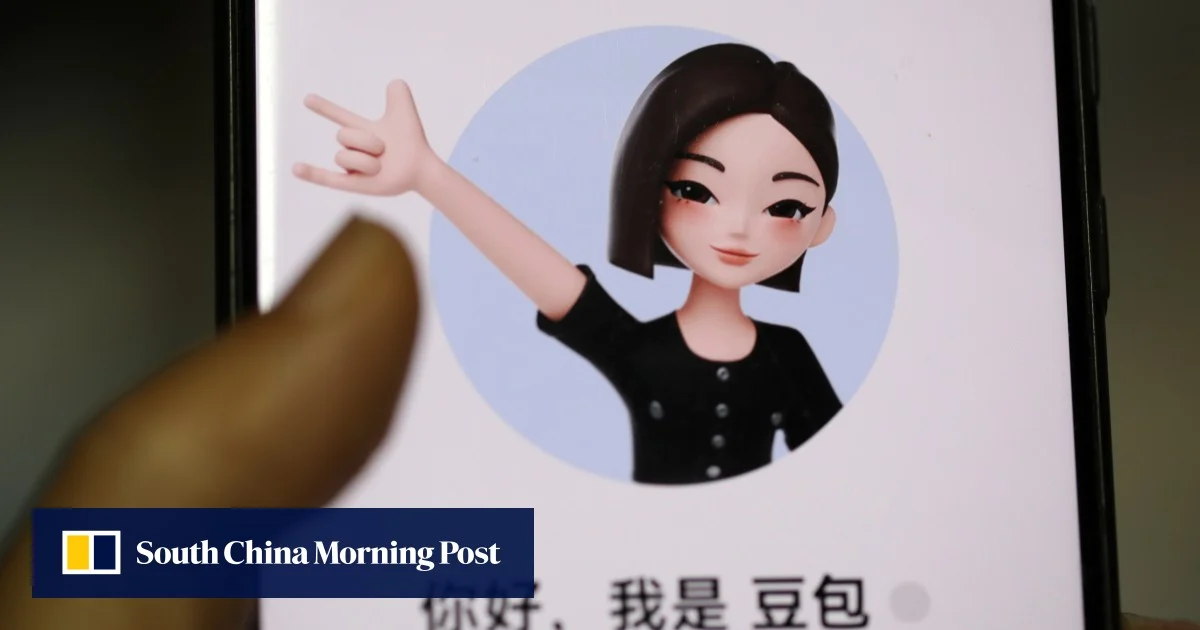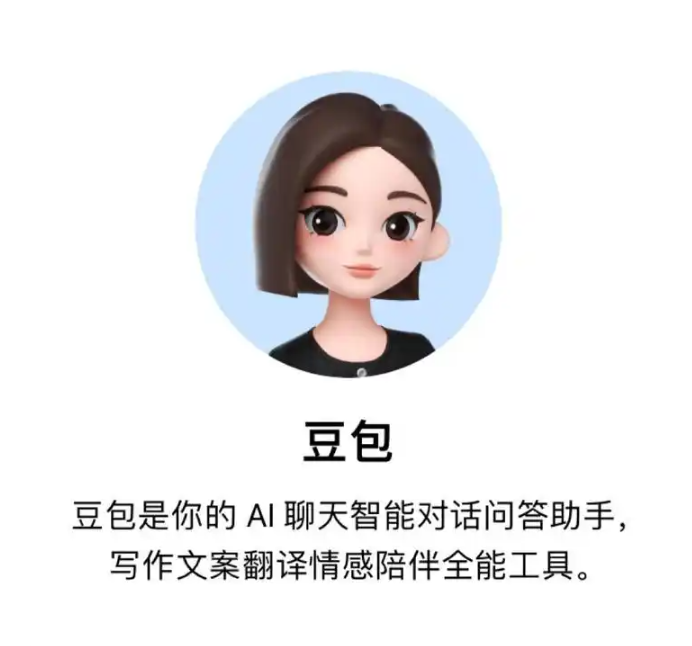
Two of China's largest AI model platforms, Doubao and Qwen, both tightened restrictions on custom agents last week. A batch of third-party agents were delisted or had their distribution throttled, creation permissions were narrowed, and publishing rules got stricter across the board. It barely made a blip in English-language tech news, which makes sense since neither platform has much presence outside the Chinese market, but the pattern itself is not new at all. If anything it is getting boringly predictable. What makes this round different from the usual platform churn is that the agents getting killed off this time are not toy chatbots. They are real workflow agents that people spent weeks or months building, tuning prompts, wiring up tools, accumulating users and usage data. Gone, just like that.
You have seen this movie before if you have been around software long enough. Twitter jacked up API pricing and an entire generation of third-party clients died overnight. OpenAI launched GPTs to massive fanfare, developers rushed in, and a few months later most GPTs had zero organic discovery, buried in a graveyard nobody browsed. Slack, Notion, Discord, every platform with a third-party ecosystem runs the same play. Open the doors early, bang the drum for developers to come build and fill the ecosystem, collect enough data to see what users actually want, then either absorb the popular features into the core product, tighten API access, or choke off distribution at the source. None of this is evil or surprising. Public companies answer to shareholders, not third-party developers, and nobody operating under that illusion lasts very long in platform businesses. The problem is that every single time this happens, there are developers who acted as if this time would be different, and they are the ones left holding a dead product.