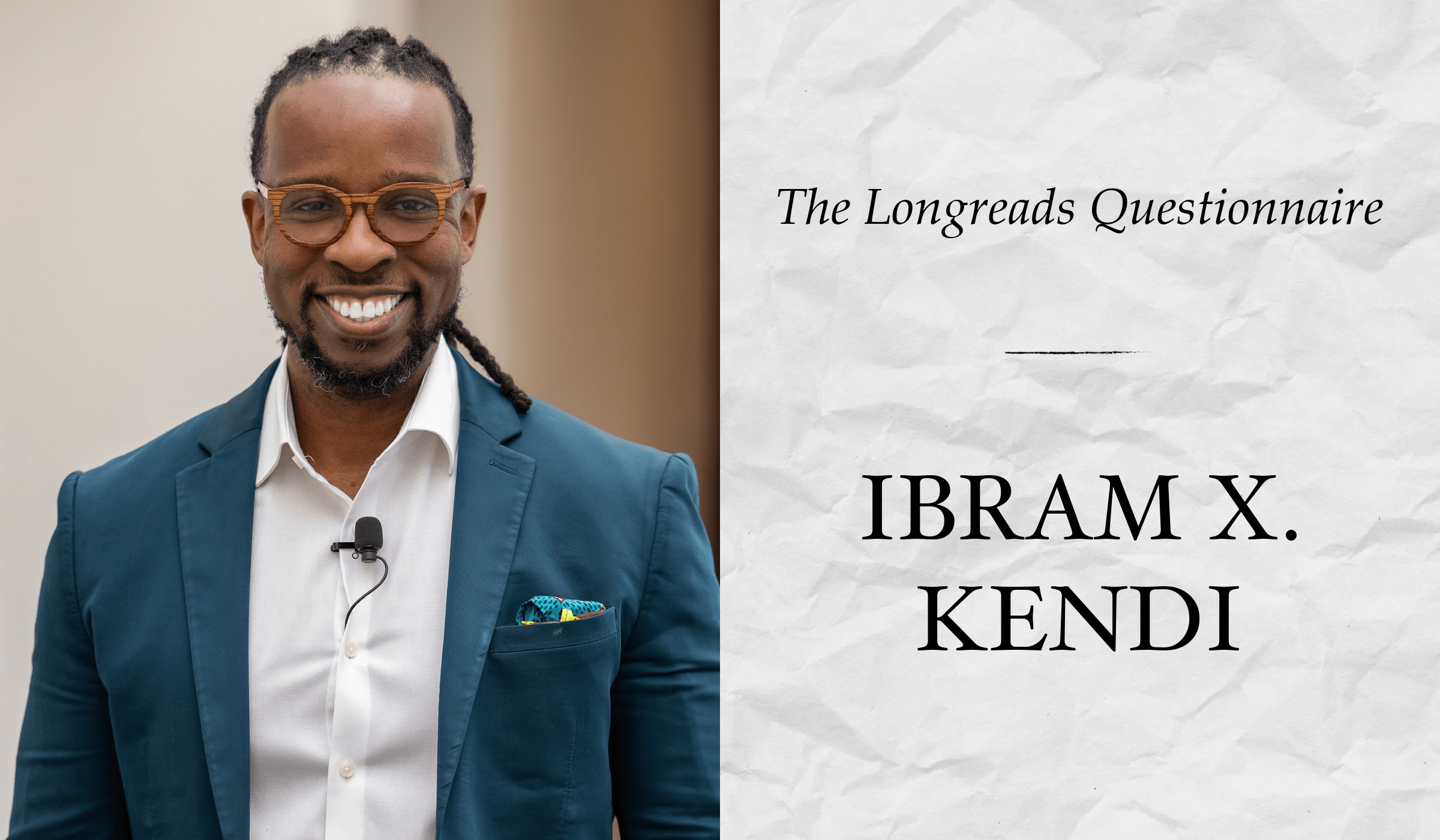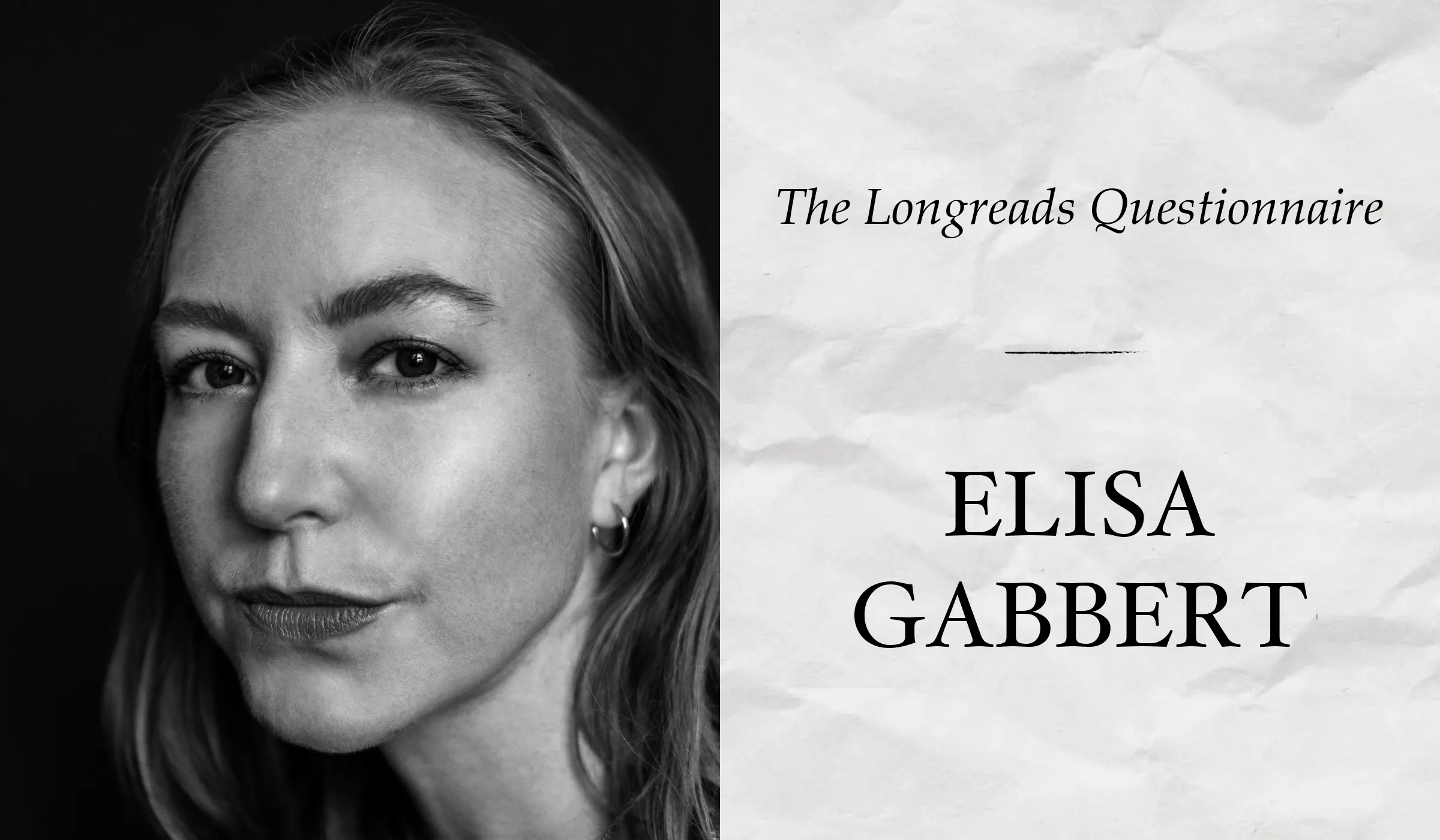
“Edges,” writes Elisa Gabbert, “are where meaning gathers.” It’s a line I find irreducible, definitive, bumper sticker-worthy. We follow our ideas to one brink or another, and then we test their boundaries. Sometimes, greater understanding escapes us, slips from our fingers and falls into the chasm. Other times, if we’re lucky, we discover that some boundaries are far less certain than we had thought. The edges recede, and so we pursue them further. If we’re really lucky, then we might encounter a writer like Gabbert, whose pursuits deepen our own.
Gabbert’s essays explore the edges of the body and the mind, the self and the world that contains it. In “Sleep No More,” she recounts a pair of surgical procedures, a personal story that touches off a surprising study of anesthesia, the limits of consciousness, insomnia, and how we understand suffering. In “Second Selves,” she considers the journal and a few of its practitioners—from Plath and Woolf to those individuals with highly superior autobiographical memories—to challenge the limits of selfhood. “A journal is an effigy of the self, or else is the self, the self that exists because we create it,” she writes. “I am no longer sure, for the record, what people mean when they say that the self is illusory. Isn’t it here? Here where I sit, and in what I am writing?” (Versions of the question surface in her poetry, too: “Who am I,” she asks in Normal Distance, a recent collection, “when I sleep so deeply I wake up thinking of my childhood bed?”)