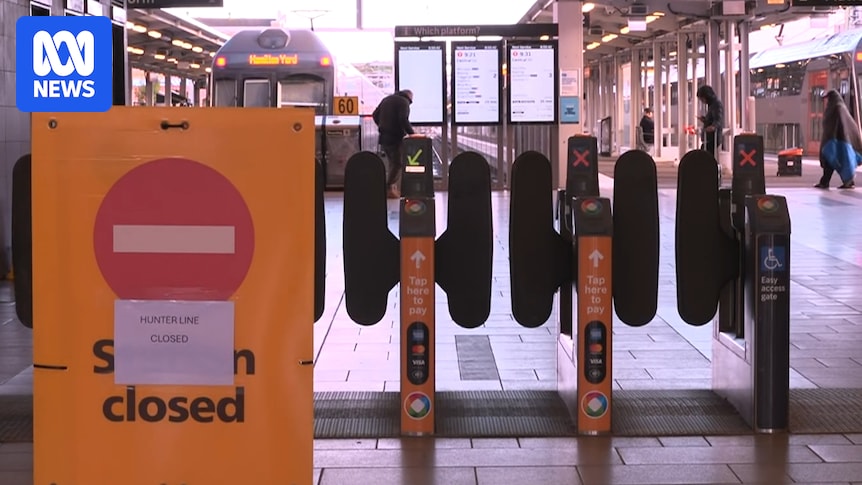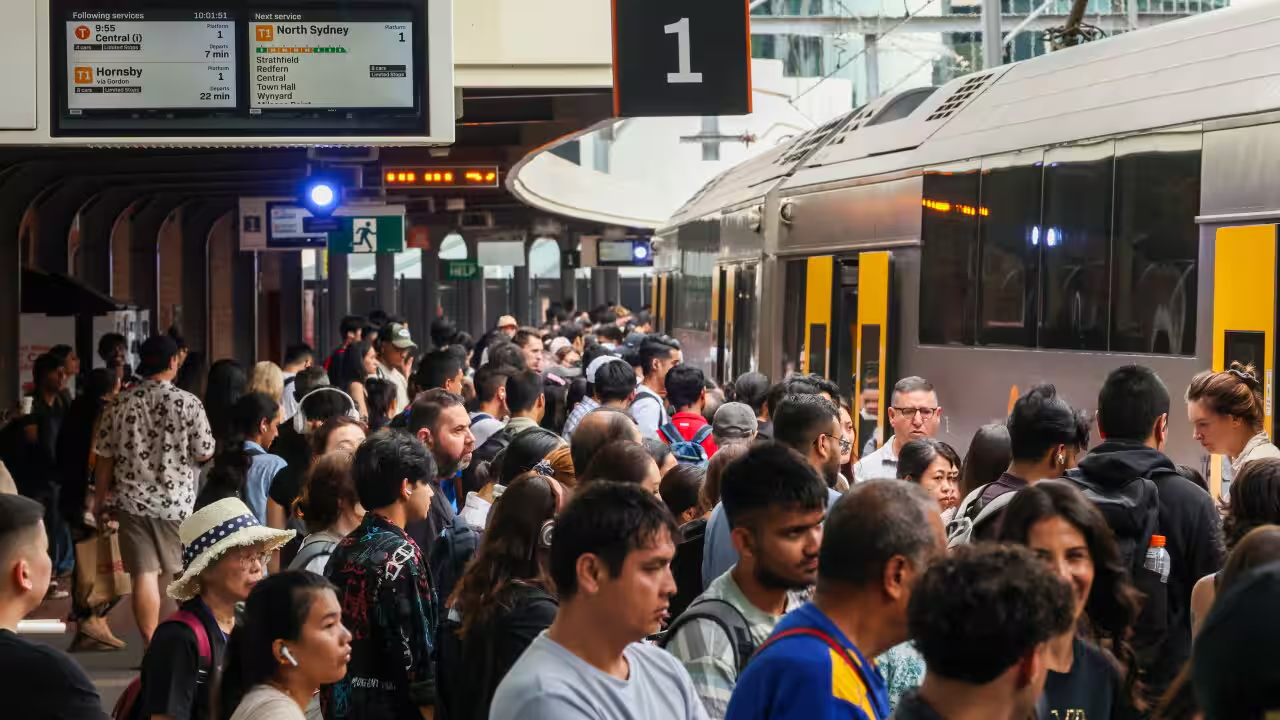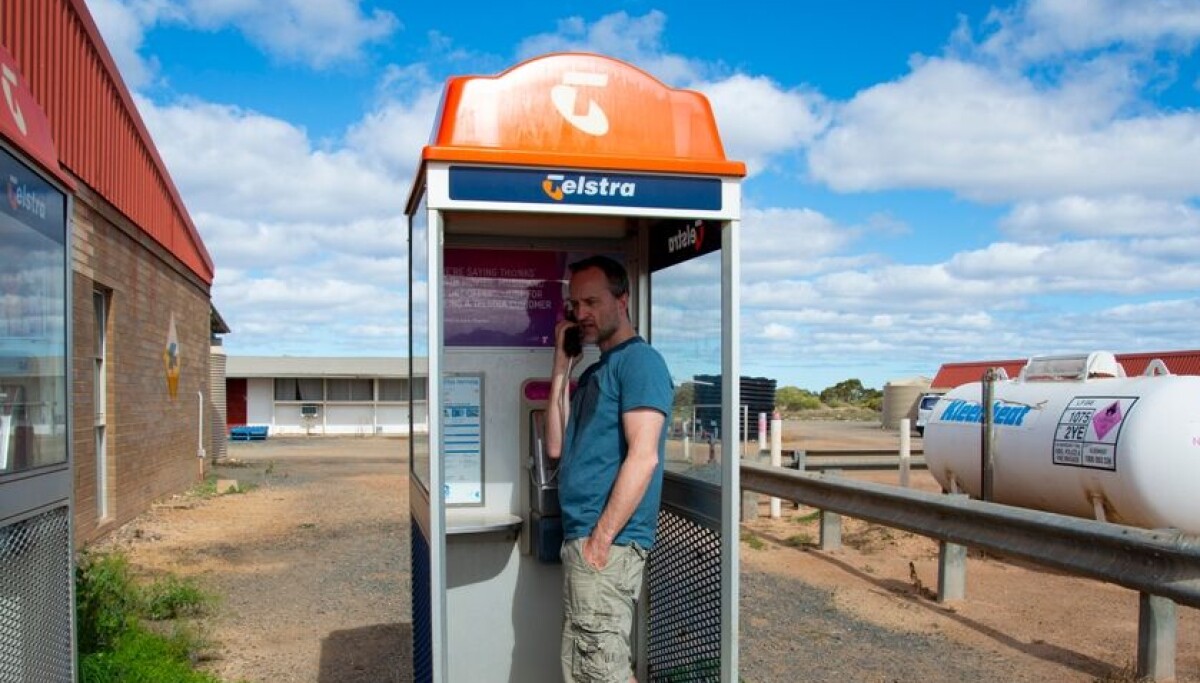
For a few hours on Wednesday morning, chunks of Australia’s daily infrastructure simply stopped answering. A nationwide outage at Telstra, the country’s largest carrier, cut phone service for thousands of customers, froze tap-to-pay terminals and brought regional trains to a halt.
The disruption began at about 4.30am and spread through systems that most people never think about until they fail. It was the kind of failure that turns an ordinary commute into a problem, in the same way a Meta outage can quietly reorganise a morning for millions.
Victoria’s regional rail operator, V/Line, suspended services across all of its lines because it could not maintain the communications it needs to run trains safely. Some rural services in New South Wales were disrupted too, leaving passengers stranded or diverted onto replacement transport.
The payments failures hit at street level. As card and mobile terminals dropped offline, taxi drivers lost fares and some passengers found themselves unable to pay for rides they had already taken.
Telstra is not a marginal player whose stumble goes unnoticed. It is Australia’s dominant carrier, serving millions of customers and underpinning networks that many rival services and payment providers quietly run on top of.