Simon Paré-Poupart on the Democratic Control of Waste Management
One book on waste management that has stayed by my side for years is Giants of Garbage by Canadian journalist Harold Crooks. That book is my bible. The central question it asks is a vital one: Is it possible to maintain democratic governance over waste management?Article continues after advertisement
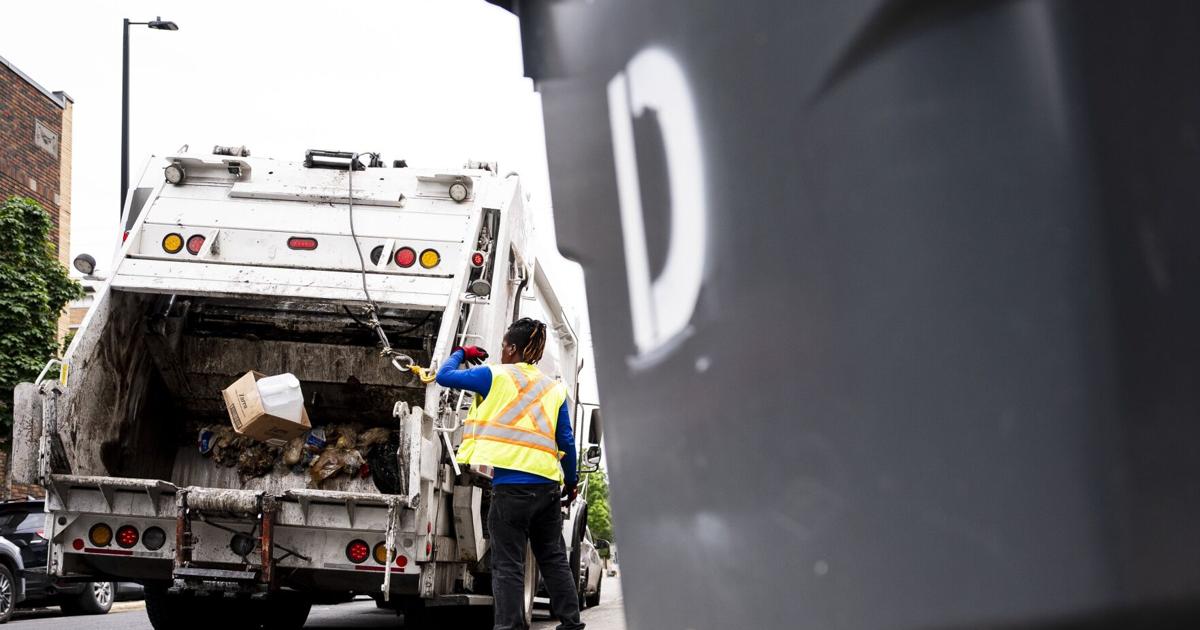
Crooks documents the ways North American cities have been pressured to subcontract garbage collection to private entities. Waste management as we know it has largely developed in opposition to municipal practices. The pattern holds in Greater Montreal as well: municipal expertise, which has traditionally been unionized, has been broken up and replaced first by small contractors and subsequently by big multinationals.
Today, the City of Montreal handles less than 5 percent of waste collection on its territory. And it is one of the only municipalities in the region with a municipal collection service. This laissez-faire capitalist approach to waste management comes with risks. Crooks discusses Walter Lippmann’s notion of an “upperworld” and an “underworld,” the latter of which arises to protect weak economic actors from unwanted rivals. Networks of underworld players have historically stepped in when legislators removed markets from the legal economy— think prostitution, gambling, drugs today, or alcohol during prohibition.