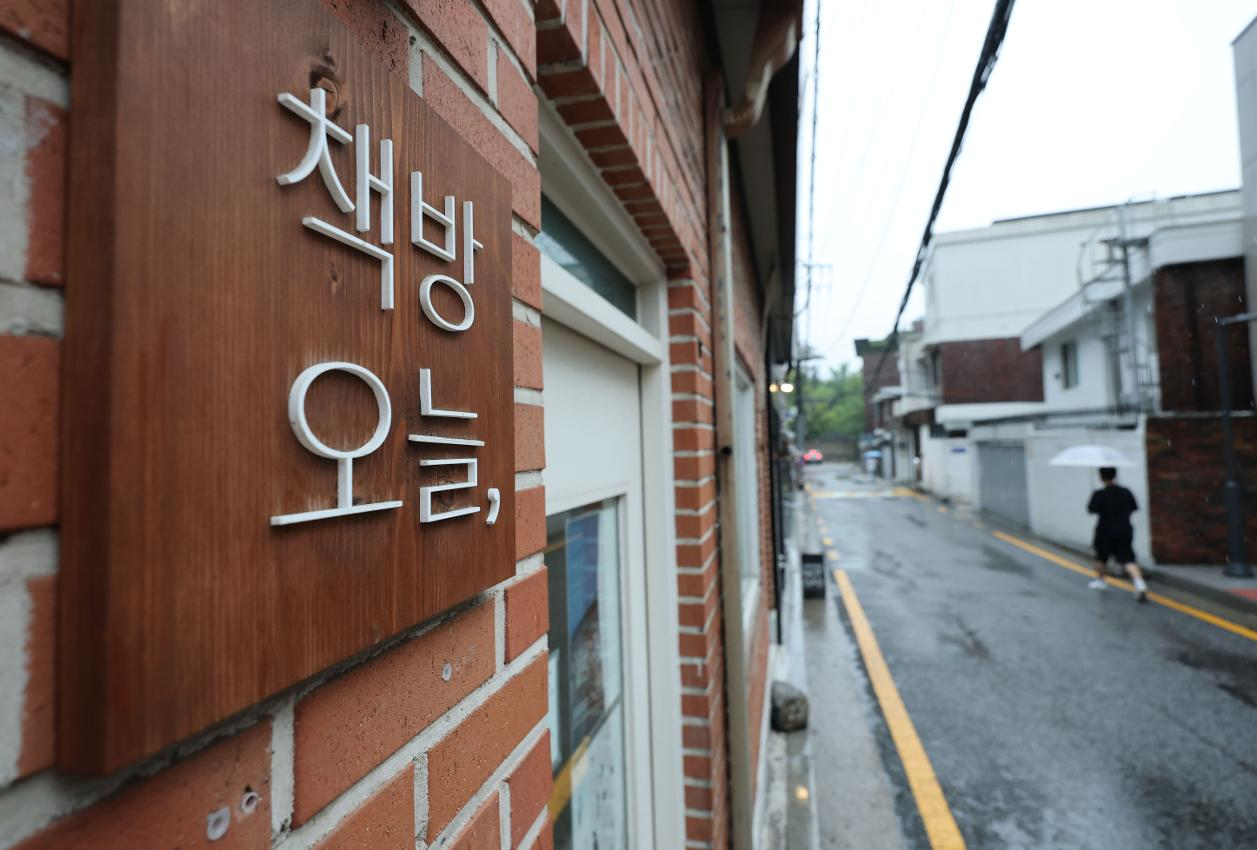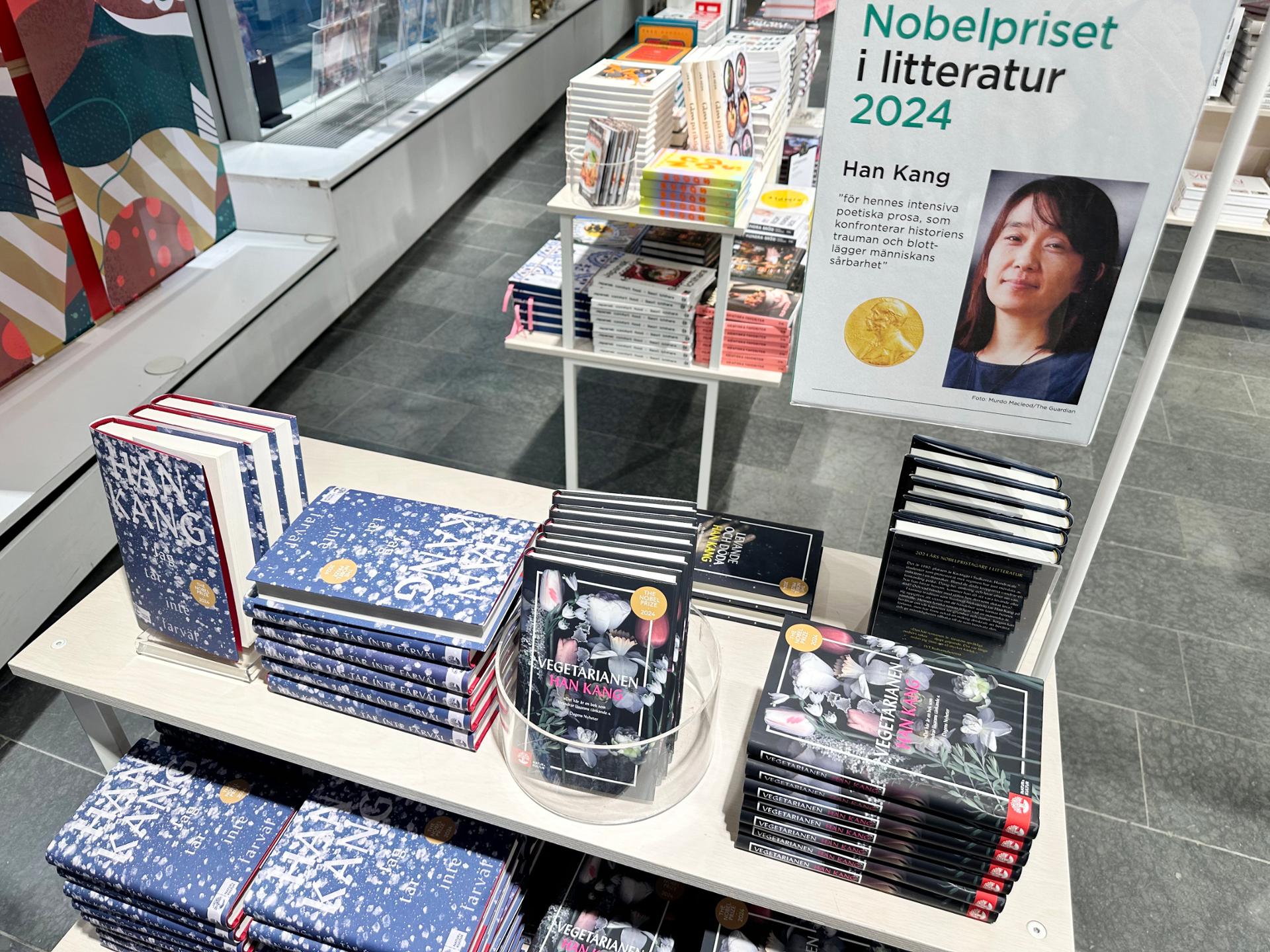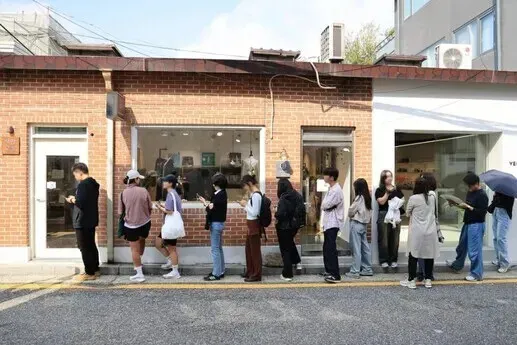
Customers line up outside of Onul Books in October 2024 after Han Kang was announced as that year’s laureate of the Nobel Prize in literature. (Yonhap)
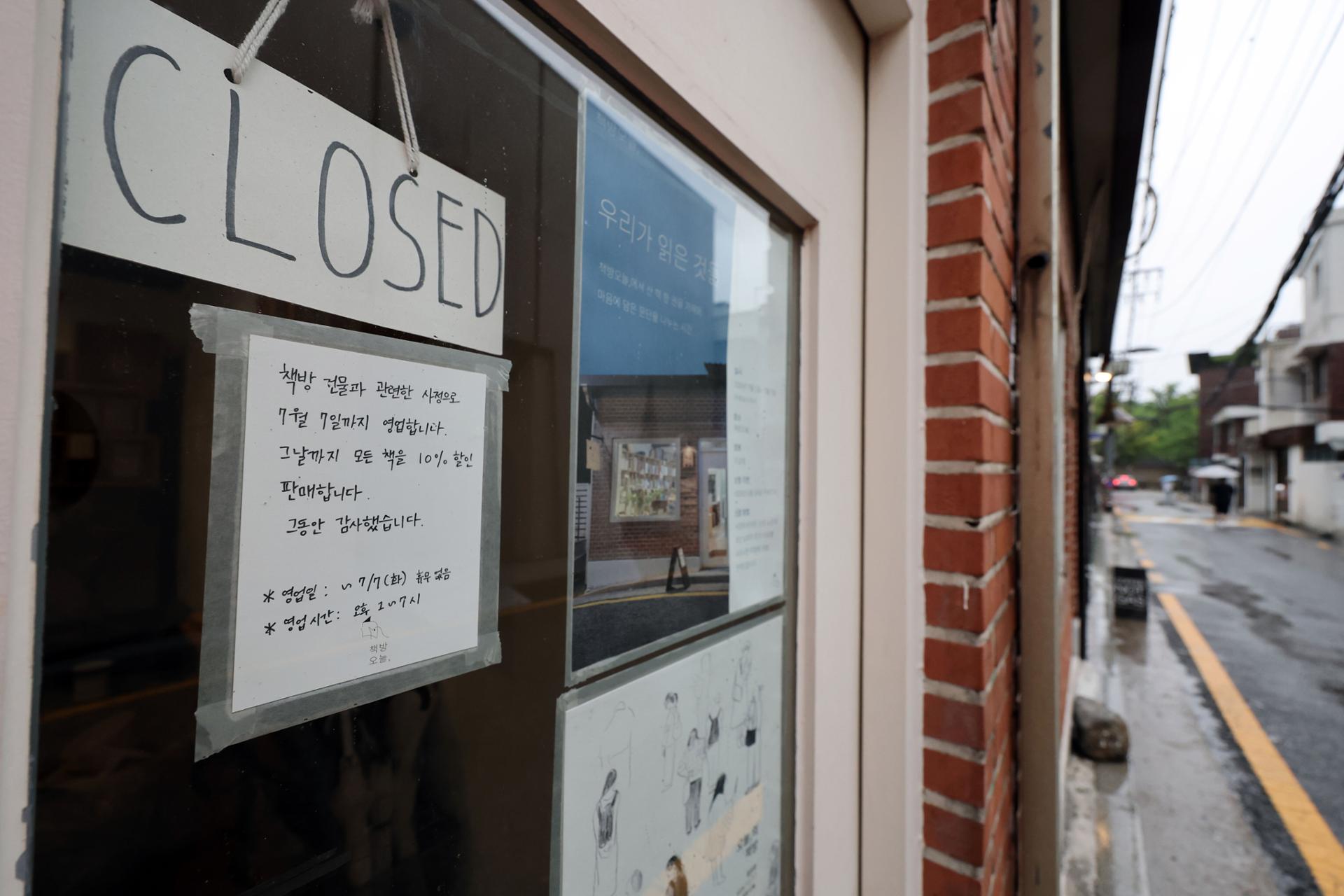
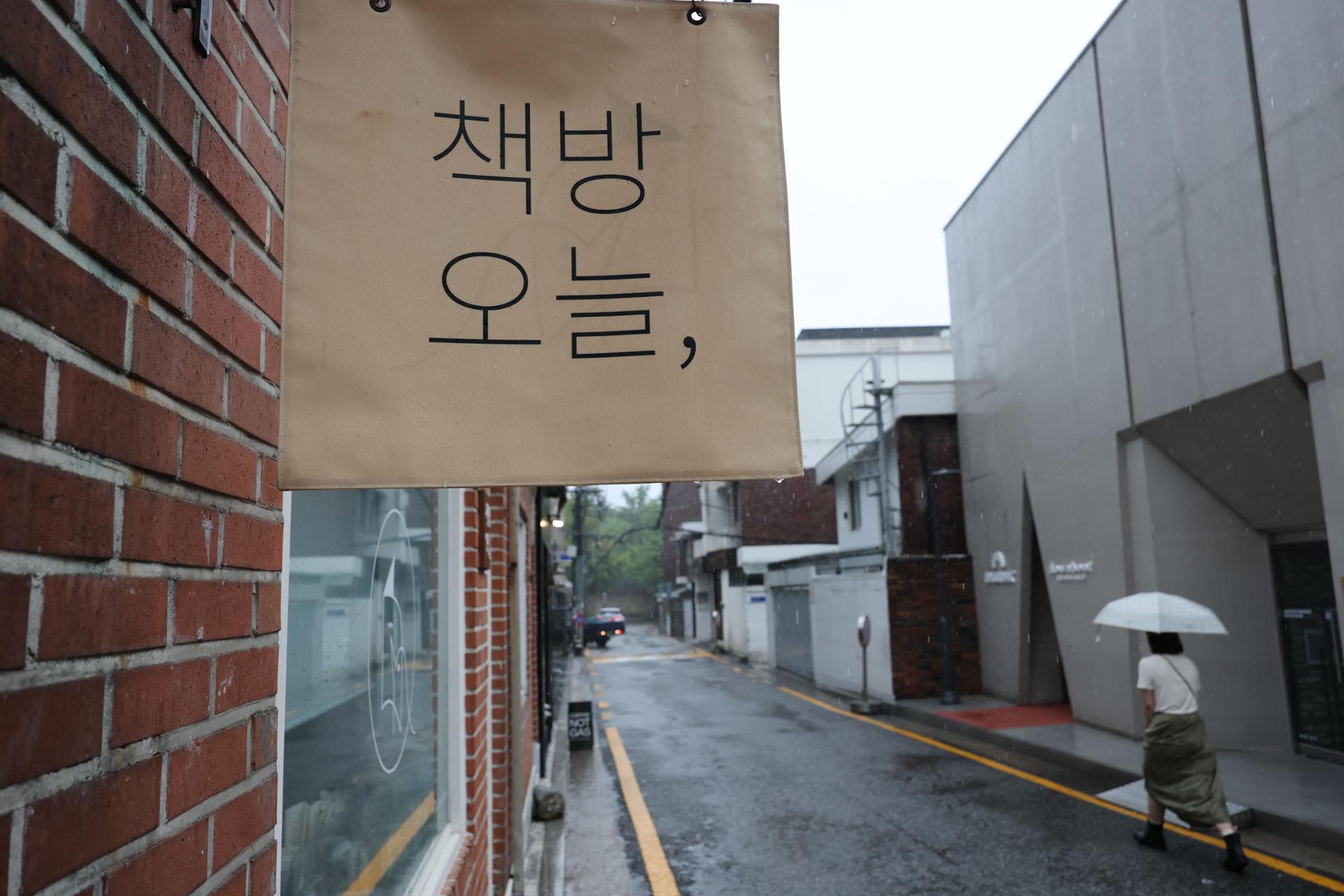
Onul Books, an independent bookstore in Seoul established by Korean author Han Kang, wound down operations on Tuesday, eight years after it opened its doors in 2018.In a recent message on its Instagram account, the bookstore announced, “Onul Books’ last day of business at this location will be July 7, 2026, which marks exactly three years since it left [the Seoul neighborhood] Yangjae and began welcoming customers on a side street in Seochon’s Tongui neighborhood.”“This has been a deeply meaningful experience as we rented, repaired, and lit a space of just over 10 pyeong [33 square meters], brought in books to greet our customers, introduced an ‘author’s picks bookshelf’ every season, and met wonderful people through readings and workshops,” it added.While it left open the possibility of reopening, the bookstore stated that “no decision has yet been made on when or where we might open again.”
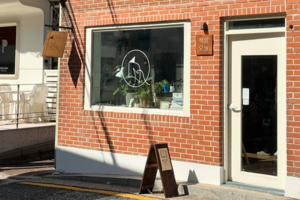
The independent bookstore Onul Books. (courtesy Maum Sanchaek)
Two months after preparations began in July 2018, Onul Books originally opened its doors in the Yangjae neighborhood of Seoul’s Seocho District in September of that year. It later relocated to the Jongno area in July 2023.Han’s affection for the independent bookstore was well known, and she personally curated books and organized various events there.In a 2016 interview with UK media, she said that if she could not write, she would want to operate a small independent bookstore on the outskirts of Seoul.But when Han was named in October 2024 as winner of the Nobel Prize in literature, the shoebox-sized bookstore was flooded with visitors, prompting a notification the following November that she would “no longer be involved in Onul Books’ management.” She reportedly took on a position as a director instead.The bookstore’s reputation remained strong. Commenting on the reasons for the closure, Onul Books would only say that it stemmed from a “situation connected with the bookstore’s building.”Publishing industry insiders reported that the building occupied by the bookstore had been sold. They also indicated that real estate prices in the area had skyrocketed due to factors including the explosive rise in public interest after Han received the Nobel Prize.The situation suggests that even Korea’s first-ever winner of the Nobel Prize in literature could not escape the phenomenon of Korean-style gentrification.