Getty Images; Alyssa Powell/BI
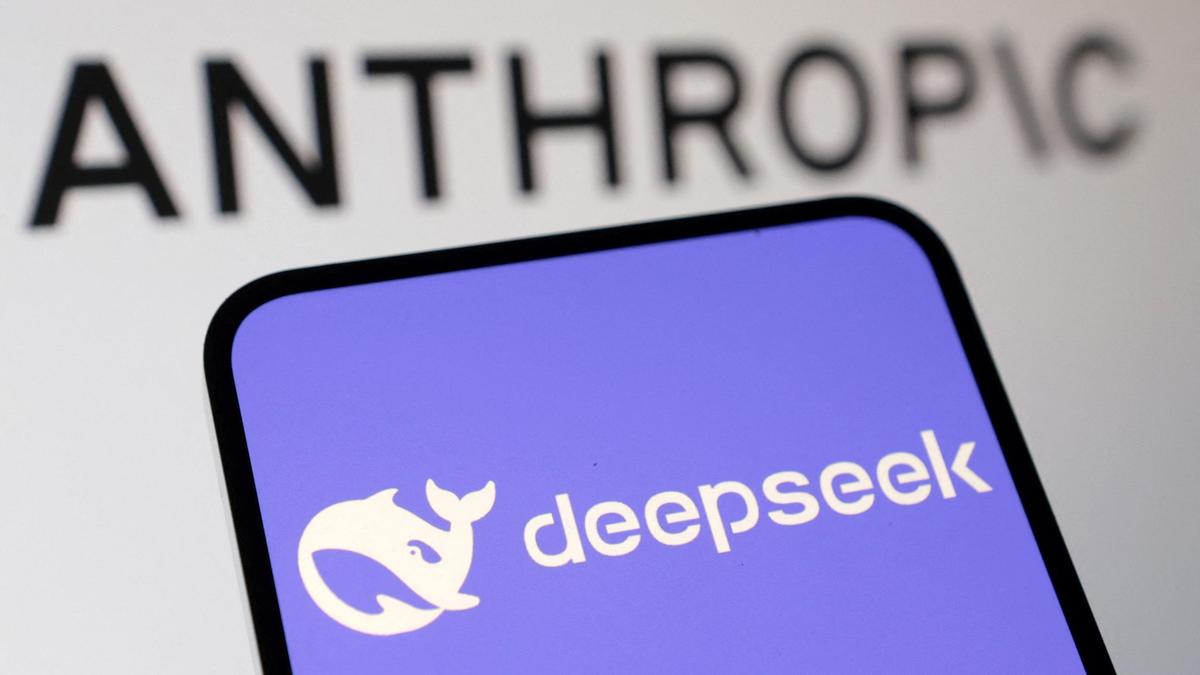
In the tech world, AI distillation began as a benign research idea. It's now morphed into a shadow economy that threatens the business model underpinning trillions of dollars in AI investment.The technique involves training one AI model using the outputs of another. What's allowed and what's not is either unclear or hotly debated, with many AI companies using model outputs from rivals in different parts of their development process.US AI giants spend billions on data, talent, and computing power to build leading models, hoping to charge premium prices. If those models can be replicated quickly and cheaply through distillation, returns on those investments could erode."Generally, AI companies distill other AI companies," Elon Musk said during a legal battle with OpenAI this year.Variations of this broad approach could cause the industry to compete away much of its profitability. Distillation helps rivals quickly develop models that are almost as good as, and much cheaper than, frontier systems from Anthropic, OpenAI, and Google."They hired the best talents, burned billions and built the newest model, only to have Chinese free models wiping out all your margins," Xiaoyin Qu, a former senior product manager at Meta, wrote on X recently."That must feel shitty as hell," Qu continued.