The baseline model (Claude Opus, no guidance) already catches ~65% of textbook bugs. The plugin's value comes from false positive suppression and risk classification, because the baseline already catches most bugs on its own.
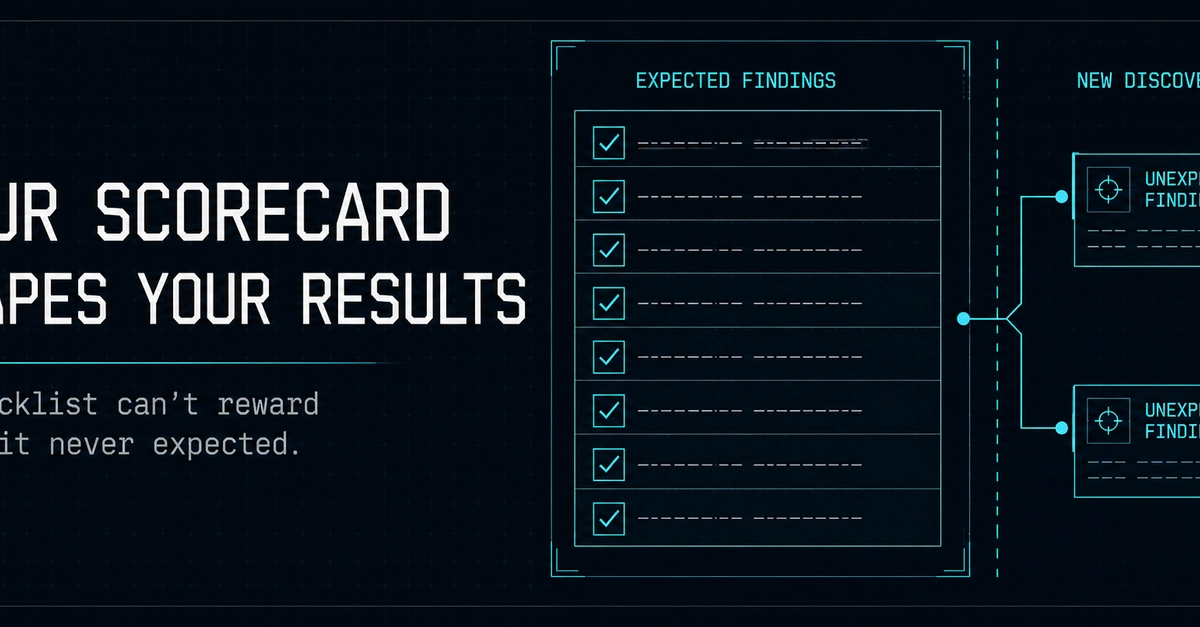
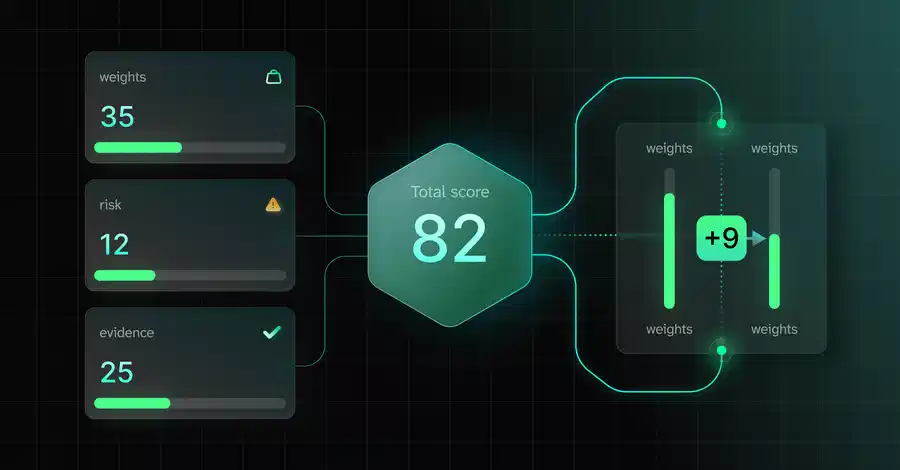
The plugin had been classifying risk correctly all along. I just wasn't measuring it. One eval weight change, zero code changes, and the gap widened 9 percentage points.
I spent four versions rewriting the reviewer's prompt to fix a false positive. The actual fix was one line in a completely different skill, upstream.
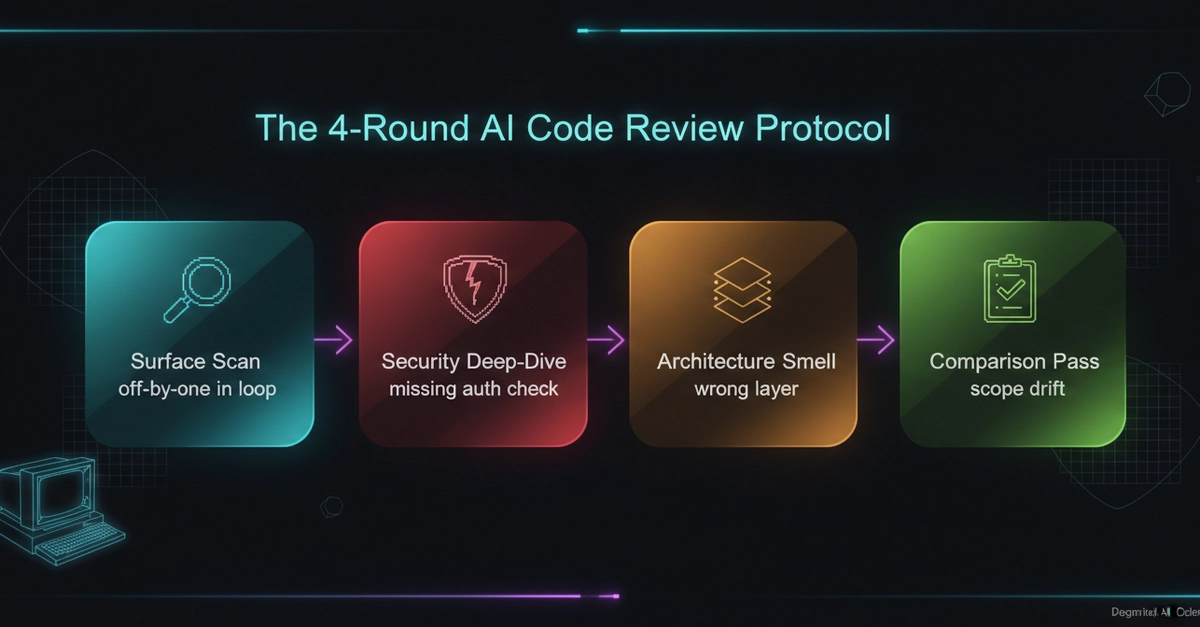
In Part 1, I described the PR review plugin: evidence-first architecture, six skills, risk lanes. It hit 97.7% accuracy across 43 eval scenarios. This post is about how it got there, because the eval journey taught me more than the final number.
How I evaluated the AI PR reviewer