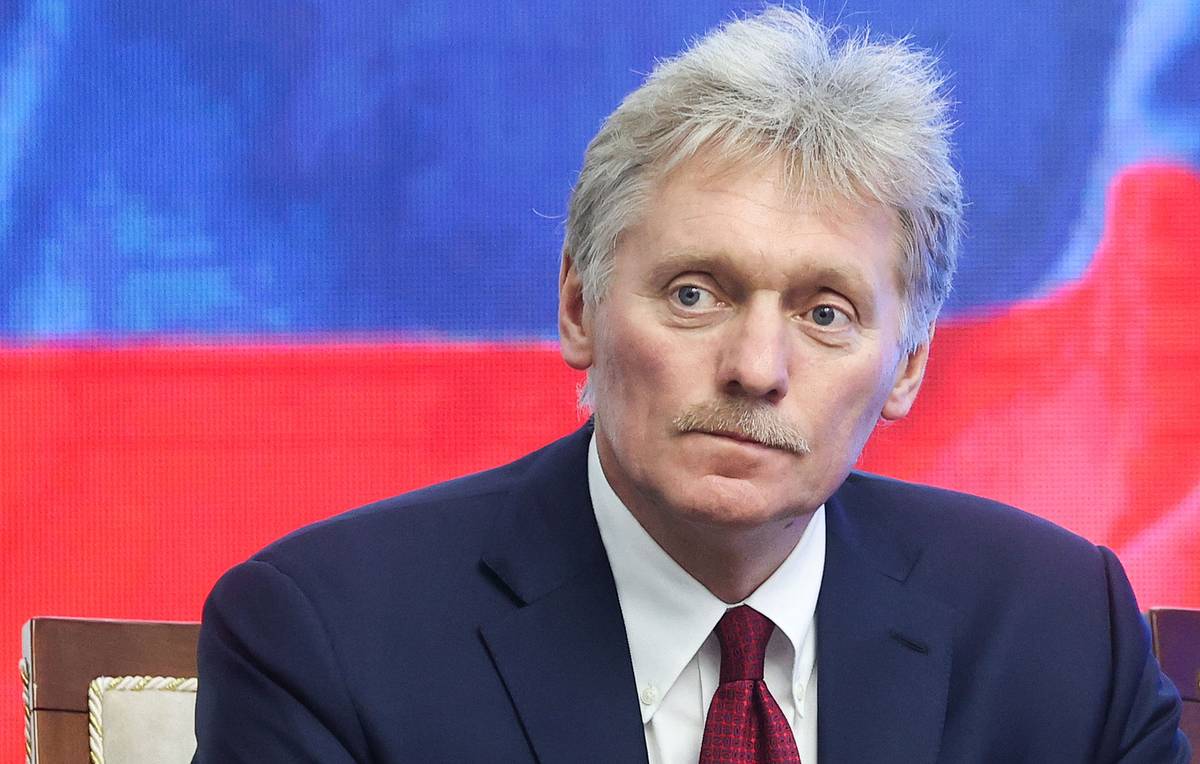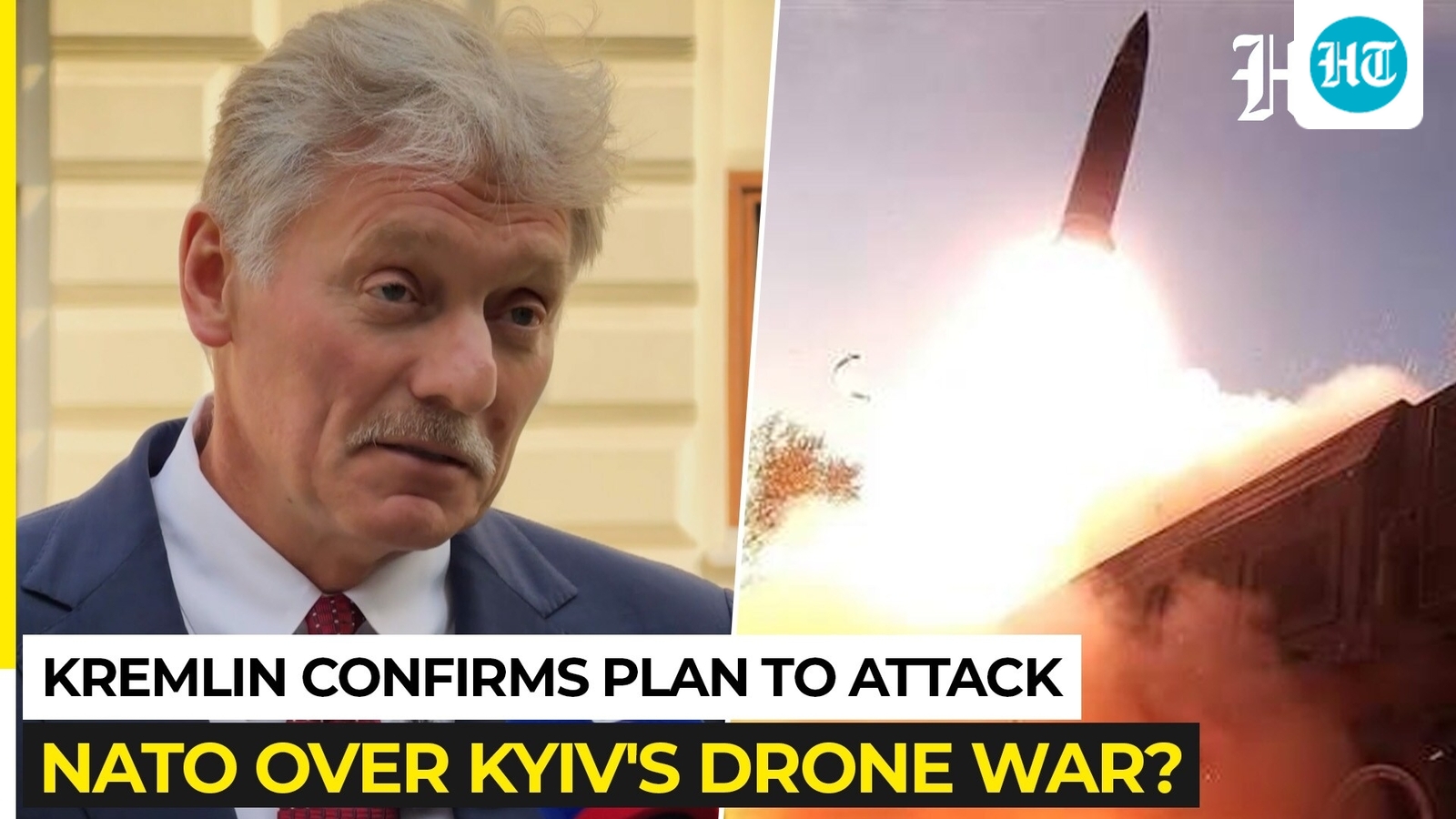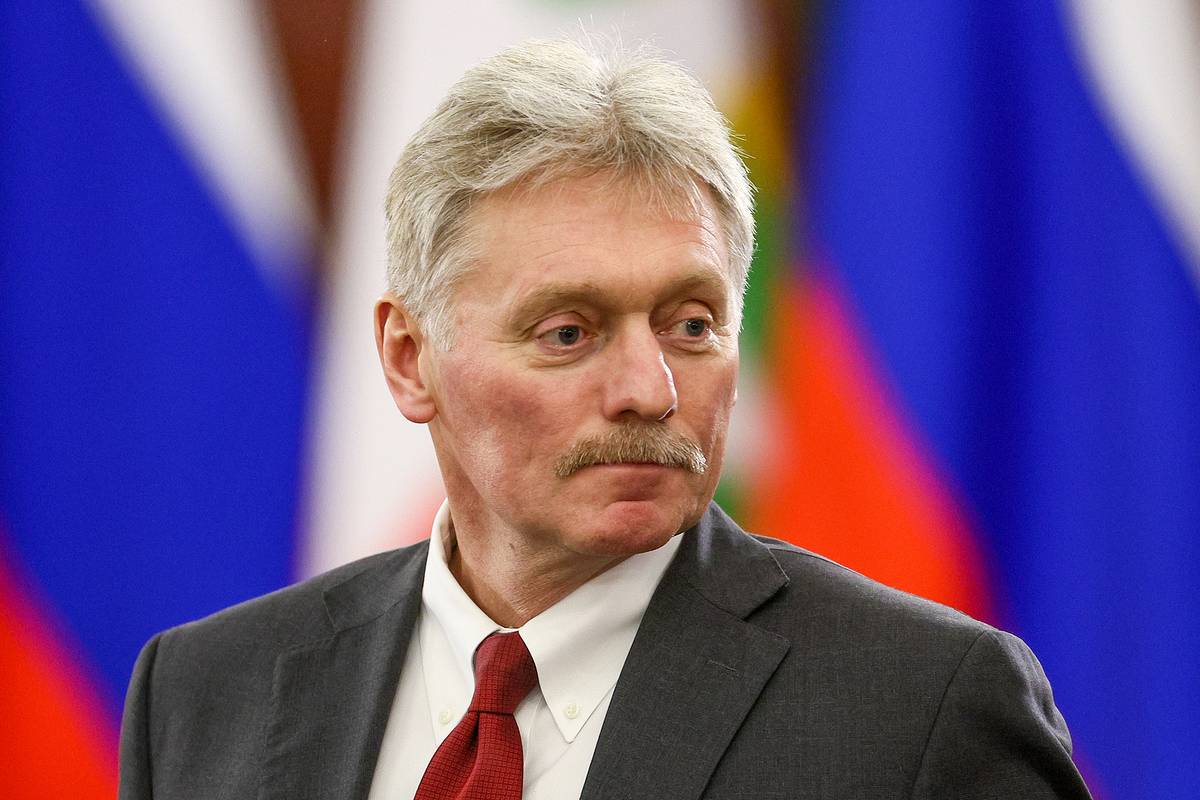
Over the weekend, Russian presidential spokesperson Dmitry Peskov broke a long-standing taboo, calling Vladimir Putin’s so-called “special military operation” against Ukraine what is really is: a war.
In fact, this was no slip of the tongue, but was part of an information operation aiming to intimidate Europe into backing away from its support of Kyiv.
For years, calling the invasion a war in Russia could mean going to prison. In March 2022, the Criminal Code was revised with the addition of Articles 207.3 and 280.3 criminalising the “dissemination of knowingly false information” or “discrediting” the military – which often meant telling the truth about what was happening.
Shorts
The goal was to intimidate rather than prosecute, and to scare people into toeing the party line. There have been high-profile prosecutions, from Moscow municipal deputy Alexei Gorinov, sentenced to seven years in prison for publicly saying that Ukrainian children were dying in the bombings, to dissident politician Ilya Yashin, given eight and a half years for discussing the killing of civilians in Bucha.