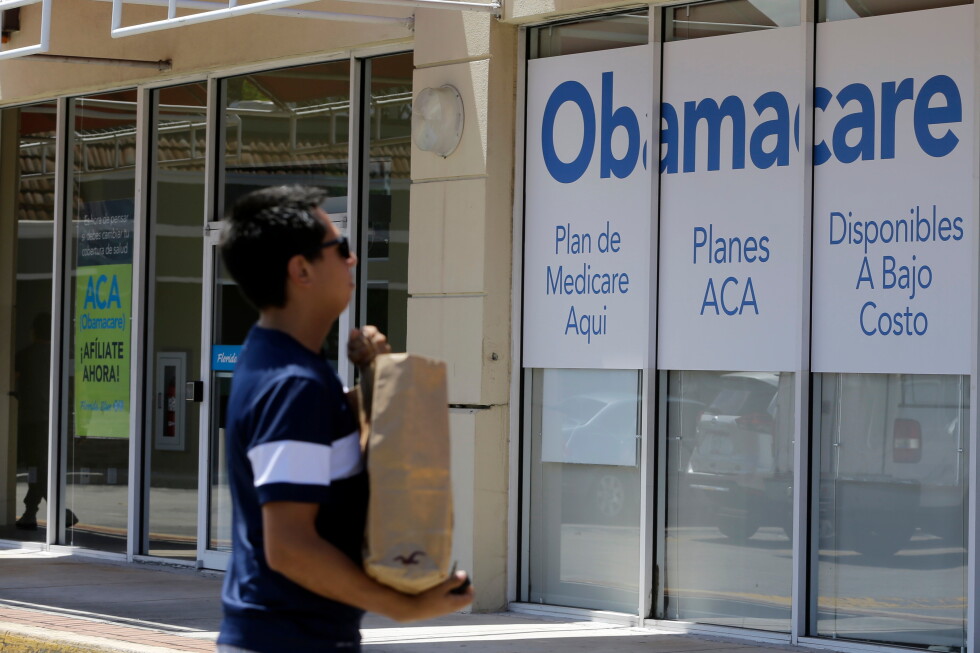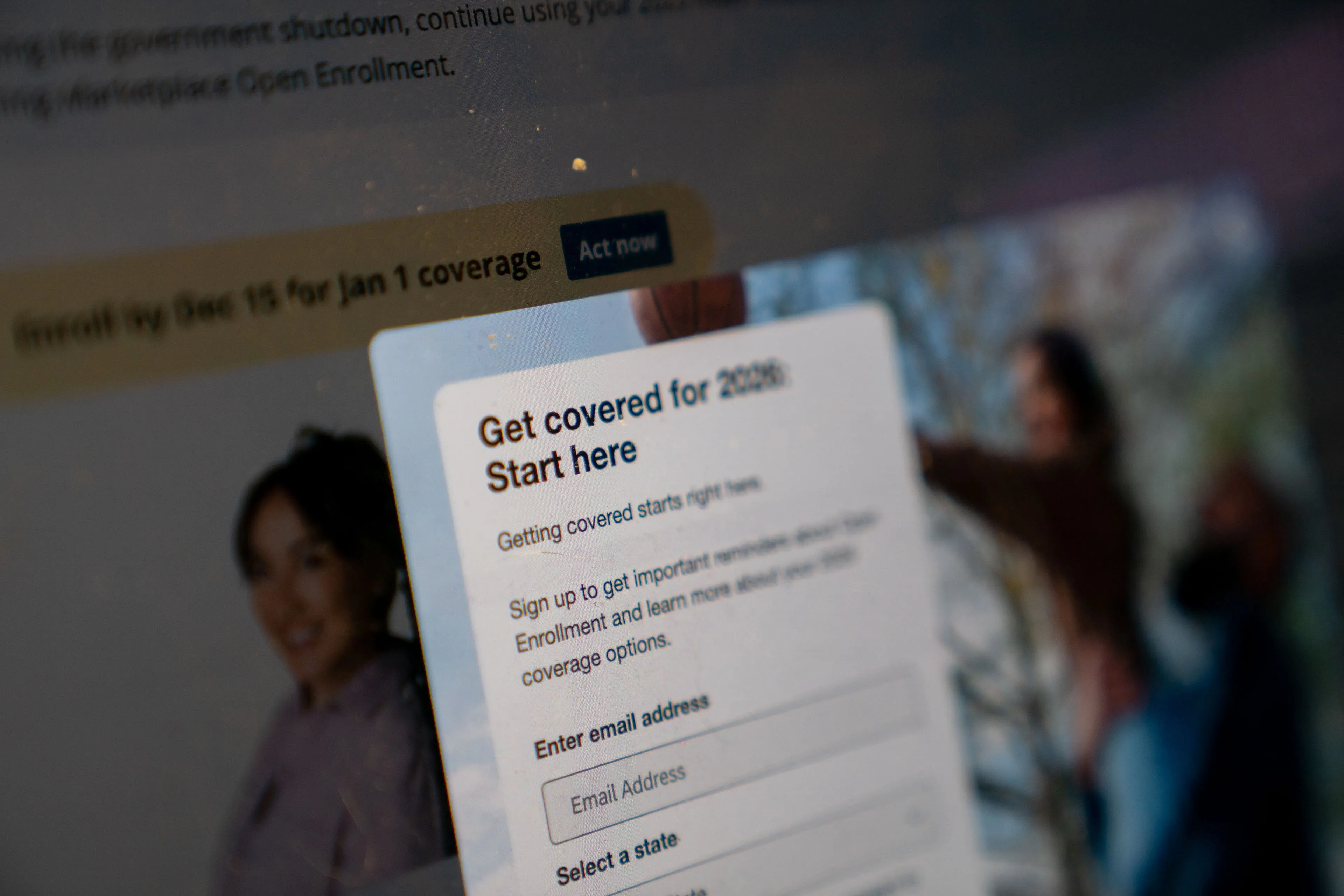
Health insurance premiums for those who are enrolled in Obamacare subsidized plans are expected to face another year of steep premium increases in 2027, according to a new analysis from the health policy group KFF. The new premium rates come from projected data submitted to 16 states and the District of Columbia from health insurance companies operating on the Obamacare marketplace, which allow people to purchase heavily subsidized private insurance plans through the federal Healthcare.gov platform or various state-run exchanges. The median premium for an Obamacare insurance plan is projected to increase by roughly 14% in 2027, according to KFF’s review of rate filings from nearly 80 insurance companies operating on the federal and state Obamacare exchanges. The median rate for Obamacare plan premiums last year rose by 20%, making 2027 the second year in a row of double-digit increases.
The rising costs of healthcare, including health insurance, is a top issue for voters heading into the 2026 midterm election cycle.Insurance premiums for the roughly 20 million Americans enrolled in Obamacare plans are also of particular concern for politicians after Congress failed last year to reauthorize COVID-era enhanced premium subsidies, which lowered Obamacare prices for those who earned more than four times the federal poverty level.The policy fight over extending the enhanced subsidies led Democrats to trigger the longest total government shutdown in U.S. history from October through November 2025. As of January, only those who earn less than four times the federal poverty level, or about $62,000 for an individual, received subsidies for Obamacare plans.According to KFF’s analysis of 77 insurance companies’ estimated rate filings for next year, 47 companies expect premium increases between 10% and 20% in 2027. Another 20 companies are expecting increases of more than 20%. These figures are early projections, and final numbers will not come until later this summer. But if these early indications hold steady, typical premiums for insurers participating in the Obamacare marketplace will have jumped by more than one-third over the past two years. Individual purchasers of Obamacare insurance plans likely will not feel the full brunt of these price increases since premiums for plans purchased on the exchanges are subsidized based on income. The sticker price for those earning less than four times the federal poverty level will still increase, but by comparatively less than those who earn more.Take, for example, a 40-year-old in Indianapolis who earns $65,000 per year and who opted for a medium-grade health insurance plan. In 2025, his subsidized premium was $316 per month. Without the subsidy, it would have been $388 per month. After the enhanced subsidies expired and costs for healthcare climbed, his premium for 2026 rose to $477 monthly, and in 2027, it will reach $546 per month.The Department of Health and Human Services announced last month that roughly 3 million people who signed up for an Obamacare plan have dropped off the program so far this year. The Trump administration attributes this to its crackdown on fraudulent enrollment in the program, but critics say it is because enrollees could not afford the steep premium increases after losing the subsidies.Although KFF’s analysis only reflected the premium increases for private insurance plans on the Obamacare exchanges, employer-sponsored health insurance premiums are also expected to increase.The rising costs of hospitalization, physician visits, and prescriptions were cited by insurance companies as the leading contributing factors for premium increases. These affect both the Obamacare exchanges and the private insurance market.TRUMP’S NEW DEPUTY HHS SECRETARY HAS TIES TO THE FERTILITY INDUSTRYHealthcare workforce shortages were also cited by insurance companies as a driving reason for premium price increases next year. Health systems facing higher staffing costs raise their costs for services, which in turn are reflected in insurance premiums. Republicans in Congress, in the lead-up to the midterm elections, have held several hearings, including with major insurance companies and hospital systems, on how to lower the costs of healthcare by addressing these systemic challenges.