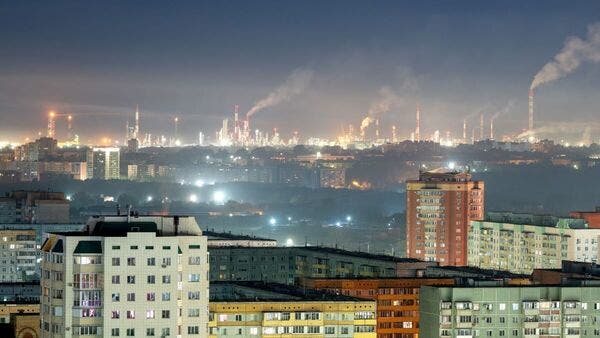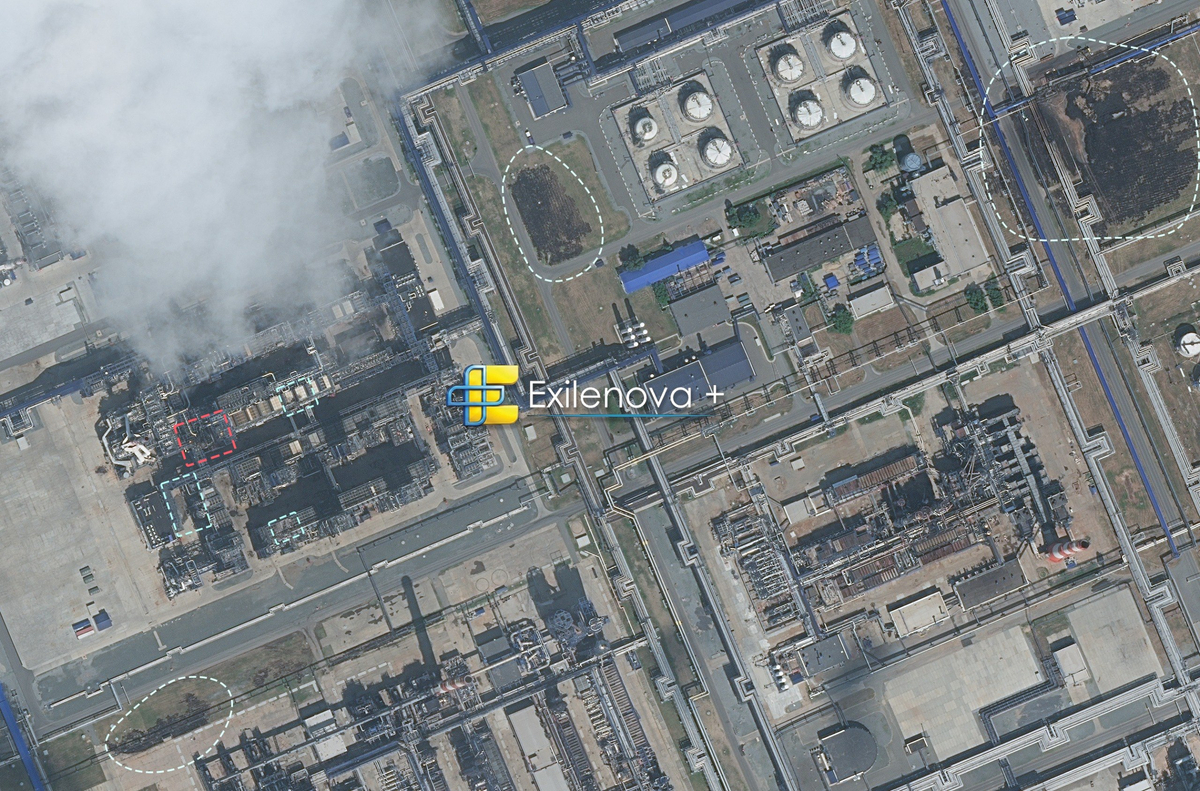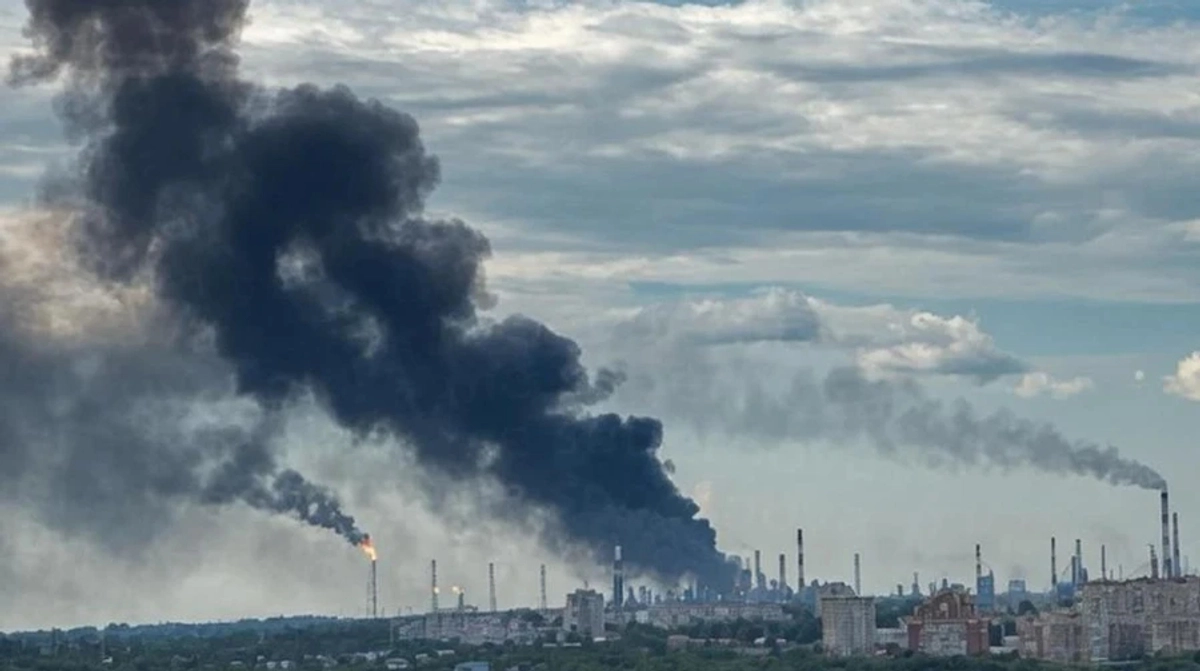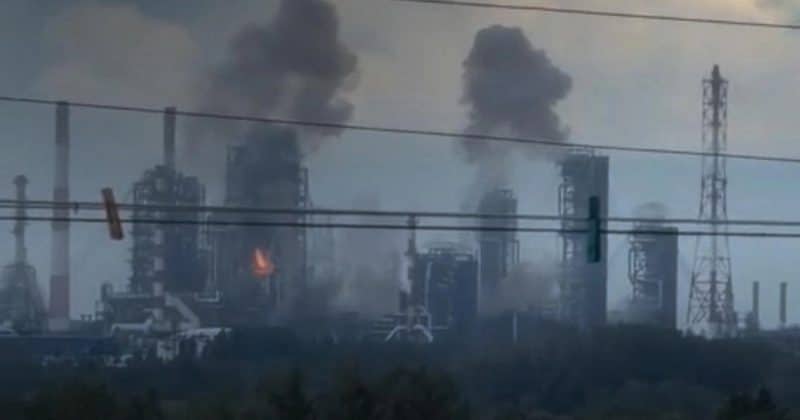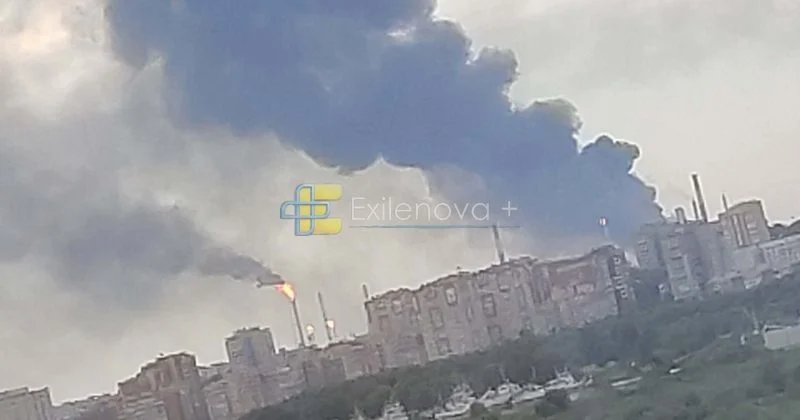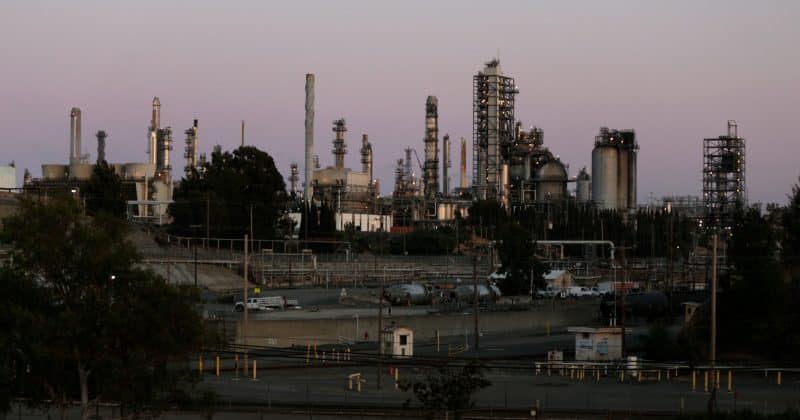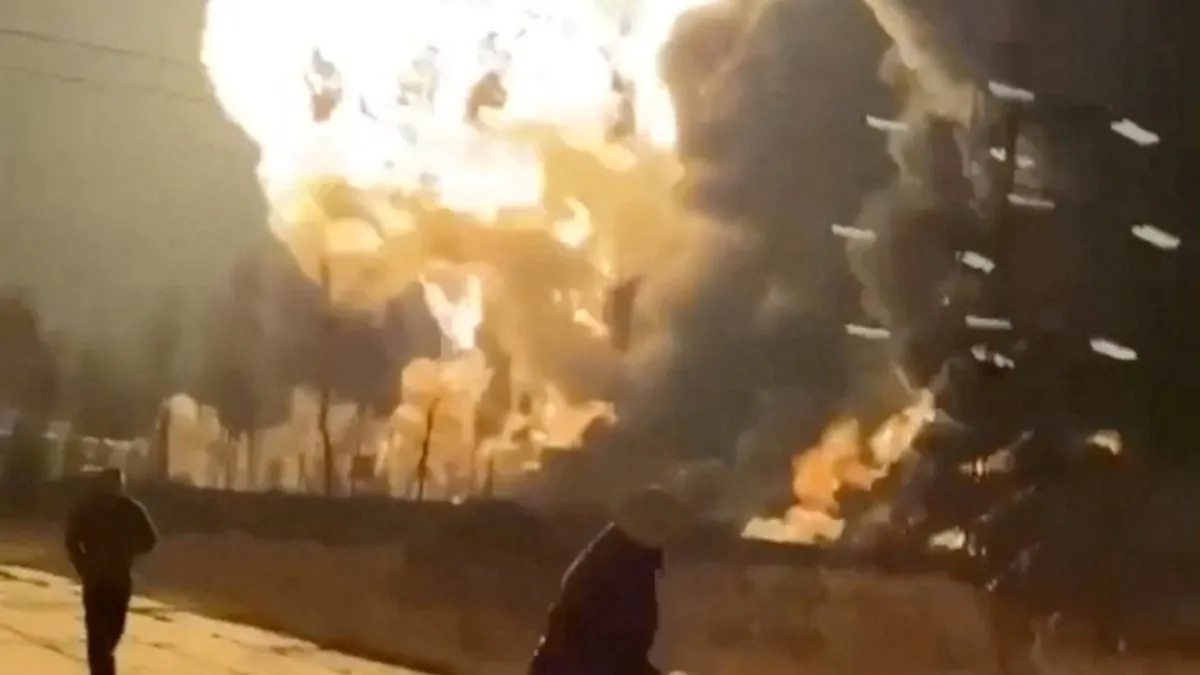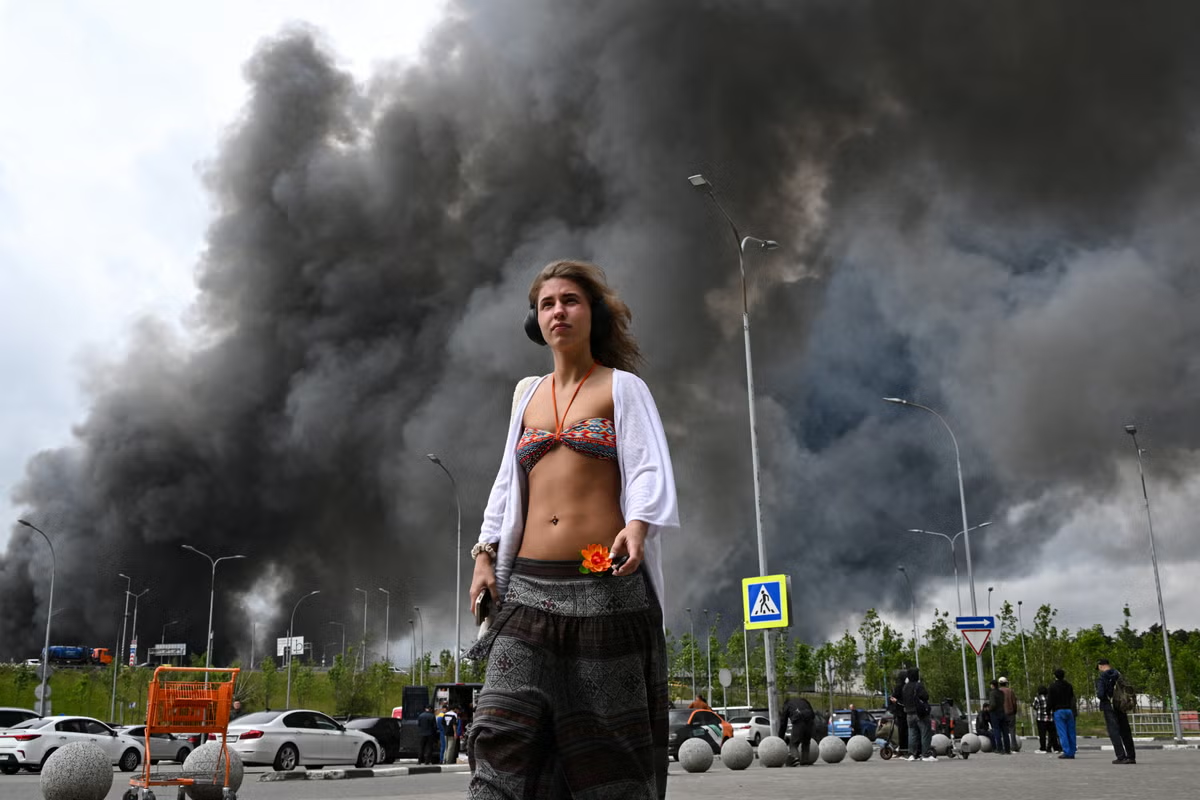
Ukrainian drones have reportedly targeted Russia's largest oil refinery in Omsk, deep within Siberia, in what Kyiv's military and Russian local authorities confirm was one of the longest-range attacks of the ongoing conflict. The strike this week underscores Ukraine's expanding reach. These persistent drone assaults are now intensifying fuel shortages across Russia, leading to widespread reports of escalating prices and lengthy queues at petrol stations throughout numerous regions.Following is a summary of the attacks starting with the most recent and their impact: OmskUkrainian drones struck the Omsk refinery on Monday, causing a fire, though there were no casualties. Russian air defences destroyed most of the drones involved in the attack, Governor Vitaly Khotsenko said. It was not immediately clear how much damage the refinery had sustained. The design capacity of the Omsk oil refinery is approximately 22 million metric tons of oil per year.People walk in a park as black smoke rises from the area of the Russian oil producer Gazprom Neft's Moscow oil refinery on the south-eastern outskirts of Moscow. (AFP/Getty)NorsiUkrainian drones hit NORSI, Russia's fourth-largest oil refinery, owned by Lukoil, for a second time on July 2 and crude oil processing was suspended, according to sources. They said the attack had damaged a primary refining unit, CDU-6, which is usually able to process 25,700 metric tons per day, equivalent to some 190,000 barrels, and accounts for 53% of the refinery's overall capacity. NORSI, which is Russia's second-largest producer of gasoline, can process 16 million metric tons of oil per year, or around 320,000 barrels per day. SLAVYANSK Ukrainian drones struck Russian targets including Slavyansk oil refinery in the southern Krasnodar region on June 28, local authorities said. Slavyansk refinery is a private plant with capacity of about 100,000 barrels per day. It supplies fuel for domestic use and export.YaroslavlUkrainian forces attacked a Russian oil refinery in Yaroslavl, some 250 km (160 miles) northeast of Moscow, on July 6, Ukraine's military General Staff said on Telegram. The refinery has processing capacity of 15 million metric tons per year, or around 300,000 barrels per day. UFA Ukraine's forces struck for a second time on July 1 an oil refinery in the city of Ufa, near the southern Ural mountains, some 1,150 km (715 miles) east of Moscow. This refinery can process more than 7 million tons of oil per year.Smoke rises from an oil refinery following a Ukrainian drone attack. (Social media)OrenburgUkraine's military said on June 24 it had struck Orenburg gas processing plant, which has a capacity of 45 billion cubic meters of natural gas per year.MoscowMoscow oil refinery halted operations after a Ukrainian drone attack on June 16, two industry sources said. On June 18, another attack damaged processing units and sparked multiple fires across the site. The facility in the capital's southeastern Kapotnya district has an annual capacity of around 11 million tons of oil.TanecoRussian Tatneft's TANECO oil refinery halted operations after a drone attack on June 12. TANECO is one of Russia's most technologically advanced refineries, equipped with hydrocracking, catalytic cracking and delayed coking units.Black smoke rises from the area of the Russian oil producer Gazprom Neft's Moscow oil refinery. (AFP/Getty)According to industry data, TANECO processed 17.0 million tons of crude oil in 2024, producing 2.7 million tons of motor gasoline, 8.5 million tons `of diesel fuel and 1.3 million tons of petroleum coke.KuibyshevRosneft's Kuibyshev oil refinery halted processing on June 10 after a drone attack. The Kuibyshev refinery processed 4.7 million tons of crude in 2024, or 94,400 barrels a day, producing 0.8 million tons of gasoline, 1.4 million tons of diesel and 1.3 million tons of fuel oil, according to industry sources.SyzranUkrainian drones struck Russia's Rosneft-owned Syzran oil refinery in the Samara region, the Ukrainian military and President Volodymyr Zelenskiy said on May 21. The refinery halted operations after the attack damaged a primary processing unit, two industry sources said. It had previously suspended oil refining after drone attacks on April 18. The refinery has processing capacity of 8.5 million tons per year, or around 170,000 barrels per day.In 2024, it processed 4.3 million tons of crude into 800,000 tons of gasoline, 1.5 million tons of diesel and 700,000 tons of fuel oil, according to industry sources.People queue to refuel their cars at a Rosneft gas station in Moscow. (AFP/Getty)TuapseUkraine struck a Russian oil refinery in the Black Sea port of Tuapse on May 27, the Ukrainian military's General Staff said. A drone attack caused a major fire at the oil refinery on April 28, officials said, causing the facility, which sells most of its products for export, to halt operations, according to two industry sources. It has a capacity of around 12 million tons per year, or 240,000 barrels per day, and produces naphtha, diesel, fuel oil and vacuum gasoil.Ports and tankersUkrainian drone attacks on July 6 damaged the Baltic Sea ports of Vysotsk and Ust-Luga, a major oil exporting outlet, and caused a power blackout in the Crimean city of Sevastopol, home to Russia's Black Sea Fleet, authorities said. A loading complex caught fire in Russia's Black Sea port of Novorossiysk after a drone attack, local authorities said on June 8. A fire broke out at the southern Russian port of Temryuk after a Ukrainian drone attack, regional authorities in the Krasnodar region said on May 29. Also on May 29, fuel storage facilities caught fire following a Ukraine drone attack in Russia's Yaroslavl region, Governor Mikhail Yevrayev said. Ukraine attacked Russia's ports on the Baltic and Black seas, including the Primorsk port, oil tankers and military ships on May 3.
The devastating Ukrainian drone attacks that triggered Russia’s fuel shortage crisis
Ukraine’s persistent drone attacks have crippled Russian oil refineries across the country
929 words~4 min read