The days of Nvidia’s unparalleled market dominance aren’t over, but challengers and choices are arising from all directions.
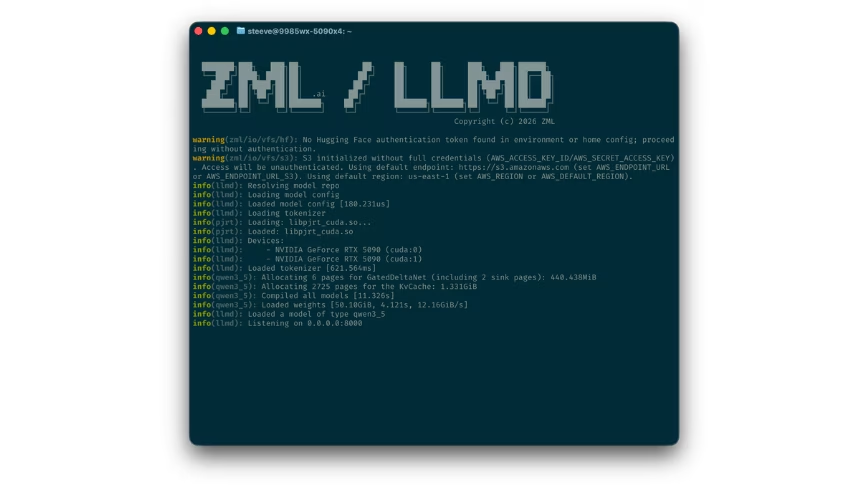
ZML, a hot French AI startup endorsed by Turing Award winner Yann LeCun, has released inference-performance software that allows a variety of open-source large language models to run on a variety of chips — including Nvidia’s, AMD’s, Google’s TPU, Apple Metal and Intel Arc.
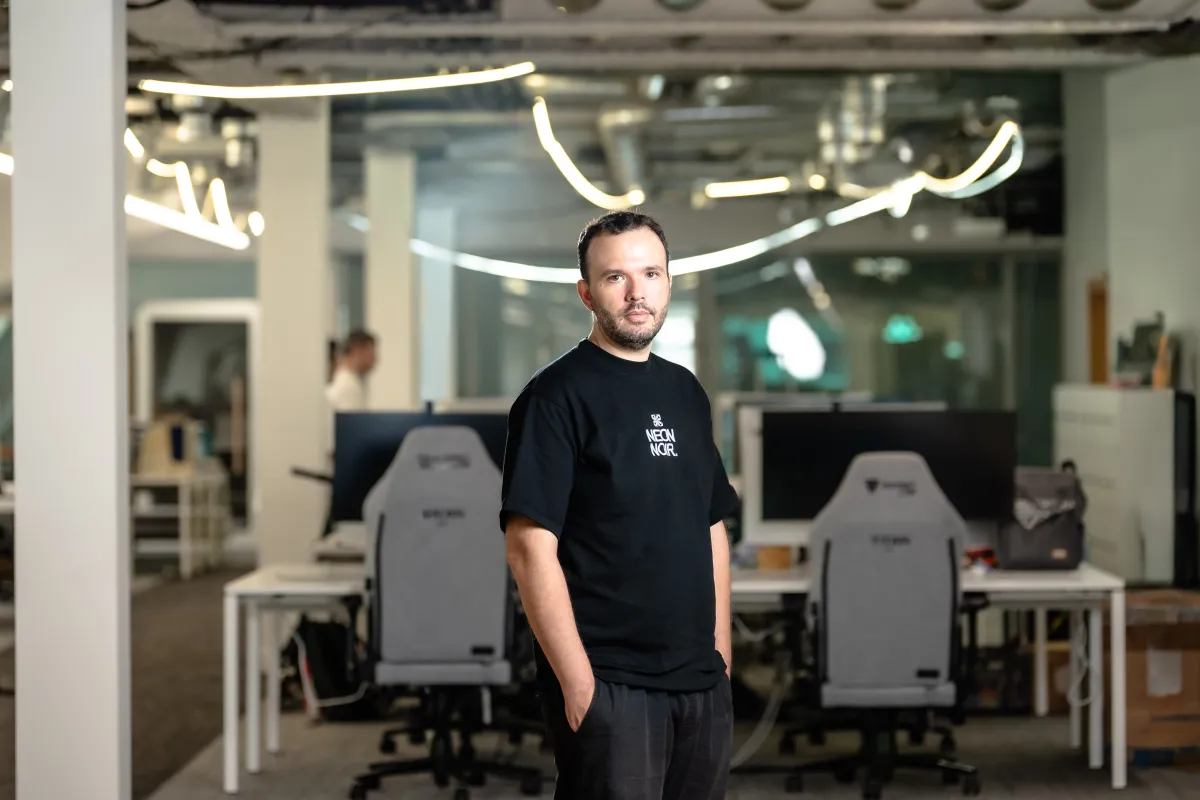
With ZML/LLMD, the newly launched LLM inference server, the company’s ambition is to break existing silos and make different chips available for AI use cases at their maximum available speed, and sometimes faster, ZML founder Steeve Morin told TechCrunch.
As AI becomes integrated into our work and everyday lives, optimizing inference — aka, the processing of prompts — has been outpacing model training in importance, but often feels patchy behind the scenes, with software and architecture barriers that lead to vendor lock-in, Morin said.
The promise of achieving peak performance across a variety of chips is a technological feat, but it could also be a market disruptor, amid mounting fears over AI-related costs.