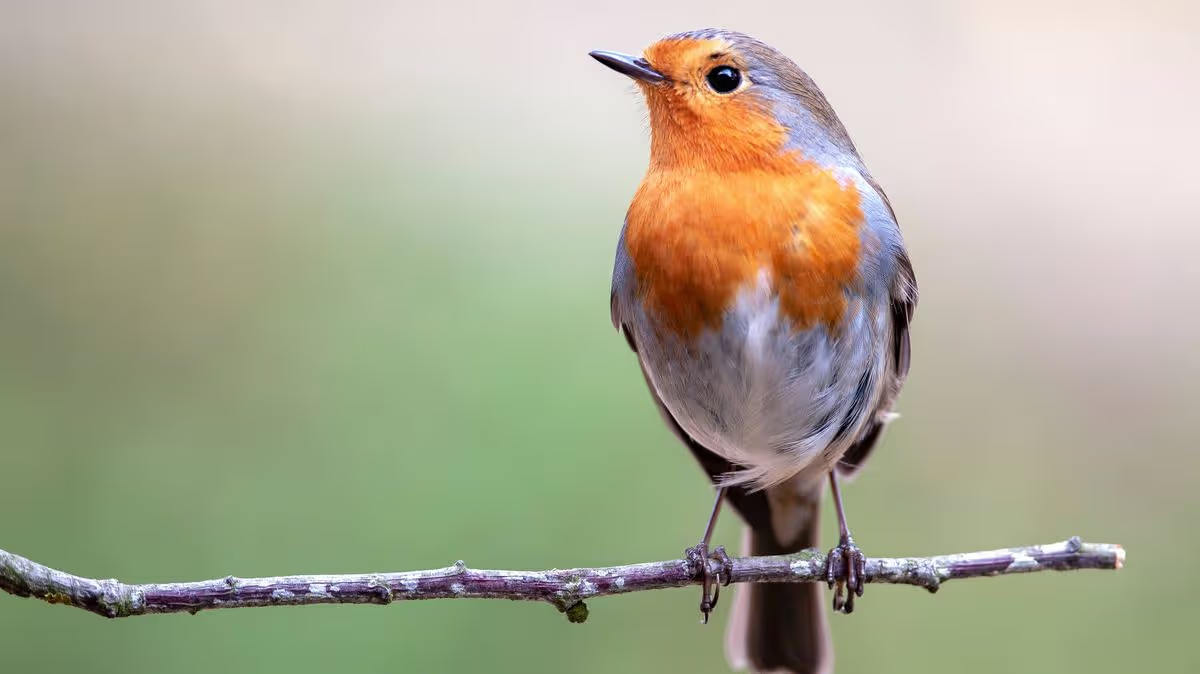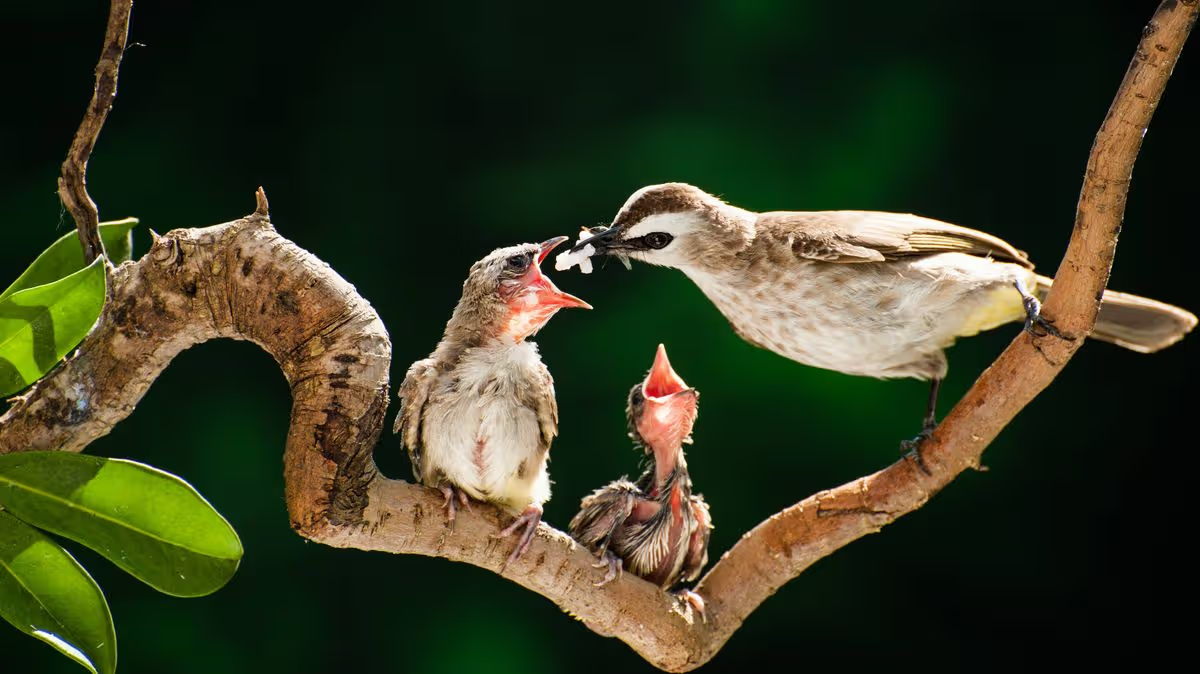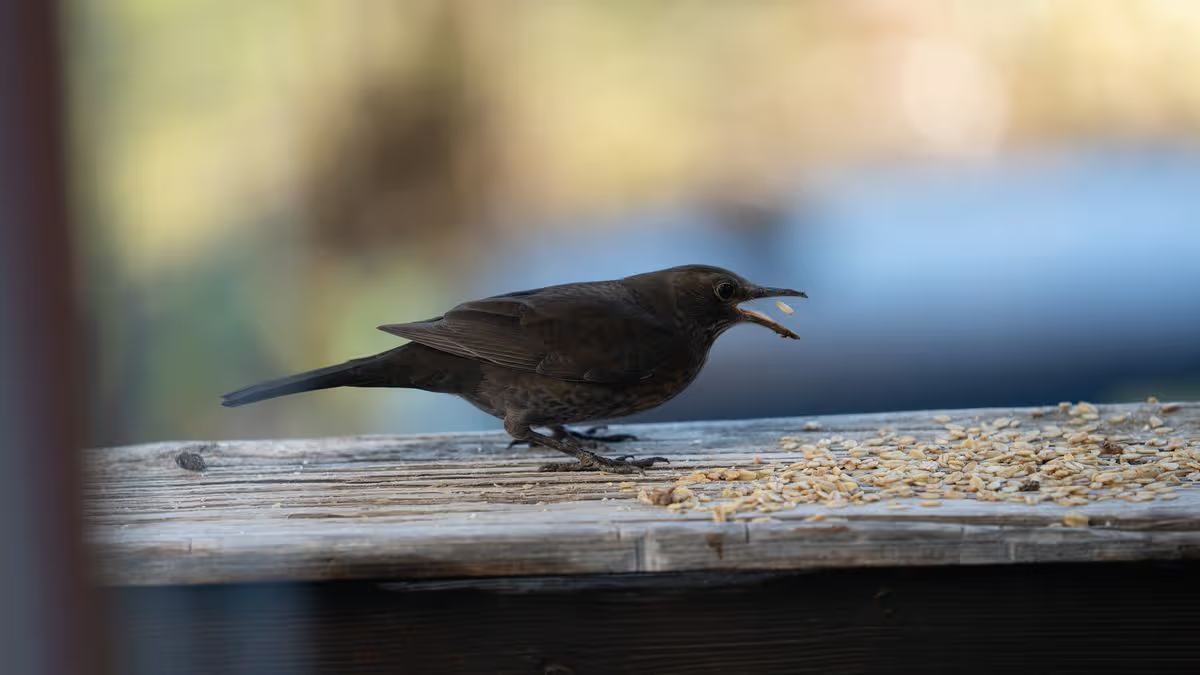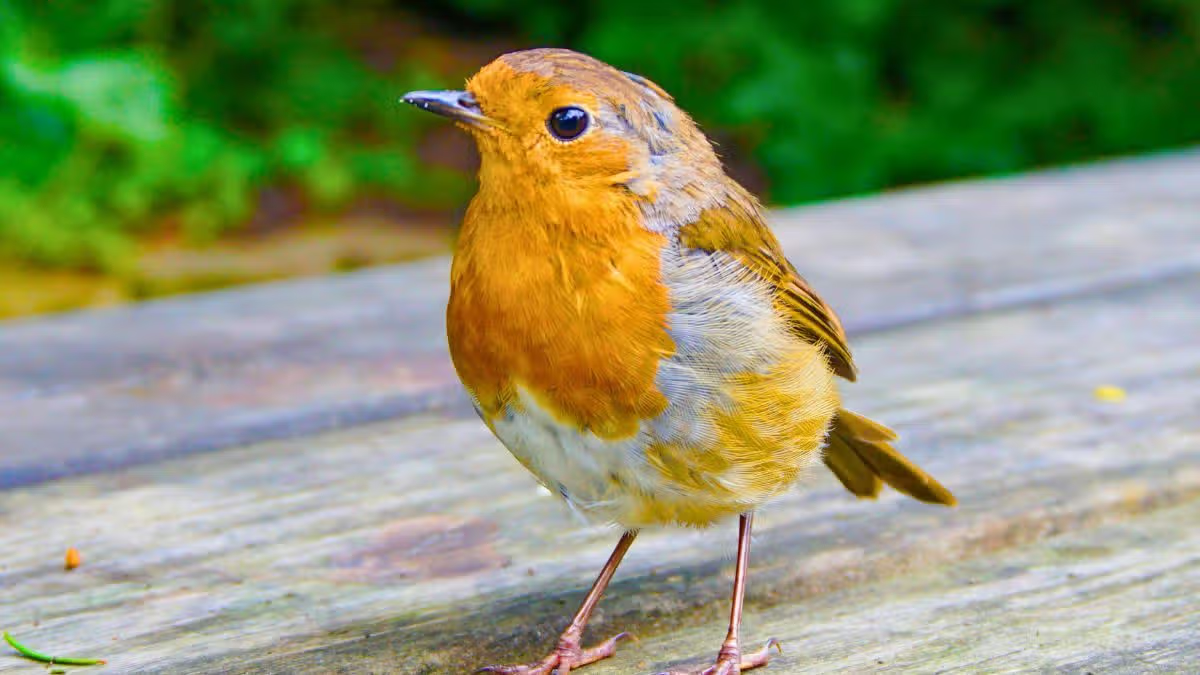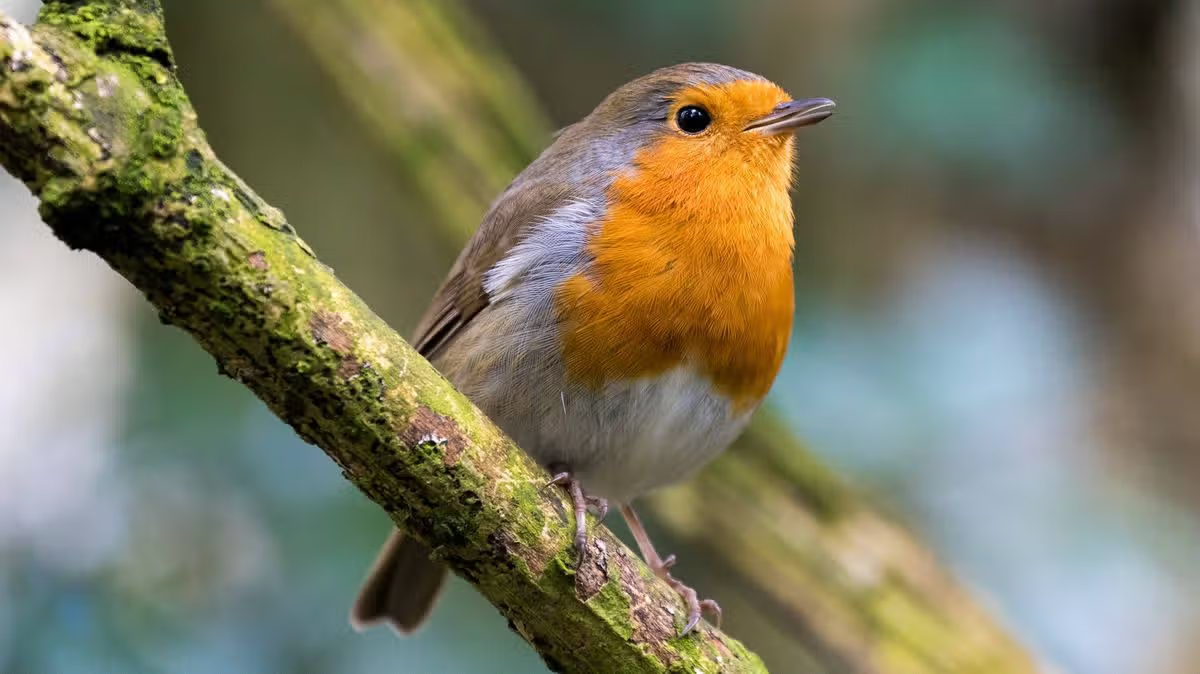
As the UK heatwave continues, it's not just humans struggling with soaring temperatures - our feathered friends need help too08:10, 08 Jul 2026As temperatures continue to soar across Britain and the heatwave tightens its scorching grip, it's not just humans who are battling the oppressive conditions.Our feathered friends are also bearing the brunt of rising temperatures, and those lucky enough to have gardens and outdoor spaces are being urged to provide one crucial item for visiting birds.According to the RHS, Britain's birds "are in trouble, and they need our help". Figures from a 2023 State of Nature report show that 43% of all bird species in the UK face the risk of vanishing over the coming decades - and if that's not enough to prompt us into action, it's difficult to know what would be.While the summer months give bird watchers fantastic chances to observe wildlife in their gardens - especially species such as robins and blackbirds - these are also the months when temperatures across the UK typically reach their highest and heatwaves arrive in quick succession.Though many of us might assume that birds require our help most during the winter months, experts have revealed that human support is just as vital, if not more so, during summer, reports the Express.The warmer season is when most of Britain's bird species tend to raise their chicks, and elevated temperatures mean they need our help more than ever to sustain their energy levels.Thankfully, there's a great deal we can do to support our avian companions during the hotter months - and the first step is remarkably straightforward.To help garden birds thrive and cope with scorching temperatures, bird experts at Peckish, a retailer of bird food and accessories, have revealed the one 'urgent and crucial' step we must take immediately to create safe and sheltered havens for our feathered visitors.Essential step will support birds throughout summerThe bird experts explain: "Water is the most valuable commodity for birds in summer. Be sure to leave shallow trays of water out for birds, particularly during dry spells. Even better are ponds, which won't need to be topped up as often, and will also provide insects for birds to eat."The specialists have also provided guidance on how to set up your own water feature in your garden - such as bird baths - and shared tips on making it as protected and secure for birds as possible.Sean McMenemy, wildlife expert at Ark Wildlife, backs up the advice, telling Woman and Home: "With many pathogens, such as E. coli and Salmonella, active in warm weather, it's important to maintain good hygiene for bird health."Warm, stagnant bird baths can become breeding grounds for disease if not regularly cleaned. We recommend rinsing bird baths daily and giving them a full scrub at least once a week."A supply of fresh water becomes absolutely critical for birds during the summer months, particularly now given the ongoing heatwave and prolonged dry spell, which makes water increasingly scarce, speeds up evaporation and leaves birds severely dehydrated and vulnerable. The RHS has also put forward some invaluable guidance on how to care for birds in British gardens over summer:.What to feed birds in the summerThe experts at Gardeners' World say: "Feeding birds used to be a winter activity, but birds need our help in the summer months too, to ensure they have energy enough to survive leaner times ahead. Just as in winter, high-energy food is the key to summer feeding. Live food is also recommended, to supplement the food they can find in the wild."In a surprising move, the RSPB has advised against filling bird feeders with peanuts and seeds between May and the end of October. Instead, small quantities of mealworms, suet and fatballs are the recommended alternatives.Above all else, it is essential to ensure that food is stored in a clean, uncontaminated bird feeder.Article continues belowThe RSPB shares: "During summer and autumn, there's a higher risk of disease spreading. But it's also when there are more natural foods available to birds, such as seeds and insects."
Gardeners told to make sure they do key task for robins this summer
As the UK heatwave continues, it's not just humans struggling with soaring temperatures - our feathered friends need help too
675 words~3 min read