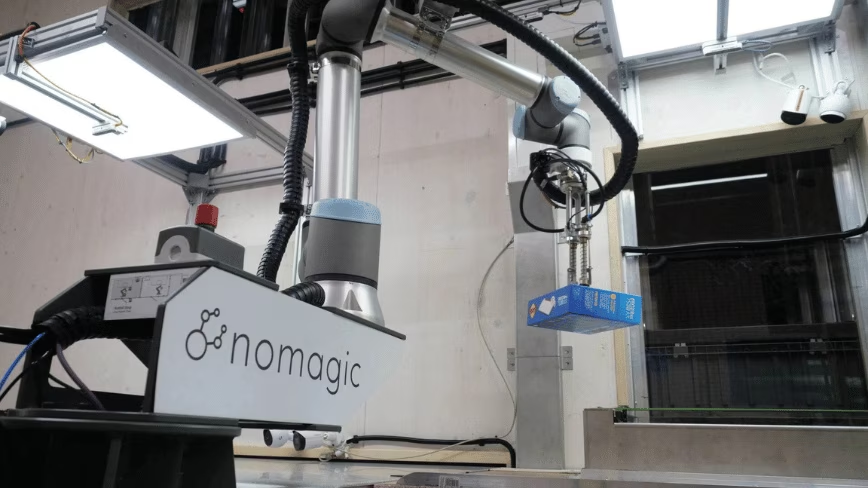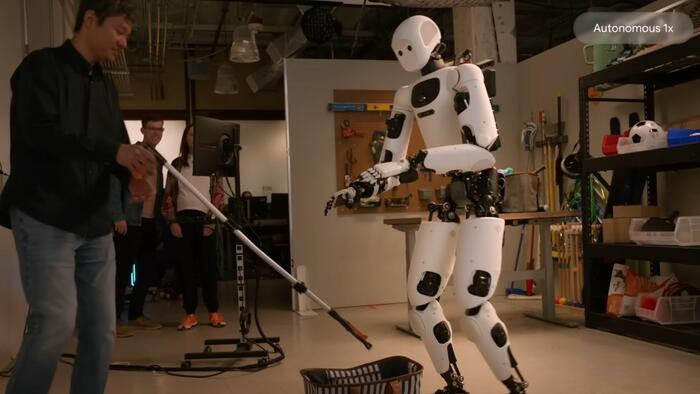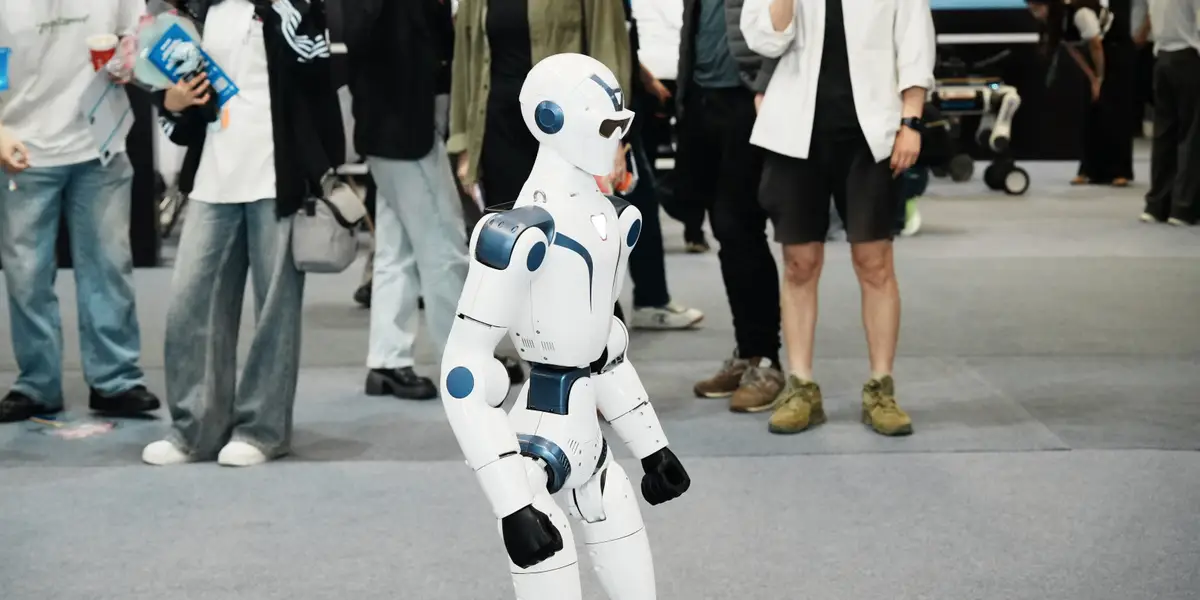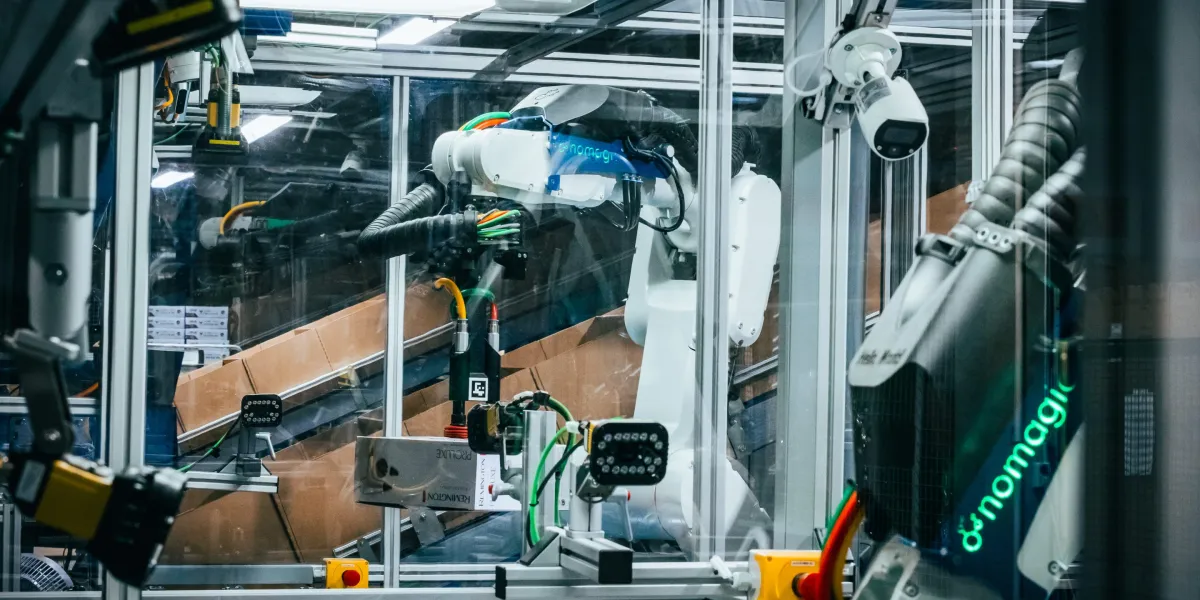
“Embodied AI” and “physical intelligence” are all the rage with Silicon Valley investors these days. The idea is that AI’s next frontier will be systems that don’t just use software but can take action in the real world through robotic devices, from self-driving cars to humanoid robots.Many startups are chasing AI models that can serve as general-purpose “robot brains,” able to be dropped into any kind of robot and told to do almost anything. This is a shift from the kinds of systems that traditionally controlled industrial and warehouse robots. This control software often required weeks or months of on-site programming to perform even one task well.Still, most of these general purpose AI models perform significantly below human-level accuracy on each task, at least right out of the box. The hope is that with just a little bit of additional on-site, task-specific training, these robots will eventually be able to master that task—reducing the barriers to deploying robots in many sectors.Nomagic, a company with European headquarters in Warsaw, Poland, and U.S. headquarters in Sandy Springs, Georgia, is pursuing a different approach: rather than going from generality to task-specific mastery, it is creating AI robot brains that are extremely accurate at specific tasks right out of the box, and then hoping to eventually build from mastery of these individual tasks towards a general purpose system.To pursue this goal, earlier this year Nomagic created an AI research lab led by Markus Wulfmeier, a former Google DeepMind robotics researcher, who now serves as Nomagic’s chief scientist. Now Nomagic has announced that it has deployed its first vision-language-action (VLA) model—a type of AI model that can perceive objects in the world, receive and understand text-based instructions from people, and then take actions in the world—to paying customers. The company says it is among the first companies in the world to run VLAs in a live production environment, rather than in lab experiments or staged demos. The early results, according to the company, are tangible if unglamorous: by aiming the VLA at the most common “edge cases” for its warehouse robots—somewhat uncommon situations where a robot gets stuck and has to call for human assistance—Nomagic says it has roughly halved the rate of these robot-caused interventions in live operations.
Nomagic AI lab led by former Google DeepMind researcher claims success with 'AI brain' for robots | Fortune
Nomagic says the company's new 'vision-language-action' model cut robot errors requiring human intervention in half at logistics customers.
1,103 words~5 min read