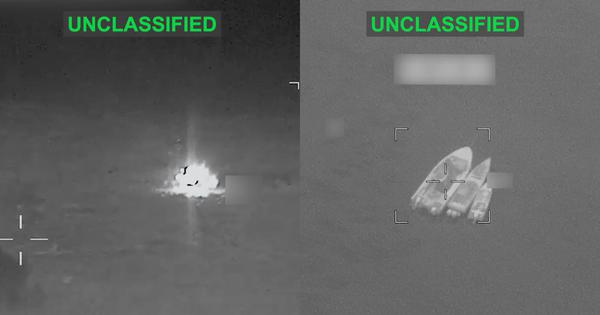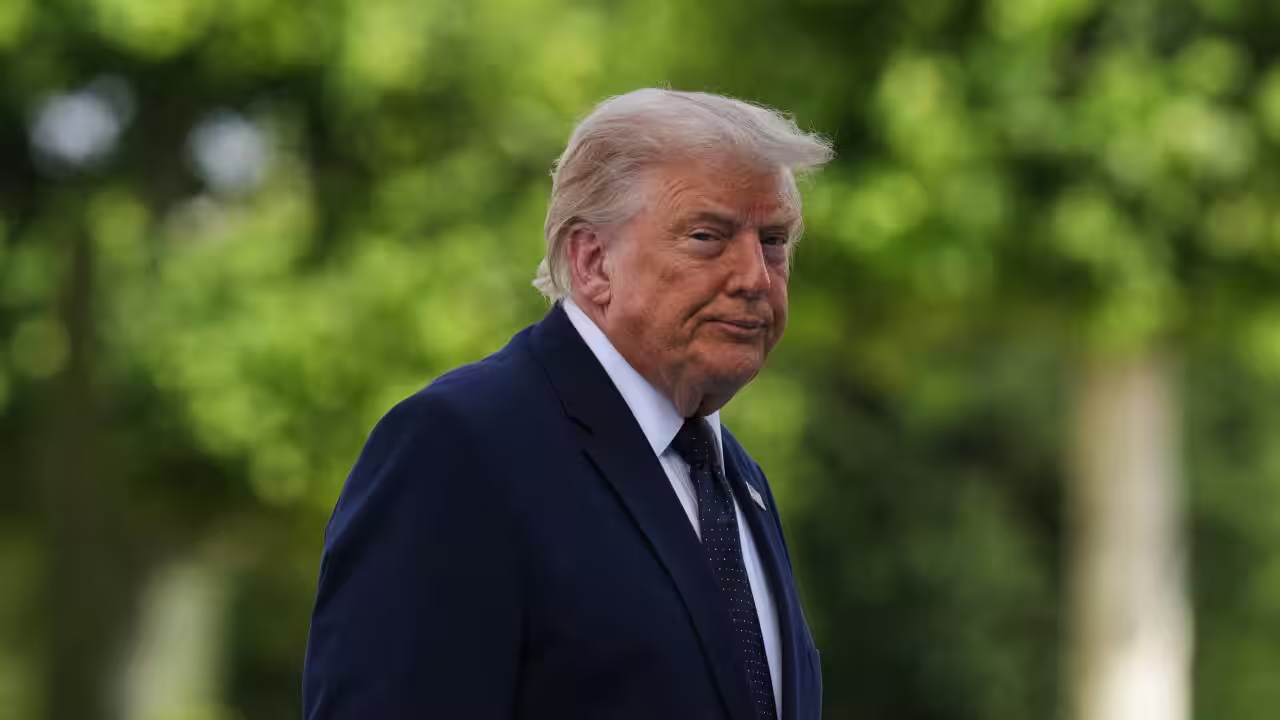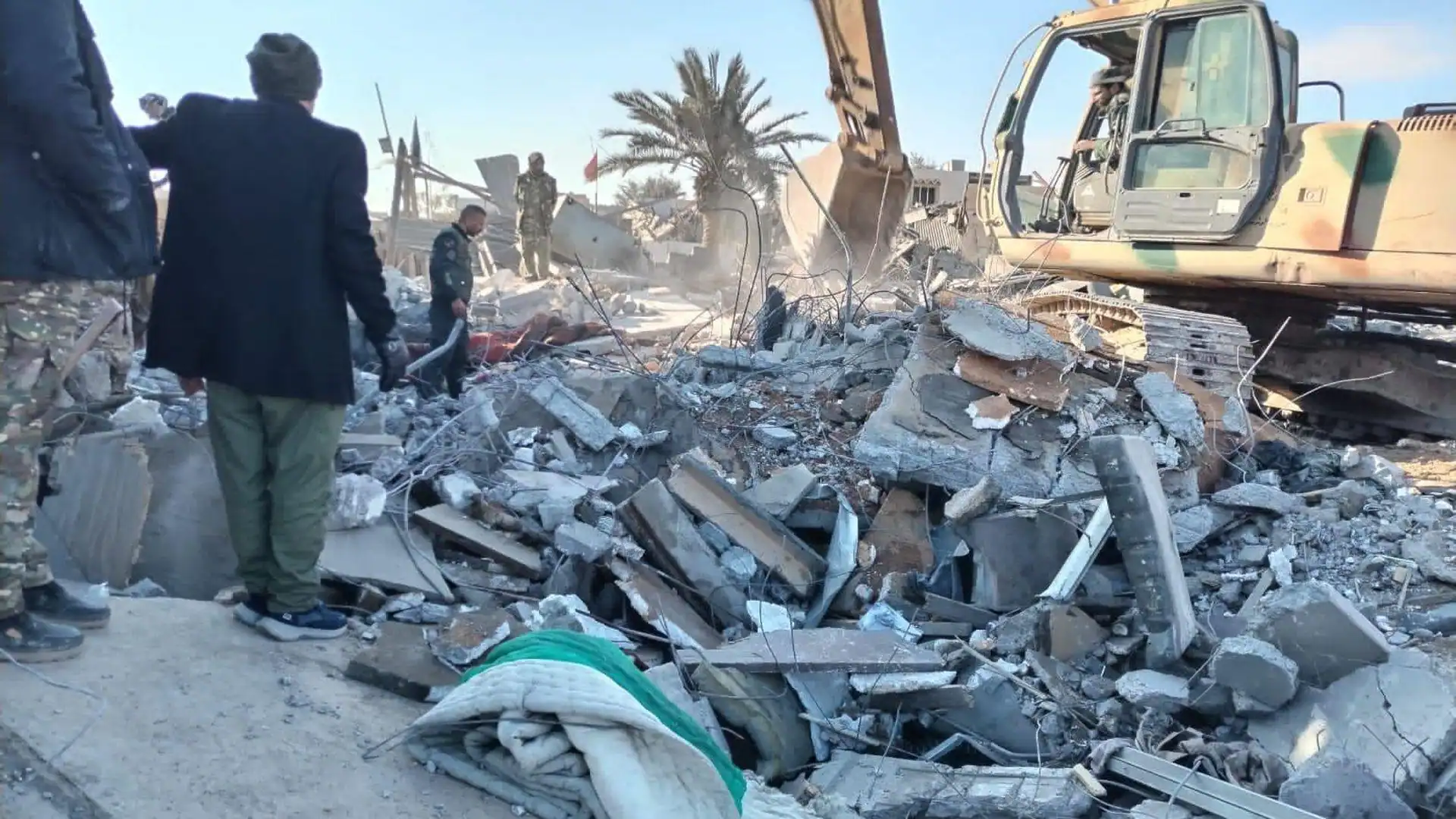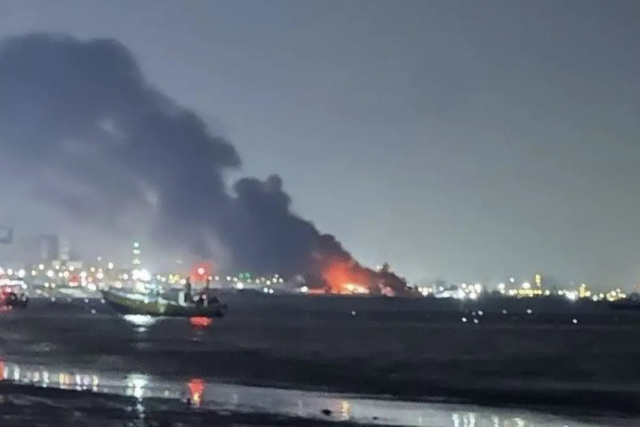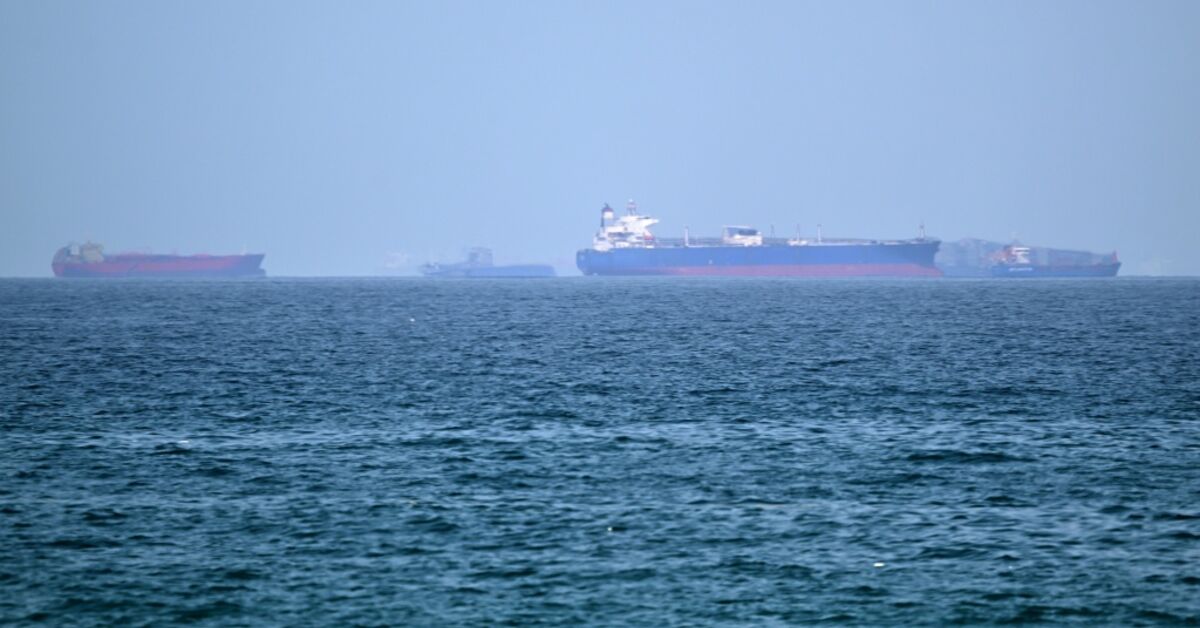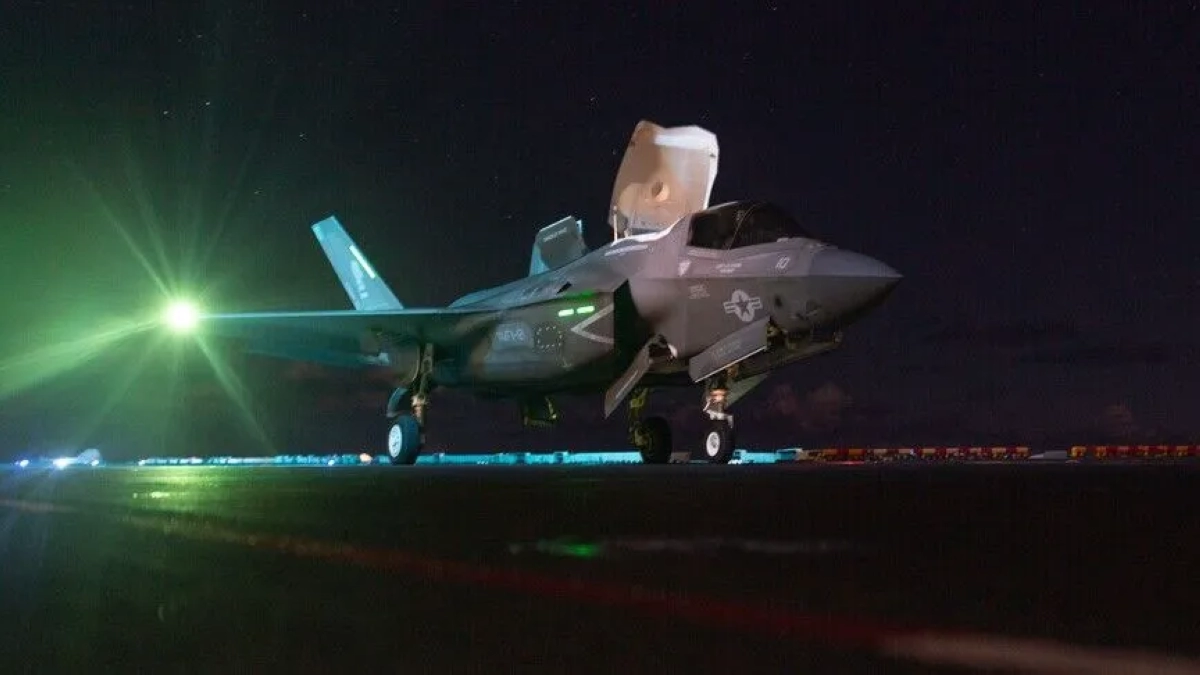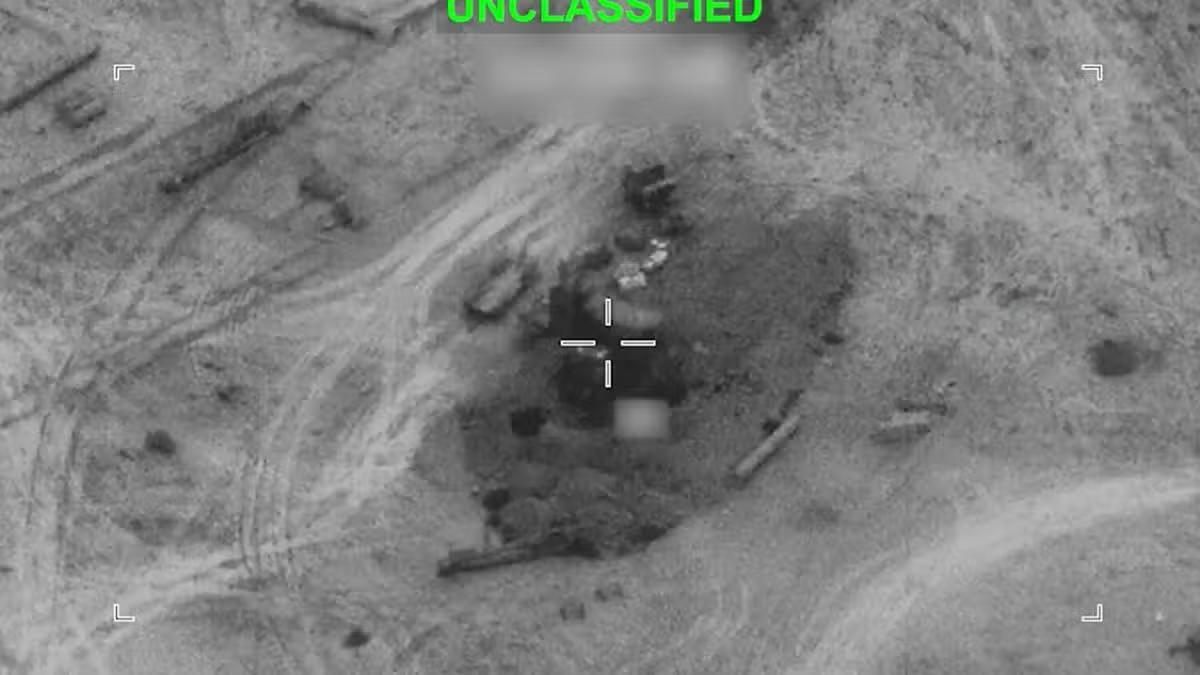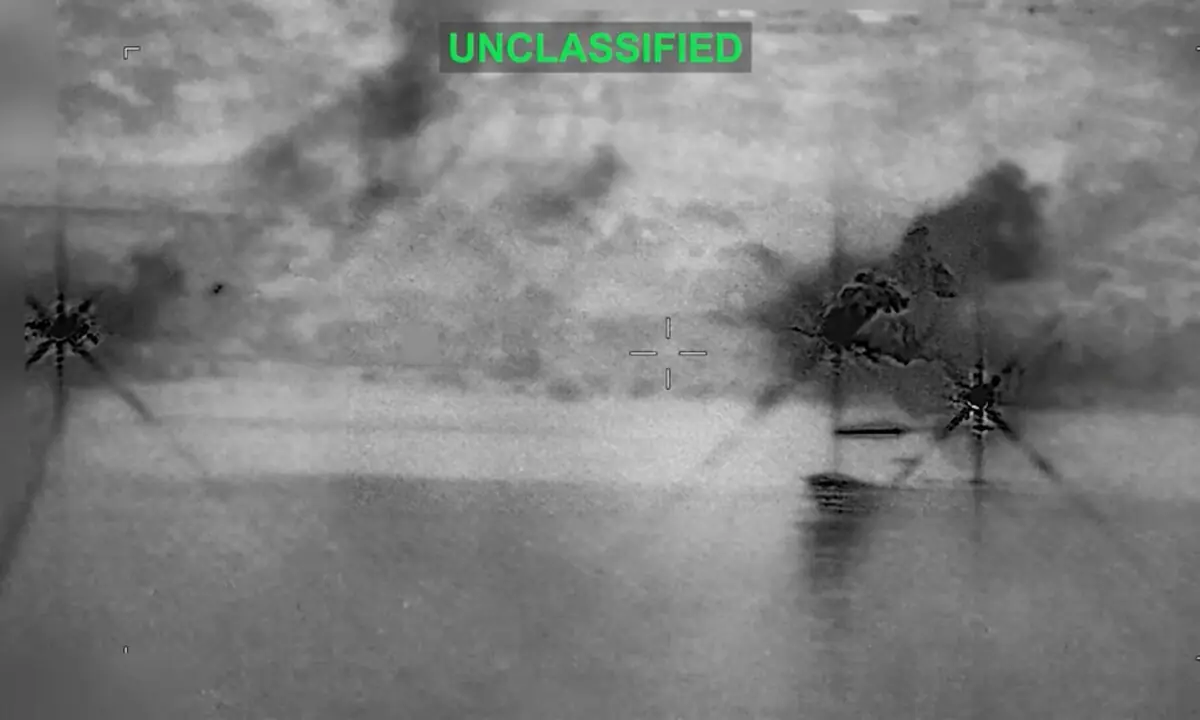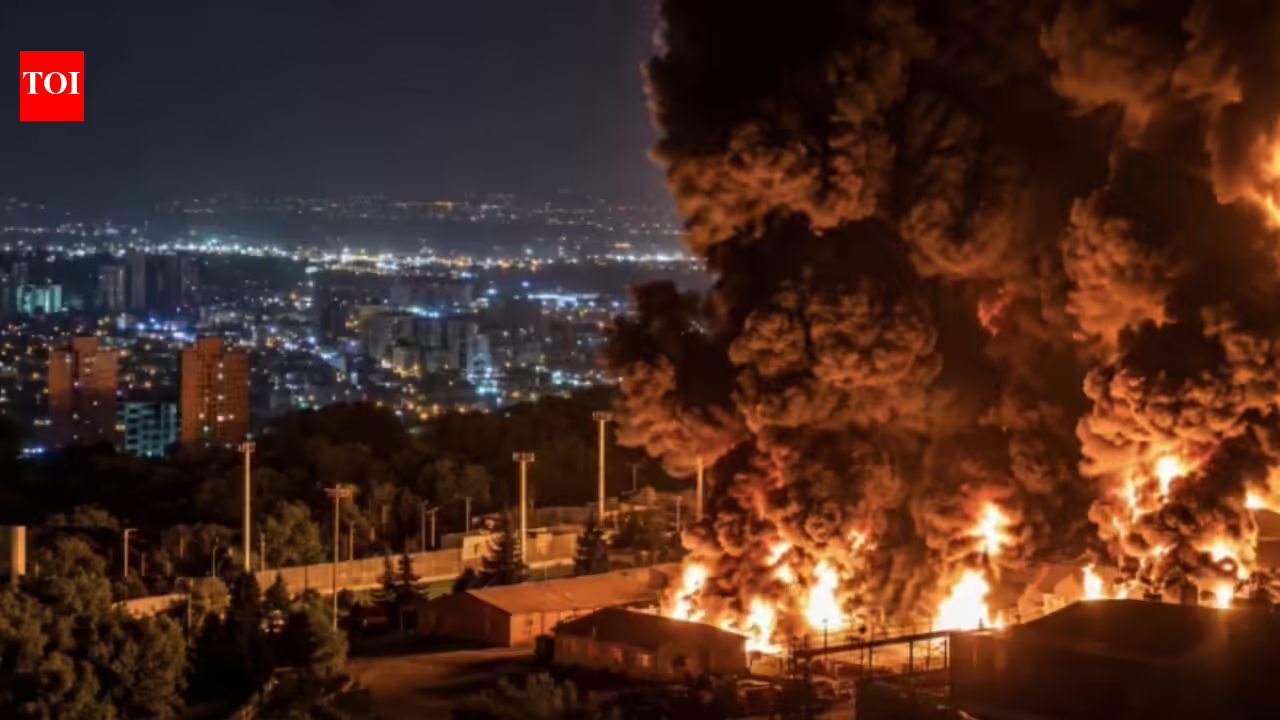
The US struck more than 80 targets in Iran after tanker attacks in Hormuz, while Tehran retaliated against American sites; Washington is now weighing further steps as the ceasefire faces its biggest test yetThe US military said overnight that it struck “more than 80 targets in Iran” in response to Iranian attacks on three commercial vessels. Iran responded by announcing strikes on “more than 85 targets” in Bahrain and Kuwait, while Iranian forces continued firing toward Bahrain on Wednesday morning.US strikes in Iran (Video: CENTCOM)“The United States bears responsibility for the consequences of its repeated violations of the ceasefire,” Iran’s military said in a statement. “All American bases in the region will be legitimate targets for our drones.”According to The Wall Street Journal, US officials were surprised by Iran’s decision to target commercial ships in the Strait of Hormuz, particularly while negotiations between Washington and Tehran were ongoing and as Iran held funeral ceremonies for former Supreme Leader Ali Khamenei.The funeral events became a major display of power for the Iranian regime, both domestically and internationally.At the same time, the US continued coordinating the passage of commercial vessels through the southern part of the Strait of Hormuz near Oman, a route that has angered Iran. The Islamic Revolutionary Guard Corps had previously warned ships against using the route, saying it was “unacceptable and extremely dangerous” and threatening action against vessels that ignored its instructions.According to the Wall Street Journal, Iran issued a similar warning before the tanker attacks that triggered the US response. US officials said Washington attempted to establish a discreet communication channel with the IRGC in an effort to reach quiet understandings over maritime arrangements in Hormuz, but said no significant progress had been made.Iranian official Mohsen Rezaei accused Washington of undermining negotiations, writing that “it is completely clear that the US will cause the failure of the talks.” He claimed Washington was seeking to establish a presence south of the Strait of Hormuz in order to eventually move military vessels through the area.CNN reported that several US allies in the Middle East sent messages to both Washington and Tehran urging them to halt what appeared to be renewed escalation. Meanwhile, The Wall Street Journal reported that US warships are positioned for a possible renewed blockade of Iranian ports if President Donald Trump decides to impose one again.Strait of Hormuz (Photo: REUTERS/Stringer)The US had already delivered an economic blow to Tehran by revoking a license that allowed Iran to sell oil on international markets, a concession granted as part of the implementation of the US-Iran memorandum of understanding now under pressure.Following the decision, oil prices jumped sharply by 5%. Iran’s Foreign Ministry condemned the move, saying Washington would bear responsibility for the consequences and that Tehran would take any steps necessary to protect its national interests and security.A strong message also came from Iranian Parliament Speaker Mohammad Baqer Qalibaf, considered a leading figure in negotiations with Washington. “The era of bullying and extortion is over,” he wrote on X. “It leads nowhere. We do not fold.”The US-Iran talks remain suspended as Washington agreed to a pause while Iran holds ceremonies marking Khamenei’s funeral. Large crowds have gathered in Iran, calling for revenge against the United States and Israel.Iranian President Masoud Pezeshkian rejected criticism from Trump, who described the public mourning for Khamenei as “fake tears,” saying the funeral images speak for themselves.“You cannot manufacture by government order the tears and grief seen in the streets,” Pezeshkian said, presenting the events as evidence that Khamenei’s death did not weaken the Islamic Republic.
US mulls return of naval blockade as Iran continues strikes in Hormuz
The US struck more than 80 targets in Iran after tanker attacks in Hormuz, while Tehran retaliated against American sites; Washington is now weighing further steps as the ceasefire faces its biggest test yet
593 words~3 min read