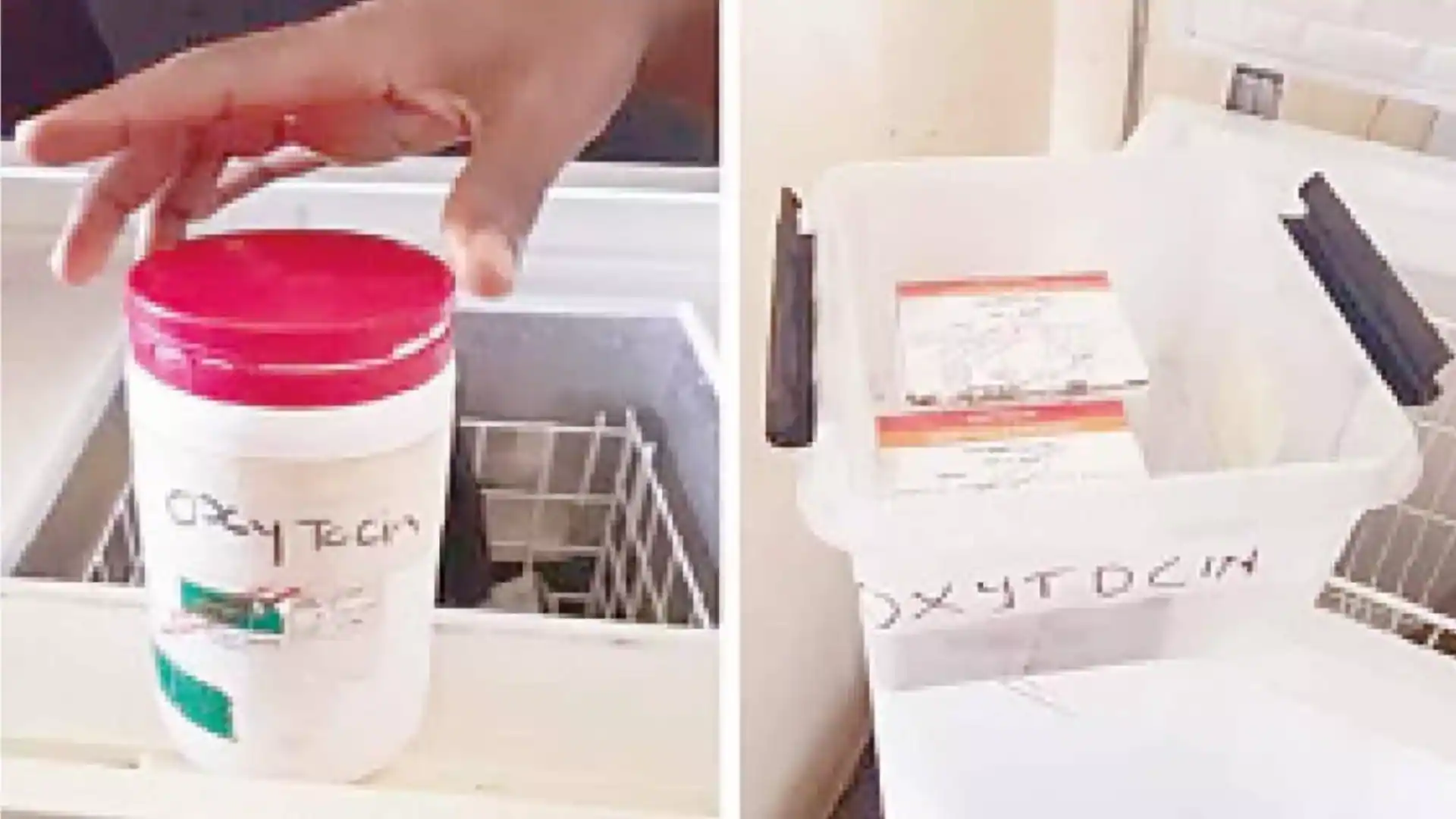
A batch of Dinoprostone Gel, a drug commonly used to induce labour in pregnant women has failed a government quality check, prompting the state Drug Control Department to immediately halt its use and distribution in Kota, Rajasthan.A statutory sample of the gel batch number H-084 was drawn from the New Medical College Hospital (NMCH) store on May 17 and sent for testing to the Drug Testing Laboratory in Jaipur. “The batch was found not to conform to prescribed quality standards,” a person in the know told ET. He said that around 1,117 units of the same batch were subsequently found in stock and that the department had ordered an immediate stop to the use and distribution of that batch as a precaution, along with the recall of remaining stock from medical institutions across the state. The gel is manufactured by one Cotec Healthcare Private Limited, based in Roorkee, Uttarakhand, and is used widely in government hospitals to soften the cervix, induce labour pain and where medically necessary, advance the delivery process. “The company will be served notice today,” added the person.This is not the first time a maternity-related drug supplied to Kota’s hospitals has come under scrutiny. Earlier, during an investigation into the deaths of women during childbirth at the Medical College a sample of Oxytocin injection also failed quality testing. As reported by ET oxytocin injections administered tom women allegedly contained no active ingredient.The injection batch number 1-7881 was manufactured by Jackson Laboratories, Amritsar, and had been supplied in Kota through a local firm.The oxytocin episode has since been taken to the National Human Rights Commission (NHRC).A civil rights organisation-Jan Swasthya Abhiyan India-has filed a complaint to the commission demanding thorough investigation into the oxytocin case, action against those found responsible, compensation for the affected families and stronger drug regulation and quality-monitoring systems in government hospitals.The complaint alleges that several women died and others suffered serious complications after being administered suspected substandard medicines during delivery. It calls for accountability to be fixed on manufacturers, regulatory authorities, and the officials concerned, and for safeguards to prevent a recurrence.
Rajasthan recalls labour-inducing drug after quality test failure
A batch of Dinoprostone Gel, used to induce labour in pregnant women, has failed a government quality test, prompting Rajasthan's Drug Control Department to stop its use and recall the batch from hospitals across the state. The batch, manufactured by Cotec Healthcare, was found to be below prescribed quality standards after testing.
348 words~2 min read