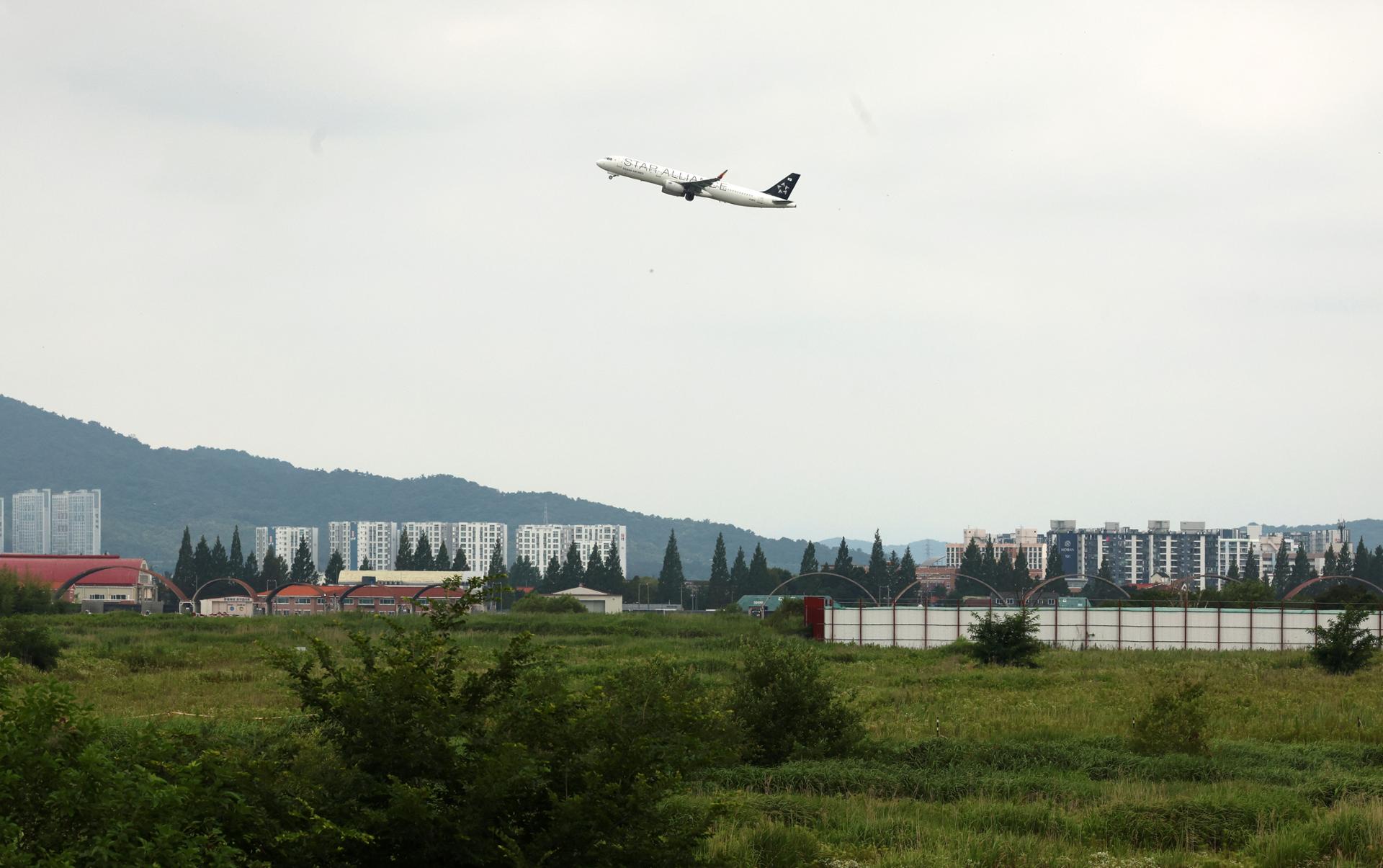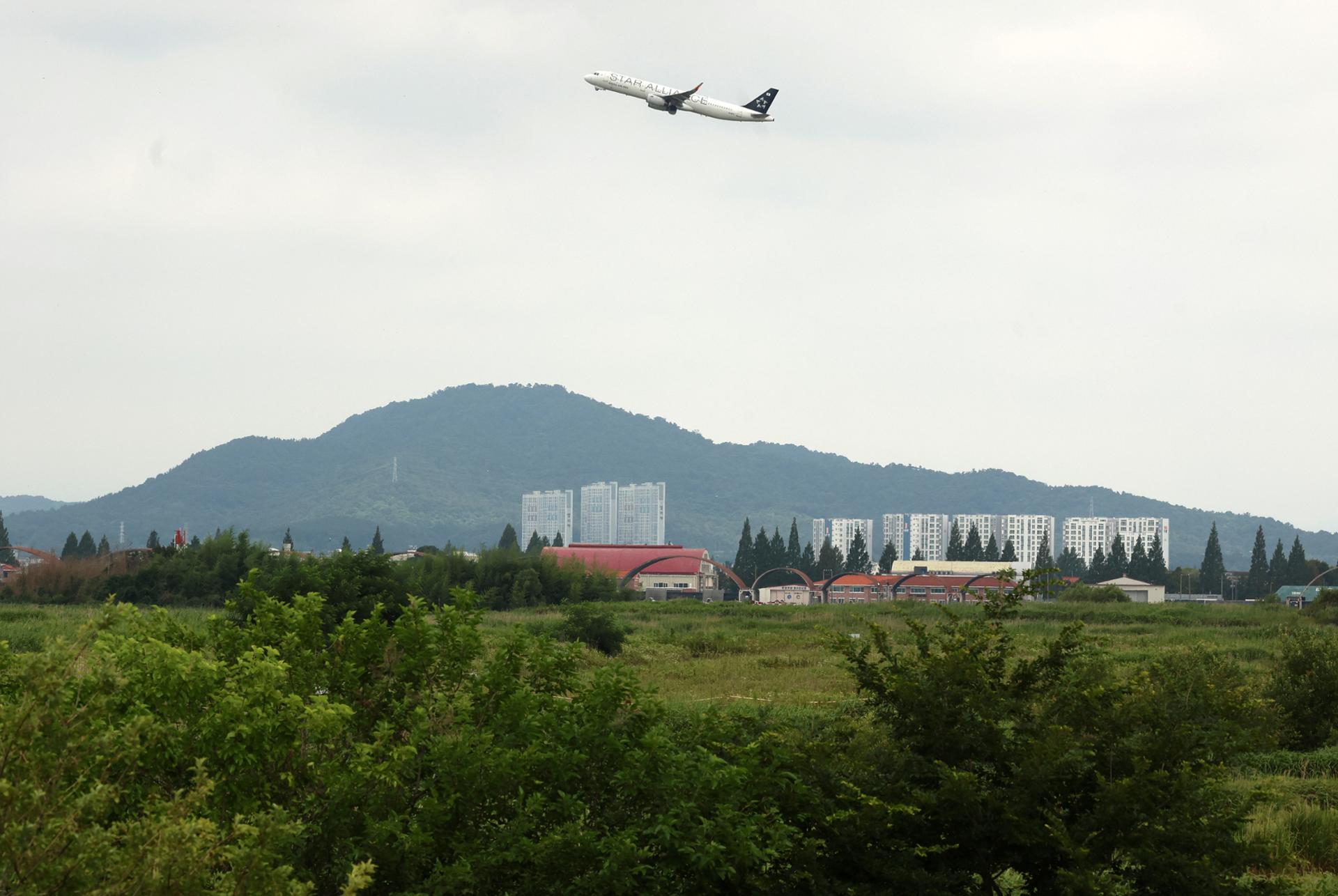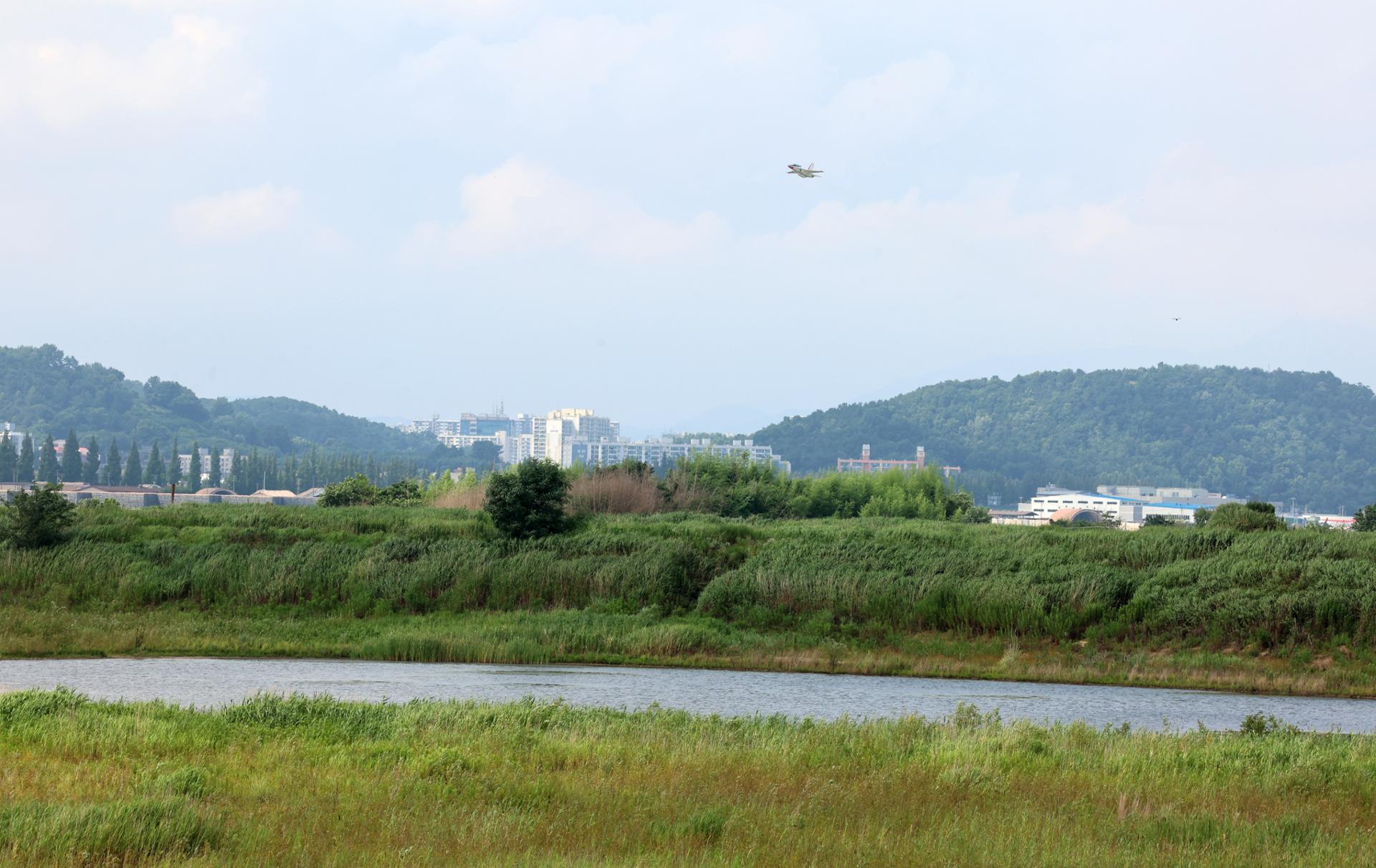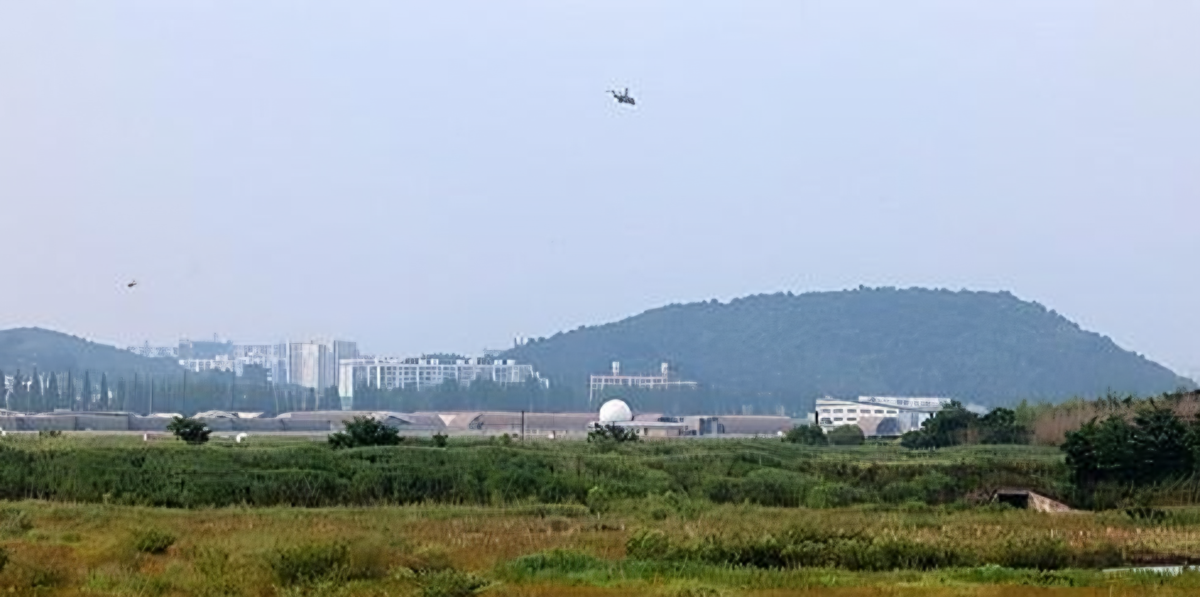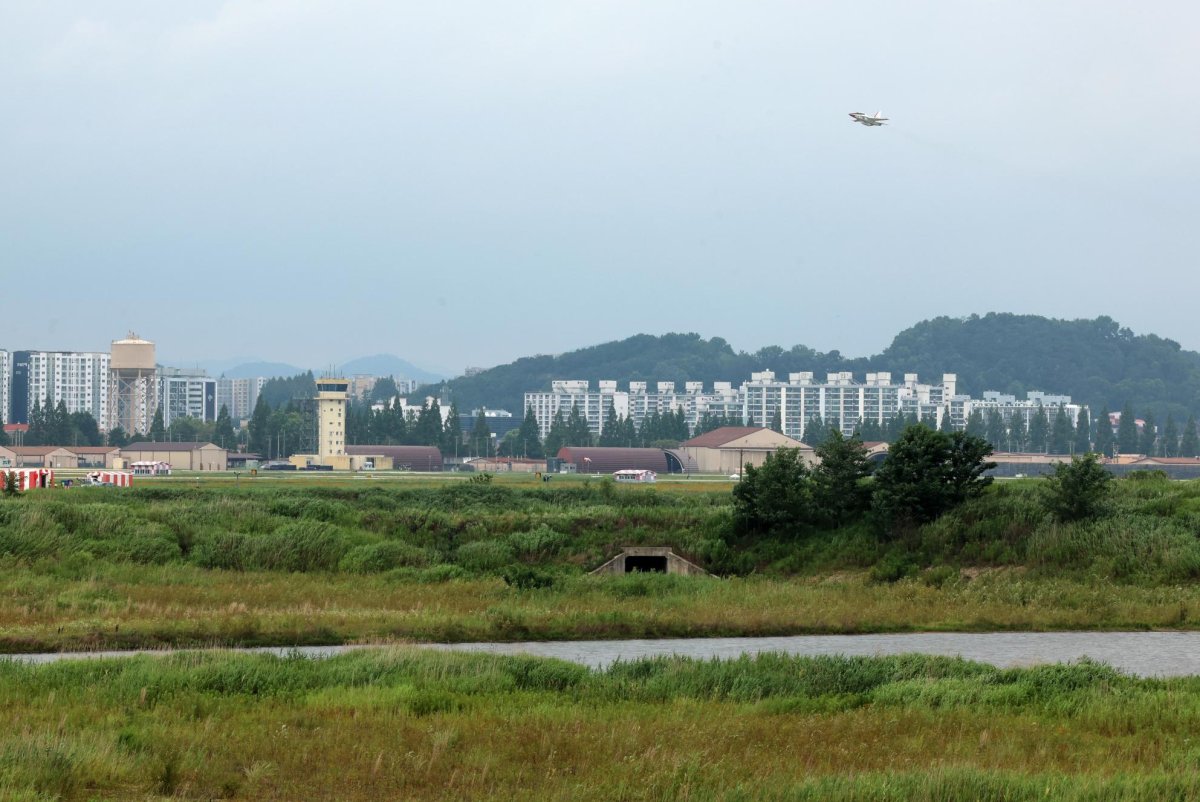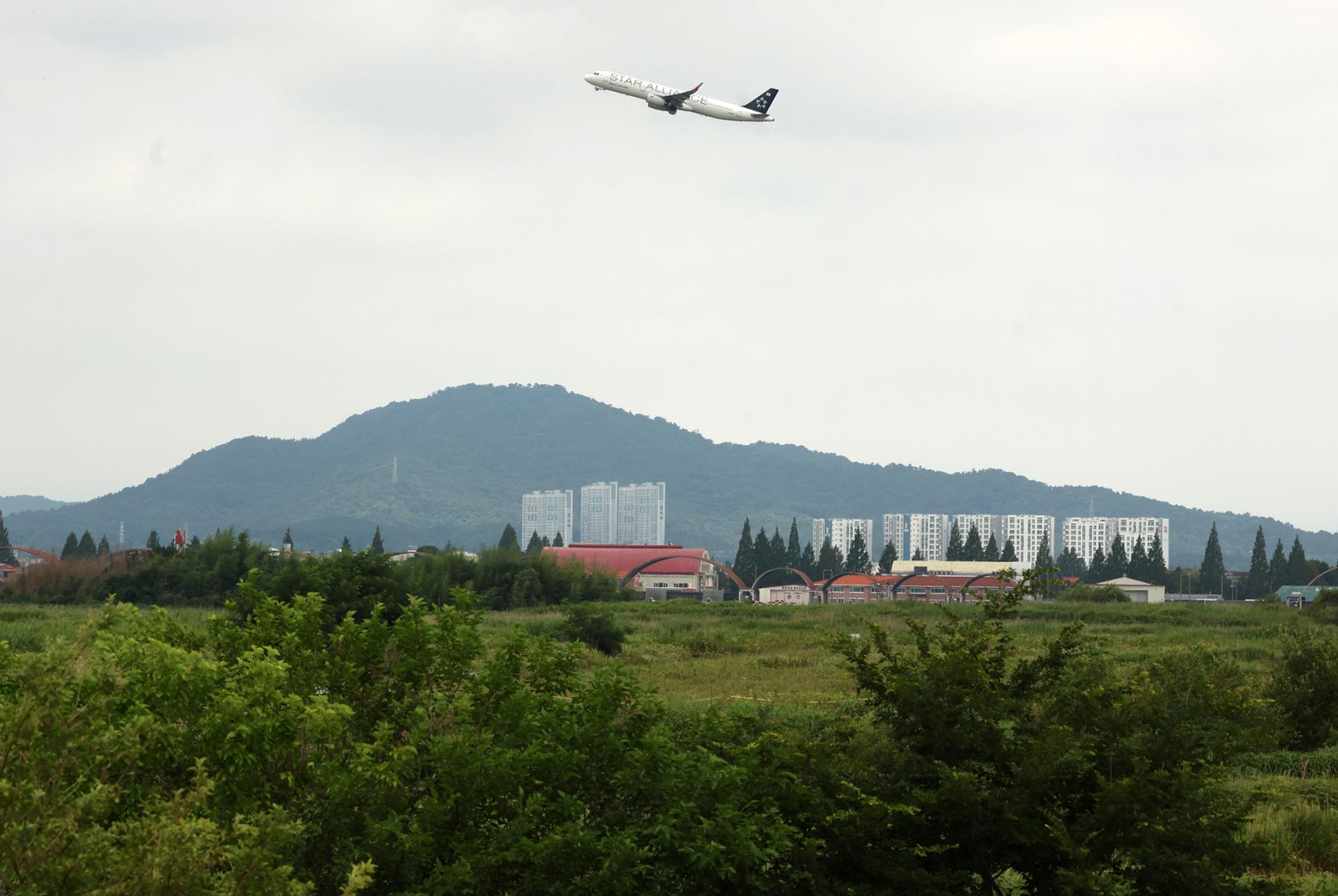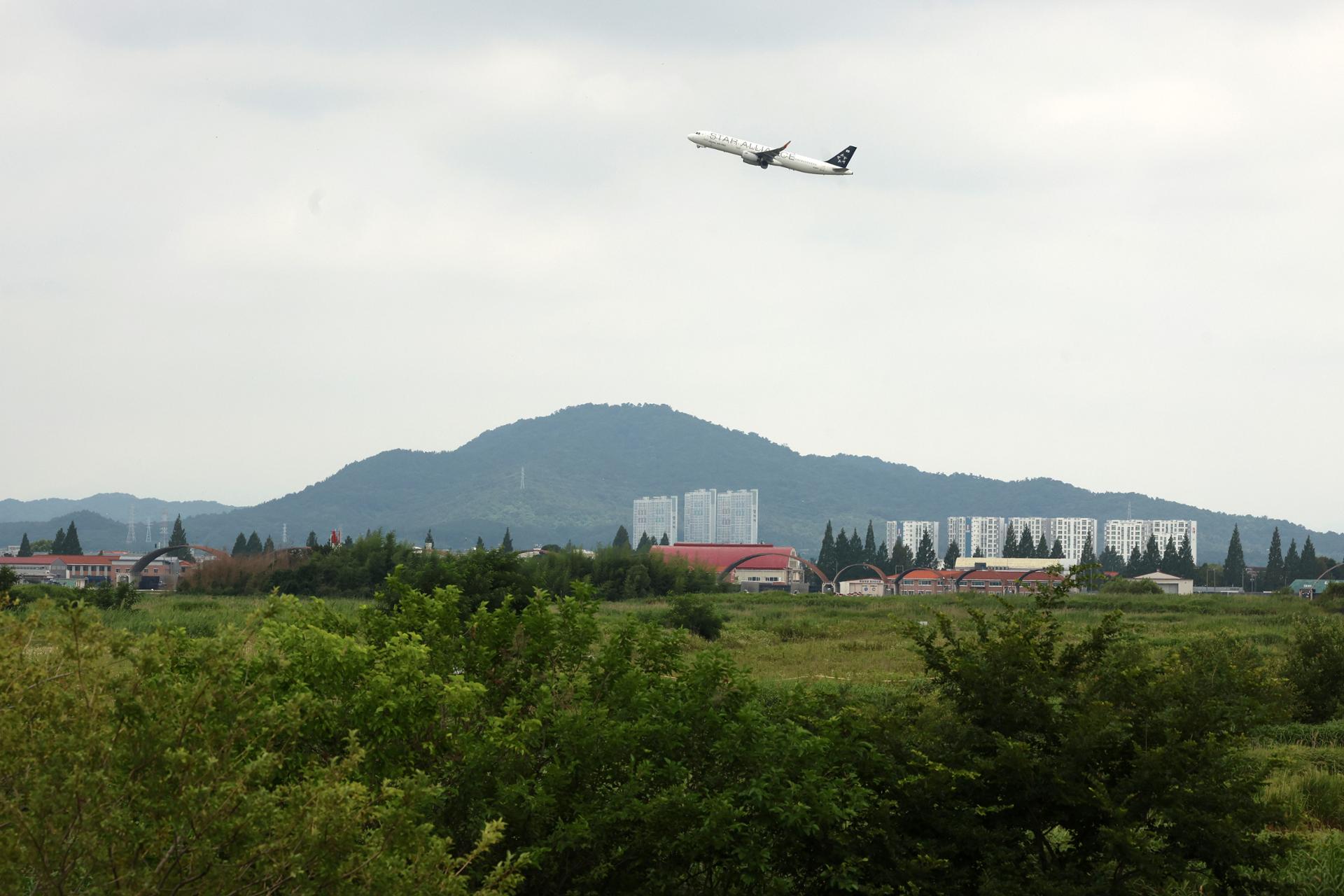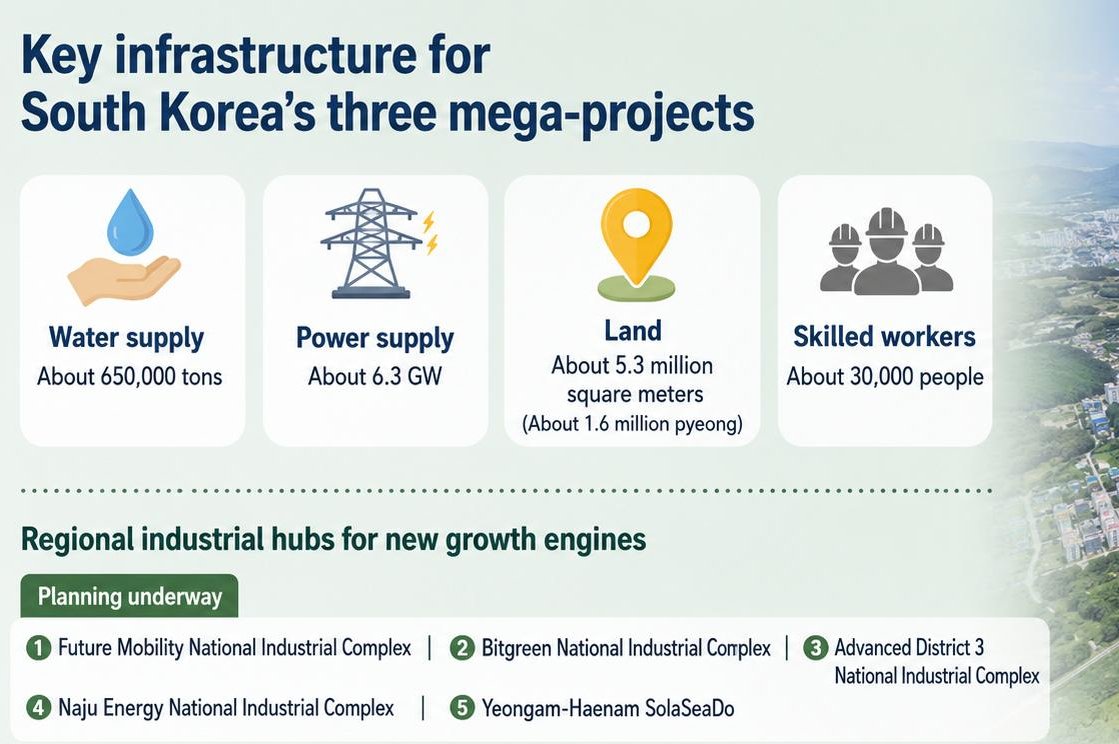
Vast state-owned site could shorten construction timelines, but project still faces relocation, power and permission challenges A view of Gwangju’s military air base, selected as the site for the Honam semiconductor cluster. (Jeonnam-Gwangju Special Metropolitan City) South Korea’s recent decision to build a semiconductor cluster on Gwangju’s military air base rests on an attractive premise: the vast state-owned site could be developed faster than most alternatives.Whether that speed advantage holds will depend on the next phase of the project — relocating the active air base and advancing talks with Muan, South Jeolla Province, the preliminary relocation site.Earlier this week, the government confirmed the 8.26 million-square-meter site as a key base for the Honam semiconductor cluster. It is expected to host four new fabs from Samsung Electronics and SK hynix as Korea seeks to expand chip production beyond the Seoul metropolitan area.The appeal is straightforward. The site is large enough to accommodate the planned fabs, and its airport-grade flat terrain could shorten basic site preparation, Kang Hoon-sik, the presidential chief of staff, said when announcing the designation on Monday. The site's largely state-owned status could also reduce delays from land purchases, compensation disputes and fragmented ownership.For chipmakers racing to meet demand for AI memory, that timeline is critical. Large fab projects can take years to move from announcement to construction, with permitting, power, water supply, equipment installation and test operations all adding to the schedule. SK hynix’s Yongin cluster took six years from its 2019 announcement to groundbreaking.But the Gwangju site is not yet ready for industrial use. It remains home to the Air Force’s 1st Fighter Wing and is designated as both a military facility protection zone and a flight safety zone. Full-scale construction cannot begin until military operations are moved and related restrictions are lifted.The Defense Ministry has selected Mangun-myeon in Muan as the preliminary relocation site, but the final decision still requires designation procedures, support plans and a local referendum. The government aims to confirm the relocation site within this year, though talks with Muan are expected to be delicate.Muan has demanded the prior transfer of Gwangju’s civilian airport to Muan International Airport, progress on Gwangju-South Jeolla administrative integration, about 1 trillion won in government support and broader national incentives. Industry officials are concerned that without progress on those issues, local resistance could slow the relocation.At the same time, the relocation is expected to follow a “donation-for-transfer” model, under which a local government builds a new military airport and hands it over to the state in exchange for the existing airport site for redevelopment.Gwangju City says the model is too limited for a project of this scale. It estimates that a new airport would cost about 10 trillion won and that relocation and redevelopment could take more than a decade under the current framework. The city is seeking revisions to the special law on military airport relocation to expand central government funding and shorten the process.The government is reportedly reviewing steps to accelerate the project, including easing military facility restrictions and considering temporary relocation measures for the 1st Fighter Wing.Even if relocation advances, the site faces other infrastructure and regulatory tests. Its proximity to the Yeongsan River means the project would need to clear environmental reviews related to industrial water treatment, while its location near Sangmu-gu and Gwangju Songjeong Station could require road expansion depending on traffic impact assessments.Power supply is another major task. Operating all four planned fabs would require about 6.3 gigawatts of electricity, making additional 345-kilovolt substations and transmission lines essential. Grid expansion could take time and require local acceptance.“The Gwangju military airport site has been selected as the best option in terms of speed, location and infrastructure, but the success of the semiconductor cluster will depend on how quickly the remaining tasks — power grid expansion, airport relocation and environmental and traffic reviews — can be resolved,” said one regional industry official.
Gwangju's fast-track chip hub hinges on airport relocation
South Korea’s recent decision to build a semiconductor cluster on Gwangju’s military air base rests on an attractive premise: the vast state-owned site could be
649 words~3 min read