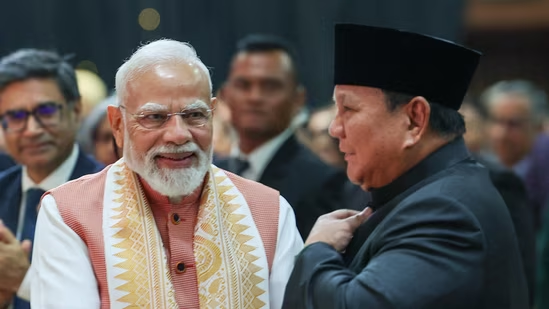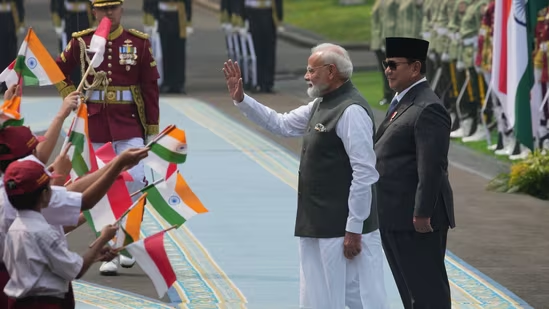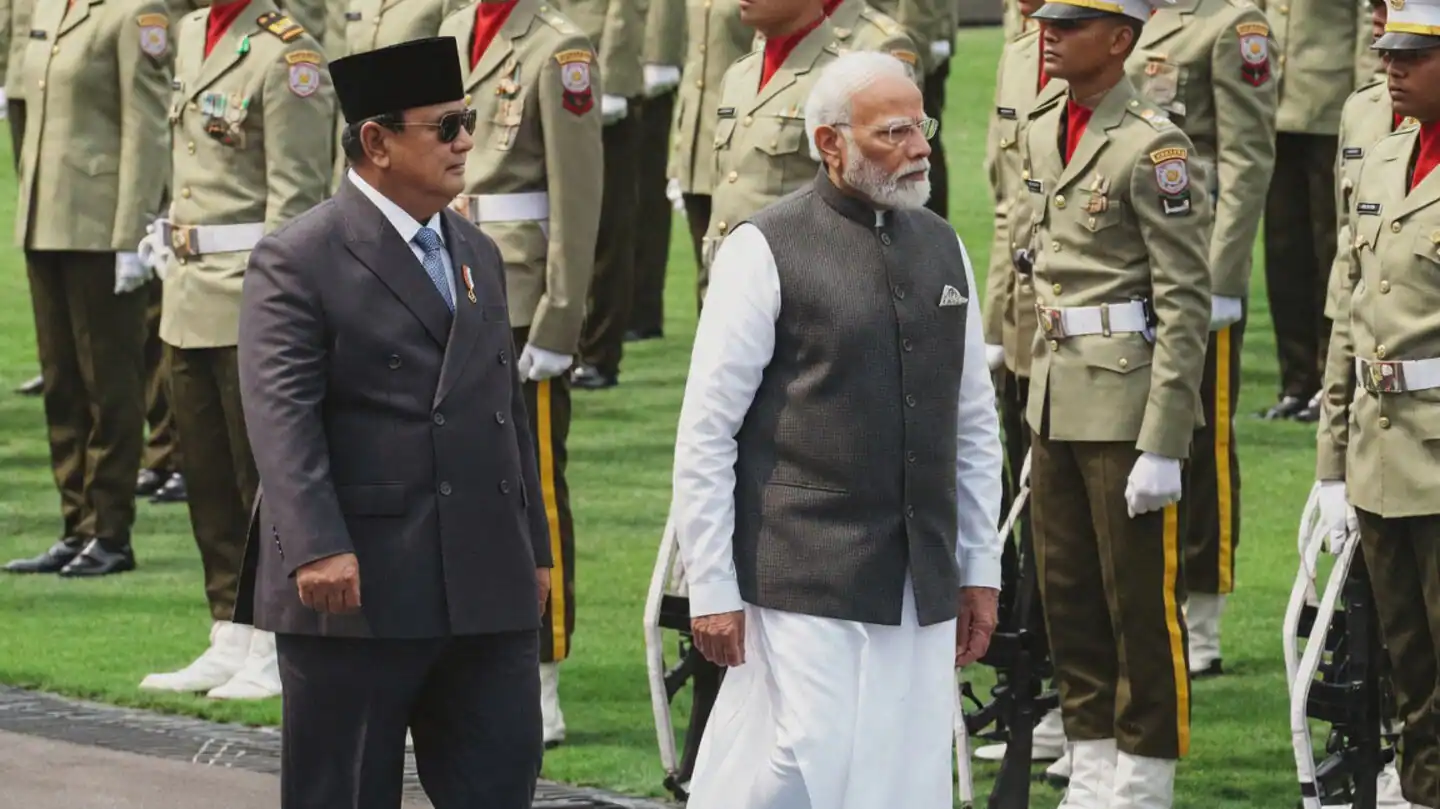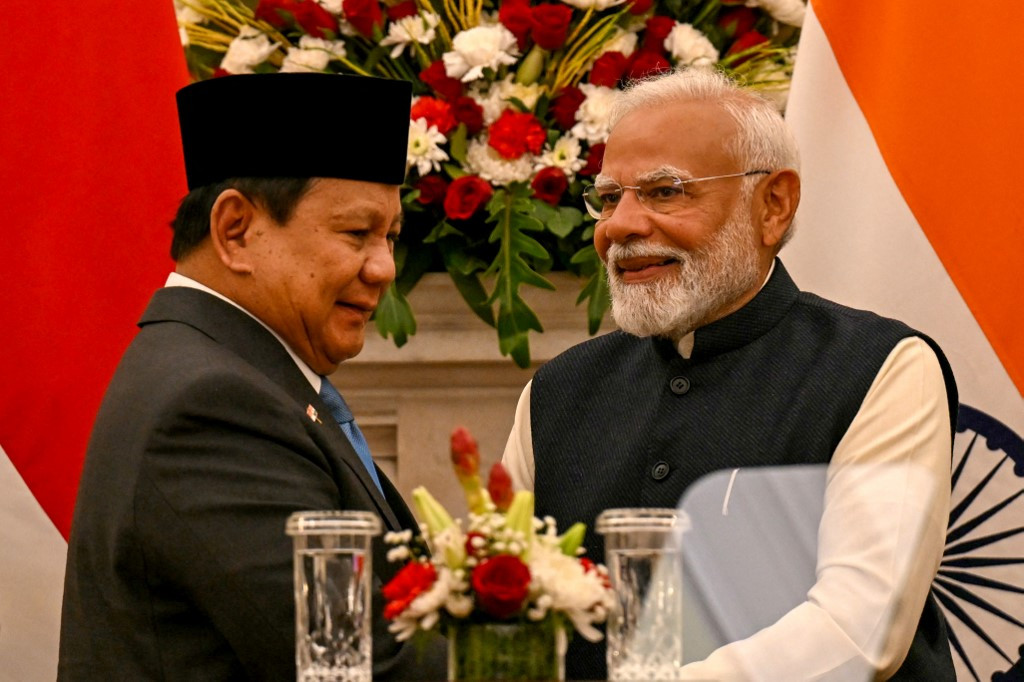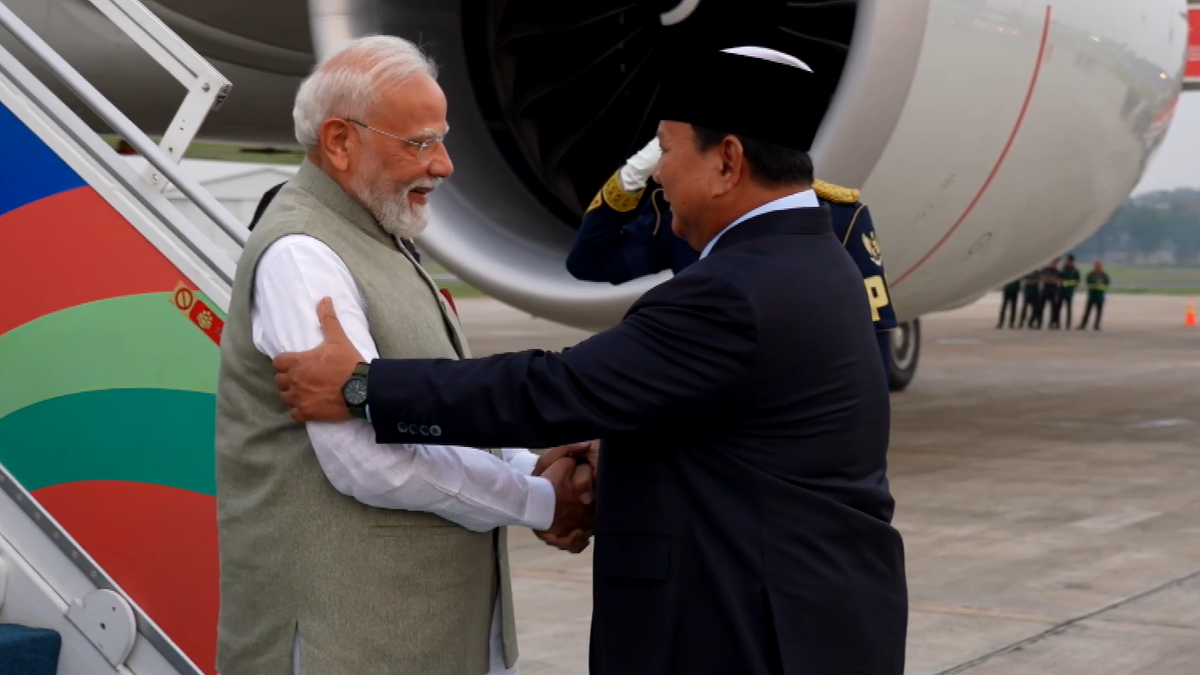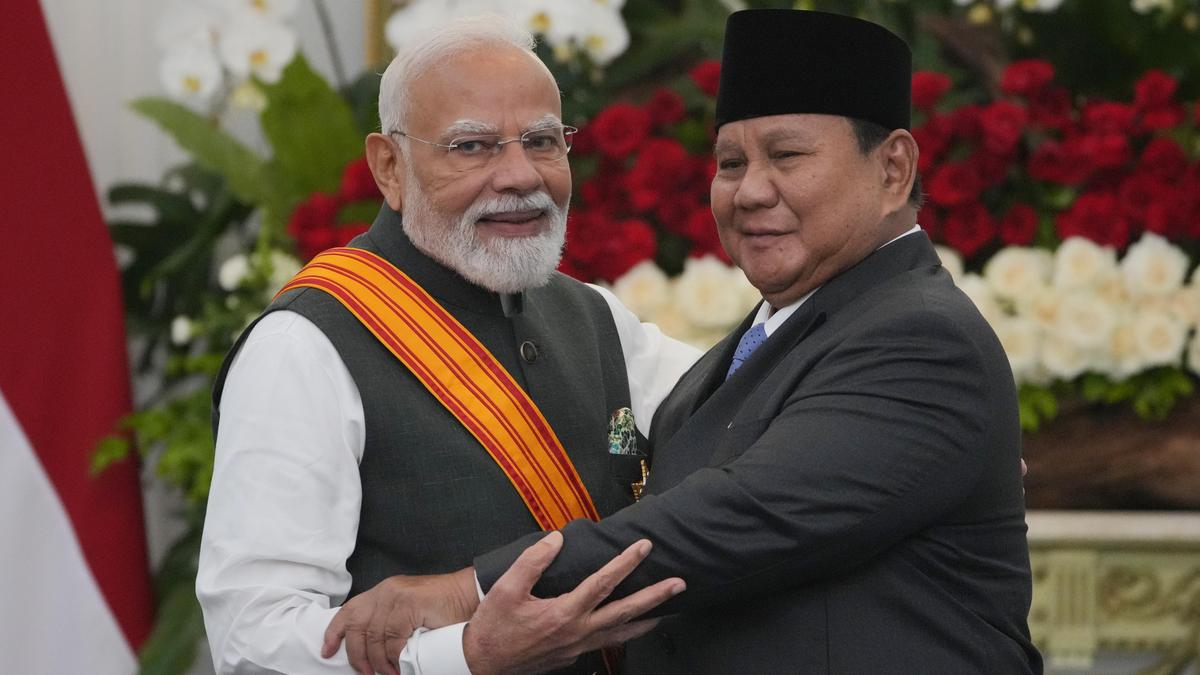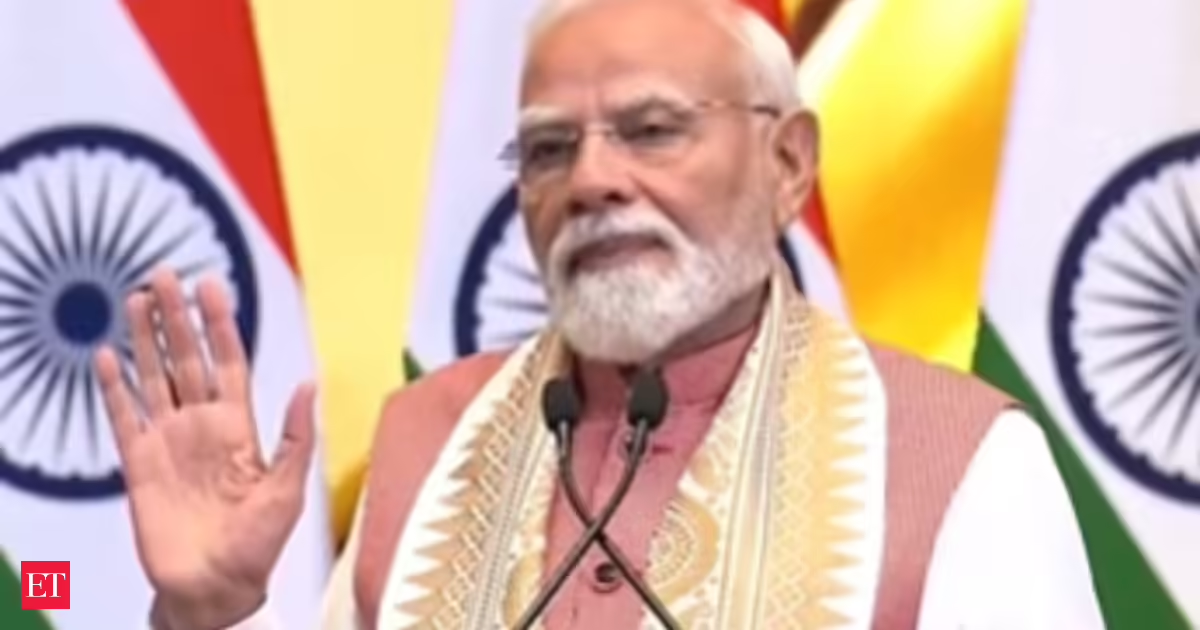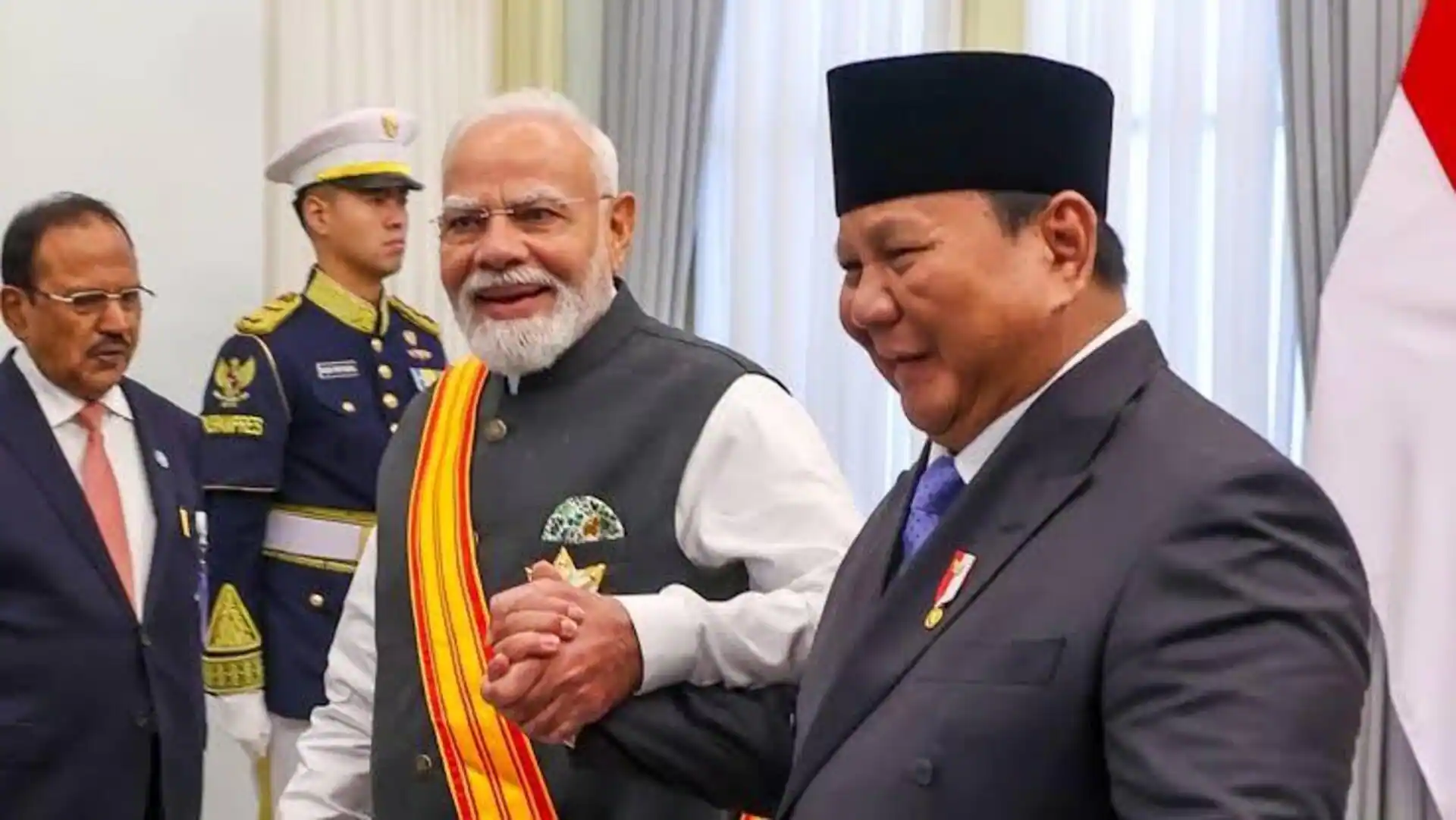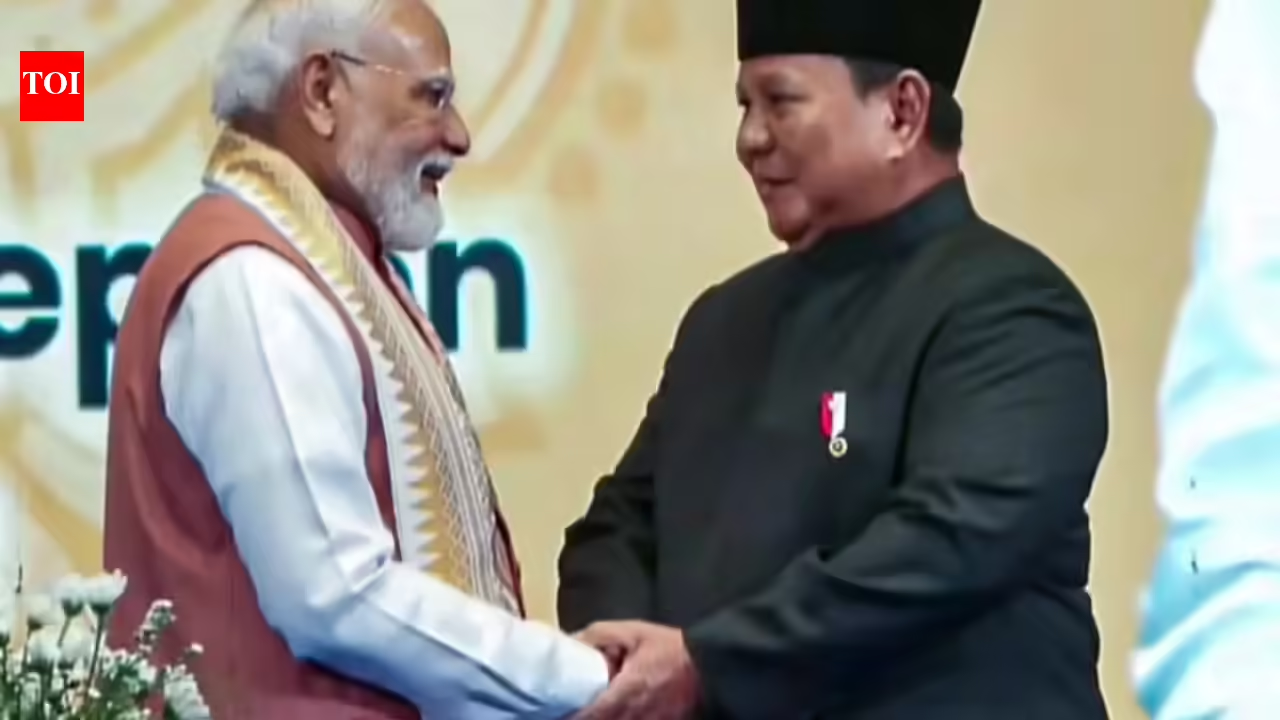
Prime Minister Narendra Modi’s recent visit to Jakarta and his interaction with the president of the country is all over the internet — and for good reason. When the heads of the two nations met, the world witnessed an exchange of not only warm greetings but also something even more interesting.Indonesian President Prabowo Subianto stood up in front of a crowd of Indian expatriates, glanced at Modi, and slipped a secret: apparently, a genetic test said he had “Indian DNA.”Most people probably saw Prabowo’s comment as nothing more than a playful ice-breaker. But there’s a bigger story here, one that touches on centuries of connection, migration, and shared history between India and Indonesia.So, what really happened? And what did Prabowo mean by his claim?Indonesia’s India connectionDuring Prime Minister Modi’s trip to Indonesia, standing in front of a packed crowd of Indians living in Jakarta, President Prabowo made a lighthearted confession: he’d taken a genetic test, he said, and found out he has “Indian DNA.”While Prabowo’s stories about his ancestry and affection for India quickly became the talk of the night, what became of the centre of attention has something to do with his Indian connection.Prabowo told the audience he took a genome sequencing test before visiting India. "Just before I made my state visit to India, I had what is called a genome sequencing test. I tested my DNA, and I found out I had Indian DNA. That's why I think every time I hear some music, especially Indian music, I find my body moving," he said.The Indonesian president followed up with a more reflective note. He spoke about just how entwined the two countries have been for over two thousand years. Merchant ships ferried goods and ideas between the two, and ancient Indian faiths like Hinduism and Buddhism left a big mark on Indonesian life. And even today, one can see it everywhere: in the language, in temple architecture, and even in epic tales like the Ramayana and Mahabharata, which are still alive in Indonesian art and tradition.But what does “having Indian DNA” actually mean?Let’s unpack.What does Prabowo Subianto’s claim mean?Modern science backs up the idea that people have been moving (and intermarrying) across South and Southeast Asia for ages. So, it’s possible Prabowo’s test picked up those ancient genetic traces. But scientists are also fair to point out that DNA doesn’t decide someone’s nationality or cultural identity.According to Dr. Shrinidhi Nathany, Consultant, Molecular Hematology & Oncology, FMRI Gurugram, "The recent exchange between Prime Minister Narendra Modi and Indonesian President Prabowo Subianto has brought genomics into the public spotlight, highlighting how DNA science can help us better understand our shared human history."Per her, ancestry tests do not identify whether a person belongs to a particular nation. Instead, they compare an individual's genetic markers with large reference databases containing DNA from populations around the world. "Ancestry testing does not define nationality or identity; it estimates genetic similarities with reference populations, often reflecting centuries of migration, trade, and cultural exchange," she explains.She adds, "The long-standing historical connections between the Indian subcontinent and Southeast Asia are well supported by archaeological, historical, and genomic evidence."Now, that distinction is crucial. Basically, these tests estimate how your genes match up with today’s populations based on old migrations and centuries of mixing — not strict borders. Your test might say you share genes common in India, but that doesn’t make you Indian by nationality, language, or even culture. Those things come from your upbringing and your experiences, not a DNA report.It’s also worth noting how DNA testing has gotten a lot faster and cheaper lately, and millions of folks now swab their cheeks hoping to learn about their roots. But in medicine, the real magic is using this info to diagnose diseases, find cancer risks, and create individual treatment plans. In Dr. Nathany’s words, "As genetic sequencing becomes more accessible, its role is expanding beyond disease diagnosis to preventive healthcare, precision medicine, and ancestry exploration." In essence, it’s a move from one-size-fits-all medicine towards healthcare that’s tailored to each person.And yet experts warn against overinterpreting ancestry reports. "At the same time, ancestry results should be interpreted responsibly, as they offer probabilistic insights rather than definitive measures of ethnicity or identity," Dr. Nathany notes.In other words, ancestry percentages are statistical estimates — not absolute facts. They reveal patterns of shared genetic heritage accumulated over generations rather than drawing rigid boundaries between populations.Prabowo Subianto’s ties with IndiaWhen Prabowo talked about his DNA, what he really underscored was the human connections that survive long after ancient ships stopped crossing the sea. Modi responded in kind. He described Prabowo as a “true friend” of India, saying, "Mr President, you said it back then, and you have said it again today. You also mentioned at that time that you possess India's DNA. I observed that it was precisely that remark which drew the loudest applause.""Even today, you won the hearts of millions of Indians with that statement; that single sentence touched the hearts of the people of India. It is a DNA forged from mutual trust. It is a DNA built upon a shared heritage," he added.
PM Modi meets Indonesia's president: His 'Indian DNA' remark goes viral
Prime Minister Narendra Modi’s recent visit to Jakarta and his interaction with the president of the country is all over the internet — and for good reason. When the heads of the two nations met, the world witnessed an exchange of not only warm greetings but also something even more interesting.
856 words~4 min read