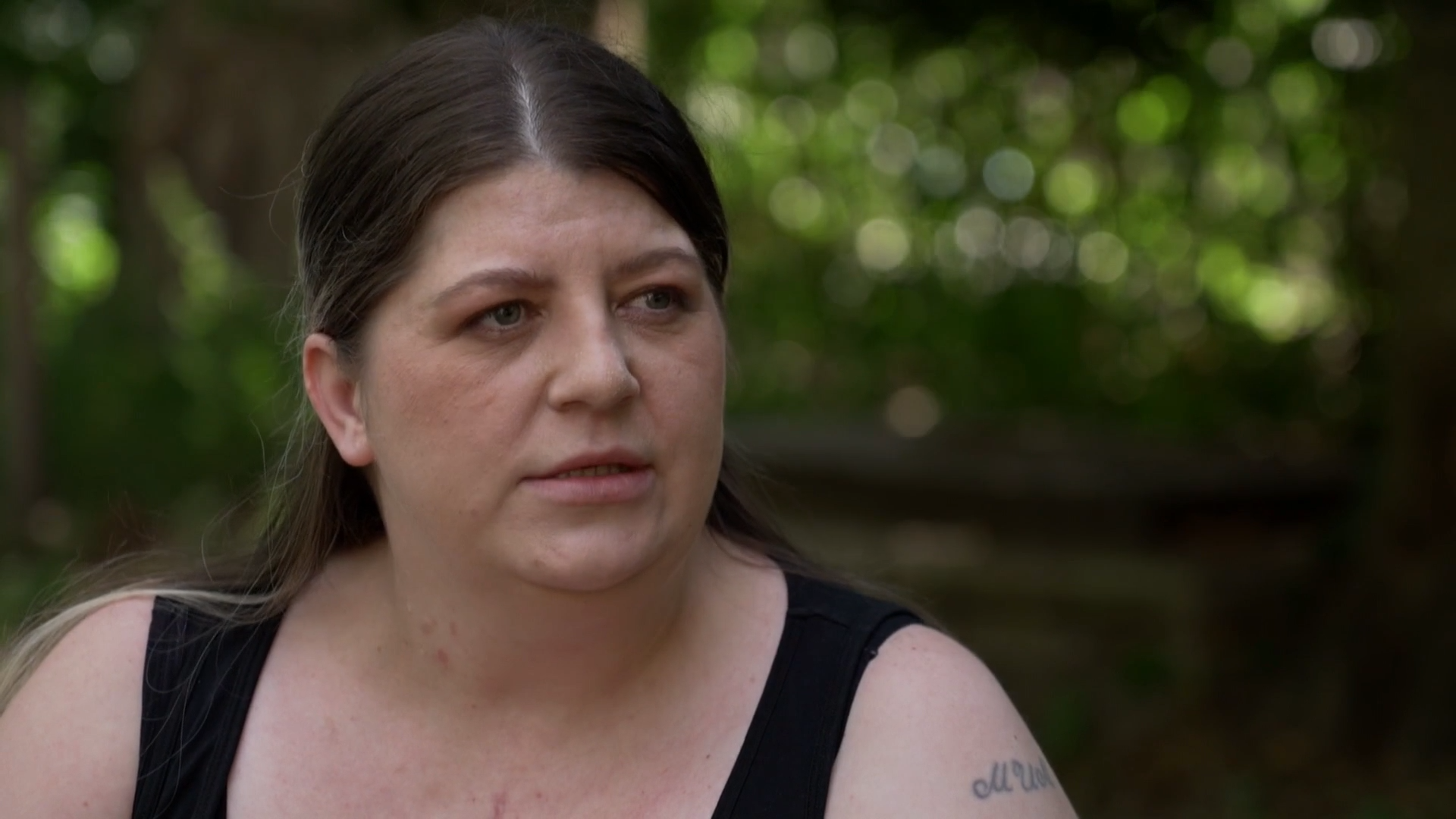
SINGAPORE: For nearly five years, John – who asked to be identified only by this alias – has lived in limbo. Every day, he wakes up knowing he committed a sexual offence and awaits the court's decision on his sentence. The uncertainty, he says, has been a punishment in itself. While waiting, the 33-year-old spent some of that time in therapy. There, he confronted the pornography addiction he says spiralled into criminal behaviour, came to terms with the harm he caused and prepared himself for whatever sentence lies ahead. “It gave me hope,” he told CNA at the Centre for Psychotherapy (C4P), where he attends counselling and group therapy sessions.
“Coming here has helped me find my identity in a way, let me know that I am more than my mistakes, that my mistakes do not define me.” John is part of a growing shift in Singapore's criminal justice system, where courts are increasingly referring people charged with offences for counselling and mental health support well before they are sentenced. The strategy aims to address the underlying causes of offending – such as addiction, mental health difficulties and harmful coping behaviours – and begin rehabilitation as early as possible, reducing the risk of reoffending. CRITICAL WINDOW FOR INTERVENTION For many accused persons, the period between being charged and being sentenced can stretch for months, or even years. During that time, some lose their jobs, relationships and financial stability while grappling with guilt, shame and uncertainty. Counsellors say it is one of the most important opportunities to intervene. “This is a very pivotal moment for any person who is justice involved,” said Ms Melissa Zehnder, a senior counsellor at C4P. “They go through this upheaval in their lives, they face a lot of anxiety and shame. (We) provide a safe space for them to process what happened, where they are at, and how to take accountability and responsibility for their actions.” John first came to the centre in November last year after his lawyers referred him for a psychological assessment to support a mitigation report for the courts. But therapy soon became much more than an assessment, helping him to understand his addiction and emotions.