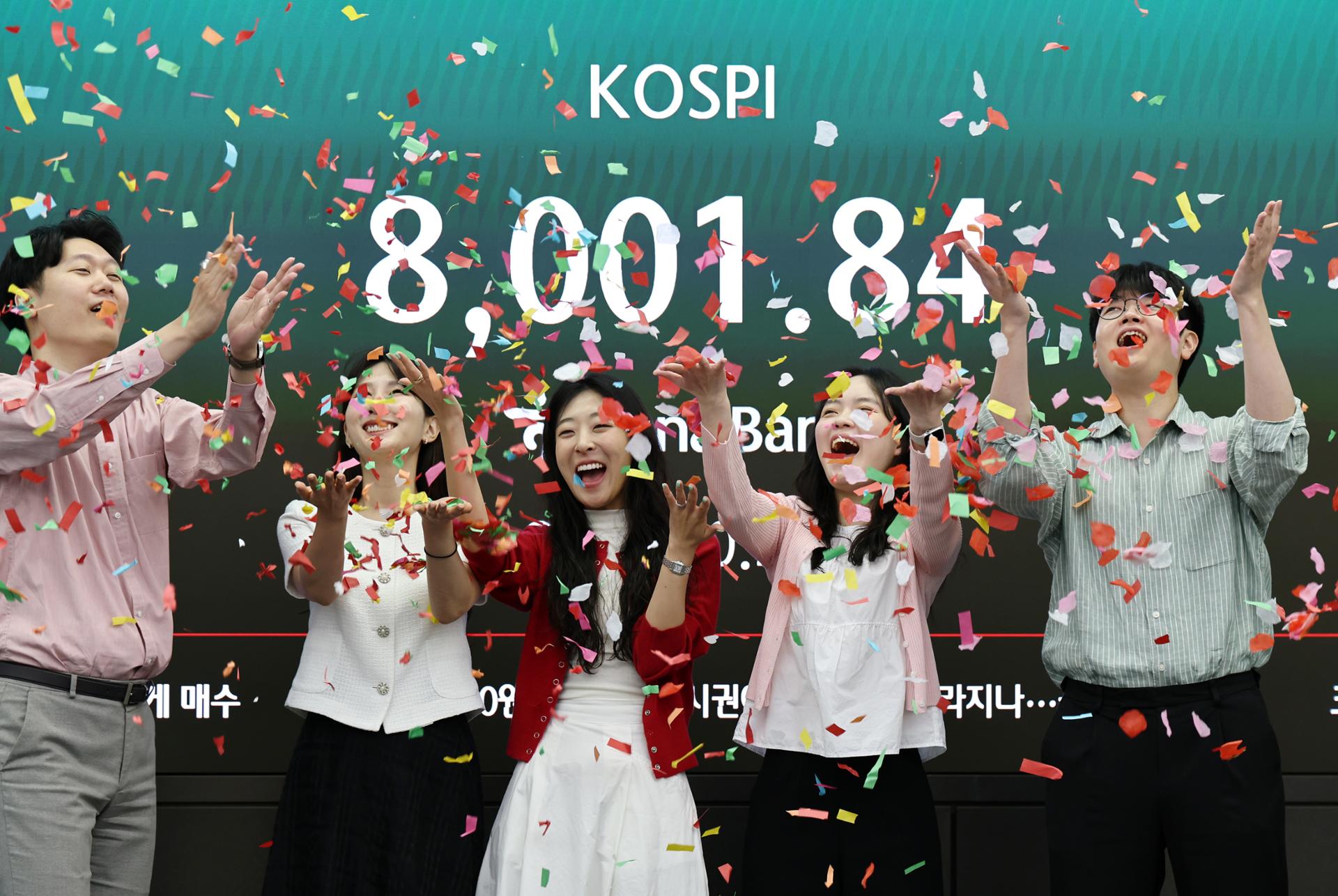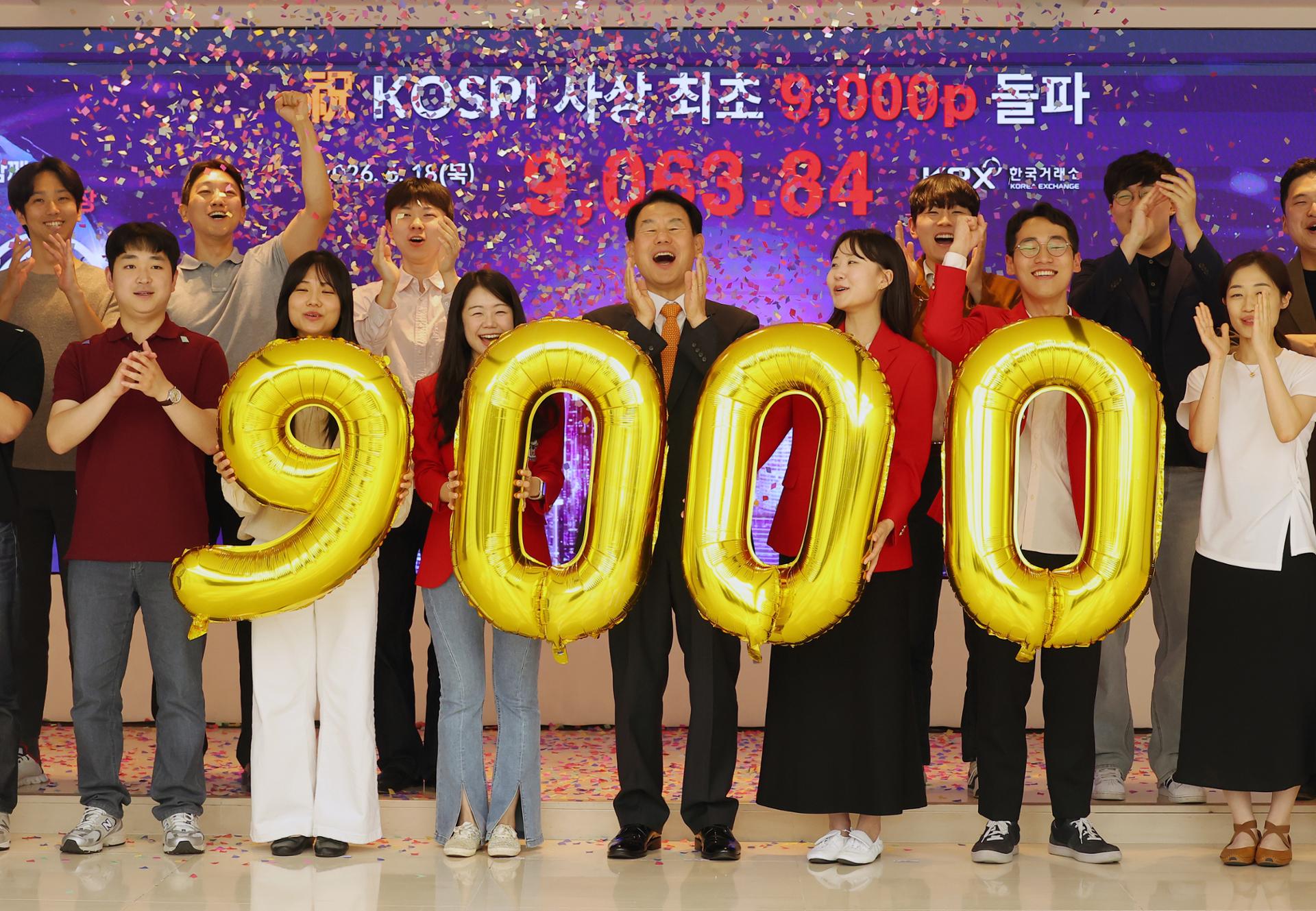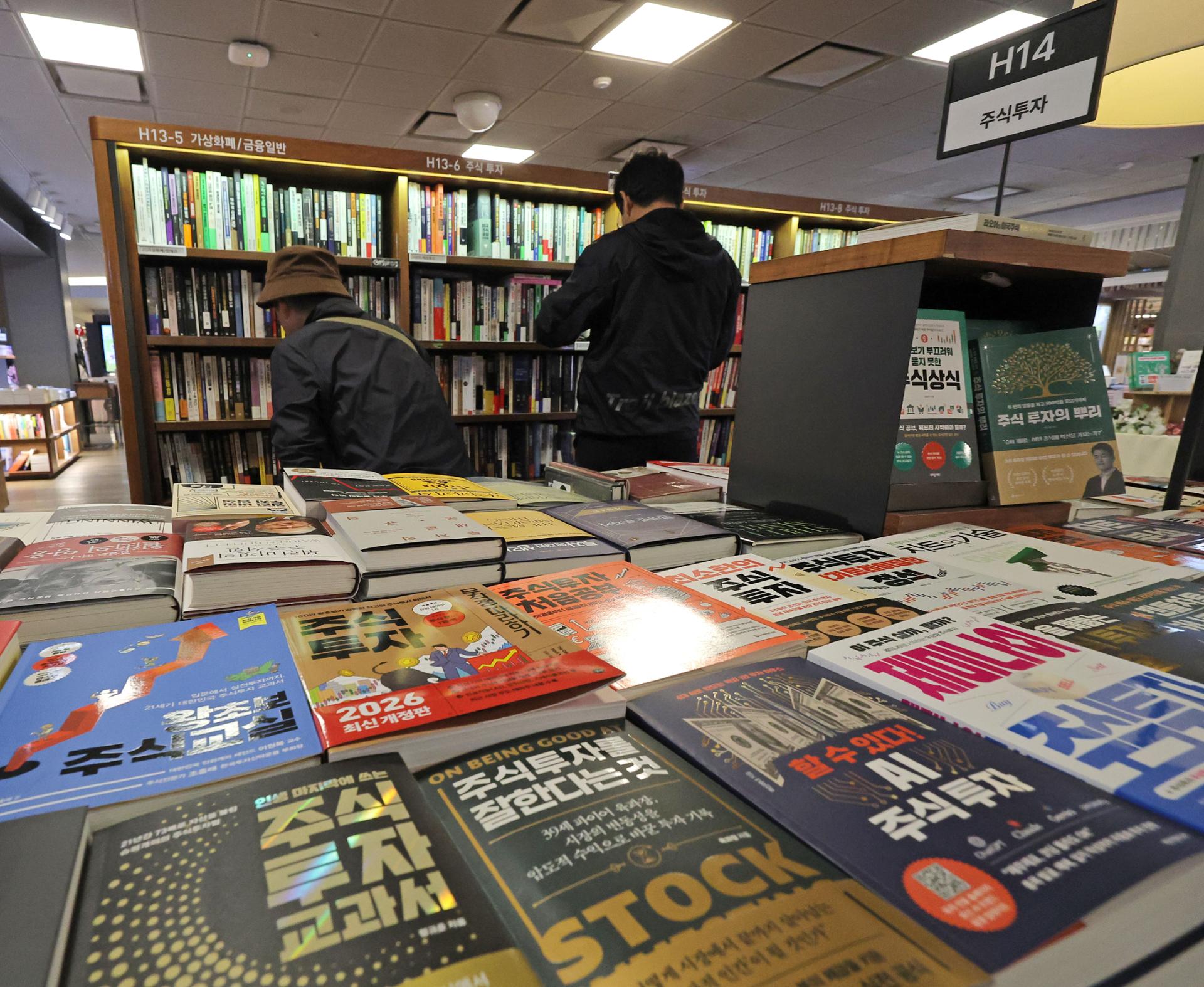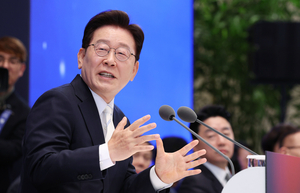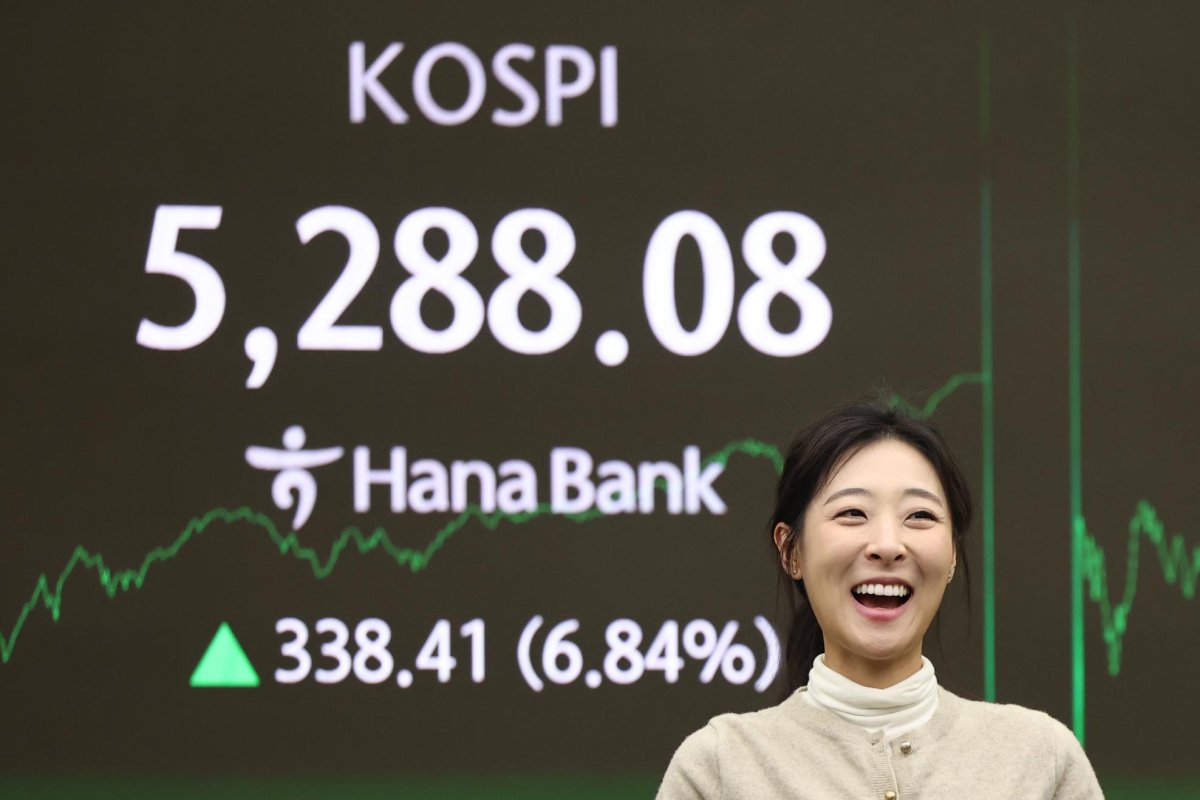
President Lee Jae Myung’s high-profile pledge to divert liquidity from Seoul’s overheated housing market to the stock market seems to have worked as the main benchmark KOSPI has soared past 9,000 points in recent weeks, driven largely by massive retail buying.
On top of several policy changes over the past year aimed at mitigating the “Korea discount,” the local equity market has received a much-needed boost from the semiconductor boom, fueled by the unprecedented memory chip demand from global tech firms for artificial intelligence.
Shares of Samsung Electronics and SK hynix, which now account for nearly 60 percent of the country’s market capitalization, have soared to all-time highs since the beginning of the year.
But some investors have become increasingly uneasy as to whether the semiconductor cycle may have peaked despite the rosy market outlook, while others have become nervous due to sharp market swings following the debut of single-stock leveraged exchange-traded funds tied to the two memory chip giants on May 27.
Against such growing market volatility, many investors have begun thinking about cashing out to lock in their gains and parking the money in relatively safer assets, such as apartments in Seoul and Gyeonggi Province. In fact, the data showed quite a number of stock investors have already realized capital gains and bought homes with the proceeds.