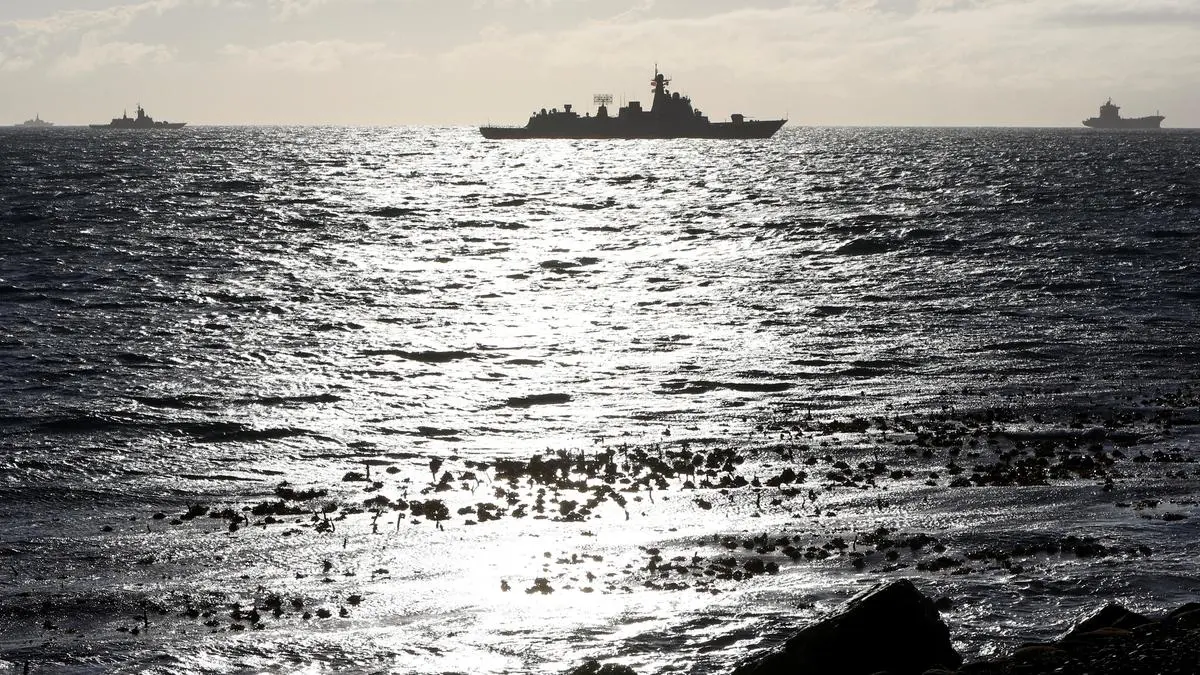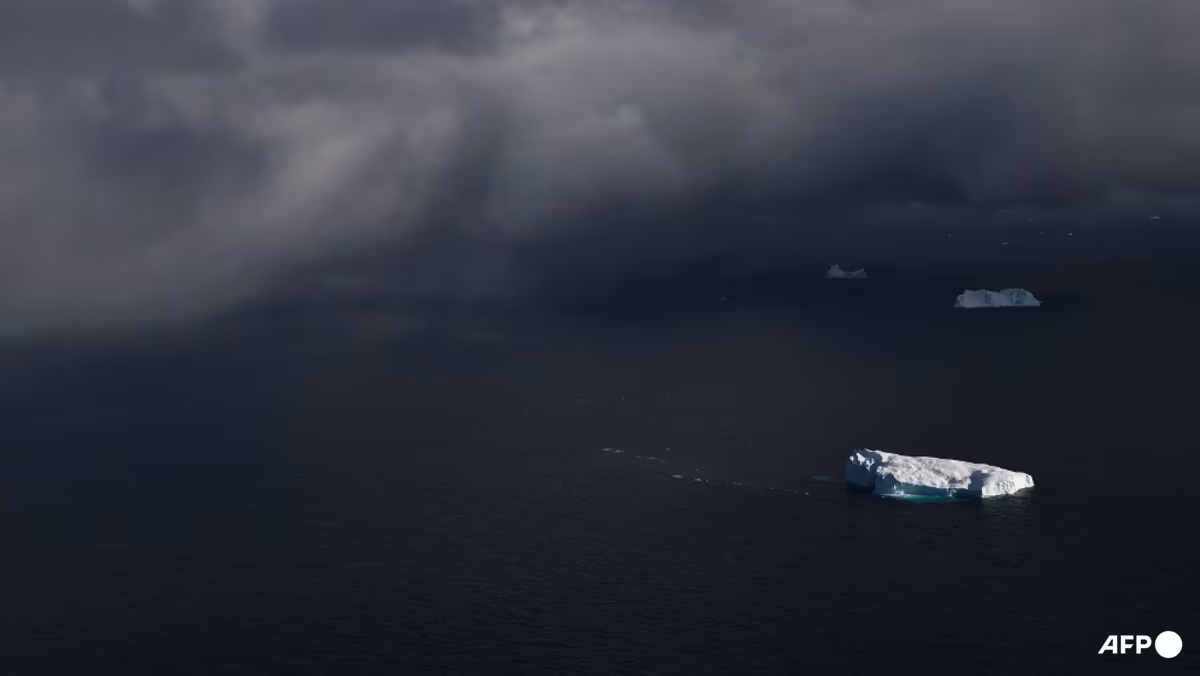
The world’s oceans are the hottest on record for June, pushing past records set during the 2023–2024 El Niño years.Right now, the average sea surface temperature is just under 21°C across the world’s tropical and temperate oceans. Before widespread industrialization in 1870, the temperature was about 19.6°C.
That may not sound like a big difference. But heating the world’s oceans this much requires a truly enormous amount of energy. Of all the extra heat trapped by greenhouse gases from burning coal, gas and oil, more than 90 percent has gone into the world’s oceans.
As a result, the oceans are getting rapidly warmer. In 2025, the heat added was the equivalent of about 12 Hiroshima-scale nuclear bombs exploding every second of every day.
To find a climate analogue comparable to what’s happening now in the oceans, we would have to go back around 120,000 years to before the last ice age. Back then, slow shifts in Earth’s orbit led it to heat up gradually over thousands of years. Humans have accomplished a similar result in a little over a century.
But the heat in the ocean doesn’t just stay there. Hotter oceans fuel stronger cyclones, a more humid atmosphere, more intense rainfall and more heat in air masses over the seas, which can in turn make heatwaves over land more likely and more intense.