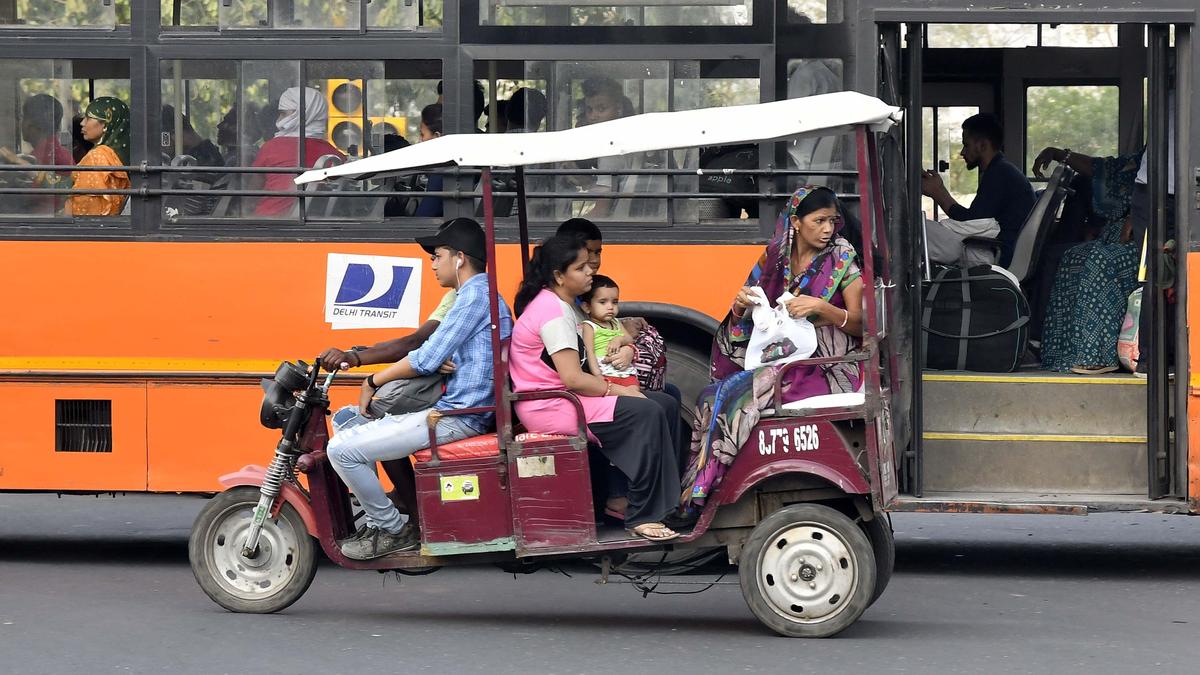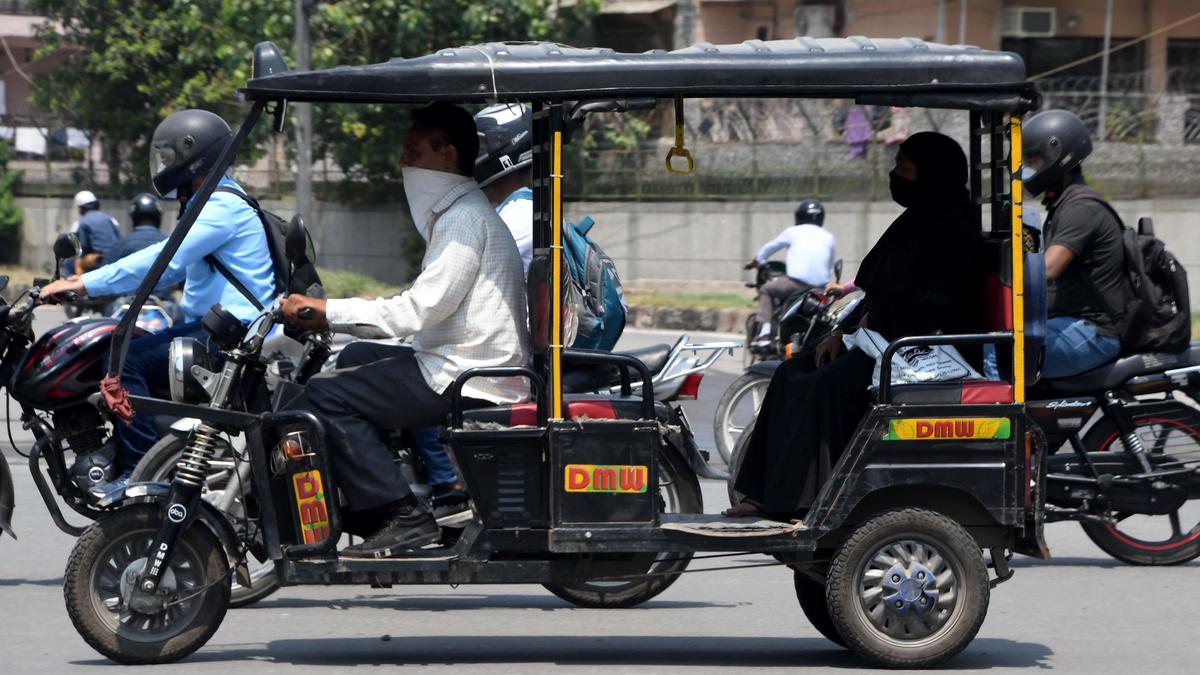
(representative image) Last week (July 1-2), incidents were reported of remote shut down of moving e-rickshaws via Chinese apps like BAT-BMS.
| Photo Credit:
Nitin Sharma/ANI
With the recent critical Bluetooth BMS vulnerabilities in e-rickshaws, the government has come out with an “Urgent Advisory” for all automobile manufacturers to begin building systematic Cyber Security Management Systems (CSMS) and Software Update Management Systems (SUMS) from October onwards. This includes securing over-the-air (OTA) updates, implementing robust user authentication, and validating software integrity, especially in electric vehicles (EVs).Last week (July 1-2), incidents were reported of remote shut down of moving e-rickshaws via Chinese apps like BAT-BMS.Therefore, the Ministry of Heavy Industries (MHI) sent the advisory to Society of Indian Automobile Manufacturers (SIAM), Automotive Component Manufacturers Association of India (ACMA), the Automotive Research Association of India (ARAI) and International Centre for Automotive Technology (iCAT), to enforce security audits, eliminate unsecured default settings, and collaborate on cyber safety design protocols.“Manufacturers must immediately begin building Cyber Security Management System and Software Update Management System (CSMS/ SUMS) in preparation for draft Ministry of Road Transport and Highways (MoRTH) standards AIS-189 and AIS-190, proposed for phased rollout starting October 1, 2026,” sources quoting the MHI advisory told businessline.MHI said while recent safety updates under AIS-156 and AIS-038 Rev.2 have successfully integrated telematics and connected features into modern battery architectures, these standards do not mandate specific wireless technologies, nor do they guarantee absolute immunity from cyber threats.To safeguard the industry, it has advised SIAM and all testing agencies to take immediate steps including advising original equipment manufacturers (OEMs) to audit their battery communication interfaces and eliminate unsecured default settings, weak authentication, or unprotected over-the-air pathways.It has also advised them to work directly with MoRTH, Ministry of Electronics and IT (MeitY), and other key stakeholders to establish better, more resilient cyber safety design protocols from the factory level.“No single standard can eliminate every digital risk, but implementing AIS-189 and AIS-190 is a decisive step toward building a trustworthy connected vehicle ecosystem in India. SIAM and ACMA may also circulate this advisory to all manufacturers including original equipment manufacturers (OEMs) and component makers. It may be ensured that these safety protocols are prioritised,” the MHI advisory said.The advisory added that any further vulnerability or information in this regard should also be brought to the attention of the Ministry immediately.SIAM confirmed on receiving the advisory and said that it has already forwarded the same to all its members.“SIAM has forwarded this advisory to our member OEMs with a request to ensure that appropriate authentication mechanisms, secure configurations, and cyber security controls are implemented to mitigate potential vulnerabilities,” Rajesh Menon, Director General, SIAM, told businessline.Published on July 8, 2026